
Mortar is more than just a binding agent; it’s a critical element in the longevity and aesthetics of any stone structure. The composition of mortar directly impacts its strength, flexibility, and compatibility with the surrounding stone.
One often overlooked but incredibly valuable ingredient is stone dust. Choosing Stone Dust for Mortar can significantly enhance its properties, offering a range of benefits from improved workability to enhanced durability.
This article will explore the world of stone dust in mortar, covering everything from its definition and benefits to its preparation and application. We’ll also discuss the various types of stone dust available, including lime dust, granite dust, and marble dust, and how to select the best one for your specific project.
What is Stone Dust?
Stone dust, also known as rock dust or quarry dust, is a fine powder created as a byproduct of crushing stone. It’s essentially pulverized rock, composed of tiny particles that range in size depending on the crushing and screening processes used.
Unlike sand, which consists of rounded grains, stone dust particles are often angular and irregular. This unique characteristic plays a significant role in how it interacts within a mortar mix, influencing its overall performance and behavior.
The mineral composition of stone dust directly reflects the type of stone from which it was derived. Granite dust, for example, will contain minerals like quartz, feldspar, and mica, while marble dust will primarily consist of calcium carbonate.
Understanding the source of your stone dust is critical, as it will determine its chemical properties and how it will interact with other mortar components. Impurities can negatively affect the mortar’s performance, leading to issues like staining or reduced strength.
Stone dust is created during various quarrying and stone processing activities. These activities include sawing, grinding, and blasting of stone materials.
The size of the stone dust particles can vary depending on the methods used to crush the stone. Finer particles are generally more desirable for mortar mixes, as they contribute to a smoother and more consistent texture.
It’s important to note that not all stone dust is created equal. The quality and purity of the dust can vary significantly depending on the source and the manufacturing process.
Therefore, it’s essential to source your stone dust from a reputable supplier who can provide information about its composition and quality. This will help ensure that you’re using a product that will enhance, rather than detract from, the performance of your mortar.
Stone dust can also be considered an environmentally friendly material. It’s a byproduct of stone processing that would otherwise be considered waste.
By utilizing stone dust in mortar, you’re contributing to a more sustainable building practice. This helps in reducing waste and maximizing the use of natural resources.
Benefits of Using Stone Dust in Mortar
Incorporating stone dust into mortar offers a multitude of advantages, enhancing both its fresh and hardened properties. One of the primary benefits is improved workability, making the mortar easier to mix, apply, and tool.
The fine, angular particles of stone dust increase the mortar’s cohesiveness, allowing it to cling better to the trowel and the stone. This is especially helpful when working with porous stones or in situations where the mortar needs to be applied in thin layers.
Stone dust can also reduce shrinkage during the curing process, minimizing the risk of cracking and improving the mortar’s long-term durability. By filling the voids between larger aggregate particles, it creates a denser, more stable matrix.
Furthermore, using stone dust that matches the color of the surrounding stone can create a more visually appealing and cohesive finish. This is particularly important in restoration projects where maintaining the original aesthetic is a priority.
Another significant benefit of using stone dust is its ability to improve the water retention of the mortar. This is particularly important in hot and dry climates, where rapid evaporation can lead to premature drying and cracking.
The fine particles of stone dust help to retain moisture within the mortar mix, allowing for a more complete hydration of the cement or lime. This results in a stronger, more durable mortar that is less susceptible to cracking and other forms of deterioration.
In addition to improving workability and durability, stone dust can also enhance the mortar’s resistance to weathering. The dense, compact structure created by the stone dust helps to prevent water from penetrating the mortar, reducing the risk of freeze-thaw damage.
This is particularly important in climates where temperatures fluctuate significantly, as repeated freezing and thawing can cause the mortar to crack and crumble over time. By incorporating stone dust into your mortar mix, you can significantly extend its lifespan and reduce the need for costly repairs.
Stone dust can also contribute to a more sustainable building practice by reducing the amount of cement required in the mortar mix. Cement production is a significant source of greenhouse gas emissions, so reducing its use can help to lower your project’s environmental impact.
By replacing a portion of the cement with stone dust, you can create a more environmentally friendly mortar without sacrificing its strength or durability. This is a win-win situation for both your project and the planet.
Types of Stone Dust and Their Applications
The type of stone dust you choose should be carefully considered based on the specific requirements of your project. Different stone types yield dust with varying properties, making some more suitable for certain applications than others.
Lime dust, derived from limestone, is often used in lime-based mortars, providing excellent compatibility and breathability. Granite dust, known for its strength and durability, is frequently incorporated into mortars for load-bearing walls and paving.
| Stone Dust Type | Primary Composition | Typical Applications |
|---|---|---|
| Lime Dust | Calcium Carbonate (CaCO3) | Lime mortars, restoration projects, breathable mortars |
| Granite Dust | Quartz, Feldspar, Mica | High-strength mortars, load-bearing walls, paving |
| Marble Dust | Calcium Carbonate (CaCO3) | Decorative mortars, stucco, plaster |
| Sandstone Dust | Quartz, Feldspar, Clay Minerals | Mortars for sandstone masonry, patching |
| Slate Dust | Mica, Quartz, Chlorite | Mortars for slate roofing, flagging |
Marble dust is another popular choice, particularly for decorative mortars and stucco applications. Its fine texture and bright white color can create a smooth, elegant finish.
Sandstone dust, composed primarily of quartz and feldspar, is often used in mortars for sandstone masonry. Its compatibility with sandstone ensures a strong, durable bond and a visually cohesive appearance.
Slate dust, derived from slate, is commonly used in mortars for slate roofing and flagging. Its unique mineral composition provides excellent water resistance and durability, making it ideal for these applications.
In addition to these common types of stone dust, there are many other options available, depending on the specific stone types found in your region. It’s always best to consult with a stone supplier or masonry expert to determine the best type of stone dust for your project.
The color of the stone dust can also be an important consideration, particularly for restoration projects. Matching the color of the mortar to the surrounding stone can help to create a seamless and aesthetically pleasing repair.
Some stone dusts may contain impurities that can affect the mortar’s performance or appearance. It’s important to choose a stone dust that is free from harmful contaminants, such as clay or organic matter.
The particle size distribution of the stone dust can also influence its properties. Finer particles tend to improve workability and water retention, while coarser particles can enhance strength and durability.
Ultimately, the best type of stone dust for your project will depend on a variety of factors, including the type of stone you’re working with, the desired properties of the mortar, and your budget. By carefully considering these factors, you can choose a stone dust that will help you achieve a high-quality, long-lasting result.
Preparing Stone Dust for Mortar Mixing
Proper preparation of stone dust is essential to ensure its optimal performance in mortar. Before adding it to your mix, it’s crucial to screen the dust to remove any large particles or debris.
A simple sieve with a fine mesh can effectively filter out unwanted materials, preventing them from compromising the mortar’s texture and strength. This step is especially important if the stone dust has been stored outdoors or is of unknown origin.
Depending on the specific application, you may also want to consider washing the stone dust to remove any excess fines or clay particles. These can sometimes interfere with the hydration of the cement or lime, leading to a weaker bond.
However, be mindful that washing can also remove beneficial minerals, so it’s important to weigh the pros and cons before proceeding. In some cases, a simple pre-wetting of the stone dust may be sufficient to improve its dispersion in the mortar mix.
Screening the stone dust not only removes larger particles but also helps to break up any clumps that may have formed during storage. This ensures a more uniform distribution of the dust throughout the mortar mix.
When washing stone dust, it’s important to use clean water and to allow the dust to dry completely before adding it to the mortar mix. Excess moisture can affect the mortar’s consistency and strength.
Pre-wetting the stone dust can help to reduce dustiness during mixing and improve its dispersion in the mortar. This is particularly beneficial when working with very fine stone dust particles.
Consider using a dust mask when handling stone dust, especially if you’re working in a confined space. This will help to protect your lungs from inhaling fine particles.
If you’re using stone dust from a reclaimed source, it’s particularly important to carefully inspect it for contaminants. Reclaimed stone dust may contain debris, organic matter, or other materials that could compromise the mortar’s performance.
In some cases, it may be necessary to sterilize the stone dust to kill any bacteria or fungi that may be present. This is particularly important when working on historic structures, where biological growth can contribute to deterioration.
Mixing Stone Dust into Mortar
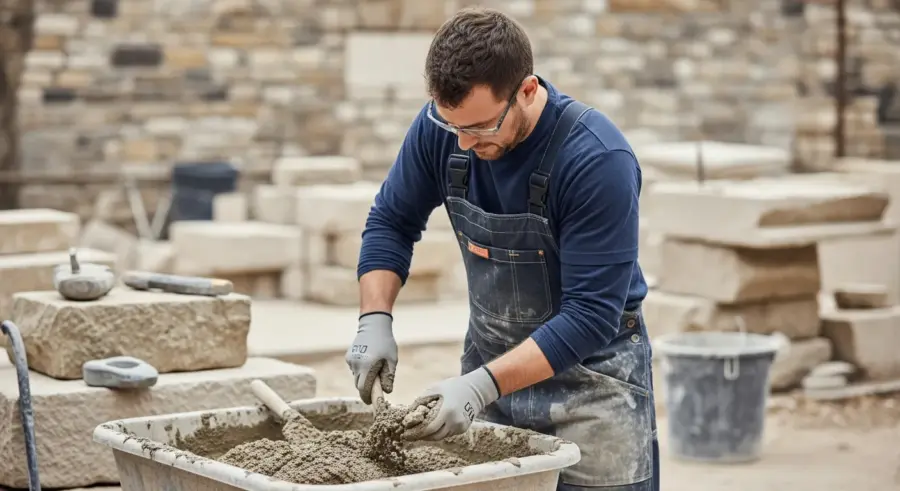
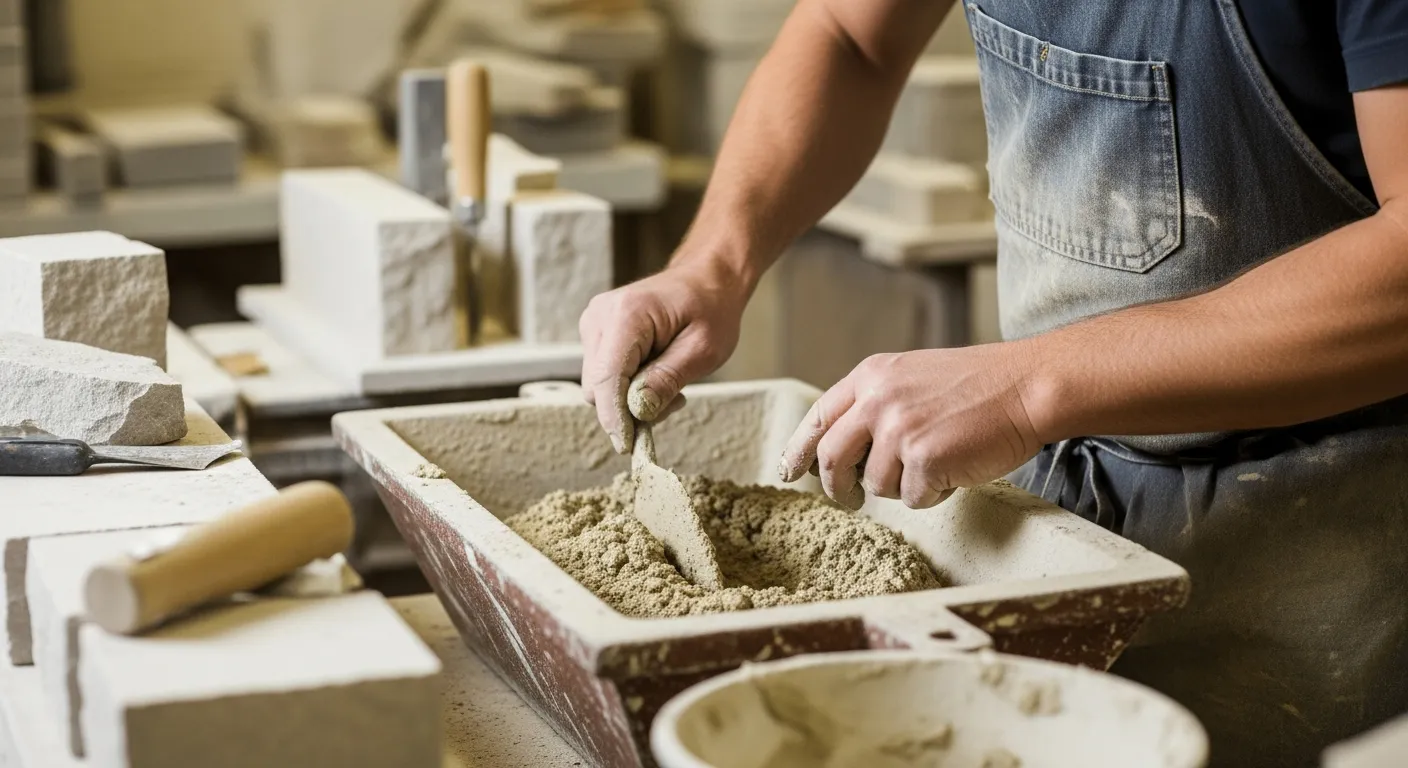
The process of incorporating stone dust into mortar is relatively straightforward, but careful attention to proportions is key. The amount of stone dust you add will depend on the desired consistency and properties of the mortar.
As a general guideline, stone dust can replace a portion of the sand in your mortar mix, typically ranging from 10% to 50% by volume. It’s always best to start with a smaller amount and gradually increase it until you achieve the desired workability and texture.
- Start with a dry mix of cement, lime, and sand
- Gradually add the stone dust, mixing thoroughly
- Introduce water slowly, until the mortar reaches a workable consistency
- Avoid adding too much water, which can weaken the mortar
- Adjust the proportions as needed to achieve the desired result
When adding stone dust, it’s important to mix it thoroughly with the other dry ingredients before adding water. This ensures a more uniform distribution of the dust throughout the mortar mix.
Use a consistent measuring system to ensure accurate proportions. This will help to maintain the quality and consistency of your mortar mix.
Avoid overmixing the mortar, as this can weaken its structure. Mix only until the ingredients are thoroughly combined and the mortar reaches a workable consistency.
If you’re using a mechanical mixer, be sure to clean it thoroughly after each use. This will prevent cross-contamination and ensure that your next batch of mortar is of the highest quality.
Always follow the manufacturer’s instructions for mixing and applying mortar. This will help to ensure that you achieve the best possible results.
Consider using a trial batch to test the mortar mix before applying it to a large area. This will allow you to adjust the proportions as needed to achieve the desired properties.
Keep a record of your mortar mix proportions and application techniques. This will help you to replicate your results in future projects.
Considerations for Different Stone Types
When using stone dust in mortar, it’s important to consider the compatibility between the dust and the stone you’re working with. Ideally, the stone dust should be sourced from the same type of stone as the masonry units.
This ensures that the mortar will have similar properties to the stone, minimizing the risk of differential expansion and contraction, which can lead to cracking and deterioration. For example, when repairing a limestone wall, using lime dust in the mortar is generally the best approach.
If matching the stone type isn’t possible, consider using a stone dust that is chemically compatible and has similar physical properties. Avoid using stone dust that contains minerals that could react negatively with the stone or other mortar components.
For instance, using stone dust with high iron content on light-colored stone can cause staining over time. Always perform a small test patch before applying the mortar to a large area, especially when working with unfamiliar stone types.
The porosity of the stone is another important factor to consider. Porous stones tend to absorb more moisture, so it’s important to use a mortar that is compatible with their absorbent properties.
The color of the stone can also influence your choice of stone dust. Using a stone dust that is similar in color to the stone can help to create a more seamless and aesthetically pleasing repair.
The texture of the stone can also affect the mortar’s performance. Rough-textured stones may require a mortar with a higher sand content to provide adequate grip and adhesion.
The age of the stone is also a consideration. Older stones may be more fragile and require a more flexible mortar to accommodate movement and prevent cracking.
Always consult with a stone supplier or masonry expert to determine the best type of stone dust and mortar mix for your specific project. They can provide valuable insights and recommendations based on their experience and knowledge.
Consider the environmental conditions to which the stone will be exposed. Stones in harsh climates may require a more durable and weather-resistant mortar.
Stone Dust for Lime Mortar: A Natural Fit
Lime mortars are known for their breathability and flexibility, making them a popular choice for historic preservation and restoration projects. Stone dust, particularly lime dust, can further enhance these properties, creating a mortar that is both durable and compatible with older stone structures.
Lime dust helps to improve the workability of lime mortar, making it easier to apply and tool. It also reduces shrinkage, minimizing the risk of cracking and ensuring a long-lasting bond with the stone.
When using lime dust in lime mortar, it’s important to select a dust that is free from impurities and has a similar color to the surrounding stone. This will help to create a seamless and aesthetically pleasing repair.
Furthermore, lime dust can contribute to the mortar’s ability to self-heal, as the calcium carbonate can dissolve and recrystallize, filling small cracks and prolonging the mortar’s lifespan. This makes it an excellent choice for maintaining the integrity of historic masonry.
Lime mortar’s breathability is crucial for allowing moisture to escape from the stone structure. This prevents the buildup of moisture, which can lead to deterioration and damage.
The flexibility of lime mortar allows it to accommodate movement in the stone structure without cracking. This is particularly important for older buildings, which may have settled over time.
Lime dust can also help to improve the mortar’s resistance to salt attack. Salt is a common cause of deterioration in coastal areas, so this is an important consideration for buildings located near the sea.
When mixing lime mortar with stone dust, it’s important to use a well-graded sand. This will help to improve the mortar’s workability and durability.
Avoid using too much water when mixing lime mortar, as this can weaken its structure. Add water slowly until the mortar reaches a workable consistency.
Curing lime mortar properly is essential for ensuring its long-term performance. Keep the mortar moist for several days after application to allow it to hydrate fully.
Sourcing and Storing Stone Dust
Obtaining high-quality stone dust is crucial for achieving the best results in your mortar mix. Local quarries and stone suppliers are often the most reliable sources, as they can provide information about the stone’s origin and composition.
When sourcing stone dust, be sure to ask about the crushing and screening processes used, as these can affect the dust’s particle size and purity. It’s also a good idea to request a sample of the stone dust for testing before purchasing a large quantity.
Proper storage is essential to prevent contamination and maintain the quality of your stone dust. Store it in a dry, covered location, away from direct sunlight and moisture.
Avoid storing stone dust in direct contact with the ground, as this can introduce moisture and impurities. If possible, store it in sealed containers or bags to protect it from the elements and prevent it from clumping.
Establish a relationship with a reputable stone supplier. This will ensure a consistent supply of high-quality stone dust for your projects.
Inquire about the supplier’s quality control measures. This will give you confidence in the purity and consistency of their stone dust.
Consider purchasing stone dust in bulk to save money. However, be sure that you have adequate storage space to prevent it from deteriorating.
Rotate your stock of stone dust to ensure that you’re using the oldest material first. This will help to prevent it from clumping or becoming contaminated.
Label your stone dust containers clearly with the type of stone and the date of purchase. This will help you to keep track of your inventory and prevent confusion.
Inspect your stone dust regularly for signs of contamination or deterioration. Discard any material that is no longer suitable for use.
Troubleshooting Common Issues
While using stone dust in mortar is generally beneficial, some common issues can arise if not handled properly. One potential problem is excessive shrinkage, which can occur if too much stone dust is added to the mix.
To prevent this, start with a lower proportion of stone dust and gradually increase it until you achieve the desired consistency. Another issue is staining, which can be caused by impurities in the stone dust or chemical reactions with the stone.
Always test the stone dust for staining potential before using it on a large area, and avoid using dust with high iron or sulfur content on light-colored stone. If the mortar is too weak or crumbly, it may be due to insufficient cement or lime in the mix.
Adjust the proportions of your mortar components to ensure adequate strength and durability. Finally, if the mortar is too stiff or difficult to work with, it may be due to a lack of stone dust or an improper water content.
If the mortar cracks easily, it may be due to excessive shrinkage or insufficient flexibility. Adjust the proportions of your mortar components or consider using a more flexible type of stone dust.
If the mortar is too porous, it may be susceptible to water damage and freeze-thaw cycles. Consider using a stone dust that is more water-resistant or adding a waterproofing agent to the mortar mix.
If the mortar is difficult to tool, it may be due to an improper sand-to-cement ratio or a lack of stone dust. Adjust the proportions of your mortar components or consider using a finer-grained stone dust.
If the mortar is not bonding properly to the stone, it may be due to a dirty or contaminated surface. Clean the stone thoroughly before applying the mortar.
If the mortar is drying too quickly, it may be due to hot weather or low humidity. Keep the mortar moist during the curing process by covering it with plastic or spraying it with water.
If the mortar is discoloring over time, it may be due to chemical reactions with the stone or environmental factors. Consider using a sealant to protect the mortar from the elements.
Conclusion
Choosing Stone Dust for Mortar is a valuable technique for enhancing the properties of mortar, offering improved workability, reduced shrinkage, and enhanced aesthetic appeal. By carefully selecting the appropriate type of stone dust and preparing it properly, you can create a mortar that is both durable and compatible with the surrounding stone.
Whether you’re working on a historic restoration project or a new construction, incorporating stone dust into your mortar mix can significantly improve the quality and longevity of your stone structures. Lime dust, granite dust, and marble dust each offer unique benefits for different applications.