

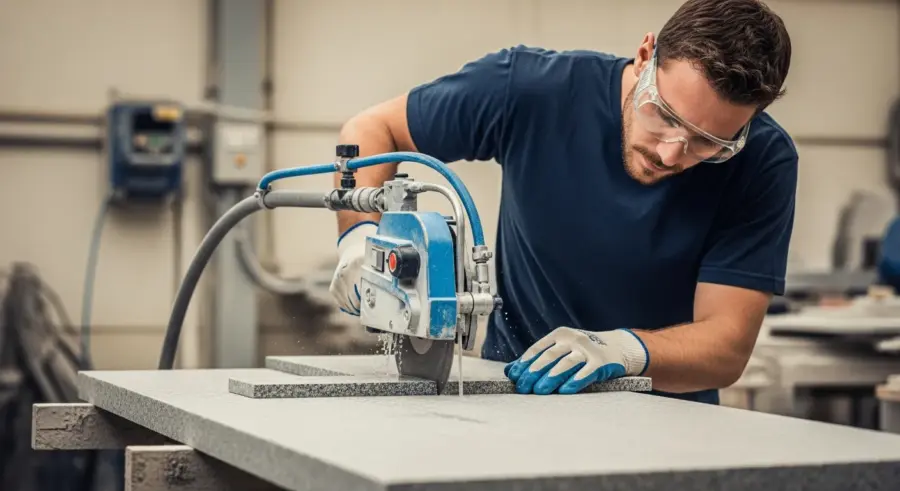
Stone cutting is a precise art, and the right tools make all the difference. But even the best blades and saws can struggle without proper lubrication and cooling. That’s where selecting stone cutting fluids comes into play, ensuring clean cuts, extending tool life, and improving overall efficiency.
These fluids are more than just lubricants; they are engineered solutions that address the unique challenges of working with various types of stone. From hard granite to softer marble, each material demands a specific approach to prevent overheating, reduce dust, and minimize wear on cutting equipment. Understanding the different types of cutting fluids and their applications is essential for achieving optimal results in any stone masonry or lithic conservation project.
This article will explore the world of stone cutting fluids, examining their role, types, application, and benefits. We’ll look at water-based coolants, oil-based coolants, and synthetic options, discussing their advantages and disadvantages. By the end, you’ll have a solid understanding of how to choose and use the right cutting fluid for your specific needs, ensuring precision and longevity in your stone cutting endeavors.
The Role of Cutting Fluids in Stone Cutting
Cutting fluids are essential to the stone cutting process, serving multiple critical functions. Their primary role is to cool the cutting blade and the stone itself, preventing overheating that can lead to blade damage and material distortion. Without adequate cooling, the friction generated during cutting can cause excessive heat, which can warp the blade, reduce its hardness, and even cause it to crack.
Beyond cooling, cutting fluids also act as lubricants, reducing friction between the blade and the stone. This lubrication minimizes wear on the blade, extending its lifespan and maintaining its cutting efficiency. By reducing friction, the fluid also allows for smoother, more precise cuts, minimizing chipping and breakage, especially in brittle materials like marble or slate.
Another important function of cutting fluids is to remove swarf, which is the debris and dust produced during the cutting process. These particles can accumulate in the cutting area, hindering visibility and reducing the blade’s effectiveness. The fluid flushes away the swarf, keeping the cutting area clean and ensuring that the blade can make consistent contact with the stone.
Finally, some cutting fluids offer additional benefits such as corrosion inhibition. These fluids contain additives that protect the blade and the stone from rust and other forms of corrosion, especially when working with water-based coolants. By preventing corrosion, these fluids help maintain the integrity of both the cutting equipment and the stone material, ensuring long-term performance and durability.
The cooling action of cutting fluids is paramount, especially when dealing with harder stones like granite. The intense friction between the blade and the stone generates significant heat, which can quickly degrade the blade’s cutting edge. Proper cooling maintains the blade’s hardness and prevents it from becoming brittle, ensuring a clean and efficient cut every time.

Lubrication is equally vital, especially when working with intricate designs or delicate stone types. Reducing friction not only extends the blade’s life but also minimizes the risk of chipping or cracking the stone. This is particularly important when restoring historical stone structures or creating detailed sculptures, where precision and material preservation are paramount.
Swarf removal is a often overlooked, but crucial, aspect of cutting fluid functionality. Accumulated debris can clog the cutting path, reducing the blade’s efficiency and potentially causing it to bind or wander. By effectively flushing away swarf, cutting fluids ensure a clean and consistent cutting action, leading to more accurate and predictable results.
Corrosion inhibition is particularly important when using water-based cutting fluids, as water can promote rust on both the blade and the stone. Additives in the fluid create a protective barrier, preventing corrosion and extending the lifespan of both the cutting equipment and the stone material. This is especially crucial for long-term storage or when working in humid environments.
The choice of cutting fluid can also impact the surface finish of the cut stone. Some fluids are formulated to leave a smoother, more polished surface, reducing the need for additional finishing steps. This can be particularly beneficial when creating decorative stone elements or when working with materials that are prone to chipping or scratching.
Types of Stone Cutting Fluids
There are several types of stone cutting fluids available, each with its own unique properties and applications. The most common types include water-based coolants, oil-based coolants, and synthetic coolants. Understanding the characteristics of each type is crucial for selecting the right fluid for a specific stone cutting task.
Water-based coolants are popular due to their excellent cooling properties and cost-effectiveness. They are typically a mixture of water and additives that enhance lubrication, reduce corrosion, and prevent the growth of bacteria. Water-based coolants are well-suited for high-speed cutting operations where heat generation is a major concern.
Oil-based coolants offer superior lubrication compared to water-based options. They are particularly effective when cutting hard, dense stones like granite or quartzite. Oil-based coolants provide a smoother cut and reduce wear on the cutting blade, but they may not dissipate heat as effectively as water-based coolants.
Synthetic coolants are a modern solution that combines the benefits of both water-based and oil-based fluids. They are formulated with synthetic oils and additives that provide excellent lubrication, cooling, and corrosion protection. Synthetic coolants are often used in demanding applications where high precision and long tool life are essential.
Beyond these main categories, there are also specialized cutting fluids designed for specific stone types or cutting processes. For example, some fluids are formulated specifically for cutting marble, while others are designed for use with diamond blades. These specialized fluids often contain unique additives that enhance their performance in specific applications.
Another important distinction is between soluble oils and synthetic fluids. Soluble oils are oil-based fluids that emulsify with water to form a milky coolant. Synthetic fluids, on the other hand, are entirely synthetic and do not contain any mineral oil. Synthetic fluids often offer superior performance and longer lifespan compared to soluble oils.
When choosing a cutting fluid, it’s also important to consider its viscosity. Viscosity refers to the fluid’s resistance to flow. Lower viscosity fluids are easier to apply and provide better cooling, while higher viscosity fluids offer better lubrication and swarf removal. The ideal viscosity will depend on the specific cutting operation and the type of stone being cut.
The pH level of the cutting fluid is another factor to consider, especially when using water-based coolants. A pH level that is too high or too low can cause corrosion or skin irritation. Most water-based coolants are formulated to have a neutral pH to minimize these risks. Regular monitoring of the pH level is recommended to ensure optimal performance and safety.
Ultimately, the best type of cutting fluid will depend on a variety of factors, including the type of stone being cut, the cutting equipment being used, and the desired results. Careful consideration of these factors will help you choose the right fluid for your specific needs, ensuring optimal performance and longevity in your stone cutting endeavors.
Water-Based Coolants: Advantages and Disadvantages
Water-based coolants are widely used in stone cutting due to their affordability and efficient cooling capabilities. These coolants are primarily composed of water mixed with various additives to improve their performance. However, like all cutting fluids, water-based coolants have their own set of advantages and disadvantages.
One of the main advantages of water-based coolants is their excellent heat dissipation. Water is a highly effective coolant, quickly drawing heat away from the cutting blade and the stone. This helps prevent overheating, which can damage the blade and cause thermal stress in the stone, making them ideal for high-speed cutting operations where significant heat is generated.
| Feature | Advantage | Disadvantage |
|---|---|---|
| Cooling | Excellent heat dissipation | Can promote rust |
| Cost | Generally inexpensive | Requires additives |
| Environmental Impact | Relatively eco-friendly | Can cause water pollution |
| Lubrication | Moderate | May require additional lubrication |
On the other hand, water-based coolants have some notable drawbacks. Water itself is not a great lubricant, so additives are necessary to reduce friction between the blade and the stone. Without these additives, water-based coolants may not provide sufficient lubrication for cutting harder stones, potentially leading to increased blade wear and reduced cutting efficiency.
Another disadvantage of water-based coolants is their potential to promote rust and corrosion. Water can react with the metal components of the cutting equipment and the stone itself, leading to rust and other forms of corrosion. To mitigate this, water-based coolants typically contain corrosion inhibitors, but these additives may not always be sufficient, especially in humid environments.
Furthermore, water-based coolants are susceptible to bacterial growth. Water provides a favorable environment for bacteria to thrive, which can lead to foul odors and reduced coolant performance. To prevent bacterial growth, water-based coolants often contain biocides, but these chemicals can be harmful to the environment and may require special disposal procedures.
Despite these drawbacks, water-based coolants remain a popular choice for many stone cutting applications due to their cost-effectiveness and excellent cooling capabilities. By carefully selecting a water-based coolant with appropriate additives and implementing proper maintenance procedures, you can minimize the risks and maximize the benefits of using this type of cutting fluid.
The effectiveness of water-based coolants can also be enhanced by using deionized water. Deionized water is free of minerals and other impurities that can interfere with the coolant’s performance. Using deionized water can improve cooling efficiency, reduce corrosion, and extend the lifespan of the coolant.
Oil-Based Coolants: When to Use Them
Oil-based coolants are a different breed of cutting fluid, offering distinct advantages that make them suitable for specific stone cutting applications. These coolants are primarily composed of oil, either mineral or synthetic, and are known for their superior lubricating properties. But when exactly should you reach for an oil-based coolant?
One of the main reasons to use oil-based coolants is when cutting hard, dense stones like granite, quartzite, or even some types of marble. These materials require significant lubrication to reduce friction and prevent excessive wear on the cutting blade. Oil-based coolants excel in this area, providing a slippery barrier between the blade and the stone, resulting in smoother cuts and extended blade life.
Another situation where oil-based coolants are beneficial is when precision is paramount. The enhanced lubrication provided by oil-based fluids allows for finer, more controlled cuts, reducing the risk of chipping or breakage, especially in delicate or intricate designs. This makes them a good choice for detailed stone carving or when working with fragile materials.
Furthermore, oil-based coolants offer excellent corrosion protection. The oil forms a protective layer on the blade and the stone, preventing rust and other forms of corrosion. This is particularly important when working in humid environments or when storing cutting equipment for extended periods. This corrosion protection can significantly extend the lifespan of both the blade and the stone being worked on.
However, it’s important to note that oil-based coolants are not without their drawbacks. They generally don’t dissipate heat as effectively as water-based coolants, so they may not be suitable for high-speed cutting operations where heat buildup is a major concern. Additionally, oil-based coolants can be messier to work with and may require more thorough cleaning procedures.
When selecting an oil-based coolant, it’s important to consider its viscosity and flash point. Viscosity affects the fluid’s ability to penetrate the cutting area and provide lubrication, while the flash point is the temperature at which the fluid can ignite. Choosing a fluid with the appropriate viscosity and a high enough flash point is crucial for safe and effective operation.
Another consideration is the type of oil used in the coolant. Mineral oils are less expensive but may not offer the same level of performance as synthetic oils. Synthetic oils are more stable, provide better lubrication, and are less prone to degradation. However, they also tend to be more expensive.
Proper disposal of used oil-based coolants is also essential. Oil-based fluids should never be poured down the drain or disposed of improperly, as they can contaminate water sources and harm the environment. Instead, used fluids should be collected and disposed of according to local regulations, which may involve recycling or treatment to remove harmful contaminants.
Synthetic Coolants: A Modern Solution
Synthetic coolants represent a modern approach to stone cutting fluids, designed to combine the best aspects of both water-based and oil-based options. These coolants are formulated with synthetic oils and a variety of additives to provide a balanced set of performance characteristics. They aim to offer superior lubrication, cooling, and corrosion protection in a single product.
One of the key advantages of synthetic coolants is their versatility. They are often suitable for a wide range of stone types and cutting operations, making them a convenient choice for workshops that handle diverse projects. This adaptability can simplify inventory management and reduce the need for multiple specialized cutting fluids.
- Excellent lubrication
- Efficient cooling
- Corrosion protection
- Versatility across stone types
- Longer tool life
While synthetic coolants offer many benefits, they can also be more expensive than traditional water-based or oil-based fluids. The cost may be justified by their extended tool life and improved cutting performance, but it’s a factor to consider when budgeting for stone cutting projects. The initial investment might be higher, but the long-term savings can make them a worthwhile option.
Synthetic coolants are formulated to resist bacterial growth, reducing the need for frequent fluid changes and minimizing the risk of foul odors. This can save time and money on maintenance while also creating a more pleasant working environment. The resistance to bacterial growth also contributes to a longer fluid lifespan, further offsetting the initial cost.
Another advantage of synthetic coolants is their ability to provide excellent surface finish. They are often formulated to leave a smoother, more polished surface on the cut stone, reducing the need for additional finishing steps. This can be particularly beneficial when creating decorative stone elements or when working with materials that are prone to chipping or scratching.
Synthetic coolants also tend to be more environmentally friendly than traditional oil-based fluids. They are often biodegradable and contain fewer harmful chemicals, reducing their impact on the environment. However, it’s still important to dispose of used synthetic coolants properly to prevent contamination.
When selecting a synthetic coolant, it’s important to consider its compatibility with the cutting equipment and the type of stone being cut. Some synthetic coolants may not be suitable for use with certain materials or equipment. Always consult the manufacturer’s recommendations to ensure compatibility and optimal performance.
Applying Cutting Fluids Effectively
The effectiveness of any stone cutting fluid depends not only on its type but also on how it is applied. Proper application ensures that the fluid reaches the cutting area, providing adequate cooling, lubrication, and swarf removal. There are several methods for applying cutting fluids, each with its own advantages and suitability for different types of equipment and operations.
One common method is flood cooling, where a continuous stream of fluid is directed at the cutting blade and the stone. This method is effective for high-speed cutting operations and for removing large amounts of swarf. Flood cooling is often used with saws and other equipment where a consistent flow of fluid is needed to maintain optimal cutting conditions.
Another method is mist cooling, where the fluid is atomized into a fine mist and sprayed onto the cutting area. Mist cooling is particularly useful for reducing fluid consumption and for applications where a dry cutting environment is preferred. This method is often used with handheld tools and for delicate cutting operations where excessive fluid could be detrimental.
In addition to the application method, the concentration of the cutting fluid is also important. Water-based and synthetic coolants typically need to be diluted with water according to the manufacturer’s instructions. Using the correct concentration ensures that the fluid provides the necessary lubrication, cooling, and corrosion protection without causing other problems such as excessive foaming or residue buildup.
Regular maintenance of the cutting fluid system is also crucial for effective application. This includes checking the fluid level, cleaning the fluid reservoir, and replacing the fluid when it becomes contaminated or loses its effectiveness. Proper maintenance ensures that the cutting fluid system operates efficiently and that the fluid continues to provide the necessary benefits for stone cutting.
The angle and direction of the fluid stream can also impact its effectiveness. Aiming the fluid directly at the point of contact between the blade and the stone ensures that it reaches the cutting area and provides maximum cooling and lubrication. Adjusting the angle of the stream can also help to remove swarf more effectively.
For flood cooling systems, the flow rate of the fluid is an important factor. A higher flow rate provides better cooling and swarf removal, but it also increases fluid consumption. Finding the optimal flow rate for a specific cutting operation requires careful experimentation and monitoring.
In mist cooling systems, the size of the fluid droplets is crucial. Smaller droplets provide better coverage and cooling, but they can also be more easily carried away by the air. Adjusting the misting nozzle and air pressure can help to optimize the droplet size and ensure effective cooling and lubrication.
Regularly inspecting the cutting fluid system for leaks and clogs is also important. Leaks can waste fluid and create a mess, while clogs can reduce the flow rate and compromise the system’s performance. Addressing these issues promptly can prevent more serious problems and ensure that the cutting fluid is applied effectively.
Environmental and Safety Considerations
When selecting and using stone cutting fluids, it’s important to consider the environmental and safety implications. Some cutting fluids contain chemicals that can be harmful to the environment or pose health risks to workers. Choosing environmentally friendly and safe options is crucial for responsible stone cutting practices.
One way to minimize environmental impact is to choose biodegradable cutting fluids. These fluids break down more readily in the environment, reducing the risk of soil and water contamination. Additionally, some cutting fluids are formulated with non-toxic ingredients that are less harmful to human health.
Proper disposal of used cutting fluids is also essential. Used fluids should never be poured down the drain or disposed of improperly, as they can contaminate water sources and harm aquatic life. Instead, used fluids should be collected and disposed of according to local regulations, which may involve recycling or treatment to remove harmful contaminants.
From a safety perspective, it’s important to provide workers with appropriate personal protective equipment (PPE) when handling cutting fluids. This may include gloves, eye protection, and respiratory protection to prevent skin contact, eye irritation, and inhalation of harmful vapors. Additionally, workers should be trained on the proper handling and disposal of cutting fluids to minimize the risk of accidents and exposure.
Furthermore, it’s important to maintain good ventilation in the work area to prevent the buildup of harmful vapors. Cutting fluids can release volatile organic compounds (VOCs) that can cause respiratory problems and other health issues. Adequate ventilation helps to dissipate these vapors, creating a safer and more comfortable working environment.
When selecting cutting fluids, review the Material Safety Data Sheet (MSDS) to understand the potential hazards and safety precautions. The MSDS provides detailed information about the chemical composition of the fluid, its potential health effects, and the appropriate measures to take in case of an accident or spill.
Consider implementing a closed-loop cutting fluid system to minimize waste and reduce environmental impact. A closed-loop system collects and filters the used cutting fluid, allowing it to be reused multiple times. This reduces the amount of fluid that needs to be disposed of and minimizes the risk of contamination.
Regularly monitor the condition of the cutting fluid to ensure that it is still effective and safe to use. Changes in color, odor, or viscosity can indicate that the fluid is contaminated or degraded and needs to be replaced. Following a regular maintenance schedule can help to prevent problems and ensure that the cutting fluid is always in optimal condition.
Always store cutting fluids in a safe and secure location, away from heat, sparks, and open flames. Cutting fluids can be flammable, so it’s important to take precautions to prevent fires. Store fluids in tightly sealed containers and label them clearly to avoid confusion.
Conclusion
Selecting stone cutting fluids is a critical aspect of stone masonry and lithic conservation. The right fluid can significantly enhance precision, extend tool life, and improve overall efficiency. By understanding the different types of cutting fluids, their advantages and disadvantages, and how to apply them effectively, you can make informed decisions that optimize your stone cutting operations.
Whether you’re working with water-based coolants, oil-based coolants, or synthetic coolants, proper application and maintenance are essential for maximizing their benefits. Additionally, considering the environmental and safety implications of your choice is crucial for responsible stone cutting practices. By taking these factors into account, you can ensure that your stone cutting projects are not only successful but also sustainable and safe.
The future of stone cutting fluids is likely to see a continued focus on developing more environmentally friendly and sustainable options. Researchers are exploring new formulations and additives that are less harmful to the environment and human health. This will lead to even more responsible and efficient stone cutting practices in the years to come.
Ultimately, the key to success in stone cutting lies in a combination of knowledge, skill, and the right tools and materials. By staying informed about the latest advancements in cutting fluid technology and by carefully considering the specific needs of your projects, you can achieve exceptional results and contribute to the preservation of our cultural heritage.