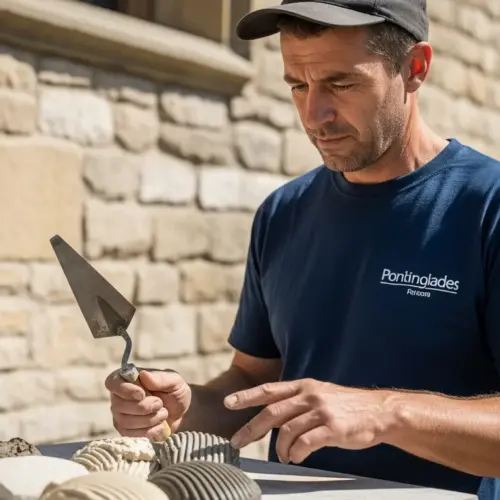

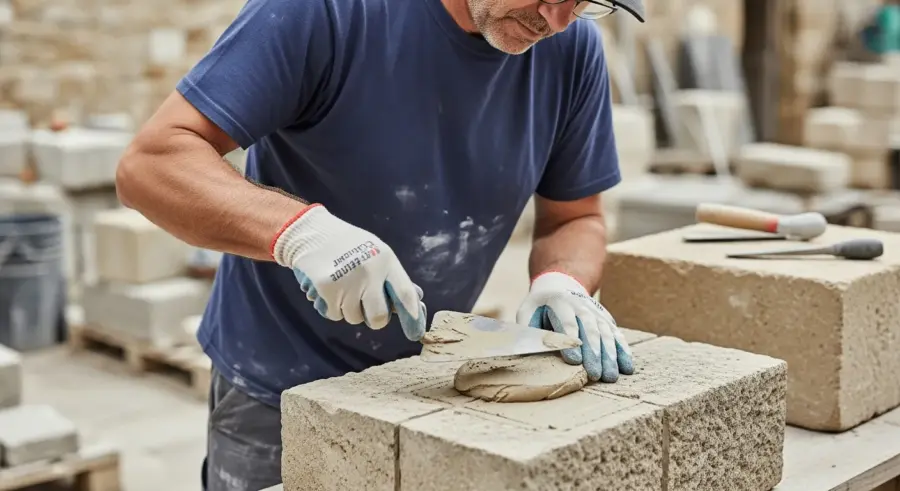
Natural stone structures possess an inherent beauty and durability that has captivated civilizations for centuries. However, time, environmental factors, and even well-intentioned but misguided repairs can take their toll.
Restoring these structures requires a delicate balance of respecting the original materials and techniques while ensuring longevity for future generations. Natural Hydraulic Lime, or NHL, is an invaluable material in achieving this balance, offering a sympathetic and sustainable approach to stone restoration.
This article examines the properties, uses, and benefits of NHL in stone restoration, providing a comprehensive guide for professionals and enthusiasts alike. We’ll explore the different grades of NHL, proper mixing and application techniques, and real-world case studies that demonstrate its effectiveness in preserving our architectural heritage.
Understanding Natural Hydraulic Lime (NHL)
Natural Hydraulic Lime is a type of lime that sets and hardens through a chemical reaction with water, known as a hydraulic set. This is in contrast to non-hydraulic lime, which requires exposure to air to carbonate and harden.
NHL is produced by burning limestone containing natural impurities, such as clay minerals. These impurities, primarily silica and alumina, react with the lime during the burning process to form calcium silicates and aluminates.
These compounds are responsible for the hydraulic properties of the lime, allowing it to set even in damp or underwater conditions. The presence of these reactive compounds distinguishes NHL from other types of lime, giving it unique properties beneficial for stone restoration.
The hydraulic set provides an initial strength and resistance to weathering, while the remaining free lime carbonates over time, contributing to long-term durability. This dual-setting mechanism makes NHL a versatile and reliable material for a wide range of applications in construction and conservation.
To further clarify, the hydraulic set is crucial for situations where air exposure is limited. Consider foundations, retaining walls, or even thick masonry where the core might not fully carbonate for years.
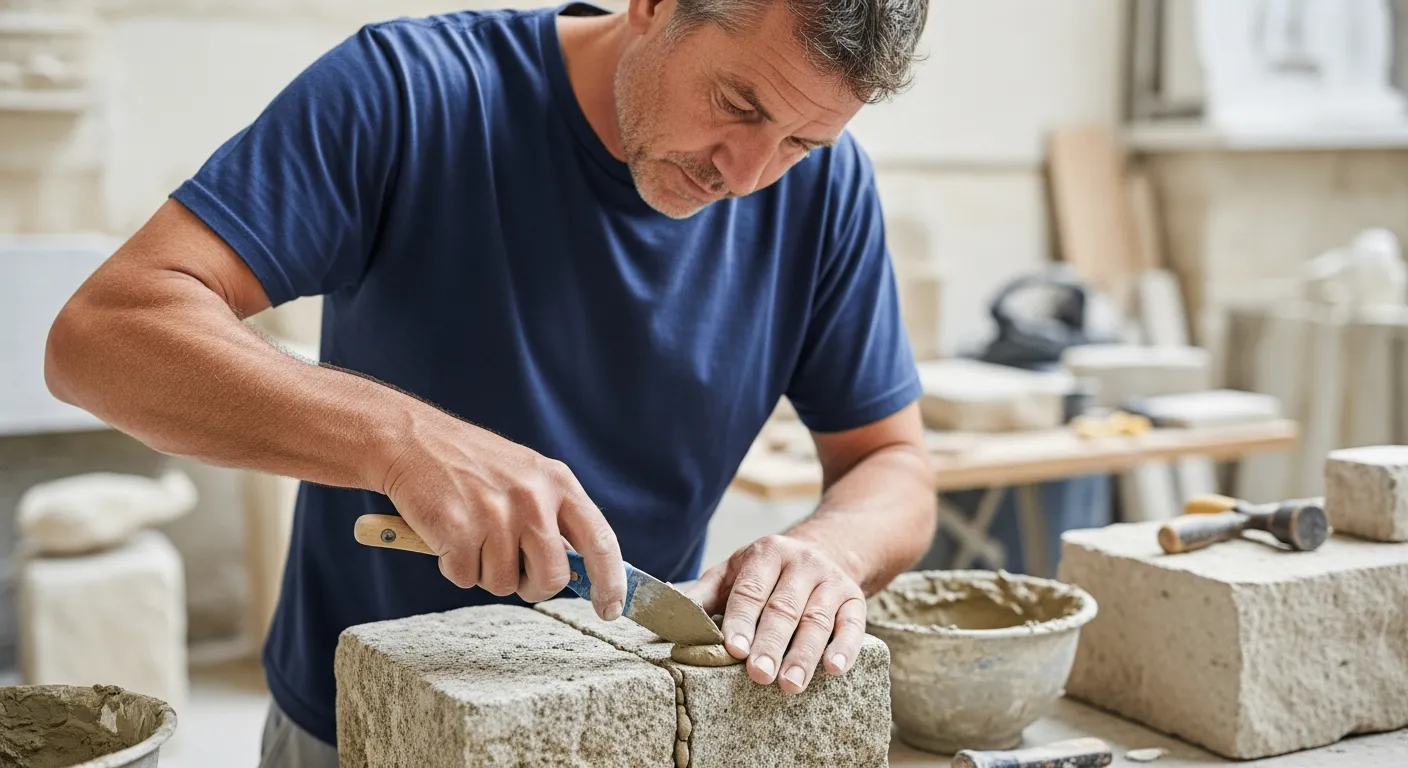
Non-hydraulic lime, while excellent in certain applications, relies solely on carbon dioxide from the air to react with the calcium hydroxide. This process is slow and requires a porous environment for the CO2 to penetrate.
The impurities in the limestone are not simply unwanted additions; they are essential components that give NHL its hydraulic properties. The specific type and quantity of these impurities will influence the grade and performance of the NHL.
Therefore, understanding the source of the limestone and the manufacturing process is critical when selecting the appropriate NHL for a particular restoration project. Different regions produce limestone with varying mineral compositions, leading to NHL with distinct characteristics.
The Hydraulic Setting Process of NHL
The hydraulic setting process of Natural Hydraulic Lime is a complex chemical reaction that occurs when NHL is mixed with water. The calcium silicates and aluminates present in NHL react with water to form hydrated compounds.
These hydrated compounds interlock and crystallize, creating a strong and durable matrix. This process is similar to the setting of cement, but with some key differences that make NHL particularly suitable for stone restoration.
One important difference is that the hydraulic reaction in NHL is slower and less exothermic (heat-generating) than that of cement. This slower setting process allows for a more gradual development of strength, reducing the risk of cracking and shrinkage, which can be detrimental to historic masonry.
Additionally, the carbonation process continues alongside the hydraulic set, further contributing to the long-term strength and flexibility of the NHL mortar. The combination of these two setting mechanisms creates a material that is both strong and adaptable to the movements of historic structures.
The formation of these hydrated compounds is not instantaneous; it takes time for the water to fully react with the calcium silicates and aluminates. This is why the curing process is so important for NHL mortars, as it allows the hydration reactions to proceed to completion.
The slower setting time of NHL is a deliberate advantage, not a drawback. It allows the mortar to accommodate minor movements in the structure without cracking, which is essential for historic buildings that have already settled and shifted over time.
The reduced heat generated during the setting process is also beneficial, as excessive heat can cause expansion and contraction, potentially damaging the surrounding stone. This is particularly important when working with delicate or fragile stone.
Furthermore, the ongoing carbonation process contributes to the self-healing properties of NHL mortar. Small cracks that may develop over time can be filled in by the deposition of calcium carbonate, further enhancing the durability of the repair.
Benefits of Using NHL in Stone Restoration
Natural Hydraulic Lime offers a multitude of benefits when used in stone restoration projects, making it a preferred choice for conservators and preservationists. Its compatibility with historic materials is one of the most significant advantages.
Unlike modern cement-based mortars, NHL mortars are more flexible and breathable, allowing moisture to evaporate from the masonry. This breathability helps to prevent the buildup of salts within the stone, which can lead to deterioration and cracking.
| Benefit | Description | Advantage in Stone Restoration |
|---|---|---|
| Breathability | Allows moisture to evaporate | Reduces salt buildup and stone decay |
| Flexibility | Accommodates movement in structures | Prevents cracking and damage |
| Compatibility | Chemically similar to historic mortars | Minimizes adverse reactions |
| Durability | Long-lasting and weather-resistant | Ensures long-term preservation |
The flexibility of NHL mortar is crucial for accommodating the natural movements of historic buildings. These movements can be caused by temperature changes, ground settlement, or even vibrations from nearby traffic.
Cement-based mortars, being more rigid, are more likely to crack under these stresses, which can then lead to water ingress and further deterioration. NHL mortar, on the other hand, can deform slightly without cracking, maintaining the integrity of the masonry.
The breathability of NHL is also essential for preventing salt damage. Salts can be drawn into the masonry from the surrounding environment, such as groundwater or de-icing salts.
When these salts crystallize within the pores of the stone, they exert pressure that can cause the stone to crumble and decay. NHL mortar allows moisture to evaporate, carrying the salts to the surface where they can be more easily removed, minimizing the risk of salt damage.
Furthermore, the chemical compatibility of NHL with historic materials helps to prevent adverse reactions. Many historic mortars were made with lime-based materials, so using NHL for repairs ensures that the new mortar is chemically similar to the old mortar.
This reduces the risk of chemical incompatibility, which can lead to the breakdown of the mortar and the deterioration of the stone. The long-term durability of NHL is another significant advantage.
When properly mixed and applied, NHL mortar can last for centuries, providing a durable and weather-resistant repair that will protect the historic fabric for future generations. This makes it a sustainable choice for stone restoration, as it reduces the need for frequent repairs and replacements.
Different Grades of NHL and Their Applications
Natural Hydraulic Lime is available in different grades, each with varying levels of hydraulic properties, influencing their strength and setting time. The grades are typically designated as NHL 2, NHL 3.5, and NHL 5.
The number indicates the approximate compressive strength of the lime mortar after 28 days, measured in megapascals (MPa). Selecting the appropriate grade of NHL is crucial for ensuring the success and longevity of a stone restoration project.
NHL 2 is the feeblest hydraulic lime, with the lowest strength and slowest setting time. It is ideal for delicate restoration work on soft or fragile stones, where minimal intervention is required.
NHL 3.5 offers a moderate level of strength and a medium setting time, making it suitable for a wide range of general restoration applications. It can be used for pointing, rendering, and bedding stones in moderately exposed locations.
NHL 5 is the most hydraulic and strongest grade, with the fastest setting time. It is appropriate for use in more demanding situations, such as exposed locations, structural repairs, or when working with harder, less porous stones.
The choice of NHL grade should always be based on a careful assessment of the existing masonry, the environmental conditions, and the desired outcome of the restoration project. Consulting with a qualified conservator or experienced stone mason is highly recommended to ensure the correct selection.
Beyond the three main grades, variations and sub-grades may exist depending on the manufacturer and specific limestone source. Always consult the product data sheet for precise specifications and recommendations.
The selection process should involve considering the existing mortar’s properties, including its strength, porosity, and flexibility. Matching the new mortar to the existing mortar is crucial for ensuring compatibility and preventing differential weathering.
Environmental factors, such as exposure to rain, wind, and freeze-thaw cycles, will also influence the choice of NHL grade. More exposed locations may require a stronger, more hydraulic lime, while sheltered locations may be suitable for a weaker, less hydraulic lime.
The type of stone being used is another important consideration. Softer stones, such as sandstone or limestone, may require a weaker NHL grade to avoid damaging the stone. Harder stones, such as granite or basalt, can tolerate a stronger NHL grade.
Proper Mixing and Application Techniques for NHL Mortar
Proper mixing and application techniques are essential for achieving optimal results with NHL mortar. The mixing process should be thorough and consistent to ensure that the lime is fully hydrated and evenly distributed throughout the mortar.
Traditionally, NHL mortar is mixed by hand using a shovel or hoe, but mechanical mixers can also be used, especially for larger projects. The water used for mixing should be clean and free from impurities, such as salts or organic matter, which can interfere with the setting process.
- Use clean, potable water
- Mix thoroughly to a consistent consistency
- Avoid over-watering the mix
- Apply in multiple thin layers
- Protect from extreme weather during curing
The consistency of the mortar should be plastic and workable, but not too wet or too dry. A good test is to form a ball of mortar in your hand; it should hold its shape without crumbling or slumping.
Before applying the mortar, the stone surfaces should be thoroughly cleaned and wetted. This helps to improve the bond between the mortar and the stone.
The mortar should be applied in thin layers, typically no more than 10-15 mm thick. This allows the mortar to dry and carbonate evenly, reducing the risk of cracking.
After application, the mortar should be protected from extreme weather conditions, such as direct sunlight, rain, and frost. Covering the mortar with damp hessian or plastic sheeting can help to maintain a consistent moisture level and promote proper curing.
Case Studies: NHL in Historic Stone Restoration Projects
Numerous successful stone restoration projects demonstrate the effectiveness of Natural Hydraulic Lime in preserving historic structures. One notable example is the restoration of York Minster, a magnificent Gothic cathedral in England.
Extensive repairs were carried out using NHL mortar to replace deteriorated cement-based mortars, which had been trapping moisture and causing damage to the limestone fabric. The use of NHL allowed the stone to breathe, reducing the risk of further deterioration and ensuring the long-term stability of the structure.
Another compelling case study is the restoration of the Roman Baths in Bath, England. NHL mortar was used to repair and repoint the ancient masonry, providing a durable and compatible material that could withstand the damp conditions and constant exposure to thermal waters.
The breathability of the NHL mortar helped to prevent the buildup of salts from the thermal waters, preserving the integrity of the Roman stonework. These case studies, among many others, illustrate the value of NHL in preserving our architectural heritage.
These projects show the careful selection of appropriate NHL grades, combined with skilled craftsmanship, is essential for achieving successful and sustainable restoration outcomes. The use of NHL has proven to be a sympathetic and effective approach to stone conservation.
In the restoration of the Doge’s Palace in Venice, Italy, NHL was employed to address the challenges posed by the lagoon environment. The constant exposure to saltwater and humidity required a mortar that could resist salt crystallization and maintain its integrity over time.
Another significant project is the ongoing conservation of the Great Wall of China. Sections of the wall that had been damaged by erosion and human activity were repaired using NHL mortar, ensuring the preservation of this iconic landmark.
The use of NHL in these diverse projects highlights its versatility and adaptability to different climates, materials, and structural conditions. Each project underscores the importance of careful planning, material selection, and skilled execution in achieving successful restoration outcomes.
These examples serve as valuable lessons for future stone restoration endeavors, demonstrating the long-term benefits of using NHL to preserve our architectural heritage. The success of these projects relies heavily on the expertise of conservators and skilled artisans.
The Importance of Breathability in Masonry
Breathability in masonry refers to the ability of a material to allow moisture to pass through it, either in liquid or vapor form. This is a critical property for historic buildings, which were typically constructed using materials that allowed for natural moisture movement.
When non-breathable materials, such as modern cement-based mortars, are used in the repair of historic masonry, they can trap moisture within the walls. This can lead to a variety of problems, including the buildup of salts, freeze-thaw damage, and the growth of mold and algae.
Breathable materials, such as Natural Hydraulic Lime, allow moisture to evaporate from the masonry, preventing these problems. This helps to maintain a stable and healthy environment within the building and prolongs the lifespan of the historic fabric.
The breathability of NHL is due to its porous structure, which allows water vapor to diffuse through the material. This is in contrast to cement-based mortars, which are much denser and less permeable.
The concept of breathability is often misunderstood, with some believing it simply refers to the ability of a material to “breathe” like a living organism. In reality, it’s about managing moisture and allowing it to escape without causing damage.
The consequences of using non-breathable materials can be severe, leading to accelerated deterioration and costly repairs. Trapped moisture can also create a breeding ground for insects and pests, further damaging the structure.
The benefits of breathability extend beyond the building itself, contributing to a healthier indoor environment. By allowing moisture to escape, breathable materials can help to prevent the growth of mold and mildew, which can trigger allergies and respiratory problems.
Therefore, breathability is not just a technical consideration; it’s an essential aspect of responsible building conservation and sustainable construction. Prioritizing breathability is key to preserving the long-term health and integrity of historic buildings.
NHL vs. Cement: A Comparative Analysis
When considering materials for stone restoration, it is essential to understand the differences between Natural Hydraulic Lime and cement-based mortars. Cement is a strong and durable material, but it is also relatively inflexible and non-breathable.
These properties can make it unsuitable for use in historic buildings, where flexibility and breathability are essential for preserving the integrity of the structure. NHL, on the other hand, offers a more sympathetic and sustainable approach to stone restoration.
NHL is more flexible than cement, allowing it to accommodate the movements of historic buildings without cracking. It is also more breathable, allowing moisture to evaporate from the masonry and preventing the buildup of salts.
While cement may be appropriate for some modern construction projects, NHL is generally the preferred choice for stone restoration due to its compatibility with historic materials and its ability to promote long-term preservation. The choice between NHL and cement should be made after careful consideration.
The strength of cement can actually be detrimental in the context of historic buildings. Its rigidity can cause it to act as a dam, preventing moisture from escaping and concentrating stresses on the surrounding stone.
The long-term performance of NHL is often superior to that of cement in historic settings. While cement may initially appear stronger, it is more prone to cracking and deterioration over time, requiring more frequent repairs.
The environmental impact of NHL is also generally lower than that of cement. Cement production is a highly energy-intensive process that releases significant amounts of carbon dioxide into the atmosphere.
NHL production, on the other hand, typically involves lower temperatures and less energy, making it a more sustainable choice. Therefore, a holistic assessment that considers strength, durability, breathability, compatibility, and environmental impact is crucial when selecting a mortar for stone restoration.
Addressing Common Concerns About NHL
Despite its many benefits, some concerns are often raised regarding the use of Natural Hydraulic Lime in stone restoration. One common concern is its perceived lower strength compared to cement-based mortars.
While it is true that NHL is generally not as strong as cement, it is important to remember that strength is not always the most important factor in stone restoration. The flexibility and breathability of NHL are often more critical for preserving the long-term integrity of historic structures.
Another concern is the longer setting time of NHL compared to cement. This can require more time and patience during the restoration process, but it also allows for a more gradual development of strength, reducing the risk of cracking and shrinkage.
Additionally, some people may be concerned about the cost of NHL, which can be higher than that of cement. However, the long-term benefits of NHL in terms of preservation and reduced maintenance costs often outweigh the initial expense.
The perceived lower strength of NHL is often a misconception based on comparing it directly to modern cement. Historic structures were not designed to withstand the immense compressive forces that cement can provide.
The slower setting time of NHL is not a disadvantage, but rather an opportunity for the mortar to adapt to the surrounding environment. This gradual setting allows for better bonding and reduces the risk of stress concentrations.
While the initial cost of NHL may be higher, the long-term savings can be significant. By preventing moisture damage and reducing the need for frequent repairs, NHL can save building owners money in the long run.
Addressing these concerns requires education and a shift in perspective. Understanding the unique properties of NHL and its suitability for historic buildings is essential for making informed decisions about stone restoration.
Conclusion
Natural Hydraulic Lime is an invaluable material for stone restoration, offering a sympathetic and sustainable approach to preserving our architectural heritage. Its unique properties, including breathability, flexibility, and compatibility with historic materials, make it a superior choice over modern cement-based mortars.
By understanding the different grades of NHL, proper mixing and application techniques, and the benefits it offers, professionals and enthusiasts can ensure the successful and long-lasting restoration of stone structures for generations to come. The careful use of NHL is essential for preserving the beauty and integrity of our built environment.
The future of stone restoration lies in embracing sustainable and compatible materials like NHL. By prioritizing the long-term health and integrity of historic buildings, we can ensure that they continue to inspire and enrich our lives for centuries to come.
Investing in the knowledge and skills necessary to work with NHL is essential for preserving our architectural heritage. Training programs and educational resources are available to help professionals and enthusiasts learn the art and science of stone restoration.
Let us continue to advocate for the use of NHL and other sustainable materials in stone restoration, ensuring that our historic buildings are preserved for the enjoyment and education of future generations. The legacy we leave behind will be a testament to our commitment to preserving our cultural heritage.