
Achieving a professional finish on stone surfaces requires more than just elbow grease. It demands a thorough understanding of the process, the right tools, and, most importantly, the best stone polishing compounds available.
Whether you’re working on a delicate marble countertop or a robust granite monument, selecting the appropriate polishing compound is essential for bringing out the stone’s natural beauty and ensuring a lasting shine. This article will guide you through the different types of polishing compounds, their applications, and the techniques needed to achieve a professional-quality finish.
We’ll explore the nuances of diamond polishing compounds, abrasive compounds, and the effective use of polishing pads, ensuring you have the knowledge to transform dull stone into a gleaming masterpiece. Let’s get started.
Understanding Stone Polishing
Stone polishing is the process of refining a stone surface to achieve a smooth, reflective finish. This involves a series of steps, starting with coarse abrasives to remove imperfections and gradually moving to finer abrasives to refine the surface.
The goal is to eliminate scratches and create a surface that reflects light evenly, enhancing the stone’s natural color and texture. The effectiveness of stone polishing depends heavily on the quality of the polishing compounds used and the technique employed.
Different types of stone require different approaches to polishing. Softer stones like marble need gentler compounds, while harder stones like granite can withstand more aggressive abrasives.
Understanding the specific properties of the stone you’re working with is crucial for selecting the right polishing compounds and achieving the desired finish. It is important to consider the stone’s hardness, porosity, and mineral composition.
The process begins with removing any existing coatings or sealants. This is typically done using chemical strippers or mechanical methods like grinding.
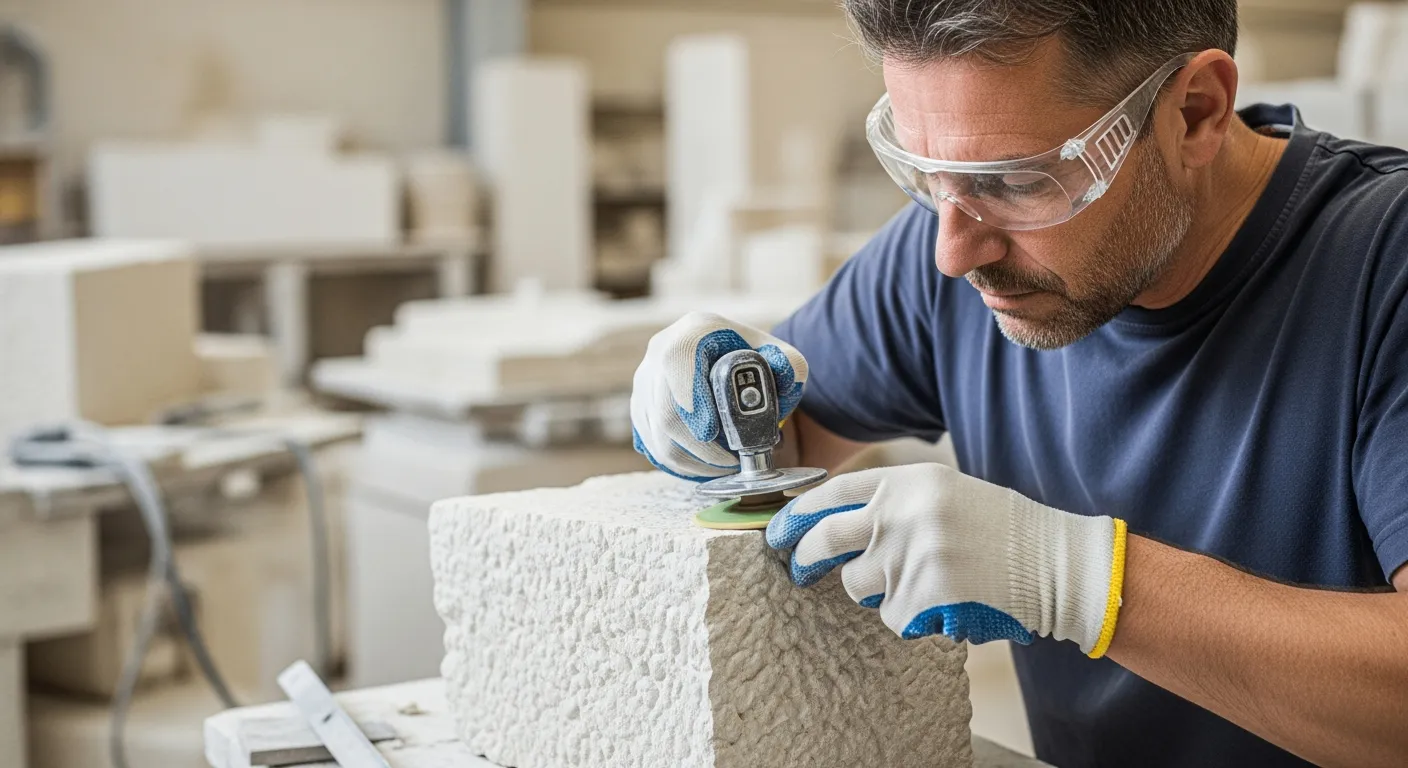
After the surface is clean and free of any previous treatments, the polishing process can begin. The first step usually involves using a coarse abrasive to remove any deep scratches or imperfections.
As the polishing progresses, finer and finer abrasives are used to refine the surface. This gradual process is crucial for achieving a smooth, reflective finish.
The final step involves using a polishing compound to bring out the stone’s natural shine. This compound typically contains very fine abrasives that gently polish the surface to a high gloss.
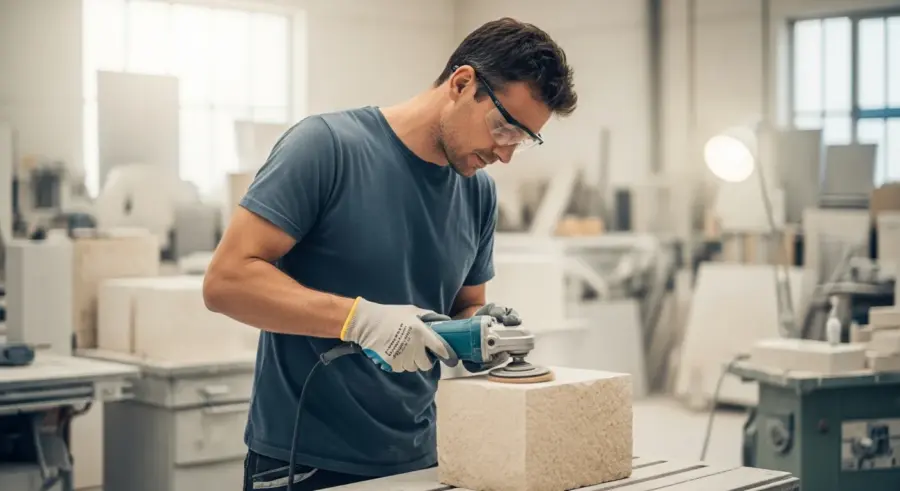
The success of stone polishing also relies on using the correct equipment. This includes polishing machines, grinding tools, and a variety of polishing pads.
Proper technique is essential for achieving a professional-quality finish. This involves using the correct pressure, speed, and polishing pattern.
Types of Polishing Compounds
Polishing compounds come in various forms, each designed for a specific stage of the polishing process. These include diamond polishing compounds, abrasive compounds, and specialty compounds for specific types of stone.
Diamond compounds are generally used for the final stages of polishing, while abrasive compounds are used for the initial stages of grinding and smoothing. The choice of compound depends on the type of stone, the desired finish, and the equipment being used.
It’s also important to consider the form of the compound, such as paste, liquid, or powder. Each form has its own advantages and disadvantages in terms of application and effectiveness.
For instance, pastes are easy to apply and control, while liquids are better for large surfaces. Powders require mixing but can offer greater control over the concentration of abrasives.
Abrasive compounds typically consist of materials like silicon carbide or aluminum oxide. These compounds are used to remove scratches and level the stone surface.
Diamond polishing compounds, on the other hand, contain tiny diamond particles suspended in a carrier medium. These compounds are used to achieve a high-gloss finish.
Specialty compounds may contain ingredients like cerium oxide or tin oxide. These are often used for specific types of stone, such as marble or granite.
The selection of the appropriate polishing compound is critical for achieving the desired results. Consider the hardness, porosity, and mineral composition of the stone.
Always read and follow the manufacturer’s instructions for the polishing compound you are using. This will ensure that you are using the compound correctly and safely.
It is also important to test the polishing compound on a small, inconspicuous area of the stone before applying it to the entire surface. This will help you to determine if the compound is compatible with the stone and if it will produce the desired results.
Diamond Polishing Compounds: The Standard
Diamond polishing compounds are considered the gold standard for achieving a high-gloss finish on stone surfaces. These compounds contain tiny diamond particles suspended in a carrier medium, such as a paste or liquid.
The diamond particles act as extremely fine abrasives, gently removing microscopic imperfections and creating a highly reflective surface. They are particularly effective on hard stones like granite, quartz, and engineered stone.
| Diamond Grit Size | Application | Expected Result |
|---|---|---|
| 50-100 | Initial polishing, removing deep scratches | Rough, matte finish |
| 200-400 | Intermediate polishing, refining the surface | Smooth, but not yet reflective |
| 800-1500 | Pre-polishing, preparing for final polish | Slightly reflective, minimal scratches |
| 3000+ | Final polishing, achieving high gloss | Highly reflective, mirror-like finish |
The effectiveness of diamond polishing compounds depends on the grit size of the diamond particles. Coarser grits are used for initial polishing, while finer grits are used for achieving the final high-gloss finish.
Diamond compounds are available in various grit sizes, ranging from coarse to very fine. The grit size is typically measured in microns or mesh.
Coarser grits are used to remove deep scratches and imperfections from the stone surface. Finer grits are used to refine the surface and achieve a high-gloss finish.
The choice of grit size depends on the type of stone and the desired finish. Harder stones typically require coarser grits, while softer stones require finer grits.
Diamond polishing compounds can be applied using a variety of tools, including polishing pads, grinding wheels, and hand-held polishers. The choice of tool depends on the size and shape of the stone surface.
When using diamond polishing compounds, it is important to follow the manufacturer’s instructions carefully. This will ensure that you are using the compound correctly and safely.
It is also important to wear appropriate safety gear, such as eye protection and a dust mask. This will protect you from the dust and debris that can be generated during the polishing process.
Abrasive Compounds: For Initial Polishing
Abrasive compounds are used in the early stages of stone polishing to remove significant imperfections and level the surface. These compounds typically contain coarser abrasive particles made from materials like silicon carbide, aluminum oxide, or cerium oxide.
They are designed to be aggressive enough to remove scratches, stains, and other surface defects, but they also leave a rougher finish that requires further refinement. Abrasive compounds are available in various forms, including powders, pastes, and liquids.
The choice of abrasive compound depends on the type of stone and the severity of the surface damage. Softer stones require milder abrasives, while harder stones can withstand more aggressive compounds.
It’s important to follow the manufacturer’s instructions carefully when using abrasive compounds. Overuse can lead to excessive material removal and damage to the stone surface.
Proper preparation of the stone surface is essential before applying abrasive compounds. This includes cleaning the surface thoroughly and removing any loose debris or contaminants.
Also, ensure that the abrasive compound is compatible with the polishing pads or tools being used. Using incompatible materials can reduce the effectiveness of the polishing process and even damage the stone surface.
Silicon carbide is a very hard and aggressive abrasive. It is often used for removing deep scratches and leveling uneven surfaces.
Aluminum oxide is a less aggressive abrasive than silicon carbide. It is often used for refining the surface after using silicon carbide.
Cerium oxide is a very fine abrasive that is often used for polishing glass and other delicate materials. It can also be used for polishing stone, but it is not as effective as silicon carbide or aluminum oxide for removing deep scratches.
When using abrasive compounds, it is important to use plenty of water to keep the surface cool and to prevent the abrasive from clogging. The water also helps to carry away the debris that is removed during the polishing process.
It is also important to use a consistent polishing pattern to ensure that the surface is evenly polished. Avoid applying too much pressure, as this can damage the stone surface.
Using Polishing Pads Effectively
Polishing pads are essential tools for applying polishing compounds and achieving a smooth, consistent finish. They come in various materials, sizes, and levels of abrasiveness, each designed for a specific stage of the polishing process.
Diamond polishing pads are commonly used with diamond polishing compounds, while felt pads are often used for final polishing with specialty compounds. The effectiveness of polishing pads depends on their quality, the material they’re made from, and the technique used to apply them.
- Use the correct pad for each polishing stage
- Keep pads clean and free of debris
- Apply even pressure
- Work in overlapping patterns
- Use water to keep the surface cool
It’s important to select the right type of polishing pad for the specific polishing compound and the type of stone being worked on. Using the wrong pad can result in uneven polishing, scratches, or other surface defects.
Diamond polishing pads are typically made of resin or metal and have diamond particles embedded in them. These pads are very effective for polishing hard stones like granite and quartz.
Felt pads are made of soft, absorbent material. These pads are often used for applying polishing compounds and for achieving a high-gloss finish.
Foam pads are made of open-cell foam. These pads are often used for applying sealers and waxes.
When using polishing pads, it is important to keep them clean and free of debris. Dirty pads can scratch the stone surface.
It is also important to apply even pressure when polishing. Uneven pressure can result in uneven polishing.
Work in overlapping patterns to ensure that the entire surface is polished. This will help to create a consistent finish.
Use water to keep the surface cool and to prevent the polishing compound from drying out. This will help to prevent scratches and other surface defects.
Achieving a High-Gloss Finish
Achieving a high-gloss finish on stone requires patience, attention to detail, and the right combination of polishing compounds and techniques. The process typically involves multiple stages of polishing, starting with coarser abrasives and gradually moving to finer abrasives.
Each stage is designed to remove scratches and imperfections left by the previous stage, creating a progressively smoother surface. The final stage involves using a very fine diamond polishing compound or a specialty polishing compound to achieve a highly reflective, mirror-like finish.
Proper surface preparation is essential for achieving a high-gloss finish. This includes cleaning the surface thoroughly, removing any stains or contaminants, and ensuring that the surface is level and free of major imperfections.
It’s also important to use the correct amount of polishing compound and to apply it evenly across the surface. Overuse of polishing compound can lead to a hazy finish, while underuse can result in uneven polishing.
The polishing process should be performed in a well-ventilated area, and appropriate safety precautions should be taken, such as wearing eye protection and a dust mask. It is also important to maintain a consistent polishing speed and pressure throughout the process.
Regularly inspect the surface to check for scratches or imperfections, and adjust the polishing technique as needed. With patience and attention to detail, a professional-quality high-gloss finish can be achieved on a variety of stone surfaces.
The final polishing stage often involves using a very fine diamond polishing compound with a grit size of 3000 or higher. This compound will remove any remaining scratches and create a highly reflective surface.
A buffing pad can also be used to further enhance the gloss. This pad will gently polish the surface and remove any remaining haze.
The key to achieving a high-gloss finish is to be patient and methodical. Take your time and work through each stage of the polishing process carefully.
Regularly inspect the surface to check for scratches or imperfections. If you find any, go back to the previous stage and polish the area again.
With practice, you will be able to achieve a professional-quality high-gloss finish on a variety of stone surfaces.
Special Considerations for Different Stone Types
Different types of stone have unique properties that require specific polishing techniques and compounds. Marble, for example, is a relatively soft stone that is prone to scratching and staining.
It requires gentler polishing compounds and techniques to avoid damaging the surface. Granite, on the other hand, is a much harder stone that can withstand more aggressive polishing compounds.
However, granite can also be more difficult to polish to a high-gloss finish due to its dense structure. Limestone is a porous stone that can absorb polishing compounds and stains.
It requires special care to avoid discoloration and to ensure that the polishing compounds are properly removed after polishing. Engineered stone, such as quartz countertops, is a composite material that can be polished using techniques similar to those used for granite.
However, it’s important to use polishing compounds that are specifically designed for engineered stone to avoid damaging the surface. Always consult the manufacturer’s instructions and guidelines for polishing specific types of stone to ensure the best results.
For marble, use polishing compounds specifically formulated for soft stones. Avoid using harsh chemicals or abrasive cleaners.
For granite, use diamond polishing compounds with a grit size appropriate for the desired finish. Start with a coarser grit and gradually move to finer grits.
For limestone, use a pH-neutral cleaner and avoid using acidic substances. Seal the surface after polishing to protect it from stains.
For engineered stone, use polishing compounds specifically designed for quartz countertops. Follow the manufacturer’s instructions carefully.
Always test the polishing compound on a small, inconspicuous area of the stone before applying it to the entire surface. This will help you to determine if the compound is compatible with the stone and if it will produce the desired results.
Maintenance and Aftercare
Once a stone surface has been polished to a high-gloss finish, proper maintenance and aftercare are essential to preserve its appearance and prevent damage. Regular cleaning with a pH-neutral stone cleaner is recommended to remove dirt, dust, and other contaminants.
Avoid using harsh chemicals, abrasive cleaners, or acidic substances, as these can damage the polished surface. Protect the surface from scratches and stains by using coasters, placemats, and cutting boards.
Applying a stone sealer can help to protect the surface from stains and moisture penetration. Reapply the sealer periodically, following the manufacturer’s instructions.
Regularly inspect the surface for any signs of damage, such as scratches, stains, or etching. Address any issues promptly to prevent further damage.
Professional polishing may be required periodically to restore the surface to its original high-gloss finish. With proper maintenance and aftercare, a polished stone surface can maintain its beauty and elegance for many years.
Always use a clean, soft cloth or mop when cleaning the surface. Avoid using abrasive materials, as these can scratch the polished finish.
Wipe up spills immediately to prevent stains. Some substances, such as coffee, wine, and citrus juice, can etch the stone surface if left for too long.
Use coasters under glasses and placemats under dishes to protect the surface from scratches and stains. Avoid placing hot items directly on the stone surface.
Reapply the stone sealer every few years, or as recommended by the manufacturer. This will help to protect the surface from stains and moisture penetration.
If you notice any scratches, stains, or etching, contact a professional stone restoration company for assistance. They can repair the damage and restore the surface to its original high-gloss finish.
Conclusion
Achieving a professional finish when polishing stone requires a combination of knowledge, skill, and the right materials. Selecting the best stone polishing compounds, including diamond polishing compounds and abrasive compounds, is crucial for achieving the desired results.
By understanding the properties of different types of stone, using polishing pads effectively, and following proper maintenance procedures, you can transform dull stone surfaces into gleaming masterpieces. Remember to always prioritize safety and follow manufacturer’s instructions for the best and safest results.
Stone polishing is an art and a science. With the right approach, you can enhance the natural beauty of stone and create stunning surfaces that will last for years to come.
Remember to always prioritize safety and wear appropriate protective gear, such as eye protection and a dust mask. This will protect you from the dust and debris that can be generated during the polishing process.
By following the tips and techniques outlined in this article, you can achieve a professional-quality finish on a variety of stone surfaces. Good luck with your stone polishing projects!