
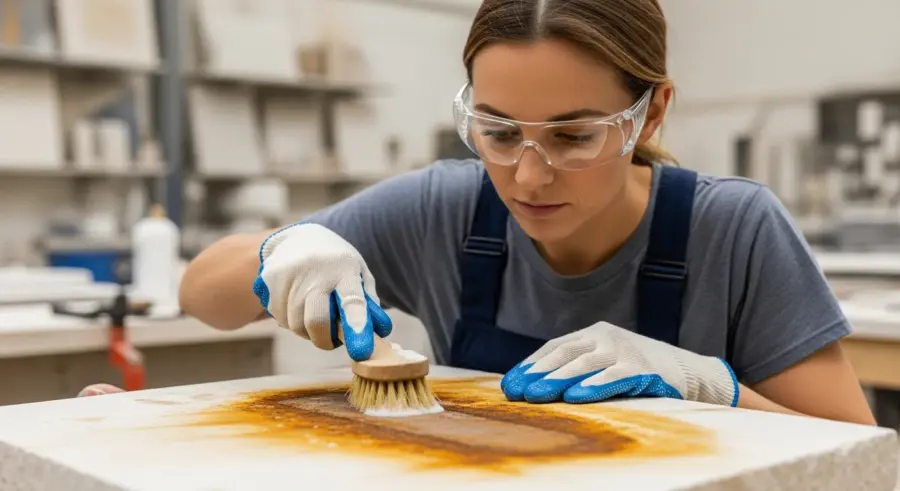
Rust stains on stone surfaces can be an eyesore, detracting from the natural beauty of your patios, walkways, or building facades. The unsightly orange or brown discoloration is caused by iron oxide, which forms when iron reacts with water and oxygen. Fortunately, with the right techniques and products, you can effectively remove these stains and restore your stone to its former glory.
This guide will provide a step-by-step approach to tackling rust stains, focusing on safe and effective methods for using rust removers on stone. We’ll cover everything from identifying the type of stone you’re dealing with to implementing preventative measures that keep rust at bay, ensuring your stone surfaces remain pristine for years to come.
Whether you’re a homeowner dealing with a small stain on your patio or a professional stone mason working on a larger project, understanding the nuances of rust removal is essential. With the knowledge shared here, you’ll be well-equipped to handle rust stains of all sizes and complexities.
Identifying Rust Stains on Stone
Before you start using rust removers on stone, it’s important to confirm that the discoloration is indeed rust and not another type of stain. Rust stains typically appear as orange, brown, or yellowish-brown spots or streaks.
They often occur near metal objects, such as iron railings, screws, or even certain types of fertilizers. Other stains, like those from organic matter or minerals, may resemble rust but require different cleaning approaches.
To accurately identify rust, consider the location and surrounding materials. If the stain is near a metal object that’s showing signs of corrosion, it’s highly likely to be rust.
You can also perform a simple test: apply a small amount of rust remover in an inconspicuous area. If the stain lightens or disappears, you’re likely dealing with rust.
It’s also helpful to examine the texture of the stain. Rust stains often have a slightly rough or powdery texture, especially if they’ve been present for a while.
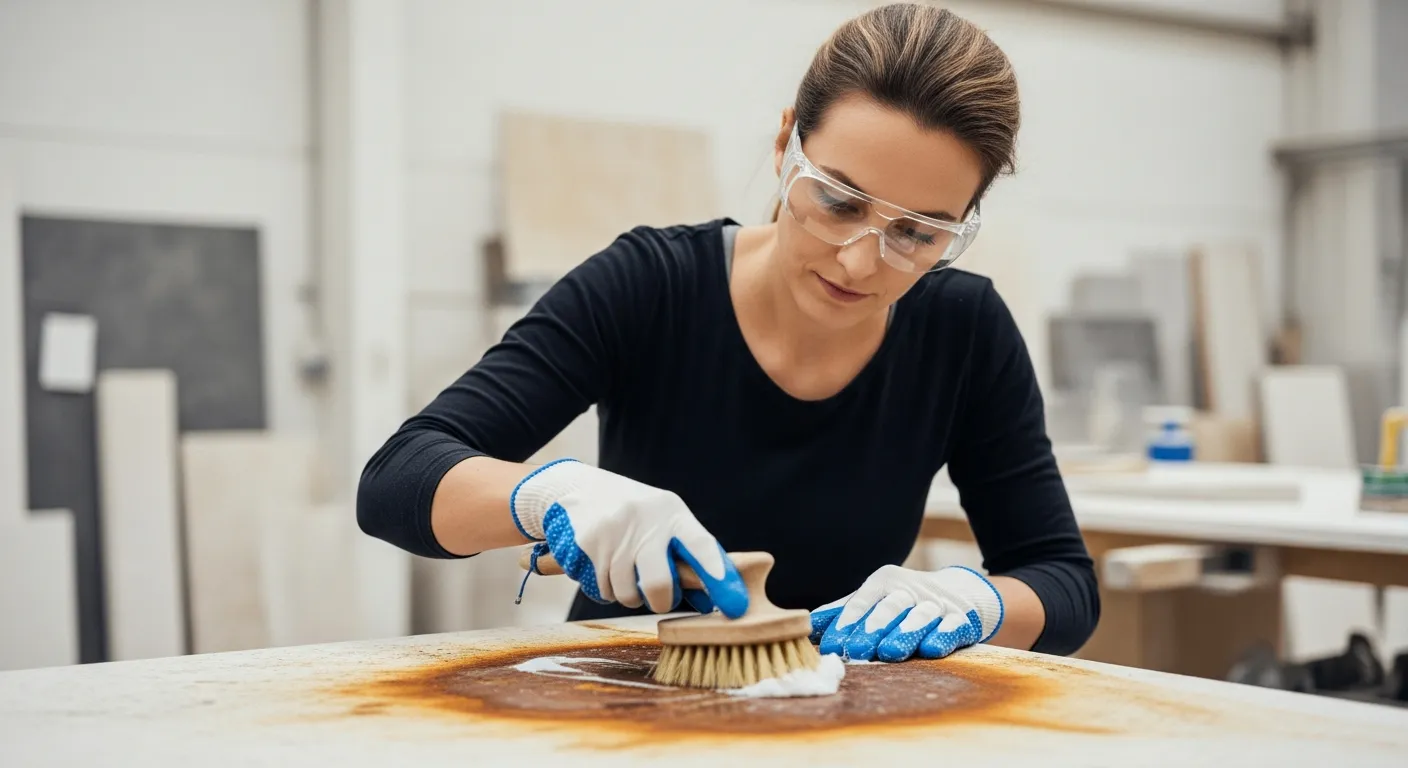
Other types of stains, such as organic stains from leaves or berries, may have a smoother, more even appearance. Mineral stains, on the other hand, might have a crystalline or crusty texture.
Consider the history of the area where the stain is located. Has there been any recent construction or landscaping work that could have introduced iron particles to the stone?
Knowing the source of the stain can help you confirm whether it’s rust and choose the appropriate removal method. If you’re still unsure, consulting with a stone care professional can provide a definitive diagnosis.
Safety Precautions When Using Rust Removers
Working with chemical rust removers requires careful attention to safety. Many of these products contain acids or other corrosive substances that can harm your skin, eyes, and respiratory system.
Always wear appropriate personal protective equipment (PPE), including gloves, eye protection, and a respirator or mask, especially when working in enclosed spaces. Proper ventilation is also crucial to minimize exposure to harmful fumes.
Read the product label carefully and follow the manufacturer’s instructions for use and disposal. Avoid mixing different chemical rust removers, as this can create dangerous reactions.
If you’re unsure about the safety of a particular product or technique, consult with a professional stone restoration specialist. They can provide guidance on safe handling and application practices.
When selecting gloves, opt for those made of a chemical-resistant material, such as nitrile or neoprene. Avoid latex gloves, as they may not provide adequate protection against the chemicals in rust removers.
Eye protection is essential to prevent splashes or fumes from irritating or damaging your eyes. Wear safety goggles or a full-face shield to ensure complete coverage.
A respirator or mask is crucial for protecting your respiratory system from harmful fumes. Choose a respirator that is specifically designed to filter out acid vapors or other chemicals present in the rust remover.
If you experience any irritation or discomfort while using rust removers, stop immediately and seek fresh air. If symptoms persist, consult a medical professional.
Chemical Rust Removers: Application and Risks
Chemical rust removers are often the go-to solution for stubborn rust stains on stone. These products typically contain acids, such as hydrochloric, oxalic, or phosphoric acid, which dissolve the iron oxide and lift it from the stone’s surface.
While effective, chemical rust removers pose several risks that must be carefully considered. The acidity can etch or discolor certain types of stone, particularly those containing calcium carbonate, like marble or limestone.
| Stone Type | Acid Sensitivity | Recommended Rust Removal Method |
|---|---|---|
| Granite | Low | Chemical rust removers (with caution) |
| Marble | High | Poultice rust removal |
| Limestone | High | Poultice rust removal |
| Sandstone | Moderate | Chemical rust removers (diluted) or poultice |
| Slate | Low to Moderate | Chemical rust removers (with caution) |
| Travertine | High | Poultice rust removal |
Before applying a chemical rust remover, test it in an inconspicuous area to assess its impact on the stone. Diluting the product can reduce the risk of damage, but it may also decrease its effectiveness.
Always rinse the treated area thoroughly with water after applying chemical rust removers. This helps to neutralize any remaining acid and prevent further damage to the stone.
When applying chemical rust removers, use a brush or sponge made of acid-resistant materials. Avoid using metal tools, as they can react with the acid and cause further staining.
Apply the rust remover evenly to the stained area, avoiding contact with surrounding surfaces. If the stain is particularly stubborn, you may need to reapply the rust remover several times.
Be sure to follow the manufacturer’s recommended dwell time for the rust remover. Leaving the product on for too long can increase the risk of damage to the stone.
After rinsing the treated area, inspect the stone carefully for any signs of etching or discoloration. If you notice any damage, consult with a professional stone restoration specialist.
Poultice Rust Removal: A Gentle Approach
For delicate stones or when dealing with smaller rust stains, a poultice rust removal method offers a gentler alternative to harsh chemicals. A poultice involves creating a paste that draws the rust stain out of the stone.
This method is particularly effective on porous stones like marble, limestone, and travertine, where rust can penetrate deep into the surface. The poultice is designed to absorb the rust, lifting it away without causing significant damage.
To make a rust removal poultice, mix a absorbent material, such as diatomaceous earth, baking soda, or kaolin clay, with a rust-dissolving agent. Common rust-dissolving agents include hydrogen peroxide, vinegar, or a specialized poultice rust removal solution.
Apply the paste generously over the rust stain, ensuring it’s thick enough to maintain moisture. Cover the poultice with plastic wrap to prevent it from drying out too quickly, and let it sit for 24 to 48 hours.
After the allotted time, remove the plastic wrap and allow the poultice to dry completely. Once dry, gently scrape or brush away the poultice, and rinse the area thoroughly with water.
Repeat the process if necessary, until the rust stain is significantly reduced or eliminated. Poultice rust removal may require multiple applications, but it’s a safer option for preserving the integrity of your stone.
When mixing the poultice, use distilled water to avoid introducing any additional minerals or impurities that could stain the stone. The consistency of the poultice should be similar to that of peanut butter.
Before applying the poultice, dampen the stained area with distilled water. This will help the poultice adhere to the stone and draw out the rust more effectively.
When removing the dried poultice, use a plastic scraper or brush to avoid scratching the stone. Gently work the scraper or brush in a circular motion to lift the poultice away.
After rinsing the area, inspect the stone carefully for any remaining rust stains. If necessary, repeat the poultice application until the stain is completely removed.
Preventing Future Rust Stains
Once you’ve successfully removed rust stains from your stone, taking steps to prevent their recurrence is essential. Preventing rust is far easier than removing it.
The best way to prevent rust stains is to eliminate the source of the iron. This might involve replacing iron or steel fixtures with stainless steel or aluminum, which are less prone to rusting.
- Use stainless steel or aluminum fixtures
- Apply a rust-inhibiting coating to metal surfaces
- Ensure proper drainage to prevent water accumulation
- Regularly clean stone surfaces to remove iron deposits
- Seal porous stone surfaces to prevent penetration
Applying a rust-inhibiting coating to metal surfaces can also help prevent rust from forming and staining the surrounding stone. Regular cleaning of stone surfaces to remove any iron deposits can further reduce the likelihood of rust stains.
For porous stones, consider applying a sealant to create a barrier that prevents water and iron from penetrating the surface. This is especially important in areas exposed to frequent moisture, such as patios or walkways.
Ensure proper drainage around stone surfaces to prevent water from pooling and creating a favorable environment for rust formation. Regularly inspect gutters and downspouts to ensure they are functioning properly.
When using fertilizers or other products that contain iron, be careful to avoid spilling them on stone surfaces. Clean up any spills immediately to prevent rust stains from forming.
Consider installing drip edges or overhangs to protect stone surfaces from rainwater runoff. This can help to reduce the amount of moisture that comes into contact with the stone and prevent rust stains.
Regularly inspect stone surfaces for any signs of rust or corrosion. Addressing these issues early on can prevent them from becoming more severe and difficult to remove.
Neutralizing the Stone After Rust Removal
After using chemical rust removers, it’s crucial to neutralize the stone to prevent any lingering acid from causing further damage. The acid in these removers can continue to react with the stone, leading to etching or discoloration over time.
Neutralizing involves applying a mild alkaline solution to counteract the acidity. A common neutralizing agent is a solution of baking soda and water.
Mix a few tablespoons of baking soda with a gallon of water, and apply the solution to the treated area. Let it sit for several minutes, then rinse thoroughly with clean water.
This process helps to restore the stone’s pH balance and prevent any long-term effects from the rust remover. For particularly sensitive stones, consider using a pH-neutral stone cleaner after neutralizing to ensure complete removal of any residue.
Use pH strips to test the stone’s pH level before and after neutralizing. The pH level should be around 7, which is considered neutral.
If the pH level is still acidic after neutralizing, repeat the process until it reaches a neutral level. Be sure to rinse the stone thoroughly after each application of the neutralizing solution.
For particularly stubborn acid residue, consider using a commercial neutralizing agent specifically designed for stone surfaces. These products are often more effective than baking soda and water.
After neutralizing and rinsing the stone, allow it to dry completely before applying any sealants or other protective coatings. This will help to prevent moisture from being trapped beneath the surface.
When to Call a Professional
While many rust stains can be removed with DIY methods, some situations warrant the expertise of a professional stone restoration specialist. Large or deeply embedded rust stains may require specialized equipment and techniques that are beyond the scope of a typical homeowner.
If you’ve tried various rust removal methods without success, or if you’re dealing with a valuable or historically significant stone surface, it’s best to consult a professional. They can assess the situation, identify the type of stone, and recommend the most appropriate and safest course of action.
Professionals also have access to stronger, more effective rust removal products that are not available to the general public. They can also perform repairs to any damage that the rust has caused, such as etching or pitting.
Investing in professional stone restoration can save you time, money, and potential damage in the long run. It’s always better to err on the side of caution when dealing with delicate or irreplaceable stone surfaces.
If the rust stain is located in a hard-to-reach area, such as a high wall or a narrow crevice, it may be difficult to remove it yourself. A professional stone restoration specialist will have the necessary equipment and expertise to access these areas safely and effectively.
If you’re unsure about the type of stone you’re dealing with, it’s best to consult a professional. Using the wrong rust removal method can cause irreversible damage to the stone.
If the rust stain is accompanied by other types of stains, such as organic stains or mineral deposits, a professional can provide a comprehensive cleaning solution. They can also apply protective coatings to prevent future staining.
Before hiring a professional, be sure to ask for references and check their credentials. A reputable stone restoration specialist will have the experience and expertise to handle your rust stain removal project safely and effectively.
Conclusion
Removing rust stains from stone requires a careful and informed approach. By understanding the type of stone you’re working with, taking appropriate safety precautions, and choosing the right rust removal method, you can effectively restore your stone surfaces to their original beauty.
Whether you opt for chemical rust removers or a gentle poultice, remember to test in an inconspicuous area first and always neutralize the stone afterward. And don’t forget to implement preventative measures to keep rust stains from returning in the future.
With the right knowledge and tools, you can successfully tackle rust stains on stone and maintain the beauty of your outdoor spaces. Remember to prioritize safety and consult with a professional when needed.
By following the steps outlined in this guide, you can confidently remove rust stains from your stone surfaces and enjoy their pristine appearance for years to come. A little prevention goes a long way!