
In the world of lithic conservation and stone masonry, finding materials that enhance durability and longevity is a constant pursuit. One such material that has gained significant attention in recent years is silica fume. Also known as microsilica, this byproduct of silicon and ferrosilicon alloy production has proven to be a game-changer when used as an additive in mortar mixes.
Its unique properties contribute to improved mortar strength, reduced permeability, and enhanced resistance to chemical attacks. This makes it an invaluable asset in preserving historical structures and ensuring the resilience of new stone constructions.
This article will explore the nature of silica fume, its production process, and the science behind its beneficial effects on mortar. We’ll also cover proper mixing and application techniques, potential challenges, and real-world examples of its successful implementation, providing a comprehensive guide for professionals in the field.
What is Silica Fume and How is it Produced?
Silica fume is an ultrafine powder collected as a byproduct of the production of silicon metal or ferrosilicon alloys in electric arc furnaces. The material is essentially silicon dioxide (SiO2) in amorphous (non-crystalline) form.
During the smelting process, high-purity quartz is reduced at extremely high temperatures, generating silicon monoxide (SiO) vapor. As this vapor cools and mixes with oxygen, it condenses into tiny spherical particles of silica fume.
These particles are significantly smaller than cement particles, typically ranging from 0.1 to 1 micrometer in diameter. This fineness is key to its effectiveness as a pozzolanic material.
The collection process involves capturing the fume using baghouses or electrostatic precipitators. The collected silica fume is then processed to remove impurities and ensure consistent quality for use in various applications, including mortar and concrete production.
The silicon and ferrosilicon industries have been refining their processes, leading to a more consistent and readily available supply of silica fume. This increased availability has contributed to its wider adoption in construction and conservation.
The specific properties of silica fume can vary slightly depending on the source and the production methods used. Therefore, it’s important to obtain silica fume from reputable suppliers who can provide detailed specifications and quality control data.
The color of silica fume can range from light to dark gray, depending on the level of carbon impurities present. While color is not a primary indicator of quality, it can provide some insight into the source and processing of the material.
Environmental regulations have also played a role in the increased availability of silica fume. Industries are now required to capture and utilize this byproduct, rather than releasing it into the atmosphere as a pollutant.
The Pozzolanic Reaction and its Impact on Mortar
The pozzolanic reaction is the chemical process that makes silica fume such a valuable addition to mortar. It involves the reaction between the silica fume and calcium hydroxide (Ca(OH)2), a byproduct of the hydration of cement.
In ordinary Portland cement mortar, the hydration of cement produces calcium hydroxide, which doesn’t contribute to the mortar’s strength and can be leached out over time, leading to deterioration. When silica fume is present, it reacts with this calcium hydroxide to form additional calcium silicate hydrate (C-S-H), the very compound that gives mortar its strength and durability.
This secondary hydration process reduces the amount of calcium hydroxide in the mortar matrix, making it denser and less permeable. The result is a stronger, more durable mortar that is less susceptible to chemical attack and water penetration.
The pozzolanic reaction also refines the pore structure of the mortar, reducing the size and connectivity of pores. This further decreases permeability and increases resistance to the ingress of harmful substances, such as chlorides and sulfates.
The rate of the pozzolanic reaction depends on factors such as temperature, moisture, and the fineness of the silica fume particles. Warmer temperatures and adequate moisture promote the reaction, leading to faster strength development.
The increased C-S-H gel produced by the pozzolanic reaction fills the voids within the mortar matrix. This densification improves the bond between the mortar and the surrounding stone units.
The pozzolanic reaction is a long-term process that continues to improve the properties of the mortar over time. This contributes to the long-term durability and performance of stone structures.
Different types of cement can influence the pozzolanic reaction. The type of cement used should be carefully considered to optimize the performance of the silica fume mortar.
Benefits of Silica Fume in Mortar: Strength and Durability
The addition of silica fume to mortar offers a multitude of benefits, primarily related to strength and durability. These advantages make it a preferred choice for demanding applications where longevity and resistance to environmental factors are critical.
The enhanced properties of silica fume mortar translate to longer service life and reduced maintenance costs for stone structures. These structures are therefore more resistant to damage from freeze-thaw cycles, salt scaling, and chemical exposure.
The increased compressive strength of silica fume mortar allows it to withstand higher loads and stresses. This is particularly important in structural applications where the mortar is subjected to significant compressive forces.
The reduced permeability of silica fume mortar prevents the ingress of water and other harmful substances. This protects the reinforcing steel from corrosion and prevents the deterioration of the stone units.
The improved chemical resistance of silica fume mortar makes it suitable for use in environments where it is exposed to acids, sulfates, and other aggressive chemicals. This is particularly important in industrial settings and coastal areas.
Silica fume mortar also exhibits improved bond strength to stone and other masonry units. This enhances the structural integrity of the entire assembly.
The increased durability of silica fume mortar reduces the need for frequent repairs and replacements. This saves time and money over the life of the structure.
The finer pore structure of silica fume mortar also contributes to improved resistance to abrasion and erosion. This is important in areas where the mortar is exposed to high traffic or weathering.
| Property | Silica Fume Mortar | Ordinary Mortar | Improvement |
|---|---|---|---|
| Compressive Strength | Increased by 50-100% | Lower | Significant |
| Permeability | Reduced by 50-80% | Higher | Significant |
| Chemical Resistance | High | Moderate | Noticeable |
| Bond Strength | Increased by 20-30% | Lower | Measurable |
Proper Mixing and Application Techniques for Silica Fume Mortar
To fully realize the benefits of silica fume in mortar, proper mixing and application techniques are essential. The process requires careful attention to detail to ensure a homogeneous mix and optimal performance.
Ignoring these guidelines can lead to problems such as poor workability, reduced strength, and increased cracking.
First, it’s important to select high-quality silica fume that meets industry standards, such as ASTM C1240. The silica fume should be dry and free from lumps or contaminants.
The typical dosage of silica fume ranges from 5% to 15% by weight of cement, but the exact amount should be determined based on the specific requirements of the project and the desired properties of the mortar. It is crucial to use accurate measuring equipment to ensure the correct proportions of all ingredients, including cement, lime, sand, silica fume, and water.
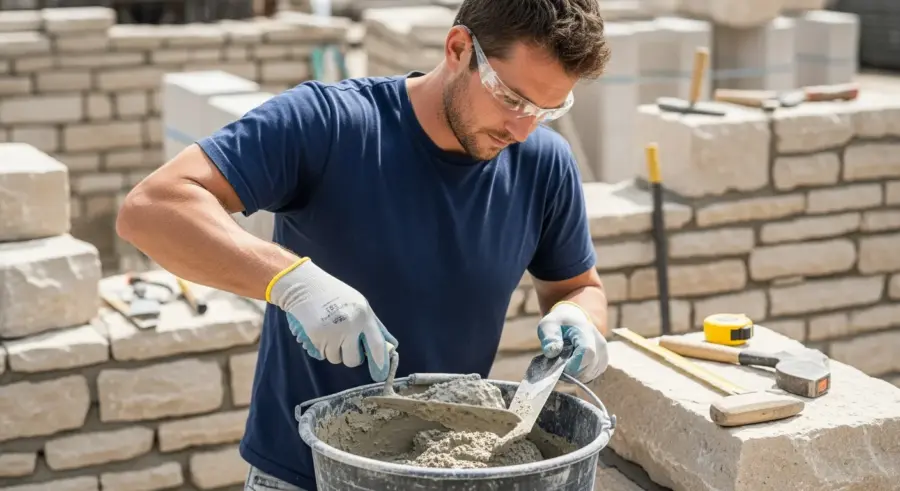
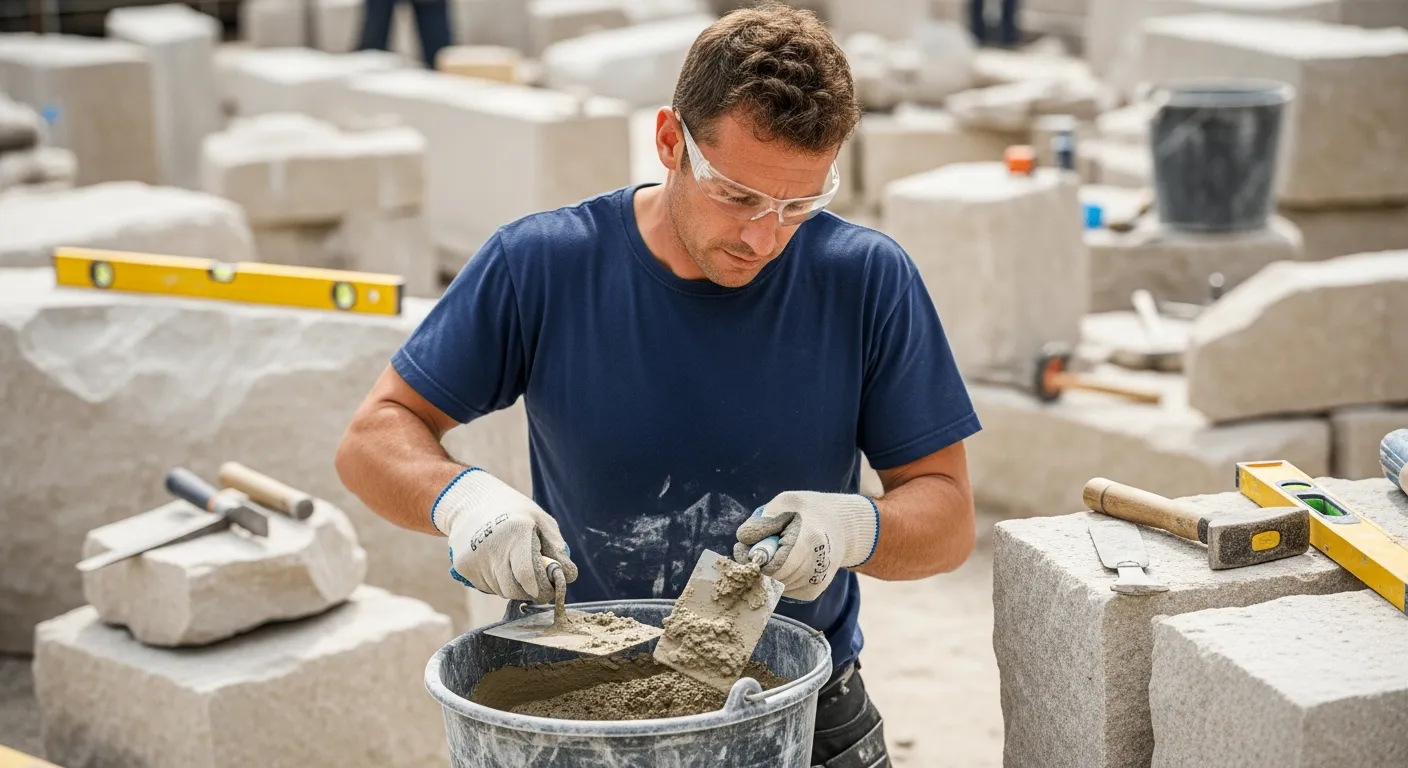
The mixing process should begin by dry-mixing the cement, lime, sand, and silica fume until a uniform color is achieved. Water should then be added gradually while continuing to mix until the desired consistency is reached.
Overmixing should be avoided as it can lead to air entrainment and reduced strength. The mortar should be used within a reasonable time frame after mixing, typically within 1 to 2 hours, to prevent stiffening.
For larger projects, mechanical mixers are recommended to ensure thorough and consistent mixing. These mixers should be cleaned regularly to prevent the buildup of hardened mortar.
When applying silica fume mortar, it is important to thoroughly wet the stone or masonry units to improve bond. The mortar should be packed tightly into the joints to ensure full contact with the surrounding surfaces.
Proper curing is essential to allow the pozzolanic reaction to proceed effectively. The mortar should be kept moist for at least 7 days after application by covering it with plastic sheeting or spraying it with water regularly.
Avoid applying silica fume mortar in extreme weather conditions, such as direct sunlight, high winds, or freezing temperatures. These conditions can negatively impact the curing process and reduce the strength and durability of the mortar.
Potential Challenges and Mitigation Strategies
While silica fume offers numerous advantages in mortar, its use is not without potential challenges. Understanding these challenges and implementing appropriate mitigation strategies is crucial for successful implementation.
One of the primary challenges is the increased water demand of silica fume mortar. The fine particles of silica fume increase the surface area of the mix, requiring more water to achieve the desired workability.
- Use a high-range water reducer (superplasticizer)
- Adjust the mix design to compensate for the increased water demand
- Monitor the consistency of the mortar during mixing and adjust water content as needed
- Avoid over-watering, which can reduce strength and increase shrinkage
- Ensure proper curing to prevent moisture loss
Another potential issue is the increased risk of plastic shrinkage cracking, especially in hot and dry conditions. This is due to the reduced bleeding of silica fume mortar, which can lead to rapid moisture loss from the surface.
To mitigate this risk, it is important to protect the mortar from rapid drying by covering it with plastic sheeting or spraying it with water regularly. Curing compounds can also be used to reduce moisture loss.
Another challenge is the potential for silica fume to react with alkalis in the cement, leading to alkali-silica reaction (ASR). This can cause expansion and cracking in the mortar.
To prevent ASR, it is important to use low-alkali cement and to limit the amount of silica fume in the mix. The use of supplementary cementitious materials, such as fly ash or slag, can also help to reduce the risk of ASR.
Silica fume can also increase the stickiness of the mortar, making it more difficult to work with. This can be mitigated by using a well-graded sand and by adjusting the water content of the mix.
Proper training and education are essential to ensure that workers are familiar with the proper mixing and application techniques for silica fume mortar. This will help to minimize the risk of problems and ensure optimal performance.
Real-World Applications of Silica Fume Mortar
Silica fume mortar has been successfully employed in a wide range of real-world applications, demonstrating its versatility and effectiveness in various construction and conservation projects. Its use is particularly beneficial in situations where high strength, durability, and resistance to aggressive environments are required.
One notable application is in the restoration of historic stone structures. Many historical buildings and monuments are constructed with lime-based mortars, which are susceptible to deterioration over time due to weathering and chemical attack.
Silica fume mortar can be used to replace deteriorated mortar joints, providing a stronger and more durable repair that is compatible with the original stone. The pozzolanic reaction helps to create a dense, impermeable mortar that protects the stone from further damage.
Another common application is in the construction of new stone buildings and retaining walls. Silica fume mortar provides the necessary strength and durability to withstand the loads and environmental stresses that these structures are subjected to.
In coastal areas, silica fume mortar is particularly valuable due to its resistance to chloride attack from seawater. Chlorides can penetrate ordinary mortar and concrete, leading to corrosion of reinforcing steel and subsequent structural damage.
Silica fume mortar’s low permeability prevents chloride ingress, protecting the structure from this type of deterioration. It has also proven effective in industrial settings where structures are exposed to chemical spills and fumes.
It is also used in the construction of bridges and other infrastructure projects. The high strength and durability of silica fume mortar make it ideal for these demanding applications.
In the construction of dams and other water-retaining structures, silica fume mortar’s low permeability is critical for preventing water leakage and ensuring the long-term integrity of the structure.
Silica fume mortar is also used in the repair and rehabilitation of concrete structures. It can be used to patch and repair damaged concrete, providing a durable and long-lasting solution.
Case Study: Restoration of a 19th-Century Stone Bridge
A prime example of silica fume mortar’s effectiveness is the restoration of a 19th-century stone bridge located in a region with harsh winters. The bridge had suffered significant deterioration over the years due to freeze-thaw cycles and the use of de-icing salts.
The original lime mortar had become weak and porous, allowing water to penetrate the stone masonry. This led to cracking, spalling, and loss of structural integrity.
The restoration project involved carefully removing the deteriorated mortar and replacing it with a silica fume-modified mortar. The mix design was specifically tailored to match the color and texture of the original mortar while providing enhanced strength and durability.
The silica fume mortar was prepared using a combination of Portland cement, hydrated lime, fine sand, and 10% silica fume by weight of cement. The mixing process was carefully controlled to ensure a homogeneous mix with the desired workability.
The mortar was then applied using traditional stone masonry techniques, ensuring full contact with the surrounding stone units. The restored bridge exhibited improved resistance to freeze-thaw damage and salt scaling.
The silica fume mortar effectively prevented water penetration, protecting the stone masonry from further deterioration. The project demonstrated the suitability of silica fume mortar for preserving historical stone structures in challenging environments.
The project also involved careful documentation of the original mortar composition. This allowed the restoration team to create a silica fume mortar mix that closely matched the properties of the original material.
The use of silica fume mortar also helped to reduce the overall cost of the restoration project. The increased durability of the mortar means that it will require less maintenance over time.
The successful restoration of the stone bridge serves as a model for other similar projects. It demonstrates the effectiveness of silica fume mortar in preserving historical structures.
Conclusion
Silica fume has emerged as a valuable additive in mortar mixes, offering significant improvements in strength, durability, and resistance to chemical attack. Its pozzolanic reaction with calcium hydroxide enhances the mortar’s density and reduces permeability, making it less susceptible to deterioration.
While challenges such as increased water demand and the risk of plastic shrinkage cracking exist, they can be effectively mitigated with proper mix design, application techniques, and curing practices. The successful implementation of silica fume mortar in numerous real-world applications, including historical restoration and new construction, underscores its versatility and effectiveness.
For lithic conservation and stone masonry professionals, understanding the properties and application of silica fume mortar is essential for ensuring the longevity and resilience of stone structures. It represents a significant advancement in mortar technology, offering a durable and sustainable solution for preserving our built heritage and creating new, long-lasting stone constructions, and integrating microsilica into your projects can be a game changer.
Further research and development are ongoing to explore new applications and optimize the performance of silica fume mortar. This includes investigating the use of different types of silica fume and the development of new mix designs tailored to specific applications.
As awareness of the benefits of silica fume mortar grows, its use is likely to become even more widespread in the future. This will contribute to the preservation of our built heritage and the construction of more durable and sustainable structures.