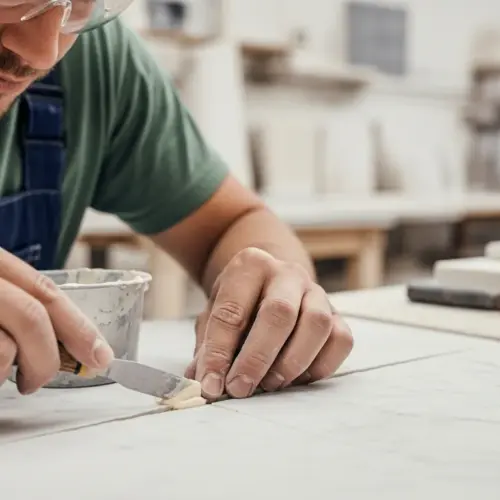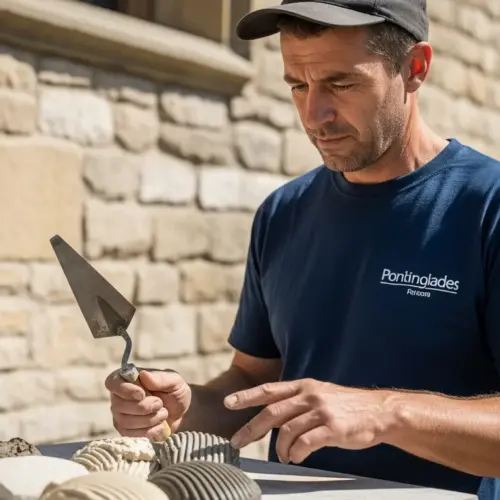

Lime putty is a cornerstone material in traditional stone masonry. Its unique properties and historical significance make it an ideal choice for both restoration projects and new construction. Understanding lime putty’s characteristics, preparation, and application is essential for preserving the integrity and longevity of stone structures.
This article will explore the world of lime putty. We will discuss its production, benefits, and application techniques.
Whether you are a seasoned stone mason or a homeowner interested in preserving historic stonework, this guide will provide valuable insights. Let’s begin by defining what lime putty actually is.
What is Lime Putty?
Lime putty is a form of non-hydraulic lime, created through a process called slaking. This involves mixing quicklime (calcium oxide) with water. The result is a wet, pliable material that has been used for centuries as a primary component in mortar, plaster, and renders.
Unlike modern Portland cement, lime putty remains breathable and flexible. This makes it particularly well-suited for use with natural stone. Its ability to accommodate movement and moisture helps prevent damage to the stone itself.
Fat lime, a term often used interchangeably with lime putty, is known for its high calcium content and plasticity. This makes it easy to work with. The aging process further enhances its workability and strength.
Lime putty’s composition allows it to create a strong bond with stone. Yet it remains flexible enough to handle thermal expansion and contraction. This is a critical advantage over rigid cement-based mortars that can cause cracking and spalling in stone structures.
The Process of Slaking Lime
Slaking lime is a chemical reaction that requires careful attention to detail. It involves combining quicklime (calcium oxide) with a precise amount of water. This transforms it into calcium hydroxide, also known as hydrated lime or lime putty.
The process begins with high-calcium quicklime, which is produced by burning limestone in a kiln. This removes carbon dioxide. The resulting quicklime is then carefully added to water in a controlled environment.
As the quicklime reacts with water, it generates significant heat. This is why it is crucial to add the quicklime to the water slowly. This prevents the mixture from boiling and potentially causing burns or explosions.
The slaking process transforms the quicklime into a soft, workable putty. This putty is then stored in airtight containers. This prevents it from drying out and carbonating prematurely.
The aging process is a critical step in producing high-quality lime putty for stone masonry. Allowing the slaked lime to mature for several months or even years enhances its plasticity and workability.
During aging, the lime particles become finer and more dispersed. This results in a smoother, more consistent putty that is easier to apply and provides a stronger bond. The aging process also reduces the risk of shrinkage and cracking in the final mortar.
Understanding Different Types of Lime
Lime comes in various forms, each with distinct properties and applications. Understanding these differences is crucial for selecting the right type of lime for your stone masonry project. The primary distinction lies between non-hydraulic lime and hydraulic lime.
Non-hydraulic lime, like lime putty, hardens through carbonation. This is a process where it absorbs carbon dioxide from the air. Hydraulic lime, on the other hand, can set and harden even underwater, due to the presence of certain impurities like silica and alumina.
Within non-hydraulic limes, there are further classifications based on calcium content and impurities. High-calcium lime, also known as fat lime, is prized for its high purity and workability. It produces a very white, plastic putty that is ideal for fine masonry work.
Magnesian lime, containing a significant amount of magnesium carbonate, is less common in stone masonry. It is slower to slake and can produce a less cohesive putty. However, it can offer increased durability in certain environments.
Hydraulic limes are categorized as natural hydraulic lime (NHL) and artificial hydraulic lime. NHLs are produced from naturally occurring limestones containing hydraulic impurities. Artificial hydraulic limes are created by adding specific amounts of silica and alumina to high-calcium lime.
The choice between non-hydraulic and hydraulic lime depends on the specific requirements of the project. For historic preservation and restoration, non-hydraulic lime putty is generally preferred. This is because its properties are more compatible with traditional building materials. Hydraulic limes are often used in situations where faster setting times or greater resistance to moisture are needed.
Benefits of Using Lime Putty
Lime putty offers several advantages over modern cement-based mortars. This makes it a superior choice for stone masonry, especially in historic structures. Its breathability allows moisture to move freely through the mortar. This prevents water from becoming trapped within the stone.
This is crucial for preventing freeze-thaw damage and salt efflorescence. Cement mortars, being less permeable, can trap moisture. This leads to deterioration of the stone over time.
| Benefit | Description | Advantage |
|---|---|---|
| Breathability | Allows moisture to move through the mortar | Prevents water damage and salt buildup |
| Flexibility | Accommodates movement and settlement | Reduces cracking and structural stress |
| Autogenous Healing | Can self-heal small cracks | Extends lifespan and reduces maintenance |
| Aesthetic Compatibility | Provides a natural, traditional appearance | Maintains historical accuracy |
Lime putty’s flexibility is another key benefit. It can accommodate slight movements in the structure. This includes settlement and thermal expansion and contraction. Cement mortars are rigid and prone to cracking under stress.
Lime putty also possesses a unique ability to self-heal minor cracks. When water and carbon dioxide are present, the lime can recrystallize and fill small fissures. This extends the lifespan of the mortar and reduces the need for frequent repairs.
Potential Drawbacks of Lime Putty
Despite its numerous benefits, lime putty also has some limitations. These should be considered before choosing it for a stone masonry project. One of the primary drawbacks is its slower setting time compared to cement mortars.
Lime putty relies on carbonation to harden. This process can take weeks or even months, depending on environmental conditions. This can prolong the construction timeline. It also requires careful protection of the mortar from rain and frost during the initial setting period.
Lime putty’s lower early strength is another factor to consider. It does not develop high compressive strength as quickly as cement mortars. This means that structures built with lime putty may require temporary support during construction. This is especially important for arches and vaults.
The workability of lime putty can also be affected by weather conditions. In hot, dry weather, it can dry out too quickly. This prevents proper carbonation. In cold, damp weather, the setting process can be significantly delayed.
Sourcing high-quality lime putty can sometimes be a challenge. Not all suppliers offer aged, well-slaked lime putty. It is essential to find a reputable source that understands the specific requirements of stone masonry.
Finally, lime putty mortars are generally more expensive than cement mortars. This is due to the additional labor and time involved in their production and application. However, the long-term benefits of using lime putty, such as reduced maintenance and increased durability, can often outweigh the initial cost.
Mixing Lime Putty with Aggregates
Properly mixing lime putty with aggregates is essential for creating a durable and workable mortar. The choice of aggregate and the mixing ratio significantly impact the mortar’s properties. These include strength, permeability, and aesthetic appearance.
The most common aggregate used with lime putty is sand. The type of sand should be carefully selected based on the specific requirements of the project. Sharp, well-graded sand provides good workability and strength.
- Clean sand is vital
- Avoid sand with clay or organic matter
- Use a consistent sand source
- Consider the color of the sand
- Sieve the sand to remove large particles
The mixing ratio of lime putty to aggregate typically ranges from 1:1 to 1:3, depending on the desired properties of the mortar. A higher proportion of lime putty results in a more workable, flexible mortar. A higher proportion of aggregate increases the mortar’s strength and reduces shrinkage.
The mixing process should be thorough to ensure that the lime putty and aggregate are evenly distributed. Traditional methods involve mixing by hand on a mortar board. Mechanical mixers can also be used, but care must be taken not to over-mix the mortar.
Applying Lime Putty Mortar
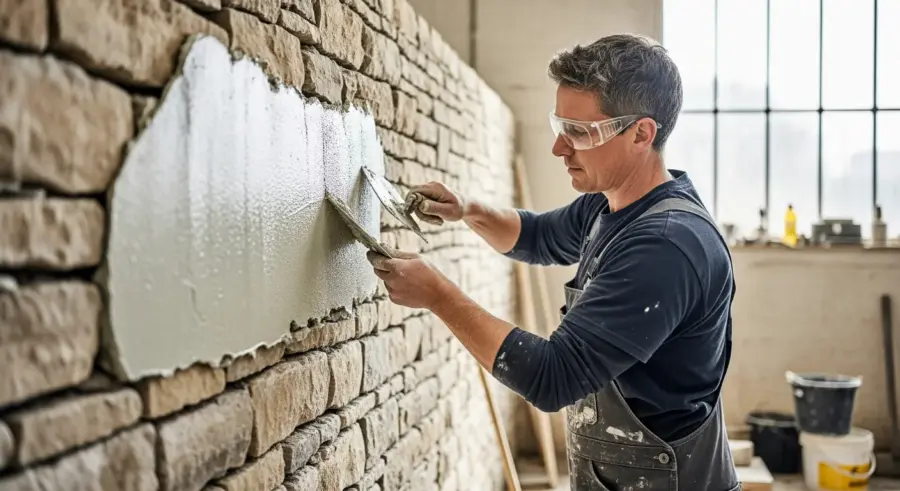
Applying lime putty mortar requires different techniques compared to cement-based mortars. The key is to work in thin layers and allow each layer to set before applying the next. This prevents excessive shrinkage and cracking.
Before applying the mortar, the stone should be thoroughly cleaned and dampened. This ensures good adhesion. Any loose or deteriorated mortar should be removed from the joints.
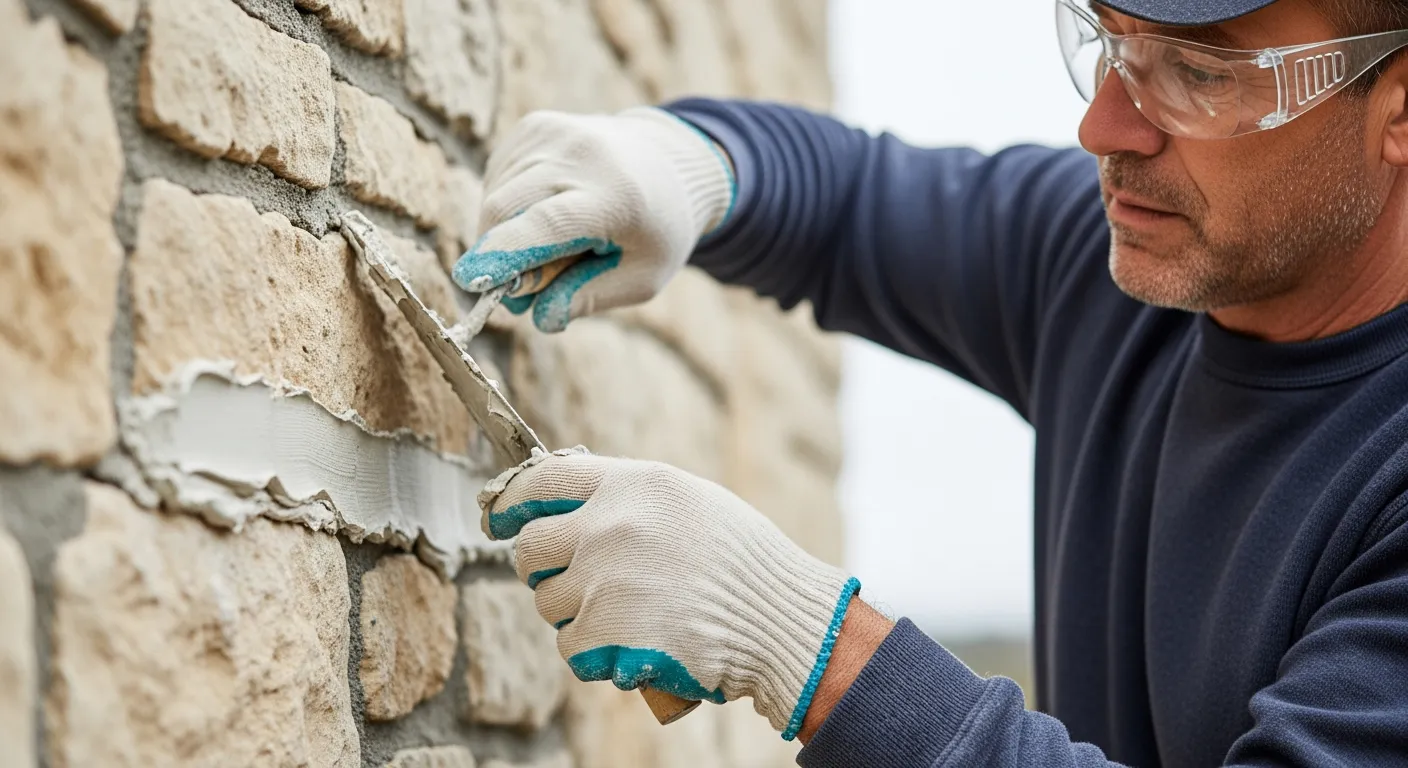
The mortar should be applied using a trowel, carefully pressing it into the joints. It is important to fully fill the joints. This eliminates any voids that could weaken the structure.
After applying the mortar, the joints should be tooled to the desired profile. This not only enhances the aesthetic appearance but also helps to compact the mortar and improve its weather resistance. Common tooling styles include concave, flush, and weathered.
During the application process, it is important to protect the mortar from direct sunlight, wind, and rain. These conditions can cause the mortar to dry out too quickly. This leads to cracking and poor carbonation.
In hot weather, the mortar may need to be lightly sprayed with water. This keeps it moist. In cold weather, the mortar should be protected from freezing temperatures. This prevents damage to the setting process.
Curing Lime Putty Mortar
Proper curing is crucial for the long-term performance of lime putty mortar. Curing involves maintaining the right moisture levels and protecting the mortar from extreme weather conditions. This allows the carbonation process to proceed effectively.
The ideal curing environment is one that is cool, damp, and shaded. Direct sunlight and strong winds can cause the mortar to dry out too quickly. This prevents proper carbonation.
During the initial curing period, which can last several weeks, the mortar should be regularly misted with water. This keeps it moist and promotes carbonation. The frequency of misting will depend on the weather conditions.
In hot, dry weather, the mortar may need to be misted several times a day. In cooler, more humid weather, misting may only be necessary once or twice a day. The key is to keep the mortar surface damp but not saturated.
Protecting the mortar from rain is also important during the curing process. Excessive rain can wash away the lime and weaken the mortar. If rain is expected, the mortar should be covered with a waterproof sheet.
In cold weather, the mortar should be protected from freezing temperatures. Freezing can damage the mortar and prevent it from setting properly. This can be done by covering the mortar with insulation or by using a heated enclosure.
Lime Putty for Stone Conservation
Lime putty plays a vital role in the conservation of historic stone structures. Its compatibility with traditional building materials and its ability to breathe make it an ideal choice for restoration projects. When used correctly, lime putty can help to preserve the integrity and authenticity of historic stonework.
One of the key principles of stone conservation is to use materials that are compatible with the original construction. Lime putty mortars are similar in composition and properties to the mortars used in many historic buildings. This makes them a good match for stone conservation.
Lime putty’s breathability is particularly important in historic buildings. It allows moisture to escape from the walls. This prevents the buildup of damaging salts and reduces the risk of freeze-thaw damage. Cement mortars, being less permeable, can trap moisture and accelerate the deterioration of historic stonework.
When restoring historic stone structures, it is important to carefully analyze the existing mortar. This determines the appropriate lime putty mortar mix to use. The goal is to match the original mortar in terms of composition, color, and texture.
The process of removing old mortar should be done carefully. This avoids damaging the surrounding stone. Hand tools are often preferred over power tools. This provides greater control and reduces the risk of injury.
After the old mortar has been removed, the joints should be thoroughly cleaned and dampened. This ensures good adhesion of the new lime putty mortar. The mortar should be applied in thin layers and allowed to set properly.
Conclusion
Lime putty is an invaluable material for stone masonry. Its unique properties and historical significance make it an ideal choice for both new construction and restoration projects. Understanding the process of slaking lime, mixing it with aggregates, and applying and curing the mortar are essential for achieving durable and aesthetically pleasing results.
While lime putty may require more time and attention than modern cement-based mortars, the long-term benefits are well worth the effort. Lime putty’s breathability, flexibility, and self-healing properties help to ensure the longevity and integrity of stone structures for generations to come.