
In the realm of construction and restoration, achieving durable and long-lasting results hinges on the quality of materials and techniques employed. Mortar, the binding agent that holds stones together, plays a pivotal role in ensuring the structural integrity and aesthetic appeal of stone structures.
Traditional mortar formulations often fall short in providing the necessary adhesion, flexibility, and resistance to environmental factors. This is where latex additives for mortar come into play, offering a transformative solution to enhance mortar’s performance and longevity.
By incorporating latex additives, we can create a modified mortar that exhibits superior bond strength, reduced cracking, and improved overall durability. This article will explore the world of latex-modified mortar, examining its benefits, types, proper application techniques, and diverse applications in stone work.
What are Latex Additives for Mortar?
Latex additives are liquid polymers that are mixed into mortar to enhance its properties. These additives, often referred to as polymer additives, improve the mortar’s ability to adhere to surfaces, resist cracking, and withstand the effects of water and temperature changes.
The inclusion of latex additives transforms ordinary mortar into a high-performance material suitable for a wide range of applications. Latex additives work by creating a polymer network within the mortar matrix.
This network enhances the mortar’s flexibility and reduces its susceptibility to cracking. This is especially important in environments where temperature fluctuations and ground movement can cause stress on stone structures.
Furthermore, latex additives improve the mortar’s water resistance, preventing water from penetrating the structure and causing damage over time. This is a crucial factor in preserving the integrity of stone structures, especially in damp or coastal environments.
To elaborate further, latex additives are not just a single type of chemical compound. They encompass a diverse range of polymers, each designed to impart specific characteristics to the mortar. The selection of the appropriate latex additive depends heavily on the project’s unique demands and the prevailing environmental conditions.
Consider, for instance, a restoration project in a region prone to seismic activity. In this scenario, a latex additive that prioritizes flexibility and crack resistance would be paramount. Conversely, a project in a coastal area would necessitate a latex additive with exceptional water resistance to combat the corrosive effects of saltwater.
The mechanism by which latex additives enhance mortar performance is multifaceted. Upon mixing with the mortar, the latex polymers disperse throughout the mixture, forming a complex network as the mortar cures. This network acts as a reinforcing web, binding the cement particles together and providing increased tensile strength.
This enhanced tensile strength is crucial for resisting cracking, as it allows the mortar to withstand greater stress and deformation without fracturing. Moreover, the polymer network reduces the mortar’s permeability, making it more resistant to water penetration. This is particularly important in preventing freeze-thaw damage, a common cause of deterioration in stone structures.
The improved water resistance also inhibits the growth of mold and mildew, which can not only damage the structure but also pose health risks. In essence, latex additives act as a protective shield, safeguarding the mortar and the stone structure from the detrimental effects of environmental factors.
Benefits of Using Latex-Modified Mortar
Latex-modified mortar offers a multitude of advantages over traditional mortar, making it a preferred choice for stone masons and conservationists. One of the primary benefits is its enhanced bond strength.
The polymer network created by latex additives allows the mortar to form a stronger and more durable bond with the surrounding stones. This increased bond strength ensures the structural integrity of the stone structure, preventing stones from shifting or becoming dislodged over time.
Another significant advantage is the improved crack resistance of latex-modified mortar. Traditional mortar is prone to cracking due to its rigid nature and inability to withstand stress.
Latex additives increase the mortar’s flexibility, allowing it to absorb stress and resist cracking. This is particularly important in areas subject to seismic activity or significant temperature variations.
Furthermore, latex-modified mortar exhibits enhanced water resistance, protecting stone structures from water damage. Water penetration can lead to a host of problems, including freeze-thaw damage, efflorescence, and the growth of mold and mildew.
By reducing water absorption, latex-modified mortar helps to preserve the integrity and appearance of stone structures for years to come. The improved workability of latex-modified mortar is another notable benefit.
Beyond these core benefits, latex-modified mortar contributes to the overall sustainability of stone construction and restoration projects. By extending the lifespan of the mortar and reducing the need for frequent repairs, it minimizes the consumption of resources and the generation of waste.
This is particularly important in the context of historic preservation, where preserving the original fabric of a structure is paramount. Latex-modified mortar allows for minimally invasive repairs that maintain the authenticity of the building while ensuring its long-term stability.
The enhanced bond strength of latex-modified mortar also translates to improved resistance to erosion and weathering. Traditional mortar joints are often vulnerable to the abrasive effects of wind, rain, and ice, leading to gradual deterioration over time.
The stronger bond created by latex additives helps to protect the mortar joints from these forces, extending their lifespan and reducing the need for costly repairs. This is particularly beneficial in exposed locations, such as bridges, retaining walls, and coastal structures.
Furthermore, the improved flexibility of latex-modified mortar allows it to accommodate movement in the stone structure without cracking. This is crucial in areas subject to ground settlement, seismic activity, or thermal expansion and contraction.
Traditional mortar, being rigid, is unable to absorb these movements, leading to cracking and eventual failure. Latex-modified mortar, on the other hand, can flex and adapt to these movements, maintaining its integrity and preventing damage to the surrounding stones.
Types of Latex Additives and Their Properties
Various types of latex additives are available, each with unique properties and applications. The most common types include acrylic latex, styrene-butadiene latex, and natural rubber latex.
Acrylic latex additives are known for their excellent UV resistance and durability. They are suitable for both interior and exterior applications and provide good adhesion and crack resistance.
| Latex Additive Type | Properties | Applications |
|---|---|---|
| Acrylic Latex | Excellent UV resistance, good adhesion, durable | General purpose, interior and exterior |
| Styrene-Butadiene Latex | High flexibility, good water resistance, cost-effective | High-movement areas, wet environments |
| Natural Rubber Latex | Exceptional flexibility, high bond strength | Specialty applications, historic preservation |
| Epoxy-Modified Latex | High chemical resistance, superior adhesion | Industrial and demanding environments |
Styrene-butadiene latex additives offer a good balance of flexibility and water resistance at a cost-effective price. They are often used in applications where movement is expected, such as bridge decks and parking garages.
Natural rubber latex additives provide exceptional flexibility and high bond strength, making them suitable for specialty applications. These are often specified in historic preservation projects where maintaining the original appearance and properties of the mortar is crucial.
Expanding on the properties of these latex additives, it’s important to understand their chemical composition and how it influences their performance. Acrylic latex, for example, is a synthetic polymer derived from acrylic acid esters.
Its inherent UV resistance stems from its chemical structure, which is less susceptible to degradation from sunlight exposure. This makes it an ideal choice for exterior applications where the mortar is exposed to prolonged sunlight.
Styrene-butadiene latex, on the other hand, is a copolymer of styrene and butadiene. The combination of these two monomers provides a balance of flexibility and water resistance, making it suitable for applications where both properties are important.
The butadiene component contributes to the polymer’s flexibility, while the styrene component enhances its water resistance. Natural rubber latex, derived from the sap of rubber trees, is a naturally occurring polymer known for its exceptional flexibility and high bond strength.
Its unique molecular structure allows it to stretch and deform without breaking, making it an ideal choice for applications where significant movement is expected. However, natural rubber latex is less resistant to UV degradation than acrylic latex and may require additional protection in exterior applications.
In addition to these common types, other specialized latex additives are available for specific applications. For example, epoxy-modified latex additives offer superior chemical resistance and adhesion, making them suitable for industrial environments where the mortar is exposed to harsh chemicals.
Proper Mixing and Application Techniques
To maximize the benefits of latex-modified mortar, it is essential to follow proper mixing and application techniques. First, it’s important to select the appropriate latex additive for the specific application.
Consider the environmental conditions, the type of stone being used, and the desired performance characteristics when making your selection. Always refer to the manufacturer’s instructions for the recommended mixing ratio of latex additive to mortar mix.
Using too much or too little additive can compromise the mortar’s performance. Mix the latex additive and mortar mix thoroughly using a mechanical mixer to ensure a homogeneous consistency.
Avoid hand mixing, as it can be difficult to achieve a consistent mix. Apply the latex-modified mortar to a clean and prepared surface, ensuring that the stones are free of dust, dirt, and loose particles.
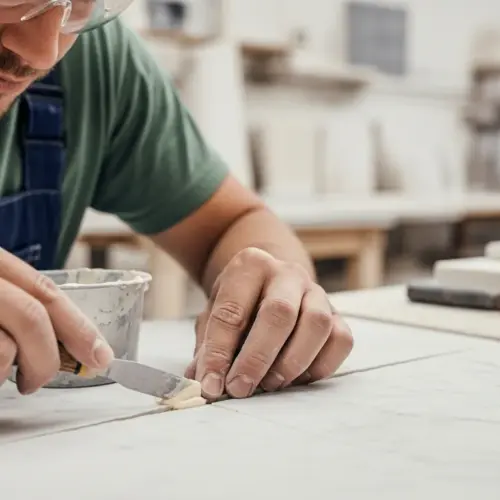
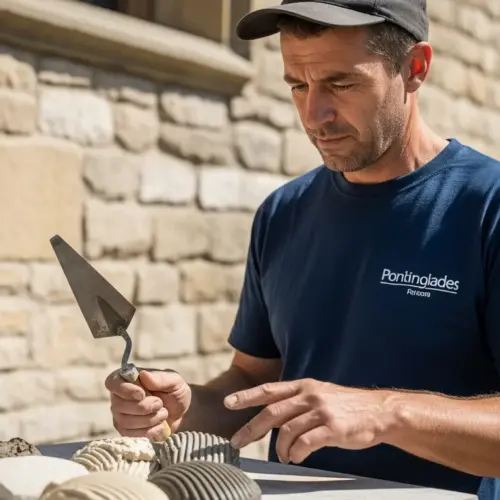
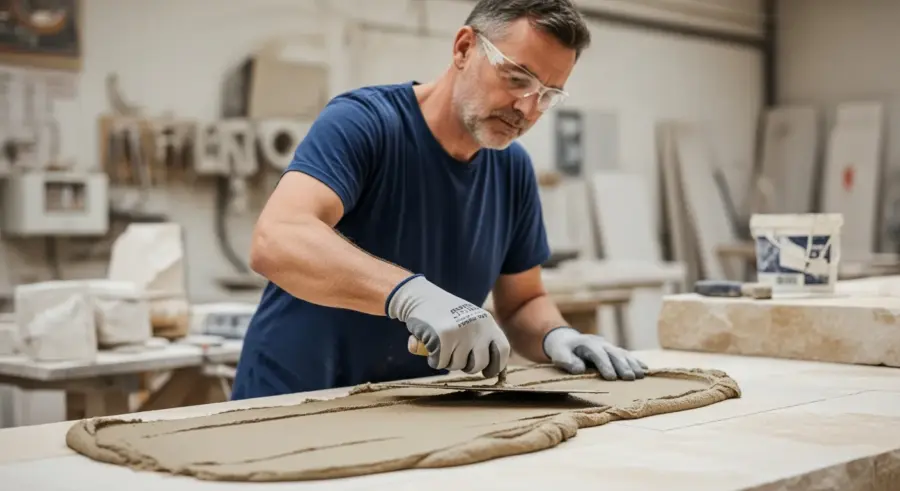
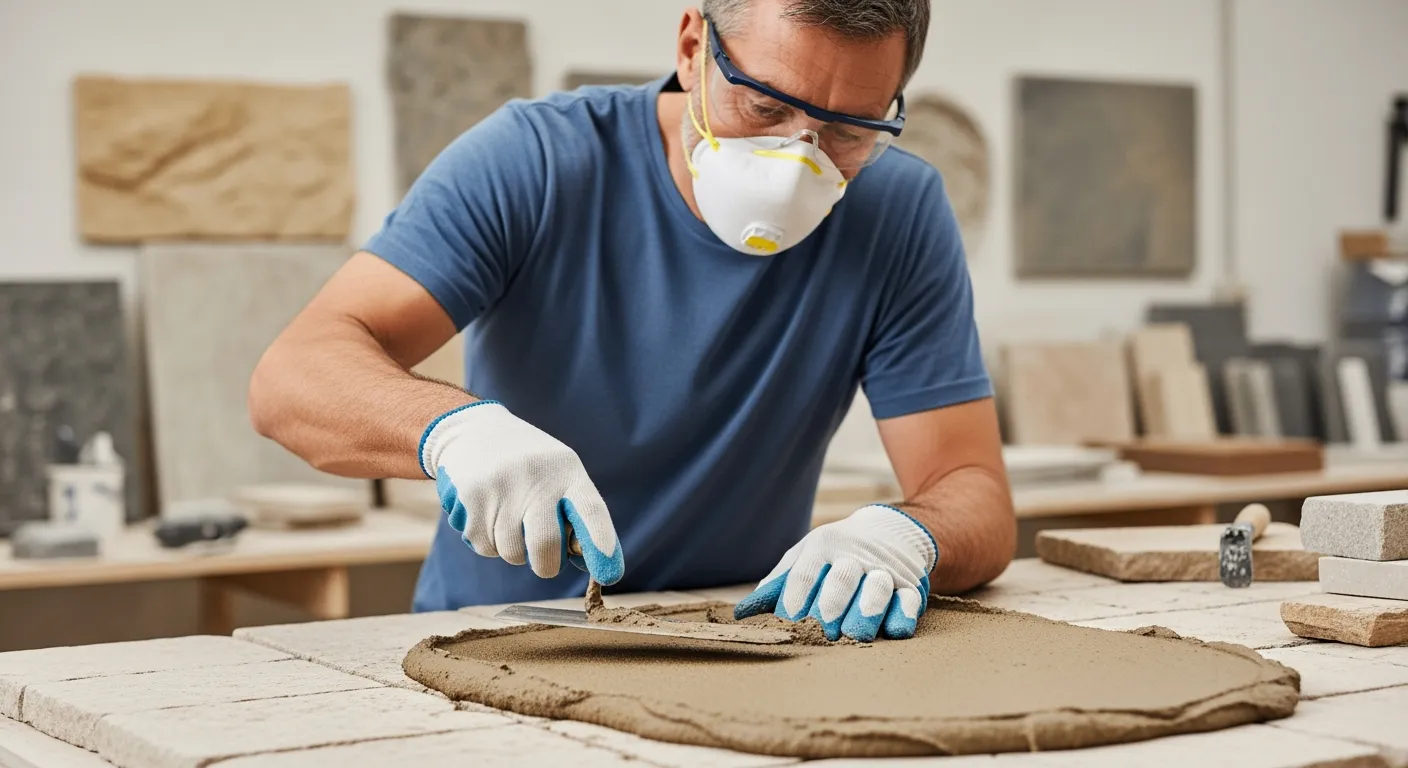
Use a trowel to apply the mortar evenly, filling all joints and voids between the stones. Be sure to compact the mortar firmly to ensure good contact and adhesion.
Curing is a critical step in the application process. Protect the mortar from extreme temperatures and direct sunlight during the curing period, as this can cause it to dry too quickly and crack.
Delving deeper into the mixing process, the order in which the components are combined can also affect the final result. It is generally recommended to add the latex additive to the mixing water first, before adding the dry mortar mix.
This allows the latex polymers to disperse evenly throughout the water, ensuring a more homogeneous mix. The mixing time is also crucial; overmixing can introduce air into the mortar, weakening its structure, while undermixing can result in an inconsistent mix with uneven distribution of the latex additive.
The consistency of the mortar should be carefully monitored during mixing. The mortar should be plastic and workable, but not too wet or soupy. A good rule of thumb is to test the mortar’s consistency by placing a small amount on a trowel and tilting it.
If the mortar slides off easily, it is too wet; if it crumbles or falls apart, it is too dry. The application technique also plays a significant role in the performance of latex-modified mortar. The mortar should be applied in thin, even layers, ensuring that all joints and voids are completely filled.
Avoid applying the mortar too thickly, as this can lead to cracking during curing. Compaction is essential for ensuring good contact between the mortar and the stones. Use a trowel or other suitable tool to firmly press the mortar into the joints, removing any air pockets and ensuring a tight bond.
The curing process is often overlooked but is critical for achieving the desired properties of latex-modified mortar. The mortar should be protected from extreme temperatures, direct sunlight, and wind during the curing period. Covering the mortar with plastic sheeting or damp burlap can help to maintain a consistent moisture level and prevent it from drying out too quickly.
Applications of Latex-Modified Mortar in Stone Work
Latex-modified mortar finds widespread use in a variety of stone work applications, ranging from new construction to historic preservation. In new construction, it is often used for laying stone foundations, walls, and veneers.
The enhanced bond strength and crack resistance of latex-modified mortar ensure the long-term stability and durability of these structures. It is also commonly used in the construction of stone pavements, patios, and walkways.
- Stone foundations and walls
- Stone veneers
- Stone pavements, patios, and walkways
- Repairing damaged stone structures
- Repointing mortar joints
- Historic preservation projects
In repair and restoration projects, latex-modified mortar is invaluable for patching damaged stone structures and repointing mortar joints. Its ability to bond strongly to existing stone and resist cracking makes it an ideal choice for restoring deteriorated structures to their original condition.
Historic preservation projects often require the use of specialized mortar formulations that closely match the properties of the original mortar. Latex additives can be incorporated into these formulations to improve their performance without compromising their authenticity.
Expanding on these applications, latex-modified mortar is particularly well-suited for projects where the stone structure is exposed to harsh environmental conditions. In coastal areas, for example, the mortar is constantly exposed to saltwater, which can corrode traditional mortar and weaken its bond to the stone.
The enhanced water resistance of latex-modified mortar helps to protect the structure from saltwater damage, extending its lifespan and reducing the need for repairs. In areas subject to freeze-thaw cycles, the mortar is repeatedly exposed to freezing and thawing temperatures, which can cause it to crack and crumble.
The improved flexibility of latex-modified mortar allows it to withstand these cycles without cracking, preventing water from penetrating the structure and causing further damage. Latex-modified mortar is also commonly used in the construction of stone retaining walls.
These walls are subject to significant lateral pressure from the soil behind them, which can cause them to shift or collapse. The enhanced bond strength of latex-modified mortar helps to resist this pressure, ensuring the stability of the wall.
In historic preservation projects, latex-modified mortar can be used to repair damaged stone carvings and ornamental features. The mortar can be carefully sculpted and molded to match the original design, restoring the beauty and integrity of the historic structure.
The use of latex additives in these applications allows for minimally invasive repairs that preserve the original fabric of the building while ensuring its long-term stability. Careful selection of the appropriate latex additive and proper mixing and application techniques are essential for achieving successful results in these diverse applications.
Comparing Latex Additives to Other Modifiers
While latex additives are a popular choice for modifying mortar, other modifiers are available, each with its own advantages and disadvantages. One common alternative is the use of pozzolans, such as fly ash or silica fume.
These materials react with the calcium hydroxide in the mortar to form additional cementitious compounds, increasing its strength and durability. However, pozzolans do not provide the same level of flexibility and crack resistance as latex additives.
Another option is the use of water-reducing admixtures, which improve the workability of the mortar and reduce the amount of water needed for mixing. While these admixtures can enhance the mortar’s strength and density, they do not significantly improve its bond strength or crack resistance.
Epoxy resins are sometimes used to modify mortar in demanding applications where high chemical resistance is required. Epoxy-modified mortars offer superior adhesion and durability but are more expensive and difficult to work with than latex-modified mortars.
Ultimately, the best choice of modifier depends on the specific requirements of the project. Latex additives offer a good balance of performance, cost, and ease of use, making them a versatile option for a wide range of stone work applications.
To further compare these modifiers, it’s crucial to understand their mechanisms of action and their impact on the mortar’s microstructure. Pozzolans, for instance, react with calcium hydroxide, a byproduct of cement hydration, to form additional calcium silicate hydrate (C-S-H), the main binding agent in cement.
This reaction, known as the pozzolanic reaction, increases the density and strength of the mortar but does not significantly improve its flexibility. Water-reducing admixtures, also known as plasticizers, work by reducing the surface tension of water, allowing the mortar to be mixed with less water while maintaining its workability.
This results in a denser mortar with lower porosity, which can improve its strength and durability. However, water-reducing admixtures do not alter the fundamental properties of the cement paste and do not significantly improve its bond strength or crack resistance.
Epoxy resins, on the other hand, are thermosetting polymers that form a strong, cross-linked network within the mortar. This network provides exceptional adhesion, chemical resistance, and durability, but also makes the mortar more rigid and less workable.
Epoxy-modified mortars are typically used in specialized applications where these properties are essential, such as in industrial environments or in the repair of concrete structures exposed to harsh chemicals. Latex additives, as discussed earlier, form a polymer network within the mortar that enhances its flexibility, bond strength, and water resistance.
This network provides a balance of properties that makes latex-modified mortar a versatile option for a wide range of stone work applications. The choice of modifier should be based on a careful consideration of the project’s specific requirements, including the desired performance characteristics, the environmental conditions, and the cost constraints.
Case Studies: Successful Projects Using Latex Additives
Examining real-world examples can highlight the effectiveness of latex additives in stone work. One notable case is the restoration of a historic stone bridge in Scotland.
The bridge, which had suffered extensive damage due to weathering and traffic, was repaired using latex-modified mortar. The latex additive improved the mortar’s bond strength and crack resistance, ensuring the long-term stability of the restored bridge.
Another successful project involved the construction of a stone veneer on a high-rise building in Chicago. The architects specified latex-modified mortar to provide enhanced adhesion and water resistance in the face of Chicago’s harsh winters.
The latex-modified mortar prevented water from penetrating the veneer, protecting the building’s structure from freeze-thaw damage. In a third example, latex additives were used in the repointing of a historic stone church in Italy.
The original mortar had deteriorated over centuries, causing the stones to become loose and unstable. Latex-modified mortar was carefully formulated to match the properties of the original mortar, ensuring that the repointing work was both durable and aesthetically appropriate.
These case studies demonstrate the versatility and effectiveness of latex additives in a variety of stone work applications. In the Scottish bridge restoration, the selection of a latex additive with high bond strength was crucial for ensuring the long-term stability of the structure.
The latex-modified mortar not only repaired the existing damage but also provided a protective barrier against future weathering and erosion. In the Chicago high-rise project, the choice of a latex additive with excellent water resistance was essential for preventing freeze-thaw damage in the city’s harsh winter climate.
The latex-modified mortar protected the building’s structure from water penetration, ensuring its long-term durability. In the Italian church repointing project, the careful formulation of the latex-modified mortar to match the properties of the original mortar was critical for preserving the historic integrity of the building.
The latex additive improved the mortar’s performance without compromising its authenticity, ensuring that the repointing work was both durable and aesthetically appropriate. These examples highlight the importance of selecting the right type of latex additive and following proper mixing and application techniques to achieve successful results in stone work projects.
Furthermore, these projects showcase the economic benefits of using latex-modified mortar. By extending the lifespan of the mortar and reducing the need for frequent repairs, latex additives can save significant costs over the long term.
This is particularly important in the context of historic preservation, where the cost of repairs can be substantial. The use of latex-modified mortar can help to minimize these costs while ensuring the long-term preservation of historic structures.
Conclusion
Latex additives for mortar represent a significant advancement in stone conservation and construction techniques. By enhancing adhesion, flexibility, and water resistance, these additives provide a durable and long-lasting solution for a wide range of applications.
Whether you are building a new stone structure or restoring an existing one, incorporating latex-modified mortar can significantly improve the project’s performance and longevity. Selecting the right type of latex additive, following proper mixing and application techniques, and understanding the benefits and limitations of this technology are key to achieving successful results.
As the demand for sustainable and durable construction materials continues to grow, latex-modified mortar is poised to play an increasingly important role in the future of stone work. Its ability to enhance the performance and longevity of mortar while minimizing the environmental impact makes it a valuable tool for builders, conservationists, and architects alike.
Further research and development in the field of latex additives will likely lead to even more advanced formulations with improved properties and wider applications. The future of stone work is bright, and latex-modified mortar is sure to be a key ingredient in its success.