
Conclusion
Understanding the differences between hydrated lime vs quicklime is essential for anyone working with stone masonry. Quicklime, or calcium oxide, is a highly reactive material that must be carefully slaked before use.
Hydrated lime, or calcium hydroxide, is the product of slaking quicklime and is a key ingredient in lime mortars, plasters, and washes. By choosing the right type of lime and following proper handling and application techniques, you can ensure the durability, breathability, and aesthetic appeal of your stone projects.
The knowledge of these materials and their properties is crucial for preserving historical structures. Proper use of lime ensures these structures stand the test of time.
Modern stone masons can benefit greatly from understanding traditional techniques. Combining this knowledge with modern advancements creates optimal results.
Always prioritize safety when handling lime products. Protecting yourself is paramount during any construction or restoration project.
Lime is a fundamental material in the world of stone masonry, playing a crucial role in creating durable and beautiful structures. However, the world of lime can be confusing, especially when trying to understand the differences between hydrated lime and quicklime.
These two forms of lime have distinct properties and uses, and choosing the right one for your project is essential for success. This article will explore the differences between hydrated lime vs quicklime, including their chemical compositions, production methods, and appropriate applications in stone masonry.
Understanding these distinctions will empower you to make informed decisions, ensuring the longevity and integrity of your stone projects. We will also cover safety considerations when handling lime, as both quicklime and hydrated lime can be hazardous if not handled properly.
Understanding Quicklime (Calcium Oxide)
Quicklime, also known as calcium oxide (CaO), is produced through a process called calcination. This involves heating limestone (calcium carbonate, CaCO3) to high temperatures, typically around 900 degrees Celsius (1652 degrees Fahrenheit).
The heat drives off carbon dioxide (CO2), leaving behind quicklime. This process transforms the relatively soft limestone into a highly reactive and caustic material.
Quicklime is characterized by its strong affinity for water. When water is added to quicklime, it undergoes a chemical reaction called slaking, which generates a significant amount of heat.
This reaction converts quicklime into hydrated lime, also known as calcium hydroxide (Ca(OH)2). Because of its reactivity, quicklime is not typically used directly in stone masonry without first being slaked.
The quality of the quicklime is heavily dependent on the purity of the original limestone. Impurities in the limestone can affect the properties of the resulting quicklime, influencing its reactivity and performance in mortar.
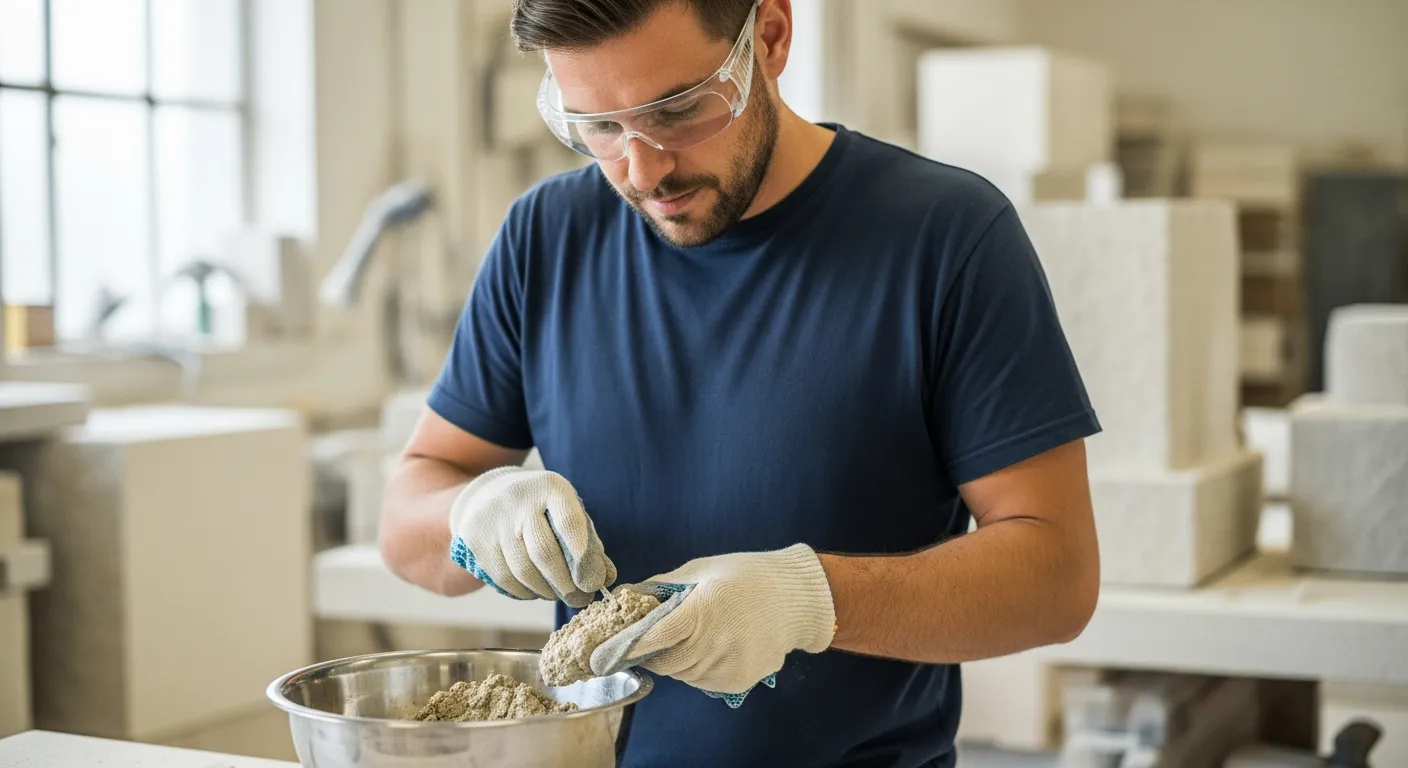
Quicklime production is an energy-intensive process due to the high temperatures required for calcination. Modern lime kilns are designed to maximize energy efficiency and minimize environmental impact.
The reactivity of quicklime makes it valuable in various industrial applications, beyond stone masonry. It is used in steel production, water treatment, and even in the production of paper.
Proper storage of quicklime is crucial to prevent premature slaking. It should be stored in airtight containers and kept away from moisture.
Understanding Hydrated Lime (Calcium Hydroxide)
Hydrated lime, or calcium hydroxide (Ca(OH)2), is produced by slaking quicklime with water. This process involves carefully adding water to quicklime in a controlled environment, allowing the chemical reaction to occur safely.
The resulting product is a dry, powdery substance that is much less reactive than quicklime. Hydrated lime is a key ingredient in lime mortars, plasters, and washes used in stone masonry.
It provides workability, flexibility, and breathability to the mortar, allowing it to accommodate movement in the stone structure and release moisture. The use of hydrated lime contributes to the long-term durability and preservation of historic and contemporary stone buildings.
Different types of hydrated lime are available, each with varying levels of purity and fineness. These variations influence the properties of the mortar and its suitability for specific applications.
The fineness of hydrated lime affects the workability and water retention of the mortar. Finer particles create a smoother, more workable mortar with better water retention properties.
Hydrated lime is also used in agriculture to neutralize acidic soils. This application highlights its versatility as a chemical compound.
The slaking process to create hydrated lime can be done on-site or in a factory setting. Factory-produced hydrated lime offers greater consistency and quality control.
Hydrated lime mortars are known for their ability to “self-heal” minor cracks. This is due to the calcium hydroxide reacting with carbon dioxide in the air to form calcium carbonate, which fills the cracks.
Key Differences Between Quicklime and Hydrated Lime
The primary difference between quicklime and hydrated lime lies in their chemical composition and reactivity. Quicklime is calcium oxide (CaO), while hydrated lime is calcium hydroxide (Ca(OH)2).
This seemingly small difference has significant implications for their use in stone masonry. Let’s look at a table highlighting their differences.
| Feature | Quicklime (Calcium Oxide) | Hydrated Lime (Calcium Hydroxide) |
|---|---|---|
| Chemical Formula | CaO | Ca(OH)2 |
| Production Method | Calcination of limestone | Slaking of quicklime with water |
| Reactivity | Highly reactive with water | Less reactive |
| Heat Generation | Generates significant heat when mixed with water | Minimal heat generation |
| Typical Use | Intermediate product, requires slaking | Ingredient in mortars, plasters, and washes |
| Safety | Corrosive, requires careful handling | Less corrosive but still requires precautions |
The reactivity of quicklime makes it unsuitable for direct use in mortar without proper slaking. Using quicklime directly could lead to uncontrolled expansion and cracking in the masonry.
Hydrated lime, being less reactive, provides a more predictable and controllable setting process in mortar. This contributes to the long-term stability and durability of the stone structure.
The particle size and purity of both quicklime and hydrated lime can vary depending on the source and manufacturing process. These variations can influence the performance of the lime in different applications.
Understanding these key differences is crucial for making informed decisions about which type of lime to use for a specific stone masonry project. Considering the specific requirements of the project will lead to optimal results.
How to Safely Slake Quicklime
Slaking quicklime is a crucial step in preparing lime for use in stone masonry, but it must be done with caution. The reaction between quicklime and water is exothermic, meaning it releases a significant amount of heat.
This heat can cause the water to boil and the lime to splatter, posing a risk of burns. Always wear appropriate personal protective equipment, including gloves, eye protection, and a long-sleeved shirt, when slaking quicklime.
The slaking process should be carried out in a well-ventilated area to avoid inhaling the lime dust. A good method is to slowly add quicklime to water, rather than the other way around, to better control the reaction.
Use a sturdy, non-reactive container, such as a plastic bucket, and stir the mixture continuously to ensure even hydration. Allow the slaked lime to cool completely before using it in your mortar mix.
The ratio of water to quicklime is crucial for proper slaking. A general guideline is to use approximately 3 parts water to 1 part quicklime by weight.
The slaking process can take several hours or even days to complete, depending on the quantity of quicklime being slaked. It is important to allow the mixture to cool completely before using it in your mortar mix.
Never attempt to slake quicklime in a confined space. The heat and steam generated can create a dangerous environment.
If you are unsure about the proper slaking procedure, consult with a qualified stone mason or lime expert. They can provide guidance and ensure that the process is carried out safely and effectively.
Choosing the Right Lime for Your Stone Masonry Project
Selecting the appropriate type of lime is critical for the success and longevity of any stone masonry project. Consider the specific requirements of your project, including the type of stone being used, the climate, and the desired aesthetic.
For historic preservation projects, it’s often best to use a lime mortar that closely matches the original mortar in terms of composition and properties. For new construction, you have more flexibility in choosing a lime mortar that meets your specific needs.
- Consider the stone type
- Assess the climate conditions
- Match existing mortar for repairs
- Evaluate desired workability
- Factor in setting time
The type of stone being used will influence the choice of lime mortar. Softer stones, such as sandstone, generally require a more flexible and breathable mortar than harder stones, such as granite.
Climate conditions also play a significant role in mortar selection. In areas with high rainfall or freeze-thaw cycles, a more durable and water-resistant mortar may be necessary.
When repairing historic stone structures, it is crucial to match the existing mortar as closely as possible. This helps to maintain the integrity and aesthetic of the original building.
The desired workability of the mortar is another important consideration. Some lime mortars are easier to work with than others, depending on their composition and fineness.
The setting time of the mortar should also be factored in. Some lime mortars set more slowly than others, which can affect the speed of construction.
The Benefits of Using Lime Mortar
Lime mortar offers several advantages over modern cement-based mortars, particularly in the context of stone masonry. One of the key benefits is its breathability, which allows moisture to move through the mortar and evaporate, reducing the risk of water damage to the stone.
Lime mortar is also more flexible than cement mortar, which allows it to accommodate movement in the stone structure without cracking. This flexibility is especially important in older buildings that may have settled over time.
Another advantage of lime mortar is its ability to self-heal minor cracks. When water penetrates the mortar, it can dissolve some of the lime and redeposit it in the cracks, effectively sealing them.
Lime mortars are also more environmentally friendly than cement mortars, as they require less energy to produce and absorb carbon dioxide from the atmosphere during the curing process. These benefits make lime mortar a sustainable choice for stone masonry projects.
The breathability of lime mortar helps to prevent the buildup of moisture within the stone structure. This reduces the risk of frost damage and other moisture-related problems.
The flexibility of lime mortar allows it to move with the building, reducing stress on the stone. This helps to prevent cracking and prolongs the life of the structure.
The self-healing properties of lime mortar can save on maintenance costs over time. Minor cracks are automatically repaired, preventing them from becoming larger problems.
The environmental benefits of lime mortar make it a responsible choice for sustainable construction. It helps to reduce carbon emissions and conserve natural resources.
Safety Considerations When Handling Lime
Both quicklime and hydrated lime can be hazardous if not handled properly. Quicklime is highly caustic and can cause severe burns upon contact with skin or eyes.
Hydrated lime is less caustic, but it can still cause irritation and dryness. Always wear appropriate personal protective equipment, including gloves, eye protection, and a dust mask, when handling either form of lime.
Avoid inhaling lime dust, as it can irritate the respiratory system. Work in a well-ventilated area and use a respirator if necessary.
In case of skin or eye contact, flush the affected area with plenty of water and seek medical attention. Store lime in a dry place, away from moisture, to prevent it from reacting prematurely.
Always read and follow the manufacturer’s instructions for handling lime products. These instructions provide specific safety guidelines and precautions.
Keep lime products out of reach of children and pets. Lime can be harmful if ingested.
When mixing lime mortar, add the lime to the water slowly and carefully. This helps to prevent splashing and reduces the risk of burns.
Dispose of lime waste properly. Do not pour lime down the drain, as it can clog pipes.
Troubleshooting Common Lime Mortar Issues
Even with careful planning and execution, issues can arise when working with lime mortar. One common problem is cracking, which can occur if the mortar dries too quickly or if the stone structure experiences excessive movement.
To prevent cracking, keep the mortar moist during the initial curing period by misting it with water regularly. Another issue is efflorescence, a white, powdery deposit that can form on the surface of the mortar.
Efflorescence is caused by soluble salts in the mortar or stone being dissolved by water and carried to the surface, where they crystallize as the water evaporates. To minimize efflorescence, use clean water and high-quality materials, and ensure proper drainage around the stone structure.
If efflorescence does occur, it can usually be removed with a stiff brush and water. If the problem persists, consult with a stone masonry expert.
Another common issue is shrinkage, which can occur if the mortar mix is too wet. To prevent shrinkage, use the correct water-to-lime ratio and avoid over-watering the mix.
Lime mortar can also be susceptible to biological growth, such as algae or moss. To prevent biological growth, ensure that the stone structure is well-drained and exposed to sunlight.
If biological growth does occur, it can be removed with a soft brush and a mild detergent. Avoid using harsh chemicals, as they can damage the mortar.
Proper curing is essential for the success of lime mortar. Protect the mortar from direct sunlight and wind during the initial curing period.
Advanced Techniques in Lime Mortar Application
Beyond the basics of mixing and applying lime mortar, there are several advanced techniques that can enhance the performance and aesthetics of your stone masonry projects. One such technique is the use of hydraulic lime, which contains small amounts of clay or other materials that give it the ability to set under water.
Hydraulic lime is particularly useful in damp or marine environments where ordinary lime mortar may not cure properly. Another advanced technique is the addition of pozzolans to the lime mortar mix.
Pozzolans are siliceous or aluminous materials that react with the calcium hydroxide in the lime to form calcium silicate hydrate, a compound that contributes to the strength and durability of the mortar. Examples of pozzolans include volcanic ash, fly ash, and metakaolin.
These techniques require a deeper understanding of lime chemistry and material science, but they can significantly improve the performance and longevity of your stone masonry.
Colored lime mortars can be created by adding pigments to the mix. This allows for greater design flexibility and can be used to match existing mortar colors in historic buildings.
The use of aggregates, such as sand or crushed stone, is also an important aspect of lime mortar application. The size and type of aggregate can affect the workability, strength, and appearance of the mortar.
Different pointing techniques can be used to create different aesthetic effects. These techniques include flush pointing, recessed pointing, and weather struck pointing.
Proper tooling of the mortar joints is essential for both aesthetic and functional reasons. Tooling helps to compact the mortar and create a weather-resistant seal.
Conclusion
Understanding the differences between hydrated lime vs quicklime is essential for anyone working with stone masonry. Quicklime, or calcium oxide, is a highly reactive material that must be carefully slaked before use.
Hydrated lime, or calcium hydroxide, is the product of slaking quicklime and is a key ingredient in lime mortars, plasters, and washes. By choosing the right type of lime and following proper handling and application techniques, you can ensure the durability, breathability, and aesthetic appeal of your stone projects.
The knowledge of these materials and their properties is crucial for preserving historical structures. Proper use of lime ensures these structures stand the test of time.
Modern stone masons can benefit greatly from understanding traditional techniques. Combining this knowledge with modern advancements creates optimal results.
Always prioritize safety when handling lime products. Protecting yourself is paramount during any construction or restoration project.