
Stone foundations offer a timeless aesthetic and lasting durability. Achieving this longevity, however, hinges on more than just the stones themselves. A critical element often hidden from view is the gravel foundation that supports the entire structure.
Using gravel for stone foundations ensures proper drainage and load distribution. This article will serve as a guide to understanding the importance of gravel in stone foundation construction.
We’ll explore the different types of gravel suitable for this purpose. We will also cover the essential techniques for site preparation, gravel placement, and compaction.
The Importance of a Proper Foundation
A solid foundation is the backbone of any structure, especially when dealing with the weight and rigidity of stone. Without a stable base, even the most meticulously crafted stone wall can succumb to settling, cracking, and eventual collapse.
The foundation’s primary job is to evenly distribute the load of the structure onto the underlying soil. A proper foundation also prevents moisture from wicking up into the stone, which can cause deterioration over time.
Think of the foundation as the unsung hero. It works silently beneath the surface to maintain the integrity and longevity of the stonework above.
Ignoring the importance of a well-constructed foundation is akin to building a house on sand. The consequences can be devastating, leading to costly repairs or even complete structural failure.
The foundation acts as a buffer between the structure and the earth. It is a critical element that must be carefully considered during the design and construction phases.
A poorly designed or constructed foundation can lead to a myriad of problems. These problems can include uneven settling, water damage, and structural instability.
Therefore, investing in a proper foundation is an investment in the long-term health and value of your property. It is a decision that will pay dividends for generations to come.
Consider the foundation as the roots of a tree. Just as strong roots are essential for a healthy tree, a strong foundation is essential for a stable structure.
A well-built foundation provides peace of mind. It ensures that your structure will stand the test of time, resisting the forces of nature and the wear and tear of daily use.
It’s not just about preventing immediate problems. A good foundation also minimizes the risk of future issues, saving you money and headaches down the road.
Understanding the Role of Gravel in Stone Foundations
Gravel plays a multifaceted role in ensuring the stability and longevity of stone foundations. Its primary function is to provide a stable, well-draining base upon which the stones can rest.
The angular nature of crushed gravel allows it to interlock and compact tightly. This creates a solid platform that can effectively distribute the weight of the stone structure.
Gravel’s excellent drainage properties are equally crucial. It allows water to flow freely away from the foundation, preventing hydrostatic pressure from building up against the stone.
This is especially important in regions with heavy rainfall or high water tables. Excess moisture can lead to freeze-thaw damage, which can compromise the structural integrity of the stone.
The gravel layer acts as a capillary break. This prevents water from wicking upwards from the soil into the stone foundation.
Without this capillary break, the stone could become saturated with water. This saturation can lead to efflorescence, staining, and eventual deterioration.
Furthermore, the gravel layer helps to level the ground beneath the foundation. This ensures that the weight of the structure is evenly distributed, preventing stress concentrations.
The size and type of gravel used are critical considerations. Smaller gravel particles can fill in gaps and create a tighter, more stable base.
The gravel also acts as a filter, preventing soil particles from migrating into the drainage system. This helps to maintain the long-term effectiveness of the drainage.
In essence, the gravel layer is a vital component of a healthy stone foundation. It provides support, drainage, and protection against water damage.
Types of Gravel Suitable for Stone Foundations
Choosing the right type of gravel is essential for optimal foundation performance. Different gravel types offer varying levels of compaction, drainage, and load-bearing capacity.
Crushed gravel, also known as angular gravel, is generally the preferred choice for stone foundations. Its jagged edges interlock tightly, creating a more stable and durable base compared to rounded gravel.
| Gravel Type | Description | Ideal Use |
|---|---|---|
| Crushed Gravel | Angular, jagged edges, excellent compaction | Stone foundations, driveways, base material |
| Pea Gravel | Small, rounded stones, good drainage | Drainage layers, landscaping, pathways |
| River Rock | Larger, rounded stones, decorative | Landscaping, erosion control, dry creek beds |
| Gravel Mix (Crusher Run) | Mix of stone sizes, compacts well | Base for paving, driveways, patios |
Pea gravel, with its smooth, rounded particles, is better suited for drainage layers and landscaping. River rock is primarily used for decorative purposes, such as landscaping and erosion control.
Crusher run gravel, which is a mixture of different sized particles, can also be used for stone foundations. This type of gravel compacts very well, creating a dense and stable base.
However, it’s important to ensure that the crusher run gravel is properly graded. This means that it contains a good balance of large and small particles.
If the gravel is too fine, it may not drain well. If it’s too coarse, it may not compact properly.
The best way to determine the right type of gravel is to consult with a qualified contractor or engineer. They can assess the site conditions and recommend the most suitable material for your specific project.
Consider the local availability of different gravel types. Sourcing gravel locally can often reduce transportation costs and environmental impact.
Also, consider the aesthetic appeal of the gravel. While the gravel will be hidden beneath the foundation, it may be visible in some areas, such as around drainage outlets.
Ultimately, the choice of gravel will depend on a variety of factors. Careful consideration of these factors will ensure a strong and durable foundation.
Preparing the Site for Gravel Placement
Proper site preparation is paramount to ensure the gravel foundation performs as intended. This process involves clearing the area, excavating to the appropriate depth, and ensuring proper soil conditions.
Start by removing any vegetation, topsoil, and debris from the construction area. Topsoil is not suitable as a foundation base because it contains organic matter that will decompose over time, leading to settling.
Next, excavate the area to the required depth, typically determined by local building codes and the specific design of the stone foundation. The excavation should extend beyond the footprint of the wall to allow for proper drainage.
It’s also important to assess the soil conditions at the bottom of the excavation. If the soil is soft or unstable, it may need to be compacted or stabilized before placing the gravel.
Geotextile fabric is often used to separate the gravel from the underlying soil. This fabric prevents the gravel from mixing with the soil and maintains its drainage properties over time.
The excavation should be level and even. This ensures that the gravel layer is of uniform thickness, providing consistent support.
If the soil is particularly unstable, it may be necessary to install a layer of compacted fill before placing the geotextile fabric and gravel. This fill can consist of crushed stone or other suitable materials.
The geotextile fabric should be overlapped at the seams to prevent soil from migrating through the gaps. The overlap should be at least 12 inches.
Consider the slope of the excavation. A slight slope can help to direct water away from the foundation.
It’s also important to protect the excavation from erosion during periods of heavy rainfall. This can be achieved by covering the excavation with plastic sheeting or by installing temporary drainage measures.
Proper site preparation is a critical investment in the long-term performance of the foundation. It sets the stage for a stable and durable structure.
Proper Gravel Compaction Techniques
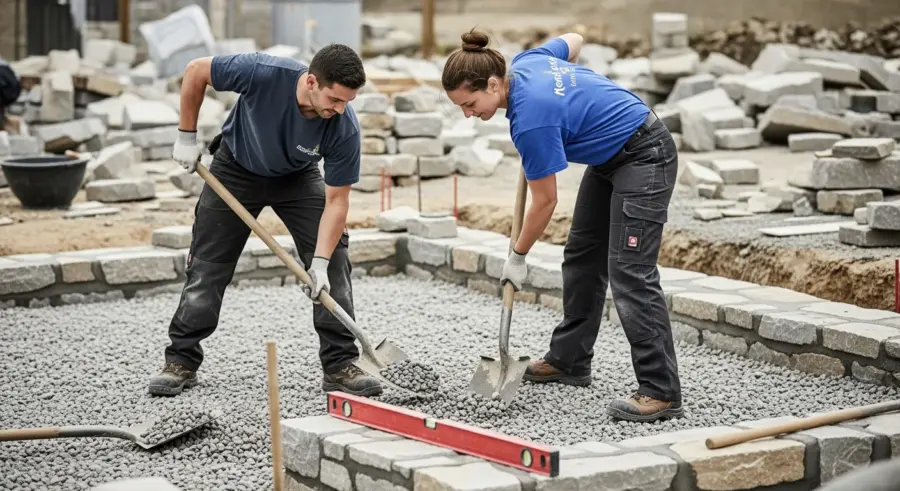
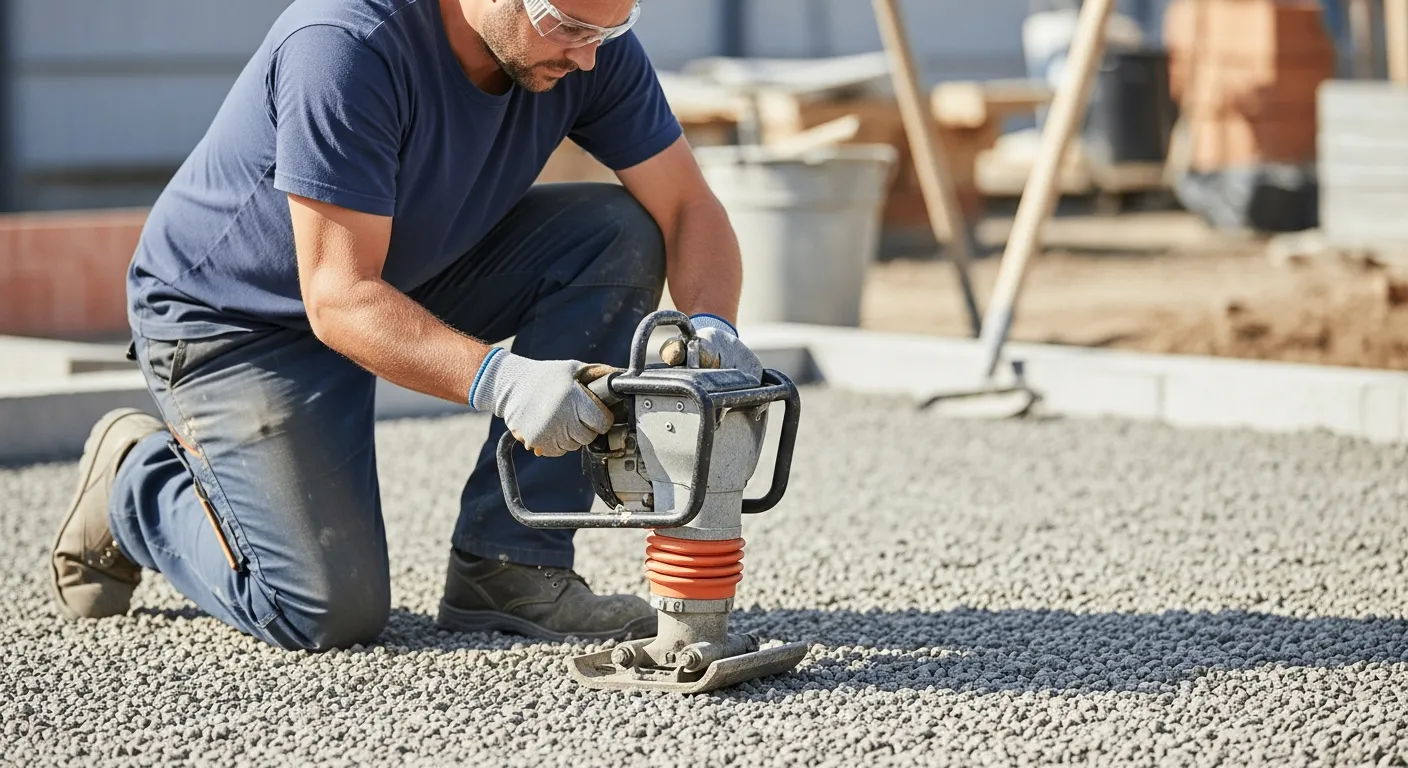
Compacting the gravel is a crucial step in creating a stable and durable foundation. Proper compaction ensures that the gravel particles are tightly interlocked, maximizing their load-bearing capacity and minimizing settling.
The most effective way to compact gravel is by using a mechanical compactor, such as a plate compactor or a vibratory roller. These machines apply force and vibration to consolidate the gravel layers.
- Compact in layers (lifts)
- Moisten gravel lightly
- Use appropriate equipment
- Check compaction density
- Overlap compaction passes
For smaller projects, a hand tamper can be used, but it requires more time and effort to achieve the same level of compaction. Regardless of the method used, it’s important to compact the gravel in layers, typically 4 to 6 inches thick.
Moistening the gravel lightly before compaction can also improve its density. The moisture helps the gravel particles bind together more effectively.
When using a plate compactor, make sure to overlap each pass by at least 6 inches. This ensures that the entire area is evenly compacted.
Avoid over-compacting the gravel, as this can reduce its permeability and hinder drainage. The goal is to achieve a dense, stable base without compromising its ability to drain water.
The number of passes required for adequate compaction will depend on the type of gravel and the equipment used. It’s important to monitor the compaction process and adjust as needed.
Consider using a soil density tester to verify the compaction density. This will ensure that the gravel meets the required specifications.
Proper compaction is essential for preventing settling and ensuring the long-term stability of the foundation. It’s a step that should not be overlooked.
Always follow the manufacturer’s instructions for operating the compaction equipment. Safety is paramount when working with heavy machinery.
Drainage Considerations for Gravel Foundations
Effective drainage is paramount in preventing water damage to stone foundations. Without proper drainage, water can accumulate around the foundation, leading to hydrostatic pressure, freeze-thaw damage, and eventual structural failure.
The gravel foundation itself provides a primary drainage layer, allowing water to flow freely away from the base of the stone wall. However, additional drainage measures may be necessary, depending on the site conditions and the design of the structure.
One common technique is to install a perforated drain pipe along the perimeter of the foundation. This pipe collects water and directs it away from the structure to a designated drainage area, such as a swale or a storm sewer.
The drain pipe should be surrounded by a layer of gravel to facilitate water flow and prevent clogging. The entire system should be designed to handle the expected volume of water based on rainfall patterns and soil permeability.
Grading the surrounding land away from the foundation is another important drainage consideration. This prevents surface water from pooling around the structure and directs it away from the foundation.
The drain pipe should be installed below the level of the foundation. This ensures that it effectively collects water before it can accumulate around the base of the wall.
The drainage area should be located far enough away from the foundation to prevent water from seeping back into the soil. A swale is a shallow ditch that can be used to direct water away from the structure.
Consider installing a sump pump if the water table is high or if the site is prone to flooding. A sump pump will automatically remove water that accumulates around the foundation.
Regularly inspect the drainage system to ensure that it is functioning properly. Clear any debris from the drain pipes and ensure that the grading is directing water away from the foundation.
Proper drainage is a critical component of a durable stone foundation. It protects the structure from water damage and ensures its long-term stability.
Remember to consult with a qualified engineer or contractor to design a drainage system that is appropriate for your specific site conditions.
Choosing the Right Base Material
Selecting the appropriate base material is critical for ensuring the longevity and stability of your stone foundation. The gravel type, size, and compaction method all play significant roles in the overall performance of the foundation.
For most stone foundations, crushed gravel is the preferred choice due to its angular shape and excellent compaction properties. The size of the gravel should be appropriate for the application, with larger stones at the bottom and smaller stones at the top to create a well-graded base.
The depth of the gravel layer should also be carefully considered. A thicker gravel layer provides better drainage and load distribution, but it also increases the cost and complexity of the project.
Consulting with a qualified engineer or contractor is highly recommended to determine the optimal base material and construction techniques for your specific project. They can assess the site conditions, soil type, and structural requirements to ensure a durable and long-lasting foundation.
Consider the load-bearing capacity of the soil. If the soil is weak, it may be necessary to use a stronger base material or to reinforce the soil with geogrid.
The gravel should be free of organic matter and other contaminants. These materials can decompose over time, leading to settling and instability.
The gravel should also be resistant to weathering and erosion. This will ensure that it maintains its structural integrity over time.
Consider the cost of the gravel. Different types of gravel vary in price, so it’s important to choose a material that is both suitable for the application and affordable.
The availability of the gravel is also a factor to consider. Some types of gravel may be difficult to obtain in certain areas.
Remember to factor in the cost of transportation when selecting a base material. The cost of transporting gravel can be significant, especially if it needs to be hauled over long distances.
Compaction and its Effects on Drainage
While compaction is essential for creating a stable foundation, it’s important to strike a balance between density and drainage. Over-compaction can reduce the permeability of the gravel, hindering its ability to drain water effectively.
The goal is to achieve a level of compaction that provides adequate support without compromising drainage. This can be accomplished by using the appropriate compaction equipment and techniques, as well as selecting a gravel type with good drainage properties.
Using a plate compactor in multiple passes, rather than a single, heavy pass, can help to achieve uniform compaction without over-densifying the gravel. It is important to check the compaction density using a soil density tester to ensure that it meets the required specifications.
It is also crucial to ensure that the surrounding soil is properly graded to direct water away from the foundation. Installing a drainage system, such as a perforated drain pipe, can further enhance drainage and prevent water from accumulating around the foundation.
The type of gravel used also plays a significant role in drainage. Crushed gravel, with its angular shape, tends to drain better than rounded gravel.
The size of the gravel particles also affects drainage. Smaller particles can fill in the gaps between larger particles, reducing permeability.
Consider using a well-graded gravel mix, which contains a variety of particle sizes. This can help to achieve a good balance between compaction and drainage.
It’s important to monitor the moisture content of the gravel during compaction. Too much moisture can reduce its ability to drain water.
The geotextile fabric can also affect drainage. Some fabrics are more permeable than others, so it’s important to choose a fabric that is appropriate for the application.
Proper drainage is essential for preventing hydrostatic pressure from building up against the foundation. This pressure can lead to cracking and other damage.
Maintaining Your Gravel Foundation
A gravel foundation, while robust, requires some maintenance to ensure its long-term performance. Regular inspections and timely repairs can prevent minor issues from escalating into major problems.
Check the foundation periodically for signs of settling, cracking, or water accumulation. Look for areas where the ground is uneven or where water is pooling after rainfall.
If you notice any issues, address them promptly. Small cracks can be repaired with mortar, while more significant settling may require additional gravel or structural reinforcement.
Ensure that the surrounding drainage systems are functioning properly. Clear any debris from the drain pipes and ensure that the grading is directing water away from the foundation.
By taking these simple steps, you can help to extend the life of your gravel foundation and protect your stone structure for years to come. Regular maintenance is a small price to pay for the peace of mind that comes with a solid foundation.
Monitor the vegetation around the foundation. Tree roots can damage the foundation over time, so it’s important to keep them trimmed back.
If you live in an area with heavy snowfall, be sure to clear the snow away from the foundation. The weight of the snow can put additional stress on the structure.
Consider applying a sealant to the stone foundation to protect it from water damage. This can help to extend its lifespan.
If you notice any signs of erosion around the foundation, take steps to correct the problem. This may involve adding more gravel or installing erosion control measures.
Regular maintenance is key to preventing costly repairs down the road. A little effort can go a long way in preserving the integrity of your stone foundation.
Keep a record of any maintenance or repairs that you perform on the foundation. This will help you to track its condition over time.
Conclusion
The gravel foundation is an unseen but essential component of any durable stone structure. By understanding the importance of proper gravel selection, site preparation, compaction, and drainage, you can ensure the longevity and stability of your stonework.
Investing the time and effort into building a solid gravel foundation is an investment in the future of your stone structure. Don’t underestimate the power of this often-overlooked element in creating a lasting legacy.
A well-constructed gravel foundation provides peace of mind, knowing that your stone structure is built on a solid and stable base. It’s a foundation that will stand the test of time.
Remember to consult with qualified professionals throughout the process. Their expertise can help you to avoid costly mistakes and ensure a successful project.
With careful planning and execution, you can create a stone structure that will be enjoyed for generations to come. The gravel foundation is the first step in that journey.