
Stone structures, whether ancient monuments or modern buildings, are constantly exposed to the elements. This exposure can lead to the growth of unwanted biological organisms. Selecting Biocides for Stone is essential to controlling this growth and preserving the integrity and appearance of the stone.
Biocides, including algaecides, fungicides, and bactericides, play a crucial role in this process. Understanding their properties and application methods is key to effective and safe stone conservation.
This article will explore the different types of biocides available. It will also cover how to apply them safely and effectively, ensuring the long-term preservation of stone surfaces.
Understanding Biological Growth on Stone
Biological growth on stone is a common problem, especially in damp or shaded environments. This growth can include algae, fungi, bacteria, and lichens.
These organisms not only cause aesthetic issues like discoloration and staining. They can also contribute to the physical deterioration of the stone itself.
Algae, for example, can trap moisture against the stone surface. This trapped moisture can lead to freeze-thaw damage in colder climates.
Fungi and bacteria can produce acids that dissolve certain types of stone, like limestone and marble. Lichens, which are a symbiotic relationship between fungi and algae, can penetrate the stone surface with their hyphae, causing structural damage over time.
Identifying the type of biological growth is the first step in selecting an appropriate biocide. Different organisms require different treatments for effective control.
The presence of biological growth can also indicate underlying issues with the stone structure. Poor drainage, excessive moisture, or inadequate ventilation can all contribute to the problem.
Addressing these underlying issues is crucial for preventing future biological growth. Simply applying a biocide without addressing the root cause is often a temporary solution.
Regular inspections of stone structures can help identify early signs of biological growth. Early detection allows for prompt treatment and prevents the problem from escalating.
Consider the location and orientation of the stone structure when assessing the risk of biological growth. North-facing surfaces that receive less sunlight are more prone to algae and fungal growth.
Stone surfaces near vegetation or water sources are also at higher risk. Proximity to these elements increases the likelihood of spore dispersal and moisture accumulation.
Different types of stone are also more susceptible to certain types of biological growth. Porous stones like sandstone and limestone are more vulnerable than dense stones like granite.
Understanding the specific characteristics of the stone is essential for choosing the right biocide and application method. This understanding will help ensure effective treatment without causing damage to the stone.
Types of Biocides
Biocides are chemical agents designed to kill or inhibit the growth of living organisms. In the context of stone conservation, they are used to control biological growth that damages or disfigures stone surfaces.
There are several types of biocides available, each targeting specific types of organisms. The main categories include algaecides, fungicides, and bactericides.
Algaecides are designed to kill or inhibit the growth of algae. Fungicides target fungi, including molds and mildews.
Bactericides are used to control bacterial growth. Some biocides have a broad spectrum of activity, meaning they are effective against a range of organisms, while others are more specific.
When selecting a biocide, it is important to consider the type of biological growth present, the type of stone being treated, and the potential environmental impact of the product.
In addition to the main categories, there are also products that combine multiple biocidal agents. These combination products can be effective against a wider range of organisms.
It’s crucial to read the product label carefully to understand the active ingredients and their intended uses. The label will also provide information on safety precautions and application instructions.
Some biocides are formulated as concentrates that need to be diluted before application. Others are ready-to-use solutions that can be applied directly to the stone surface.
The choice between a concentrate and a ready-to-use solution depends on the size of the area being treated and the desired level of control over the concentration. Concentrates are often more economical for large projects.
Consider the long-term effects of the biocide on the stone and the surrounding environment. Some biocides can leave residues that may be harmful or unsightly.
Choose biocides that are specifically formulated for use on stone and that have a proven track record of safety and effectiveness. Look for products that have been tested and approved by relevant regulatory agencies.
Research the different brands and formulations of biocides available. Compare their active ingredients, application methods, and environmental impact.
Consult with a stone conservator or professional to get recommendations on the best biocide for your specific situation. Their expertise can help you make an informed decision.
Biocide Selection Criteria
Choosing the right biocide involves several important considerations. You must balance effectiveness with safety and environmental impact.
Here are key factors to consider when selecting biocides for stone.
| Criteria | Description | Considerations |
|---|---|---|
| Target Organism | The specific type of biological growth (algae, fungi, bacteria) | Identify the organism accurately to choose a biocide that is effective against it. |
| Stone Type | The type of stone being treated (limestone, sandstone, granite, etc.) | Some biocides can react negatively with certain types of stone, causing discoloration or damage. |
| Environmental Impact | The potential effects of the biocide on the surrounding environment | Choose biocides with low toxicity and minimal environmental persistence. |
| Application Method | How the biocide will be applied (spraying, brushing, poulticing) | Select a biocide that is compatible with the intended application method. |
| Safety | The safety of the biocide for applicators and the public | Use appropriate personal protective equipment (PPE) and follow safety guidelines carefully. |
Careful evaluation of these factors will help ensure the selection of an appropriate biocide. This will effectively control biological growth while minimizing potential risks.
Always consult with a qualified stone conservator or professional before applying any biocide to a stone structure. Their expertise can help you make the best decision for your specific situation.
Consider the pH of the biocide and its compatibility with the stone. Highly acidic or alkaline biocides can damage certain types of stone.
Check the biocide’s compatibility with any existing coatings or treatments on the stone. Some biocides can react negatively with these materials.
Evaluate the biocide’s staining potential. Some biocides can leave visible stains on the stone surface, especially if they are not properly rinsed.
Consider the biocide’s odor and its potential impact on nearby residents or workers. Choose biocides with low odor or that can be applied in a well-ventilated area.
Check the biocide’s shelf life and storage requirements. Store biocides in a cool, dry place away from direct sunlight and extreme temperatures.
Dispose of unused biocide properly according to local regulations. Do not pour biocide down the drain or into the environment.
Document the biocide application, including the date, time, product used, concentration, and application method. This documentation can be helpful for future reference.
Monitor the treated area regularly for signs of regrowth. Reapply the biocide as needed, following the manufacturer’s instructions.
Algaecides: Targeting Algae Growth
Algae are photosynthetic organisms that thrive in moist environments. They commonly appear as green, black, or brown stains on stone surfaces.
Algae growth is not only unsightly. It can also contribute to the deterioration of stone by trapping moisture and attracting other types of biological growth.
Common algaecides used in stone conservation include quaternary ammonium compounds (QACs) and benzalkonium chloride. These chemicals disrupt the cell membranes of algae, leading to their death.
When applying algaecides, it is important to thoroughly saturate the affected area. This saturation ensures that the chemical reaches all of the algae cells.
Multiple applications may be necessary to completely eradicate the algae. Always follow the manufacturer’s instructions for dilution and application rates.
Before applying an algaecide, consider the potential impact on surrounding vegetation. Some algaecides can be harmful to plants.
Protect any nearby plants by covering them with plastic sheeting or tarps. Avoid spraying algaecide on windy days to prevent drift.
Use a low-pressure sprayer to apply the algaecide evenly. Avoid over-spraying, which can lead to runoff and waste.
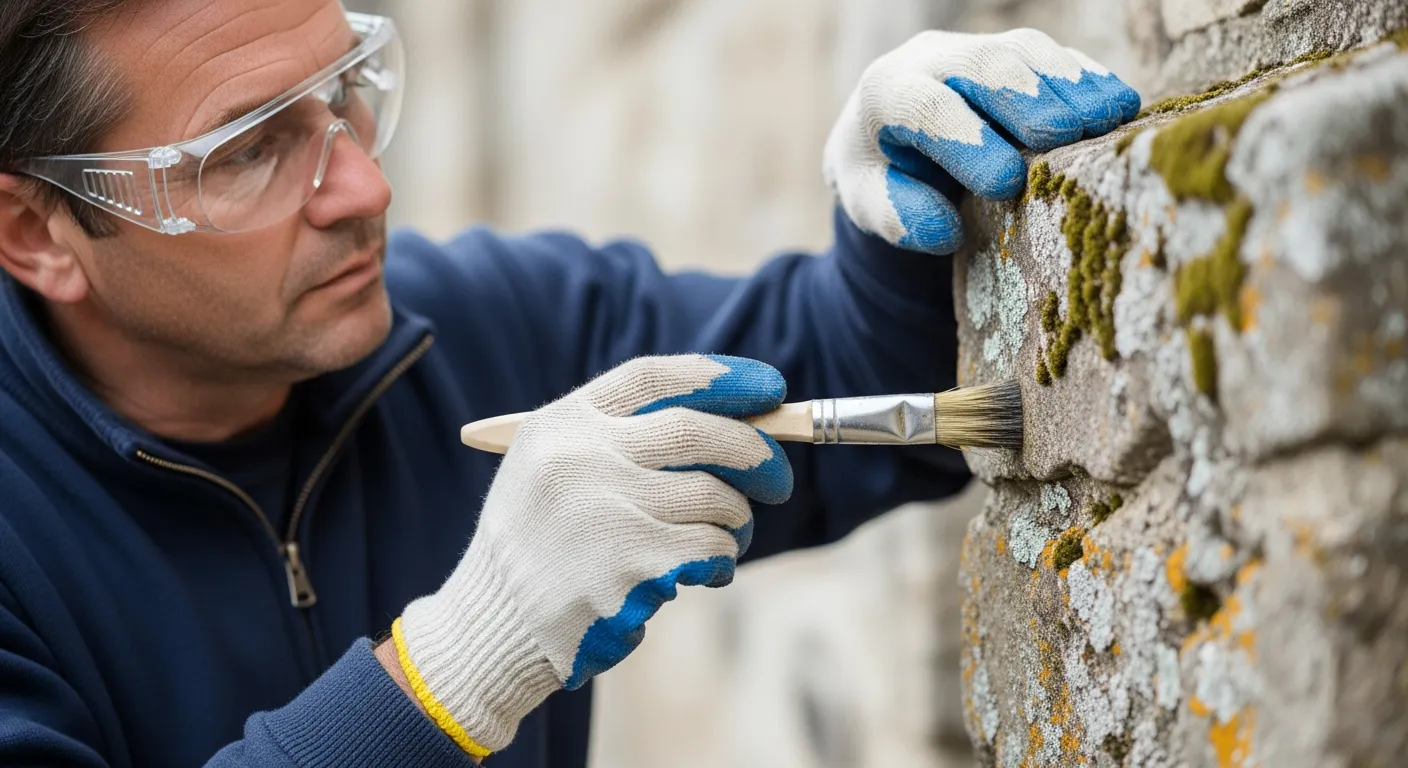
Consider using a brush to apply the algaecide to small or hard-to-reach areas. This method allows for more precise application and reduces the risk of overspray.
After applying the algaecide, allow it to dry completely before rinsing the stone surface. This drying time allows the algaecide to penetrate the algae cells and kill them.
Rinse the stone surface thoroughly with clean water to remove any residual algaecide. This rinsing helps prevent staining or discoloration.
Dispose of any leftover algaecide properly according to local regulations. Do not pour algaecide down the drain or into the environment.
Monitor the treated area regularly for signs of algae regrowth. Reapply the algaecide as needed, following the manufacturer’s instructions.
Fungicides: Eliminating Fungi
Fungi are heterotrophic organisms that obtain nutrients from organic matter. They often appear as mold, mildew, or discoloration on stone surfaces.
Fungal growth can be particularly damaging to stone. It produces enzymes and acids that break down the stone’s structure.
Common fungicides used in stone conservation include azoles, such as fluconazole and itraconazole, and other organic compounds. These chemicals inhibit the growth of fungi by interfering with their metabolic processes.
Fungicides should be applied in a manner that ensures deep penetration into the stone. This penetration is crucial to reaching the fungal hyphae that may be embedded within the material.
In some cases, it may be necessary to remove visible fungal growth before applying the fungicide. This removal can be done using gentle brushing or vacuuming.
Before applying a fungicide, identify the type of fungus present. Different fungi require different treatments for effective control.
Consider using a poultice to apply the fungicide to porous stones. A poultice is a paste-like mixture that is applied to the stone surface and allowed to dry. It draws the fungicide deep into the stone pores.
Apply the fungicide in multiple thin layers rather than one thick layer. This layering allows for better penetration and reduces the risk of runoff.
Allow the fungicide to remain on the stone surface for the recommended contact time. This contact time allows the fungicide to kill the fungal hyphae.
After the contact time, rinse the stone surface thoroughly with clean water. This rinsing removes any residual fungicide and prevents staining.
Consider applying a sealant to the stone surface after the fungicide treatment. This sealant helps prevent future fungal growth by creating a barrier against moisture.
Ensure proper ventilation in the area being treated. Some fungicides can release harmful vapors.
Dispose of any leftover fungicide properly according to local regulations. Do not pour fungicide down the drain or into the environment.
Bactericides: Controlling Bacteria
Bacteria are single-celled microorganisms that can contribute to the deterioration of stone. Some bacteria produce acids that dissolve stone, while others create biofilms that trap moisture and promote other types of biological growth.
Bactericides are used to control bacterial populations on stone surfaces. Common bactericides include quaternary ammonium compounds (QACs) and other antimicrobial agents.
- Thoroughly clean the stone surface before application
- Apply bactericides evenly to ensure complete coverage
- Allow sufficient contact time for the bactericide to work
- Monitor the treated area for signs of regrowth
- Reapply as needed, following manufacturer’s instructions
When applying bactericides, it is important to ensure that the stone surface is clean and free of debris. This cleanliness allows the bactericide to come into direct contact with the bacteria.
Consider using a steam cleaner to sanitize the stone surface before applying the bactericide. Steam cleaning can help kill bacteria and remove biofilms.
Apply the bactericide in a fine mist to ensure even coverage. Avoid oversaturating the stone surface, as this can lead to runoff.
Use a brush to work the bactericide into the stone pores. This action helps ensure that the bactericide reaches all of the bacteria.
Allow the bactericide to remain on the stone surface for the recommended contact time. This contact time allows the bactericide to kill the bacteria.
Rinse the stone surface thoroughly with clean water after the contact time. This rinsing removes any residual bactericide and prevents staining.
Consider applying a protective coating to the stone surface after the bactericide treatment. This coating helps prevent future bacterial growth.
Monitor the treated area regularly for signs of bacterial regrowth. Reapply the bactericide as needed, following the manufacturer’s instructions.
Dispose of any leftover bactericide properly according to local regulations. Do not pour bactericide down the drain or into the environment.
Specific Biocide Examples
Many different biocides are available for stone conservation. Each one has specific properties and uses.
Here are a few examples of commonly used biocides, along with their applications.
Benzalkonium chloride is a quaternary ammonium compound effective against algae, bacteria, and some fungi. It is often used as a general-purpose biocide for stone surfaces.
Didecyldimethylammonium chloride (DDAC) is another QAC with similar properties to benzalkonium chloride. It is known for its broad-spectrum activity and relatively low toxicity.
Azoles, such as fluconazole and itraconazole, are fungicides that are particularly effective against molds and mildews. They are often used in situations where fungal growth is a major concern.
Sodium hypochlorite, or bleach, can be used as a bactericide and algaecide. However, it should be used with caution, as it can cause discoloration or damage to certain types of stone.
Copper sulfate is an algaecide that is often used to control algae growth in swimming pools and ponds. It can also be used to treat algae growth on stone surfaces, but it should be used with caution, as it can stain certain types of stone.
Potassium permanganate is a bactericide and fungicide that can be used to treat a variety of biological growths on stone surfaces. It is a strong oxidizing agent and should be used with caution.
Thymol is a natural fungicide and bactericide that is derived from thyme oil. It is a relatively safe and effective option for controlling biological growth on stone surfaces.
Essential oils, such as tea tree oil and clove oil, have antimicrobial properties and can be used to control biological growth on stone surfaces. They are a natural and relatively safe option.
Bio-enzymatic cleaners contain enzymes that break down organic matter, which can help to prevent biological growth on stone surfaces. They are a relatively safe and environmentally friendly option.
Always test any biocide on a small, inconspicuous area of the stone before applying it to the entire surface. This testing helps to ensure that the biocide does not cause any damage or discoloration.
Applying Biocides Safely and Effectively
Applying biocides requires careful attention to safety and technique. Improper application can result in ineffective treatment or damage to the stone.
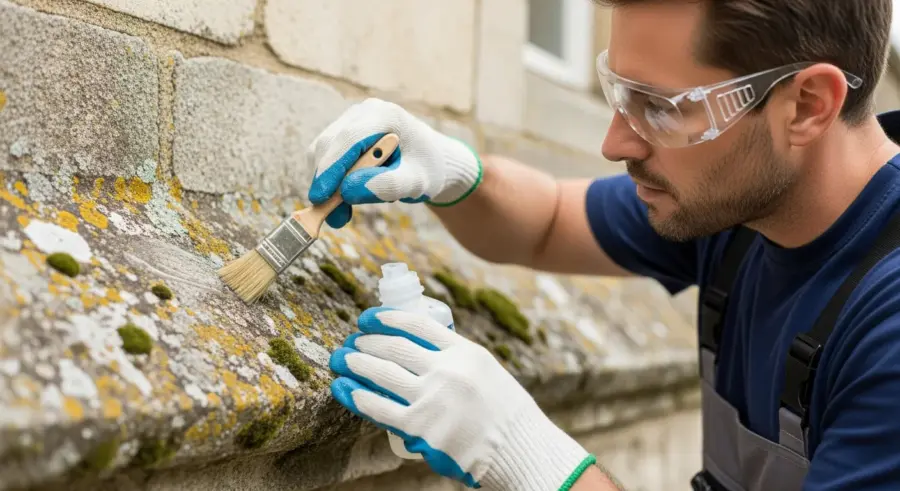
Always wear appropriate personal protective equipment (PPE), including gloves, eye protection, and a respirator. This protection is essential to prevent exposure to the chemicals.
Before applying any biocide, thoroughly clean the stone surface. Remove any loose debris, dirt, or biological growth.
Apply the biocide evenly, using a sprayer, brush, or poultice, depending on the product and the situation. Ensure that the biocide penetrates the stone surface to reach the organisms causing the problem.
Follow the manufacturer’s instructions for dilution rates, application methods, and contact times. Allow the biocide to remain on the surface for the recommended time before rinsing or wiping it off.
Work in a well-ventilated area to minimize exposure to biocide vapors. Open windows and doors or use a fan to circulate the air.
Protect surrounding surfaces from overspray. Cover nearby plants, furniture, and other objects with plastic sheeting or tarps.
Avoid applying biocides on windy days. Wind can cause the biocide to drift and contaminate unintended areas.
Use a low-pressure sprayer to apply the biocide. High-pressure sprayers can damage the stone surface.
Apply the biocide in multiple thin layers rather than one thick layer. This layering allows for better penetration and reduces the risk of runoff.
Allow the biocide to dry completely before rinsing the stone surface. This drying time allows the biocide to kill the biological organisms.
Rinse the stone surface thoroughly with clean water to remove any residual biocide. This rinsing helps prevent staining or discoloration.
Dispose of any leftover biocide properly according to local regulations. Do not pour biocide down the drain or into the environment.
Long-Term Maintenance and Prevention
Biocide treatment is often just one part of a larger stone conservation strategy. Long-term maintenance and preventive measures are essential to minimize the recurrence of biological growth.
Regular cleaning of stone surfaces can help prevent the accumulation of dirt and organic matter. This organic matter provides a food source for biological organisms.
Ensure proper drainage around stone structures to minimize moisture retention. Moisture is a key factor in promoting biological growth.
Consider applying a protective coating or sealant to the stone surface. This coating can help prevent moisture penetration and biological colonization.
Regular inspections of stone structures can help identify and address problems early. Early identification prevents them from becoming more serious.
Trim vegetation that is growing close to stone structures. Vegetation can trap moisture and provide shade, creating a favorable environment for biological growth.
Install gutters and downspouts to direct rainwater away from stone structures. This action helps prevent water damage and biological growth.
Consider using a dehumidifier in enclosed spaces to reduce humidity levels. Lower humidity levels can help prevent biological growth.
Improve ventilation in enclosed spaces to reduce moisture buildup. Proper ventilation helps to keep stone surfaces dry and prevent biological growth.
Use a mild detergent and water to clean stone surfaces regularly. Avoid using harsh chemicals or abrasive cleaners, as they can damage the stone.
Consider using a pressure washer to clean stone surfaces. However, use caution, as high pressure can damage certain types of stone.
Apply a biocide preventatively to stone surfaces that are prone to biological growth. This preventative treatment can help to keep the stone clean and free of biological organisms.
Consult with a stone conservator or professional to develop a long-term maintenance plan for your stone structures. This plan will help to ensure that your stone structures remain in good condition for years to come.
Conclusion
Selecting Biocides for Stone requires a thorough understanding of the types of biological growth affecting the stone. It also requires knowledge of the properties and application methods of different biocides.
By carefully considering the factors outlined in this article, you can effectively control biological growth. You can also preserve the beauty and integrity of stone structures for years to come.
Remember that biocide application is just one aspect of stone conservation. Long-term maintenance and preventative measures are equally important.
Consult with a qualified professional for expert advice on the best approach for your specific situation. Their knowledge and experience can help you achieve the best possible results.
Prioritize safety and environmental responsibility when selecting and applying biocides. Choose products that are effective yet minimize potential risks to people and the environment.
Stay informed about new developments in biocide technology and stone conservation practices. Continuous learning will help you make informed decisions and improve your conservation efforts.
By following these guidelines, you can ensure the long-term health and beauty of your stone structures. These structures will stand as testaments to the past for generations to come.