
Stone structures, whether ancient monuments or modern buildings, are constantly exposed to environmental stressors. These stresses can cause cracking and degradation of the mortar that binds the stones together.
Traditional mortar, while effective, often lacks the tensile strength needed to withstand these forces over long periods. That’s where fiber reinforcement in mortar comes in, offering a practical solution for enhancing the durability and longevity of stone constructions.
By incorporating fibers into the mortar mix, we can significantly improve its resistance to cracking and overall performance. This article will explore the benefits, types, and application techniques of fiber reinforcement in mortar for lithic conservation and stone masonry.
Understanding Fiber Reinforcement
Fiber reinforcement is a technique used to improve the mechanical properties of mortar by adding fibers to the mix. These fibers act as a reinforcement network, distributing stress and preventing cracks from propagating.
Think of it like the rebar in concrete, but on a much smaller scale. The fibers essentially bridge micro-cracks that form within the mortar matrix, preventing them from widening and causing structural damage.
This reinforcement mechanism is particularly beneficial in stone structures, where movement and settling can create significant stress on the mortar joints. By increasing the mortar’s tensile strength, fiber reinforcement helps to maintain the integrity of the entire structure.
Ultimately, this leads to fewer repairs and a longer lifespan for the stone construction. It’s a proactive approach to conservation, addressing the root causes of mortar failure rather than just treating the symptoms.
The concept of fiber reinforcement isn’t new, but its application in mortar for stone conservation has gained significant traction in recent years. This is due to a growing understanding of the limitations of traditional mortar and the increasing availability of high-performance fiber materials.
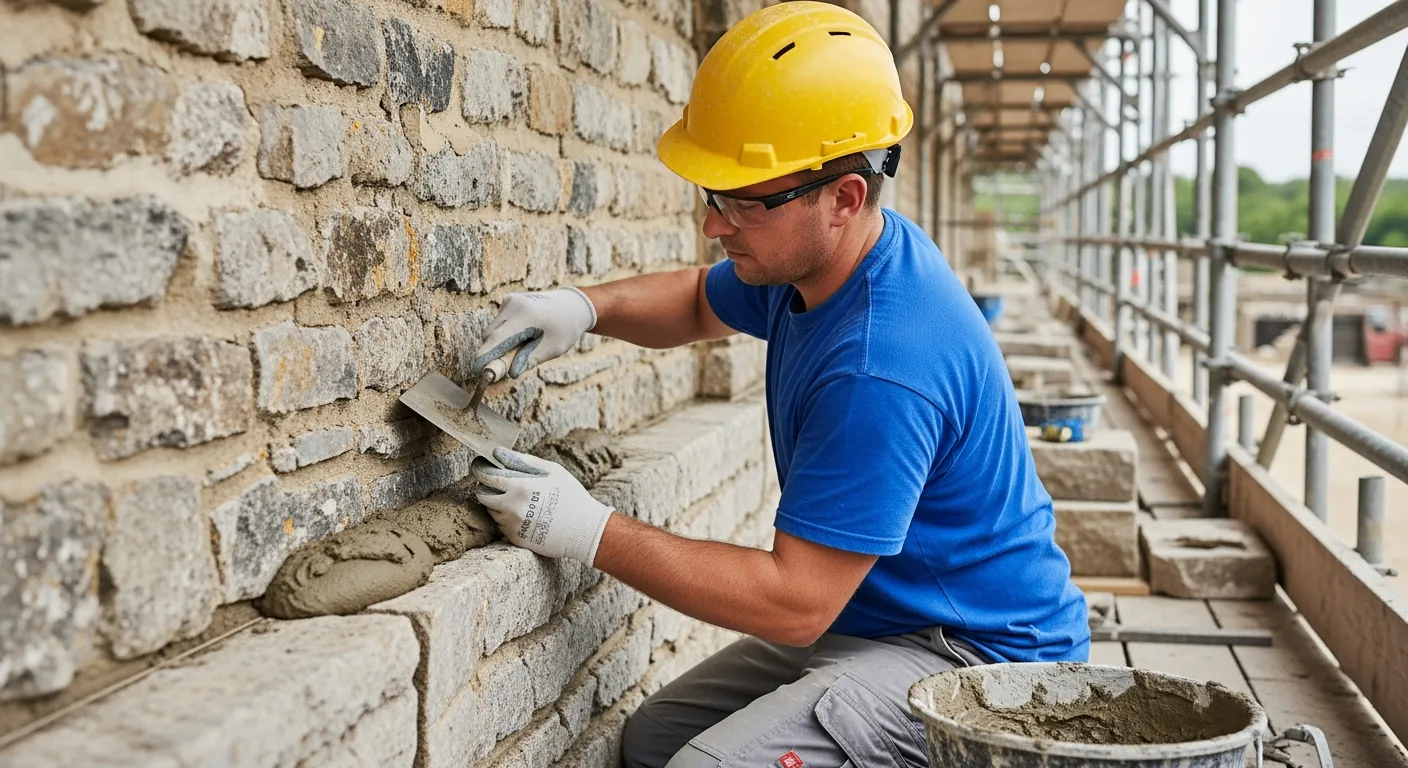
The fibers used in mortar reinforcement can be made from a variety of materials, each with its own unique properties and advantages. The choice of fiber depends on the specific requirements of the project, including the type of stone, the environmental conditions, and the desired aesthetic appearance.
The fibers work by increasing the mortar’s resistance to tensile stresses. Tensile stress is the force that pulls on a material, and it is a major cause of cracking in mortar joints. By adding fibers, the mortar can better withstand these tensile forces, reducing the likelihood of cracking and extending the life of the structure.
Furthermore, fiber reinforcement can improve the mortar’s resistance to shrinkage cracking. As mortar dries, it shrinks, which can create stresses that lead to cracking. The fibers help to restrain this shrinkage, minimizing the formation of cracks and improving the overall durability of the mortar.
Benefits of Adding Fibers to Mortar
The primary benefit of adding fibers to mortar is increased tensile strength. This means the mortar can withstand greater pulling forces before cracking, making it more resistant to movement and stress.
Another significant advantage is reduced shrinkage cracking. As mortar dries, it naturally shrinks, which can lead to cracks; however, fibers help to restrain this shrinkage, minimizing the formation of these cracks.
Improved durability is another key benefit. Fiber-reinforced mortar is more resistant to freeze-thaw cycles, salt attack, and other environmental factors that can degrade traditional mortar over time.
Finally, fiber reinforcement can enhance the bond between the mortar and the surrounding stones. This stronger bond provides better stability and reduces the risk of stones becoming dislodged.
Beyond these core benefits, fiber reinforcement can also improve the workability of the mortar. The fibers can help to hold the mortar together, making it easier to apply and shape.
This improved workability can be particularly beneficial in complex or intricate stone masonry projects. It allows for more precise application and reduces the risk of the mortar slumping or cracking before it has fully cured.
Furthermore, fiber reinforcement can contribute to a more aesthetically pleasing finish. By reducing cracking and improving the overall appearance of the mortar joints, it can enhance the visual appeal of the stone structure.
In the long run, the benefits of fiber reinforcement translate into cost savings. By extending the lifespan of the mortar and reducing the need for repairs, it can significantly lower the overall cost of maintaining the stone structure.
Types of Fibers Used in Mortar (Synthetic and Natural)
Various types of fibers can be used for reinforcement, each with its own unique properties and applications. These fibers generally fall into two categories: synthetic and natural.
Synthetic fibers, such as polypropylene and nylon, are manufactured materials with high tensile strength and durability. Natural fibers, like hemp and flax, are derived from plant sources and offer a more sustainable and eco-friendly option.
| Fiber Type | Material | Tensile Strength | Benefits | Considerations |
|---|---|---|---|---|
| Polypropylene | Synthetic Polymer | Moderate | High resistance to chemicals, low cost | Low melting point, not biodegradable |
| Nylon | Synthetic Polyamide | High | Excellent elasticity, good abrasion resistance | Susceptible to UV degradation, higher cost |
| Hemp | Natural Bast Fiber | Moderate to High | Sustainable, good tensile strength | Can be susceptible to moisture, requires treatment |
| Flax | Natural Bast Fiber | High | High tensile strength, biodegradable | More expensive than hemp, requires treatment |
| Carbon Fiber | Synthetic | Very High | Very high tensile strength, lightweight | High cost, can be difficult to work with |
| Glass Fiber | Synthetic | High | High tensile strength, cost-effective | Can be brittle, requires careful handling |
The selection of fiber type is a critical decision in the mortar reinforcement process. It directly impacts the performance, durability, and environmental footprint of the final product.
Synthetic fibers generally offer superior strength and resistance to degradation compared to natural fibers. However, they are derived from petroleum-based products and are not biodegradable, raising environmental concerns.
Natural fibers, on the other hand, are renewable and biodegradable, making them a more sustainable choice. However, they may require treatment to improve their resistance to moisture and biological attack.
The choice between synthetic and natural fibers often involves a trade-off between performance and sustainability. It’s important to carefully consider the specific requirements of the project and weigh the pros and cons of each option.
Synthetic Fiber Options
Polypropylene fibers are a popular choice due to their affordability and resistance to chemical degradation. They are particularly effective in reducing plastic shrinkage cracking in mortar.
Nylon fibers offer higher tensile strength and elasticity compared to polypropylene. This makes them suitable for applications where greater flexibility and resistance to movement are required.
Carbon fibers provide exceptional strength and stiffness, but they are also the most expensive option. They are typically used in high-performance applications where maximum reinforcement is needed.
Glass fibers are another strong and cost-effective option. However, they can be more brittle than other synthetic fibers, requiring careful handling and mixing to avoid damage.
Within each type of synthetic fiber, there are variations in length, diameter, and surface texture. These variations can affect the fiber’s performance and workability in the mortar mix.
For example, longer fibers generally provide greater reinforcement, but they can also be more difficult to mix and may increase the risk of clumping. Finer fibers offer better dispersion and workability, but they may not provide as much reinforcement as coarser fibers.
The surface texture of the fiber can also influence its bond with the mortar matrix. Fibers with a rougher surface tend to bond better, providing greater resistance to pull-out.
When selecting synthetic fibers, it’s important to consider these variations and choose the option that best meets the specific requirements of your project. Consult with a materials specialist to determine the optimal fiber type and properties for your application.
Natural Fiber Options
Hemp fibers are a sustainable and renewable resource that offers good tensile strength and durability. They are a popular choice for eco-conscious projects and historic preservation work.
Flax fibers are another excellent natural option, known for their high tensile strength and biodegradability. They are often used in applications where sustainability is a primary concern.
However, natural fibers are susceptible to moisture and biological degradation if not properly treated. It’s essential to use appropriate preservatives and ensure proper drainage to prevent decay.
The choice between synthetic and natural fibers depends on the specific requirements of the project, including cost, performance, and environmental considerations. Each type offers distinct advantages and disadvantages that should be carefully evaluated.
Beyond hemp and flax, other natural fibers, such as jute and sisal, can also be used for mortar reinforcement. These fibers offer varying degrees of strength, durability, and resistance to degradation.
The processing and treatment of natural fibers can significantly impact their performance. For example, fibers that have been properly retted (a process of separating the fibers from the plant stem) tend to be stronger and more durable.
Similarly, fibers that have been treated with preservatives are less susceptible to moisture and biological attack. It’s important to source natural fibers from reputable suppliers who follow best practices for processing and treatment.
When using natural fibers, it’s also important to consider their compatibility with the other mortar ingredients. Some natural fibers may react with certain types of cement or additives, potentially affecting the mortar’s performance. Conduct thorough testing to ensure compatibility before using natural fibers in your project.
Proper Mixing and Application Techniques
The success of fiber reinforcement depends not only on the type of fiber used but also on proper mixing and application techniques. It’s crucial to ensure that the fibers are evenly distributed throughout the mortar mix to maximize their effectiveness.
Start by carefully measuring the mortar ingredients, including the fibers, according to the manufacturer’s instructions. Adding too many fibers can make the mortar difficult to work with, while too few may not provide adequate reinforcement.
Next, thoroughly mix the dry ingredients before adding water. This helps to prevent clumping and ensures that the fibers are evenly dispersed throughout the mix.
Gradually add water while mixing until the mortar reaches the desired consistency. Avoid adding too much water, as this can weaken the mortar and reduce its bond strength.
The mixing process is critical for achieving a homogenous mortar mix with evenly distributed fibers. Inadequate mixing can lead to clumps of fibers, reducing their effectiveness and potentially creating weak points in the mortar.
The order in which the ingredients are added to the mixer can also affect the quality of the mix. It’s generally recommended to add the fibers after the dry ingredients have been thoroughly mixed but before the water is added.
The mixing time will vary depending on the type of mixer and the size of the batch. However, it’s generally recommended to mix for at least 5-10 minutes to ensure that the fibers are properly dispersed.
Once the mortar is mixed, it should be applied promptly. Allowing the mortar to sit for too long can cause the fibers to settle, reducing their effectiveness. If the mortar needs to sit for a period of time, it should be remixed before application.
Best Practices for Fiber Dispersion
To ensure proper fiber dispersion, use a mechanical mixer rather than mixing by hand. A mechanical mixer provides more consistent and thorough mixing, especially when dealing with larger batches of mortar.
Add the fibers slowly and gradually while the mixer is running. This helps to prevent them from clumping together and ensures that they are evenly distributed throughout the mix.
Mix the mortar for a sufficient amount of time to achieve a uniform consistency. The mixing time will vary depending on the type of mixer and the size of the batch, but it’s generally recommended to mix for at least 5-10 minutes.
Once the mortar is mixed, apply it using standard masonry techniques. Ensure that the mortar joints are fully filled and properly compacted to maximize the bond between the mortar and the stones.
The type of mechanical mixer used can also influence fiber dispersion. Pan mixers and ribbon mixers are generally more effective at dispersing fibers than drum mixers.
When adding the fibers, it’s helpful to use a sieve or screen to break up any clumps and ensure that they are evenly distributed. The sieve should have a mesh size that is appropriate for the size of the fibers.
After mixing, it’s important to inspect the mortar mix to ensure that the fibers are properly dispersed. Look for any clumps or areas where the fibers are concentrated. If clumps are present, the mortar should be remixed.
The application technique can also affect fiber dispersion. Avoid overworking the mortar, as this can cause the fibers to migrate to the surface. Use a gentle troweling action to ensure that the fibers remain evenly distributed throughout the mortar joint.
Choosing the Right Fiber for Your Project
Selecting the appropriate fiber type is crucial for achieving the desired performance in your mortar. Consider the specific requirements of your project, including the type of stone, the exposure conditions, and the desired aesthetic.
Also, think about the type of mortar you’re using. Some fibers may be more compatible with certain types of mortar than others. It’s important to consult with a materials specialist or experienced stone mason to determine the best fiber for your specific application.
- Consider the type of stone being used
- Assess the environmental exposure conditions
- Evaluate the desired aesthetic appearance
- Determine the required strength and flexibility
- Consult with a materials specialist
The compatibility of the fiber with the mortar matrix is a key consideration. Some fibers may react with certain mortar components, leading to reduced performance or even degradation of the mortar.
The size and shape of the fiber should also be considered. Fibers that are too large may be difficult to mix and apply, while fibers that are too small may not provide adequate reinforcement.
The durability of the fiber is another important factor. The fiber should be able to withstand the environmental conditions to which the mortar will be exposed, such as moisture, temperature changes, and UV radiation.
Finally, the cost of the fiber should be considered. While high-performance fibers may offer superior performance, they may also be more expensive. It’s important to balance performance with cost to find the most cost-effective solution for your project.
Matching Fiber Properties to Project Needs
If you’re working on a historic preservation project, natural fibers like hemp or flax may be the most appropriate choice. These fibers are more compatible with traditional building materials and offer a more authentic aesthetic.
For modern construction projects, synthetic fibers like polypropylene or nylon may be preferred. These fibers offer higher strength and durability, making them suitable for demanding applications.
In coastal environments where salt attack is a concern, polypropylene fibers are an excellent choice due to their high resistance to chemical degradation. For areas with frequent freeze-thaw cycles, consider using fibers that offer good elasticity and resistance to cracking.
Ultimately, the best fiber for your project will depend on a careful evaluation of your specific needs and priorities. Take the time to research the different options and consult with experts to ensure that you make the right choice.
Consider the desired level of reinforcement. For projects requiring high strength and durability, high-performance fibers like carbon or glass fibers may be necessary.
Think about the aesthetic requirements of the project. If the mortar joints will be visible, the color and texture of the fiber should be compatible with the surrounding stone.
Evaluate the environmental impact of the fiber. If sustainability is a priority, natural fibers or recycled synthetic fibers may be the best choice.
Consider the long-term maintenance requirements of the mortar. Some fibers may require more frequent maintenance than others. Factor in the cost of maintenance when selecting a fiber type.
Case Studies: Fiber-Reinforced Mortar in Action
Fiber-reinforced mortar has been successfully used in numerous conservation and construction projects around the world. These case studies demonstrate the effectiveness of this technique in enhancing the durability and longevity of stone structures.
One notable example is the restoration of a historic stone bridge in Italy. The bridge had suffered significant cracking and degradation due to years of exposure to the elements, but fiber-reinforced mortar was used to repair the damaged areas, significantly improving the bridge’s structural integrity and extending its lifespan.
Another case study involves the conservation of an ancient temple in Southeast Asia. The temple’s stone walls were crumbling due to moisture and biological growth, but fiber-reinforced mortar was used to stabilize the walls and prevent further deterioration.
These are just a couple of examples of how fiber reinforcement can be used to protect and preserve our cultural heritage. By understanding the benefits and application techniques of this technology, we can ensure that these structures continue to stand for generations to come.
The use of fiber-reinforced mortar in the restoration of Hadrian’s Wall in the UK showcased its ability to withstand harsh weather conditions. The mortar helped to stabilize the wall and prevent further erosion, ensuring its preservation for future generations.
In the construction of a modern stone building in Dubai, fiber-reinforced mortar was used to enhance the building’s resistance to seismic activity. The mortar’s increased tensile strength and flexibility helped to absorb the energy from earthquakes, protecting the building from damage.
The restoration of a historic cathedral in France involved the use of hemp fiber-reinforced mortar to repair cracked and damaged stone elements. The natural fibers provided a sustainable and aesthetically appropriate solution, preserving the cathedral’s original character.
These case studies highlight the versatility of fiber-reinforced mortar and its ability to address a wide range of challenges in stone conservation and construction. By carefully selecting the appropriate fiber type and application technique, it is possible to achieve significant improvements in the durability and longevity of stone structures.
Lessons Learned from Real-World Applications
One key lesson from these case studies is the importance of proper fiber selection. Choosing the right fiber for the specific environment and type of stone is crucial for achieving optimal performance.
Another important takeaway is the need for careful mixing and application. Ensuring that the fibers are evenly distributed throughout the mortar mix is essential for maximizing their reinforcement effect.
Additionally, regular maintenance and inspection are necessary to identify and address any potential problems early on. This can help to prevent further damage and extend the lifespan of the repair.
Finally, collaboration between stone masons, engineers, and materials specialists is essential for successful project outcomes. By sharing knowledge and expertise, we can ensure that fiber-reinforced mortar is used effectively and appropriately.
The importance of proper surface preparation cannot be overstated. The stone surfaces must be clean, sound, and free of any loose material to ensure a good bond with the mortar.
The curing process is also critical for the long-term performance of fiber-reinforced mortar. The mortar must be protected from extreme temperatures and moisture loss during the curing period.
Monitoring the performance of the mortar over time is essential for identifying any potential problems and taking corrective action. Regular inspections should be conducted to check for cracking, spalling, or other signs of deterioration.
The use of fiber-reinforced mortar is not a one-size-fits-all solution. Each project is unique and requires careful consideration of the specific requirements and challenges. By learning from past experiences and adopting best practices, we can ensure that fiber-reinforced mortar is used effectively to protect and preserve our stone heritage.
Conclusion
Fiber reinforcement in mortar is a valuable technique for enhancing the durability and longevity of stone structures. By increasing the mortar’s tensile strength and resistance to cracking, we can protect these structures from the damaging effects of environmental stressors.
Whether you’re working on a historic preservation project or a new construction, consider the benefits of fiber reinforcement. With careful planning, proper application, and regular maintenance, you can ensure that your stone structures stand the test of time.
As technology advances, we can expect to see even more innovative fiber reinforcement solutions emerge. These advancements will further enhance the performance and sustainability of stone structures, ensuring their preservation for future generations.
By embracing fiber reinforcement and other advanced techniques, we can continue to build and conserve stone structures that are both beautiful and resilient. The future of stone construction is bright, and fiber reinforcement will play a key role in shaping that future.