
Mortar is the unsung hero of masonry, binding together stones, bricks, and blocks to create lasting structures. A crucial element of mortar is the aggregate, which significantly influences its strength, workability, and durability.
Understanding the nuances of choosing aggregates for mortar can be the difference between a structure that stands the test of time and one that crumbles. The selection of appropriate aggregates directly impacts the mortar’s ability to withstand environmental stresses and structural loads.
This article will explore the various types of aggregates used in mortar, focusing on their properties and applications. We’ll also look at how aggregate grading and mixing techniques affect the final product, ensuring your masonry projects are built on a solid foundation.
We will delve into the importance of proper proportioning and mixing methods to achieve optimal mortar performance. Furthermore, we will examine how different aggregate types contribute to the overall aesthetic appeal of masonry work.
From selecting the right sand to incorporating crushed stone or gravel, mastering the art of aggregate selection is essential for both historical restoration and modern construction. Let’s examine the critical role aggregates play in achieving superior mortar performance.
Whether you are working on a small residential project or a large commercial building, understanding aggregate selection is paramount. This knowledge will empower you to make informed decisions and create durable, aesthetically pleasing masonry structures.
The Role of Aggregates in Mortar
Aggregates constitute the bulk of the mortar mix, typically making up 60-80% of its volume. Their primary function is to provide structural stability and reduce shrinkage during the curing process.
The presence of aggregates helps to control the volumetric changes that occur as the mortar hardens. This control is crucial for preventing cracking and maintaining the integrity of the masonry assembly.
Without aggregates, mortar would be prone to excessive cracking and weakening, compromising the integrity of the entire masonry assembly. The type and quality of aggregates directly impact the mortar’s compressive strength, flexural strength, and resistance to weathering.
The selection of appropriate aggregates is essential to ensure the mortar can withstand the intended loads and environmental conditions. Different aggregate types offer varying levels of strength, durability, and resistance to chemical attack.
Aggregates also influence the workability of mortar, affecting its ease of application and bond strength with the masonry units. Proper aggregate selection ensures the mortar can be spread smoothly and adheres effectively, creating strong and durable joints.
The size, shape, and texture of the aggregates affect the mortar’s consistency and its ability to fill voids and create a tight bond. Well-graded aggregates contribute to a more workable and cohesive mortar mix.
Furthermore, the color and texture of aggregates can significantly affect the aesthetic appearance of the finished masonry work. Choosing aggregates that complement the surrounding materials enhances the overall visual appeal of the structure.
The color of the aggregate can subtly influence the overall tone of the mortar joint, creating a harmonious or contrasting effect. The texture of the aggregate can also add visual interest and depth to the masonry surface.
Types of Sand for Mortar
Sand is the most common type of aggregate used in mortar, and its characteristics greatly influence the mortar’s performance. Different sand types offer varying levels of fineness, particle shape, and mineral composition, each affecting the mortar in unique ways.
The selection of sand should be based on the specific requirements of the masonry project, considering factors such as the type of masonry units, the desired strength and durability, and the aesthetic appearance.
Sharp sand, also known as concrete sand, features angular particles that interlock tightly, providing excellent strength and stability. However, its coarse texture can make it less workable, requiring careful proportioning in the mortar mix.
The angularity of sharp sand creates a strong mechanical bond within the mortar matrix. This enhanced bond contributes to the mortar’s ability to resist compressive and tensile forces.
Masonry sand, on the other hand, is finer and more rounded, offering superior workability and a smoother finish. Its rounded particles allow for easier spreading and better adhesion to masonry units, making it ideal for intricate detailing and delicate restoration work.
The fine texture of masonry sand allows for the creation of thin, even mortar joints. This is particularly important in restoration projects where preserving the original appearance of the masonry is crucial.
Pit sand, sourced directly from natural deposits, often contains a mix of particle sizes and shapes. While it can be cost-effective, pit sand requires thorough cleaning and grading to remove impurities and ensure consistent quality.
The presence of organic matter or clay in pit sand can negatively impact the mortar’s strength and durability. Proper cleaning and grading are essential to remove these contaminants and ensure the sand meets the required specifications.
Sand Grading for Optimal Mortar Mixes
Sand grading refers to the distribution of particle sizes within a sand sample, which is a critical factor in mortar performance. A well-graded sand contains a balanced mix of coarse, medium, and fine particles, minimizing voids and maximizing density.
The presence of a variety of particle sizes allows the smaller particles to fill the spaces between the larger particles. This creates a denser and more compact mortar mix, which enhances its strength and reduces its permeability.
Poorly graded sand, with either an excess or deficiency of certain particle sizes, can lead to weak and unstable mortar. Sands that are too fine may result in excessive shrinkage, while sands that are too coarse can create a rough and unworkable mix.
Excessive fines can increase the water demand of the mortar mix, leading to increased shrinkage and cracking. Overly coarse sands can be difficult to spread and may not provide adequate bond strength.
| Sieve Size (ASTM) | Ideal Percentage Passing | Effect on Mortar |
|---|---|---|
| #4 (4.75 mm) | 95-100% | Provides bulk and strength |
| #8 (2.36 mm) | 80-95% | Fills voids between larger particles |
| #16 (1.18 mm) | 50-85% | Enhances workability and cohesion |
| #30 (0.60 mm) | 25-60% | Contributes to water retention |
| #50 (0.30 mm) | 10-30% | Improves finish and reduces cracking |
| #100 (0.15 mm) | 2-10% | Fills microscopic voids, affects setting time |
This table provides a general guideline for sand grading. Specific requirements may vary depending on the type of mortar and the intended application.
Using sands that conform to ASTM C144 standards ensures consistent grading and predictable mortar properties. These standards specify acceptable ranges for particle size distribution, helping to achieve optimal mortar performance in various applications.
ASTM C144 standards also address other important characteristics of sand, such as cleanliness and mineral composition. Adhering to these standards ensures the sand is suitable for use in mortar and will contribute to a durable and long-lasting masonry structure.
Crushed Stone Aggregates
Crushed stone aggregates, produced by mechanically crushing quarried rock, offer exceptional strength and durability in mortar mixes. Unlike sand, crushed stone features highly angular particles with rough surfaces, promoting strong mechanical interlock and enhanced bond strength.
The rough surface texture of crushed stone increases the surface area available for bonding with the cement paste. This enhanced bonding contributes to the mortar’s overall strength and resistance to cracking.
These aggregates are particularly well-suited for high-stress applications, such as load-bearing walls and foundations, where superior compressive strength is required. The angularity of crushed stone also improves the mortar’s resistance to cracking and deformation under heavy loads.
The interlocking nature of the angular particles helps to distribute loads more evenly throughout the mortar matrix. This reduces stress concentrations and enhances the mortar’s ability to withstand heavy loads without cracking or deforming.
However, the use of crushed stone in mortar demands careful attention to grading and proportioning. Overly coarse crushed stone can create a harsh and unworkable mix, while excessive fines can lead to increased shrinkage and reduced permeability.
The particle size distribution of crushed stone should be carefully controlled to ensure a workable and durable mortar mix. An excess of fines can also increase the water demand of the mortar, leading to increased shrinkage and cracking.
Selecting crushed stone aggregates with a well-balanced particle size distribution and minimal dust content is crucial for achieving optimal mortar performance. Proper mixing techniques and appropriate binder content are also essential to ensure adequate workability and bond strength.
The binder content, which refers to the amount of cement or lime in the mortar mix, should be adjusted to compensate for the characteristics of the crushed stone. A higher binder content may be required to achieve adequate workability and bond strength with coarse crushed stone aggregates.
Gravel Aggregates: When to Use Them
Gravel aggregates, consisting of naturally rounded or semi-rounded particles, are less commonly used in traditional mortar mixes compared to sand or crushed stone. Their smooth surfaces and rounded shapes provide less mechanical interlock, resulting in reduced bond strength and overall stability.
The lack of angularity in gravel particles reduces the friction between the aggregate and the cement paste. This can lead to a weaker bond and a reduced resistance to cracking and deformation.
However, gravel can be incorporated into specialized mortar mixes for specific applications, such as grouting or filling large voids in masonry structures. The rounded nature of gravel allows for easy flow and penetration, making it ideal for consolidating loose or damaged masonry.
The free-flowing nature of gravel allows it to easily fill irregular spaces and voids. This makes it particularly useful for consolidating loose or damaged masonry structures where access is limited.
When using gravel in mortar, it is important to select appropriately sized particles that are compatible with the joint width and the surrounding masonry units. Overly large gravel can create unsightly bulges and compromise the structural integrity of the joints.
The size of the gravel should be carefully considered to ensure it does not interfere with the proper placement and consolidation of the mortar. Overly large gravel can also create stress concentrations that can weaken the mortar joint.
Additionally, the gravel must be clean and free from organic matter or other contaminants that could weaken the mortar or promote deterioration. Proper proportioning and mixing techniques are essential to ensure the gravel is evenly distributed throughout the mortar mix and achieves adequate bond strength.
The presence of contaminants in gravel can interfere with the cement hydration process and reduce the mortar’s strength and durability. Thoroughly washing and cleaning the gravel before use is essential to remove these contaminants and ensure its compatibility with the binder.
Aggregate Grading and Particle Size
Aggregate grading refers to the distribution of particle sizes in a sample, and it plays a crucial role in determining the properties of mortar. A well-graded aggregate contains a balanced mix of coarse, medium, and fine particles, minimizing voids and maximizing density.
A balanced mix of particle sizes ensures that smaller particles fill the spaces between larger particles, creating a denser and more compact structure. This increased density contributes to the mortar’s strength, durability, and resistance to permeability.
This optimal particle packing enhances the mortar’s strength, reduces shrinkage, and improves workability. In contrast, poorly graded aggregates, with either an excess or deficiency of certain particle sizes, can lead to weak and unstable mortar.
Poorly graded aggregates can result in a mortar mix that is either too coarse or too fine, leading to problems with workability, strength, and durability. An excess of fines can increase shrinkage and cracking, while a deficiency of fines can result in a rough and unworkable mix.
- Sieving: Separates aggregates by size using a series of screens.
- Particle Size Distribution Curve: Graphs the percentage of aggregate passing through each sieve size.
- Fineness Modulus: A single number representing the overall fineness of the aggregate.
- ASTM Standards: Provides guidelines for acceptable grading ranges for various applications.
- Visual Inspection: Experienced professionals can assess grading by examining the aggregate.
These methods are used to assess and control the aggregate grading to ensure it meets the required specifications. Proper aggregate grading is essential for producing high-quality mortar that performs as intended.
Understanding and controlling aggregate grading is essential for producing high-quality mortar that meets the specific requirements of each masonry project. Regularly testing and adjusting the aggregate mix ensures consistent performance and long-term durability.
Regular testing and adjustments ensure that the aggregate mix remains within the acceptable grading range. This helps to maintain consistent mortar properties and ensures that the masonry structure will perform as intended over time.
Mixing Aggregates with Mortar
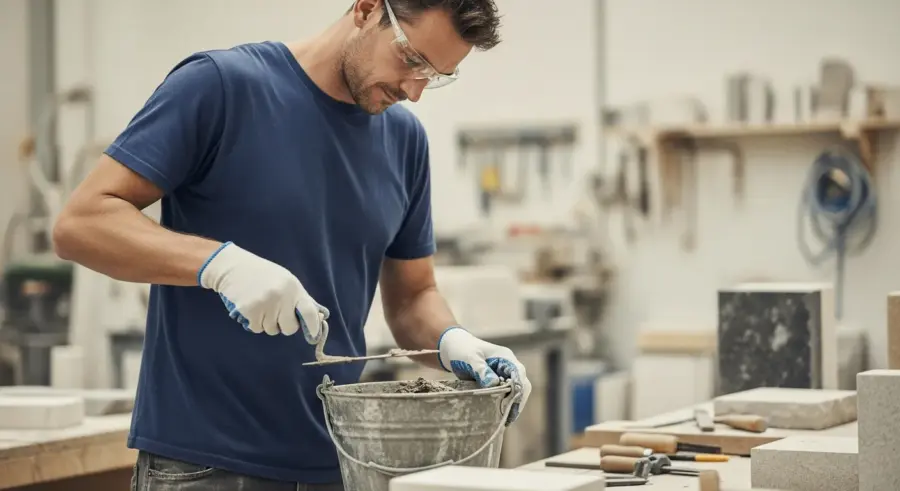
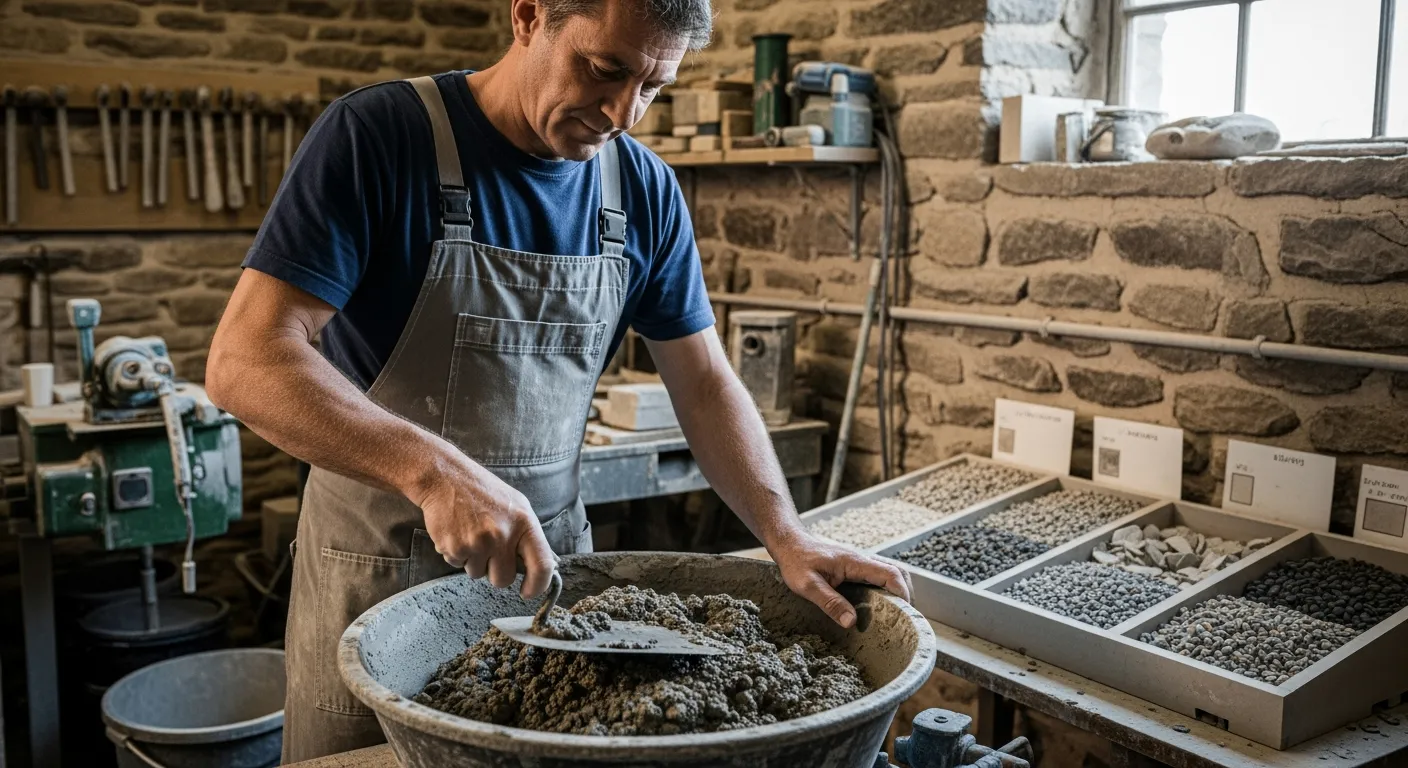
Proper mixing techniques are essential to ensure the aggregates are evenly distributed throughout the mortar mix and achieve optimal performance. The mixing process should thoroughly combine the aggregates with the binder (cement, lime, or a combination thereof) and water, creating a homogeneous and workable mortar.
A homogeneous mix ensures that all the ingredients are evenly distributed, resulting in consistent properties throughout the mortar. This consistency is crucial for achieving uniform strength, durability, and workability.
Overmixing can lead to excessive air entrainment and reduced strength, while undermixing can result in uneven distribution of aggregates and poor bond strength. The ideal mixing time and method depend on the type of mixer, the materials used, and the desired consistency of the mortar.
The mixing time should be carefully controlled to avoid overmixing or undermixing. Overmixing can introduce excessive air into the mortar, which can reduce its strength. Undermixing can result in uneven distribution of aggregates and poor bond strength.
For small-scale projects, hand mixing may be sufficient, but it requires careful attention to ensure thorough and consistent blending. Mechanical mixers, such as drum mixers or pan mixers, offer greater efficiency and uniformity, particularly for large-volume projects.
Mechanical mixers provide a more consistent and efficient means of blending the ingredients. This is particularly important for large-volume projects where hand mixing would be impractical.
Regardless of the mixing method, it is crucial to add water gradually and monitor the mortar’s consistency to avoid overwatering or underwatering. The mortar should be plastic and workable, with a smooth and creamy texture that allows for easy spreading and good adhesion.
The consistency of the mortar should be carefully monitored to ensure it is neither too wet nor too dry. Overwatering can weaken the mortar, while underwatering can make it difficult to spread and reduce its bond strength.
Specialty Aggregates and Their Uses
Beyond sand, crushed stone, and gravel, a variety of specialty aggregates can be incorporated into mortar mixes to achieve specific properties or aesthetic effects. These specialty aggregates include lightweight aggregates, colored aggregates, and recycled aggregates, each offering unique advantages and applications.
These specialty aggregates can be used to tailor the mortar’s properties to meet the specific requirements of the masonry project. They offer a range of options for enhancing the mortar’s performance and aesthetic appeal.
Lightweight aggregates, such as expanded shale, clay, or slate, reduce the density of the mortar, making it ideal for reducing the overall weight of masonry structures. This can be particularly beneficial in high-rise buildings or in situations where soil conditions limit the load-bearing capacity of the foundation.
Reducing the weight of the masonry structure can reduce the load on the foundation and supporting structure. This can be particularly important in areas with poor soil conditions or in high-rise buildings where weight is a critical factor.
Colored aggregates, made from naturally pigmented rock or artificially colored materials, add visual interest and allow for customization of the mortar’s appearance. They can be used to match or complement the color of the masonry units, creating a cohesive and aesthetically pleasing design.
Colored aggregates can be used to create a wide range of aesthetic effects, from subtle variations in color to bold and dramatic contrasts. They offer a versatile way to enhance the visual appeal of masonry structures.
Recycled aggregates, derived from crushed concrete, brick, or other construction debris, offer a sustainable alternative to virgin aggregates. Their use reduces landfill waste and conserves natural resources, contributing to environmentally friendly construction practices.
Using recycled aggregates can significantly reduce the environmental impact of masonry construction. It helps to conserve natural resources and reduce the amount of waste sent to landfills.
Durability and Aggregate Selection
The durability of mortar is significantly influenced by the type and quality of aggregates used in the mix. Aggregates must be resistant to weathering, chemical attack, and physical abrasion to ensure the long-term performance of the masonry structure.
The selection of durable aggregates is crucial for ensuring the mortar’s ability to withstand the harsh environmental conditions to which it will be exposed. This includes resistance to freeze-thaw cycles, chemical attack, and physical abrasion.
Aggregates containing reactive silica can react with the alkalis in cement, causing expansion and cracking, a phenomenon known as alkali-silica reaction (ASR). Selecting non-reactive aggregates and using low-alkali cement can mitigate the risk of ASR and enhance the mortar’s durability.
ASR can cause significant damage to masonry structures over time. Selecting non-reactive aggregates and using low-alkali cement are essential steps in preventing ASR and ensuring the long-term durability of the mortar.
In freeze-thaw climates, aggregates must be resistant to frost damage, which can cause the mortar to weaken and crumble over time. Using durable aggregates with low absorption rates and proper air entrainment can improve the mortar’s resistance to freeze-thaw cycles.
Freeze-thaw cycles can cause significant damage to mortar in cold climates. Using durable aggregates with low absorption rates and proper air entrainment can help to mitigate this damage and ensure the mortar’s long-term performance.
Aggregates should also be free from contaminants, such as clay, silt, or organic matter, which can interfere with the cement hydration process and reduce the mortar’s strength and bond. Thoroughly washing and cleaning aggregates before use is essential for ensuring their durability and compatibility with the binder.
Contaminants can interfere with the cement hydration process and reduce the mortar’s strength and bond. Thoroughly washing and cleaning the aggregates before use is essential to remove these contaminants and ensure their compatibility with the binder.
Conclusion
Choosing aggregates for mortar is a critical decision that affects the strength, workability, and durability of masonry structures. Understanding the properties of different aggregate types, including sand, crushed stone, and gravel, is essential for selecting the right materials for each project.
The selection of appropriate aggregates is a fundamental aspect of masonry construction. Careful consideration of the aggregate’s properties is essential for achieving the desired performance and longevity of the structure.
Proper aggregate grading, mixing techniques, and attention to durability considerations further enhance the mortar’s performance and longevity. By mastering the art of aggregate selection, you can ensure your masonry projects are built to last, preserving their beauty and integrity for generations to come.
By following best practices in aggregate selection and mixing, you can create masonry structures that are not only aesthetically pleasing but also structurally sound and durable. This will ensure that your projects stand the test of time and provide lasting value.