
Stone masonry is a timeless craft, blending artistry and engineering to create structures that stand for generations. A critical aspect of this work is selecting the right adhesive, as the longevity and integrity of any stone structure depend on the quality of its bonding. This article explores the world of adhesives for stone, focusing on the best options for ensuring durable and aesthetically pleasing results.
We will cover various types of adhesives, including epoxy, polyurethane, and construction adhesives, detailing their strengths, weaknesses, and ideal applications. Understanding the properties of these adhesives is essential for any stone mason or conservationist looking to achieve optimal stone bonding.
Furthermore, we’ll delve into the crucial steps of surface preparation and adhesive application, providing practical tips to maximize bonding strength and prevent common failures. By mastering these techniques, you can ensure that your stone projects not only meet but exceed expectations for durability and beauty. The quest for the best adhesives for stone bonding ends here.
Understanding Stone Bonding Requirements
Before selecting an adhesive, it’s essential to consider the specific demands of the stone bonding project. Different types of stone, environmental conditions, and structural requirements dictate different adhesive properties. Ignoring these factors can lead to premature failure, costly repairs, and compromised aesthetics.
One key consideration is the type of stone being used. Porous stones like sandstone require adhesives that can accommodate moisture movement, while dense stones like granite need adhesives with strong initial grab. The weight and size of the stones also influence the choice of adhesive, as larger stones require adhesives with higher shear strength and load-bearing capacity.
Environmental conditions play a significant role in adhesive selection. Projects exposed to extreme temperatures, freeze-thaw cycles, or constant moisture require adhesives that maintain their integrity under such stresses. Coastal environments, with their high salt content, demand adhesives resistant to corrosion and degradation.
Structural requirements are paramount, especially in load-bearing applications. Adhesives used in these scenarios must provide exceptional strength and resistance to deformation under stress. It’s also important to consider the long-term performance of the adhesive, ensuring it maintains its bonding strength and flexibility over time.
The intended use of the stone structure is another crucial factor. A decorative stone wall will have different requirements than a load-bearing foundation. Consider the stresses the structure will endure over its lifespan.
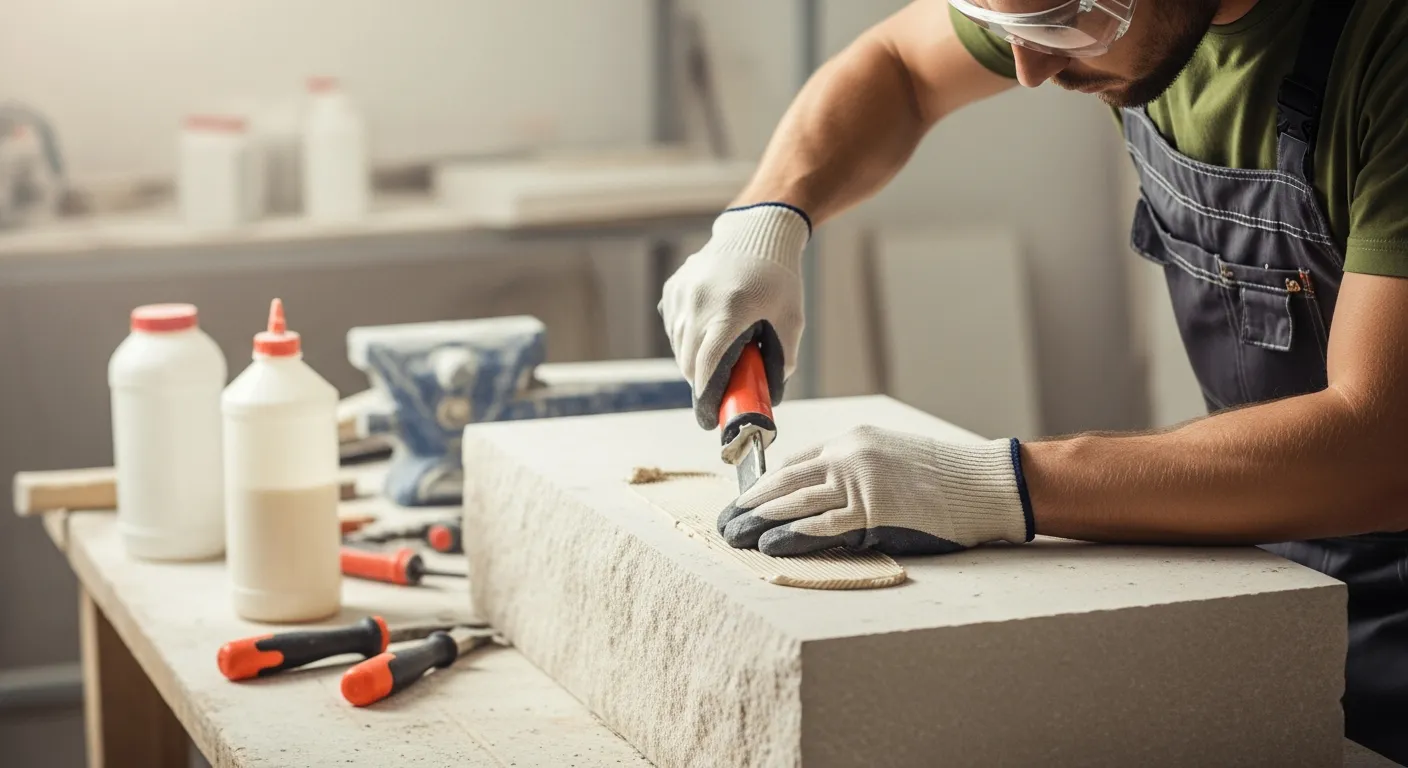
Furthermore, the aesthetic requirements of the project should be taken into account. Some adhesives may discolor or stain certain types of stone. Always test the adhesive on a small, inconspicuous area before applying it to the entire project.
The compatibility of the adhesive with the stone is paramount. Using an incompatible adhesive can lead to a weak bond or even damage the stone. Research the specific properties of the stone and the adhesive to ensure they are a good match.
Consider the application method required for each adhesive. Some adhesives are easier to apply than others, which can impact the overall project timeline and cost. Choose an adhesive that you are comfortable working with and that is appropriate for the scale of the project.
The setting time of the adhesive is another important consideration. Some adhesives set quickly, while others require a longer curing time. Factor in the setting time when planning your project to avoid delays and ensure proper bonding.
Finally, consider the cost of the adhesive. While it’s important to choose a high-quality adhesive, it’s also important to stay within your budget. Compare the costs of different adhesives and choose the one that offers the best value for your specific needs.
Properly assessing these bonding requirements will lead to a more durable and aesthetically pleasing outcome. Careful planning and consideration are key to a successful stone masonry project. The investment in time and research upfront will pay off in the long run.
Epoxy Adhesives: Strong and Durable Bonds
Epoxy adhesives are renowned for their exceptional strength and durability, making them a popular choice for demanding stone bonding applications. These adhesives consist of two components, a resin and a hardener, which, when mixed, undergo a chemical reaction that creates a rigid, high-strength bond. The resulting bond is resistant to a wide range of chemicals, temperatures, and environmental factors.
One of the primary advantages of epoxy adhesives is their ability to bond dissimilar materials. They adhere strongly to both porous and non-porous stones, as well as metals, glass, and plastics. This versatility makes them ideal for complex stone assemblies involving multiple materials.
Epoxy adhesives also offer excellent resistance to moisture and chemical attack. This makes them suitable for both interior and exterior applications, including those exposed to harsh weather conditions. Their durability ensures that the bonded stones remain intact for many years, even in challenging environments.
However, epoxy adhesives have some limitations to consider. They tend to be less flexible than other types of adhesives, which can be a disadvantage in applications where movement or vibration is expected. Additionally, some epoxy adhesives can be sensitive to ultraviolet (UV) light, leading to discoloration or degradation over time, but this can be mitigated with UV-resistant formulations or protective coatings.
The high strength of epoxy adhesives makes them suitable for load-bearing applications. They can withstand significant weight and stress without failing. This is crucial for structural elements like stone columns and arches.
Epoxy adhesives also offer excellent gap-filling capabilities. They can bridge gaps between uneven stone surfaces, providing a strong and uniform bond. This is particularly useful when working with irregularly shaped stones.
The chemical resistance of epoxy adhesives makes them ideal for applications exposed to harsh chemicals. They can withstand exposure to acids, alkalis, and solvents without degrading. This is important in industrial settings and areas where chemical spills are possible.
However, the rigidity of epoxy adhesives can be a disadvantage in certain applications. They are not suitable for bonding stones that are subject to significant movement or vibration. In these cases, a more flexible adhesive like polyurethane is a better choice.
The sensitivity of some epoxy adhesives to UV light can be a concern for outdoor applications. However, UV-resistant formulations are available that can mitigate this issue. Applying a protective coating can also help to shield the epoxy from UV exposure.
When working with epoxy adhesives, it’s important to follow the manufacturer’s instructions carefully. Proper mixing and application are essential for achieving a strong and durable bond. Use the correct ratio of resin to hardener and apply the adhesive evenly to both bonding surfaces.
Consider the working time of the epoxy adhesive. Some epoxy adhesives set quickly, while others have a longer working time. Choose an epoxy adhesive with a working time that is appropriate for the complexity of the project.
Finally, remember to take safety precautions when working with epoxy adhesives. Wear gloves and eye protection to avoid contact with skin and eyes. Work in a well-ventilated area to avoid inhaling fumes.
Polyurethane Adhesives: Flexible and Weather Resistant
Polyurethane adhesives are prized for their flexibility and weather resistance, making them an excellent choice for stone bonding applications that require movement accommodation. These adhesives form a strong, elastic bond that can withstand expansion, contraction, and vibration without cracking or losing adhesion. They are particularly well-suited for outdoor projects and areas subject to temperature fluctuations.
One of the key benefits of polyurethane adhesives is their ability to absorb stress and impact. This makes them ideal for bonding stones in high-traffic areas or structures prone to seismic activity. Their flexibility helps prevent cracking and delamination, ensuring the long-term stability of the stone assembly.
| Property | Epoxy Adhesives | Polyurethane Adhesives | Construction Adhesives |
|---|---|---|---|
| Strength | High | Moderate | Moderate |
| Flexibility | Low | High | Moderate |
| Weather Resistance | Good | Excellent | Good |
| Application | Demanding structural bonds | Outdoor, high-movement areas | General purpose bonding |
Polyurethane adhesives also exhibit good resistance to water, chemicals, and UV radiation. This makes them suitable for a wide range of environmental conditions, including coastal and marine environments. Their durability ensures that the bonded stones maintain their integrity and appearance over time.
The flexibility of polyurethane adhesives makes them ideal for bonding stones in areas subject to thermal expansion and contraction. They can accommodate the movement of the stones without cracking or losing adhesion. This is particularly important in climates with extreme temperature fluctuations.
Polyurethane adhesives also offer good adhesion to a variety of materials, including stone, wood, metal, and concrete. This makes them versatile for complex stone assemblies involving multiple materials. They can be used to bond stones to different substrates without compromising the strength of the bond.
The water resistance of polyurethane adhesives makes them suitable for applications exposed to moisture. They can withstand prolonged exposure to water without degrading. This is important in areas with high humidity or frequent rainfall.
However, polyurethane adhesives may not offer the same level of strength as epoxy adhesives. They are generally not recommended for load-bearing applications where high strength is required. In these cases, epoxy adhesives are a better choice.
The UV resistance of polyurethane adhesives can vary depending on the formulation. Some polyurethane adhesives are more resistant to UV degradation than others. Choose a UV-resistant formulation for outdoor applications exposed to direct sunlight.
When working with polyurethane adhesives, it’s important to follow the manufacturer’s instructions carefully. Proper surface preparation and application are essential for achieving a strong and durable bond. Clean the bonding surfaces thoroughly and apply the adhesive evenly.
Consider the curing time of the polyurethane adhesive. Some polyurethane adhesives cure quickly, while others require a longer curing time. Allow the adhesive to cure completely before subjecting the bonded stones to any stress or load.
Finally, remember to take safety precautions when working with polyurethane adhesives. Wear gloves and eye protection to avoid contact with skin and eyes. Work in a well-ventilated area to avoid inhaling fumes.
Polyurethane adhesives are a great choice where flexibility and weather resistance are key. Careful application will ensure a long-lasting bond.
Construction Adhesives: Versatile Applications
Construction adhesives are a broad category of adhesives designed for general-purpose bonding in a variety of construction applications. These adhesives offer a balance of strength, flexibility, and ease of use, making them a popular choice for stone masonry projects where high-performance bonding is not required. They are typically formulated to adhere to a wide range of materials, including stone, wood, metal, and concrete.
One of the key advantages of construction adhesives is their versatility. They can be used for both interior and exterior applications, and they are available in a variety of formulations to suit different needs. Some construction adhesives are specifically designed for bonding stone, offering excellent adhesion and durability.
Construction adhesives are also relatively easy to apply, requiring minimal surface preparation. They typically come in tubes or cartridges and can be applied with a caulking gun. This makes them a convenient option for both professional stone masons and DIY enthusiasts.
However, construction adhesives may not offer the same level of strength and durability as epoxy or polyurethane adhesives. They are generally not recommended for load-bearing applications or projects exposed to extreme environmental conditions. It’s important to select a construction adhesive specifically formulated for stone bonding to ensure optimal performance.
When using construction adhesives, it’s crucial to follow the manufacturer’s instructions carefully. Proper surface preparation and application techniques are essential for achieving a strong and lasting bond. Regular inspection and maintenance can help ensure the long-term integrity of the bonded stones.
The ease of use of construction adhesives makes them a popular choice for many applications. They are typically applied with a caulking gun, which is a familiar tool for most construction professionals and DIY enthusiasts. This simplifies the application process and reduces the risk of errors.
Construction adhesives are available in a variety of formulations, each designed for specific applications. Some construction adhesives are specifically formulated for bonding stone, while others are designed for bonding wood, metal, or concrete. Choose a construction adhesive that is specifically formulated for the materials you are bonding.
The versatility of construction adhesives makes them suitable for a wide range of projects. They can be used for both interior and exterior applications, and they can be used to bond a variety of materials. This makes them a convenient option for projects that involve multiple materials.
However, construction adhesives may not offer the same level of strength and durability as epoxy or polyurethane adhesives. They are generally not recommended for load-bearing applications or projects exposed to extreme environmental conditions. In these cases, epoxy or polyurethane adhesives are a better choice.
The long-term performance of construction adhesives can vary depending on the formulation and the environmental conditions. Some construction adhesives may degrade over time, especially when exposed to moisture or UV radiation. Regular inspection and maintenance can help to ensure the long-term integrity of the bonded stones.
When selecting a construction adhesive, it’s important to consider the specific requirements of the project. Consider the type of materials you are bonding, the environmental conditions, and the desired level of strength and durability. Choose a construction adhesive that meets all of these requirements.
Always follow the manufacturer’s instructions carefully when using construction adhesives. Proper surface preparation and application techniques are essential for achieving a strong and lasting bond. Clean the bonding surfaces thoroughly and apply the adhesive evenly.
Finally, remember to take safety precautions when working with construction adhesives. Wear gloves and eye protection to avoid contact with skin and eyes. Work in a well-ventilated area to avoid inhaling fumes.
Silicone Adhesives: Flexible and Waterproof
Silicone adhesives are known for their flexibility and waterproof properties, making them a suitable choice for certain stone bonding applications. These adhesives create a seal that prevents water from penetrating, which is particularly useful in environments with high moisture levels. Their ability to remain flexible over time also allows them to accommodate movement and vibration without losing adhesion.
One of the advantages of silicone adhesives is their resistance to extreme temperatures. They can withstand both high and low temperatures without degrading, making them suitable for outdoor applications in varying climates. They also resist ultraviolet (UV) light, preventing discoloration and maintaining their appearance over time.
Silicone adhesives are often used for sealing joints and gaps between stones, providing a watertight barrier. This can help prevent water damage and protect the underlying structure from corrosion. They are also used for bonding lightweight stones and tiles in non-structural applications.
However, silicone adhesives have limited strength compared to epoxy or polyurethane adhesives. They are not suitable for load-bearing applications or projects requiring high structural integrity. Additionally, some silicone adhesives may not bond well to certain types of stone, so it’s important to test the adhesive before application.
The waterproof nature of silicone adhesives makes them ideal for applications exposed to moisture. They can withstand prolonged exposure to water without degrading. This is important in areas with high humidity or frequent rainfall, preventing water damage to the stone structure.
Silicone adhesives offer excellent flexibility, allowing them to accommodate movement and vibration without losing adhesion. This is particularly important in areas subject to seismic activity or temperature fluctuations, preventing cracking and maintaining the integrity of the seal.
The resistance of silicone adhesives to extreme temperatures makes them suitable for outdoor applications in varying climates. They can withstand both high and low temperatures without degrading, ensuring the long-term performance of the seal.
However, the limited strength of silicone adhesives restricts their use to non-structural applications. They are not suitable for load-bearing applications or projects requiring high structural integrity. In these cases, epoxy or polyurethane adhesives are a better choice.
The bonding performance of silicone adhesives can vary depending on the type of stone. Some silicone adhesives may not bond well to certain types of stone, such as porous stones. It’s important to test the adhesive on a small, inconspicuous area before applying it to the entire project.
When working with silicone adhesives, it’s important to clean the bonding surfaces thoroughly to ensure proper adhesion. Remove any dirt, dust, or grease before applying the adhesive. Use a solvent-based cleaner to remove stubborn contaminants.
Apply the silicone adhesive evenly to the bonding surfaces. Use a caulking gun to apply the adhesive in a continuous bead. Smooth the adhesive with a wet finger or a caulking tool to create a neat and professional finish.
Allow the silicone adhesive to cure completely before exposing it to water or stress. The curing time will vary depending on the type of adhesive and the environmental conditions. Consult the manufacturer’s instructions for the recommended curing time.
Preparing Stone Surfaces for Adhesion
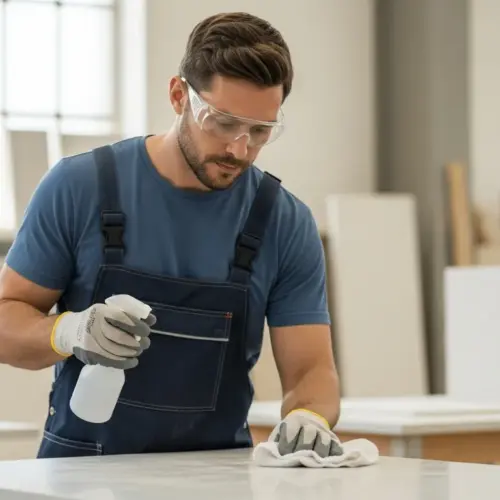
Proper surface preparation is crucial for achieving a strong and durable bond with any adhesive. Contaminants such as dirt, dust, oil, and loose particles can interfere with adhesion, leading to premature failure. Thorough cleaning and preparation of the stone surfaces are essential for ensuring optimal bonding.
The first step in surface preparation is to remove any loose debris or contaminants. This can be done with a stiff brush, vacuum cleaner, or compressed air. For stubborn dirt or grease, a solvent-based cleaner may be necessary.
- Clean the surface thoroughly
- Remove loose particles
- Ensure the surface is dry
- Consider mechanical abrasion
- Test the adhesive on a small area
Next, it’s important to ensure that the stone surfaces are dry. Moisture can prevent the adhesive from bonding properly, especially with porous stones. Allow the stones to air dry completely before applying the adhesive, or use a heat gun to speed up the drying process.
For porous stones, consider applying a primer or sealant before applying the adhesive. This will help to prevent the adhesive from being absorbed too quickly, ensuring a strong and durable bond. Choose a primer or sealant that is compatible with both the stone and the adhesive.
If the stone surfaces are smooth, consider roughening them up with sandpaper or a wire brush. This will create a better bonding surface for the adhesive. Be careful not to damage the stone during this process.
Always test the adhesive on a small, inconspicuous area before applying it to the entire project. This will help to ensure that the adhesive is compatible with the stone and that it will not cause any discoloration or damage.
Consider the type of stone you are working with when preparing the surfaces for adhesion. Different types of stone may require different preparation techniques. Consult with a stone expert or adhesive manufacturer for specific recommendations.
Use appropriate cleaning agents for the type of stone you are working with. Some cleaning agents can damage certain types of stone. Avoid using harsh chemicals or abrasive cleaners.
Ensure that the stone surfaces are free of any coatings or sealants before applying the adhesive. These coatings can interfere with adhesion and prevent the adhesive from bonding properly. Remove any coatings or sealants with a suitable solvent or stripper.
Pay close attention to the corners and edges of the stone surfaces. These areas are often more difficult to clean and prepare properly. Use a small brush or scraper to remove any dirt or debris from these areas.
After cleaning and preparing the stone surfaces, inspect them carefully to ensure that they are free of any contaminants. If you find any contaminants, repeat the cleaning process until the surfaces are clean and dry.
Proper surface preparation is an investment in the long-term durability of your stone project. Taking the time to prepare the surfaces properly will help to ensure a strong and lasting bond.
Applying Adhesives for Optimal Bonding
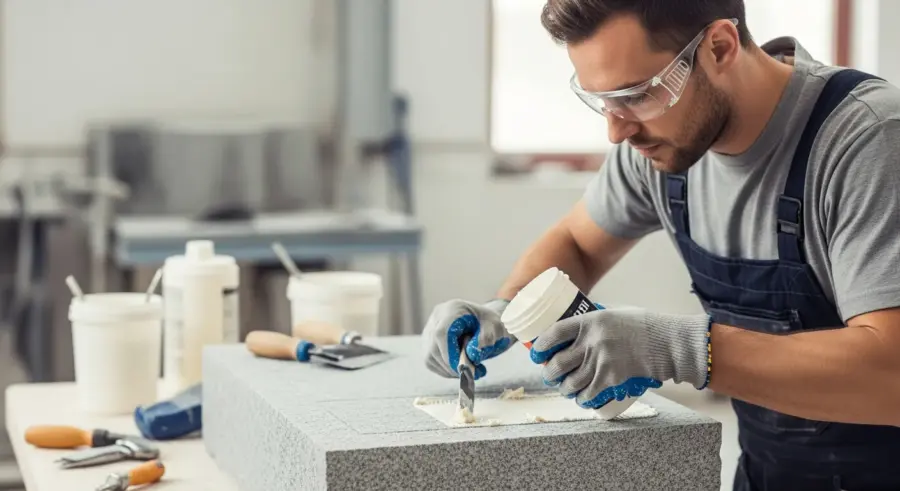
The proper application of adhesive is as critical as surface preparation for achieving a strong and lasting bond. Applying the adhesive evenly and in the correct amount ensures that the entire bonding surface is covered. Following the manufacturer’s instructions and using appropriate tools are essential for optimal results.
Start by selecting the right application tool for the adhesive you are using. Cartridge-based adhesives typically require a caulking gun, while liquid adhesives may be applied with a brush, roller, or notched trowel. Ensure that the tool is clean and in good working condition.
Apply the adhesive evenly to both bonding surfaces. For porous stones, it may be necessary to apply a primer or sealant to prevent the adhesive from being absorbed too quickly. Use a notched trowel to create ridges in the adhesive, which will help increase the bonding surface area and provide a stronger grip.
Once the adhesive is applied, carefully align the stones and press them together firmly. Use spacers or clamps to maintain the correct spacing and alignment while the adhesive cures. Remove any excess adhesive with a clean cloth or solvent, following the manufacturer’s instructions.
Allow the adhesive to cure completely before subjecting the bonded stones to any stress or load. The curing time will vary depending on the type of adhesive and environmental conditions. Consult the manufacturer’s instructions for the recommended curing time.
Use the correct amount of adhesive for the size and weight of the stones you are bonding. Applying too little adhesive can result in a weak bond, while applying too much adhesive can create a mess and waste material. Follow the manufacturer’s instructions for the recommended application rate.
Apply the adhesive in a consistent pattern to ensure that the entire bonding surface is covered. Avoid leaving any gaps or voids in the adhesive layer. Use a notched trowel to create ridges in the adhesive, which will help to distribute the adhesive evenly and increase the bonding surface area.
Align the stones carefully before pressing them together. Once the adhesive has started to cure, it may be difficult to adjust the position of the stones. Use spacers or clamps to maintain the correct spacing and alignment while the adhesive cures.
Remove any excess adhesive immediately after pressing the stones together. Use a clean cloth or solvent to wipe away any excess adhesive. Allowing the adhesive to cure before removing it can make it more difficult to clean up.
Protect the bonded stones from moisture and extreme temperatures while the adhesive cures. Moisture can interfere with the curing process and weaken the bond. Extreme temperatures can also affect the curing process and reduce the strength of the bond.
Inspect the bonded stones regularly to ensure that the adhesive is holding properly. If you notice any signs of weakness or failure, take corrective action immediately. This may involve reapplying the adhesive or replacing the bonded stones.
Consider the ambient temperature and humidity when applying the adhesive. Extreme temperatures and humidity can affect the curing process and reduce the strength of the bond. Follow the manufacturer’s instructions for the recommended application conditions.
Proper adhesive application is an essential step in ensuring a strong and durable stone structure. Taking the time to apply the adhesive correctly will help to ensure that your project stands the test of time.
Safety Precautions When Using Stone Adhesives
Working with stone adhesives requires careful attention to safety to protect yourself from potential hazards. Many adhesives contain chemicals that can be harmful if inhaled, ingested, or come into contact with skin or eyes. Following safety guidelines and wearing appropriate protective gear are essential for minimizing risks.
Always work in a well-ventilated area to avoid inhaling adhesive fumes. If adequate ventilation is not possible, wear a respirator or mask designed to filter out harmful vapors. This is particularly important when working with epoxy or solvent-based adhesives.
Wear gloves to protect your skin from direct contact with adhesives. Some adhesives can cause skin irritation or allergic reactions. Choose gloves made of a material that is resistant to the chemicals in the adhesive, such as nitrile or rubber.
Protect your eyes by wearing safety glasses or goggles. Splashes of adhesive can cause serious eye damage. If adhesive gets into your eyes, rinse them immediately with water for at least 15 minutes and seek medical attention.
Store adhesives in a cool, dry place away from heat, sparks, and open flames. Many adhesives are flammable and can pose a fire hazard. Keep adhesives out of reach of children and pets.
Read and understand the safety data sheet (SDS) for each adhesive you are using. The SDS provides detailed information about the hazards associated with the adhesive and the appropriate safety precautions to take.
Avoid eating, drinking, or smoking while working with adhesives. This can prevent accidental ingestion of harmful chemicals.
Wash your hands thoroughly with soap and water after handling adhesives. This will remove any adhesive residue from your skin.
Dispose of adhesive containers properly. Follow the manufacturer’s instructions for disposal. Do not pour adhesive down the drain or into the environment.
If you experience any adverse health effects while working with adhesives, seek medical attention immediately. Common symptoms of adhesive exposure include skin irritation, respiratory problems, and eye irritation.
Keep a first-aid kit readily available in case of accidents. The first-aid kit should include items such as bandages, antiseptic wipes, and eye wash.
Train workers on the proper safety procedures for handling adhesives. This will help to prevent accidents and ensure that workers are aware of the potential hazards.
By following these safety precautions, you can minimize the risks associated with working with stone adhesives and protect yourself from potential hazards.
Conclusion
Selecting the best adhesives for stone bonding is a critical decision that impacts the longevity and aesthetics of stone structures. Epoxy adhesives offer unmatched strength and durability, while polyurethane adhesives provide flexibility and weather resistance. Construction adhesives offer versatility for general-purpose bonding, and silicone adhesives excel in waterproof applications.
Regardless of the adhesive chosen, proper surface preparation and application techniques are essential for achieving optimal bonding. By understanding the properties of different adhesives and following safety precautions, stone masons and conservationists can ensure that their projects stand the test of time. The art of stone masonry relies on both skill and material knowledge.
The information presented here provides a solid foundation for choosing the right adhesive. Always consult with experts and refer to manufacturer specifications for specific project requirements. A well-informed decision will lead to a durable and beautiful stone structure.