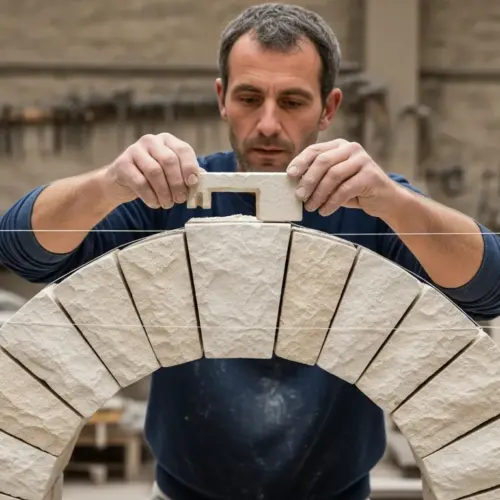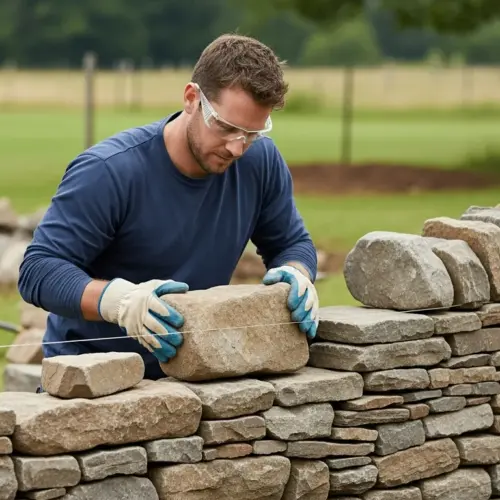

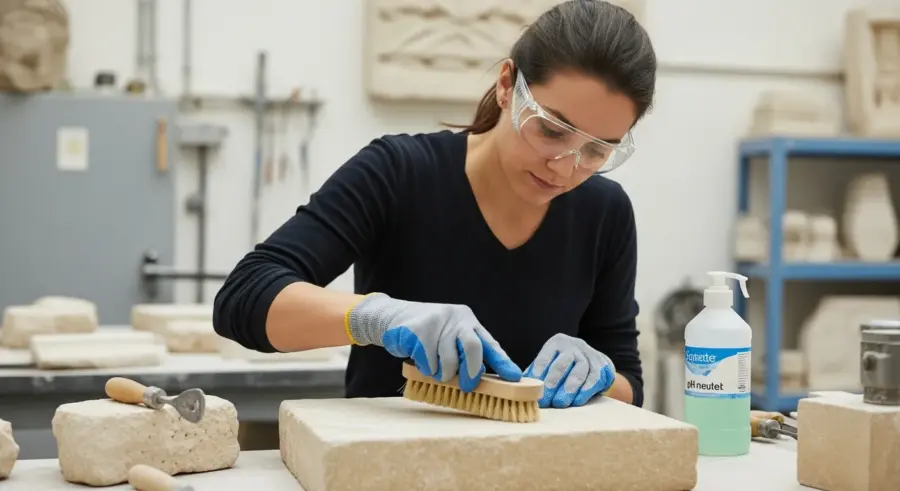
Limestone is a beautiful and durable natural stone, but it’s also porous and prone to staining if not properly cared for. Knowing the best limestone cleaning methods is essential to keep your stone surfaces looking their best.
We’ll cover everything from choosing the right cleaning products to removing stubborn stains and sealing your limestone for long-lasting protection. You’ll learn how to safely and effectively clean limestone surfaces, preserving their natural beauty for years to come.
Whether you have limestone floors, countertops, or exterior walls, understanding the proper cleaning and maintenance techniques is key. This comprehensive guide will equip you with the expertise to tackle any limestone cleaning challenge, ensuring your stone surfaces remain pristine and beautiful.
Understanding Limestone and Its Properties
Limestone is a sedimentary rock composed primarily of calcium carbonate. This composition makes it susceptible to damage from acids and abrasive cleaners.
Its porous nature means that liquids can easily penetrate the surface, leading to stains and discoloration. Understanding these properties is the first step in effective limestone cleaning methods.
Unlike granite or marble, limestone is relatively soft, which makes it easier to scratch. Therefore, gentle cleaning techniques and appropriate cleaning products are essential to avoid damaging the stone.
Limestone’s natural beauty lies in its subtle variations in color and texture. Aggressive cleaning can strip away these natural characteristics, leaving the stone looking dull and lifeless, so be careful.
The calcium carbonate composition reacts negatively with acidic substances. This reaction can cause etching, which is a dulling or pitting of the surface.
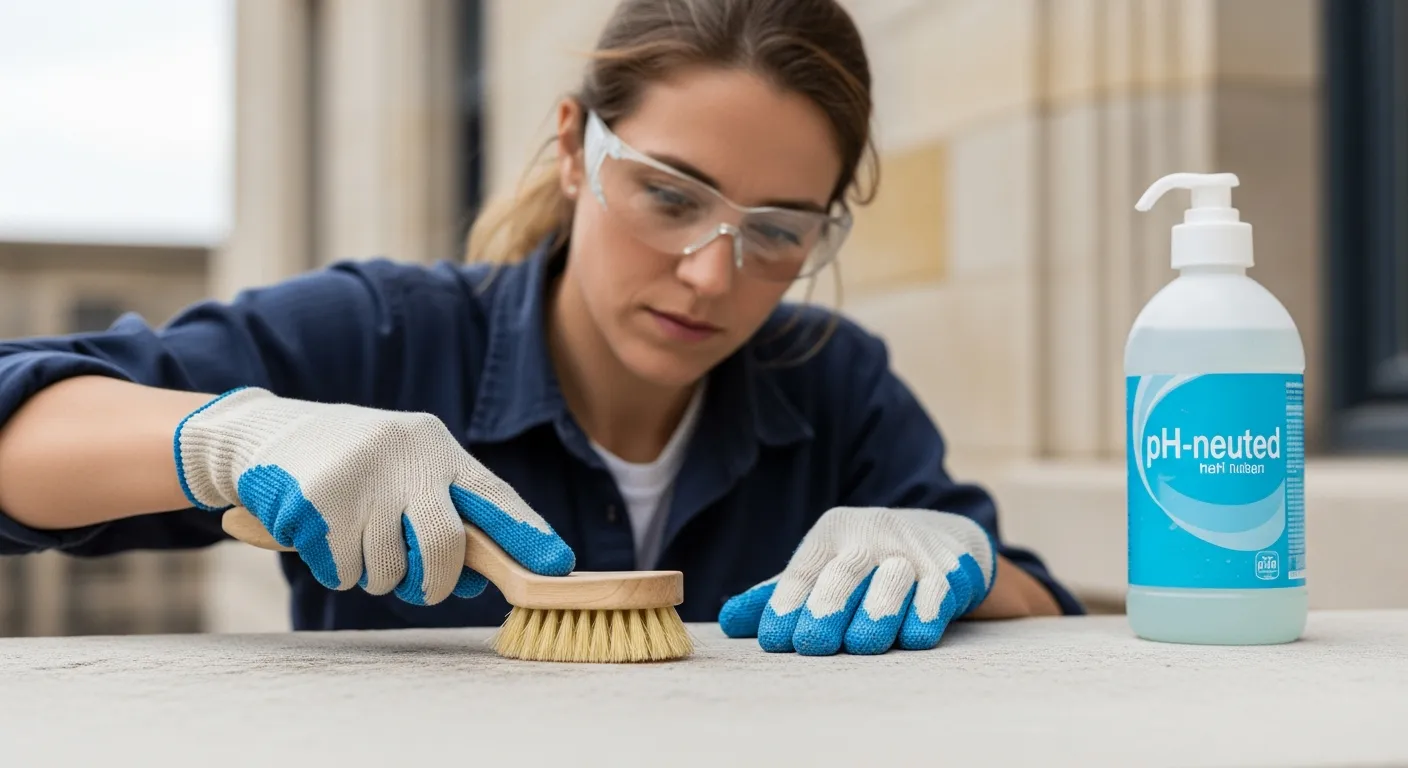
Limestone’s porosity also means it can harbor bacteria and mold if not properly cleaned and sealed. Regular cleaning helps prevent the growth of these unwanted microorganisms.
Different types of limestone have varying densities and porosities. Some are more resistant to staining than others, so it’s important to know the specific type of limestone you’re dealing with.
The environment also plays a role in how limestone weathers and degrades. Exterior limestone is exposed to the elements and may require more frequent cleaning and sealing.
Choosing the Right Cleaning Products for Limestone
Selecting the correct cleaning products is crucial to avoid damaging your limestone surfaces. Always opt for pH-neutral cleaners specifically designed for natural stone.
Avoid using acidic cleaners like vinegar, lemon juice, or bleach, as these can etch and damage the stone. A natural stone cleaner is always the best bet.
Also, steer clear of abrasive cleaners, scouring pads, or steel wool, as these can scratch the surface. Instead, use a soft cloth or mop for gentle cleaning.
When in doubt, test the cleaner in an inconspicuous area first to ensure it doesn’t cause any discoloration or damage. This is a quick and easy way to avoid potential problems.
Look for cleaners that are specifically labeled as “safe for limestone” or “natural stone cleaner.” These products are formulated to be gentle and effective on porous surfaces.
Consider using a cleaner with a built-in sealer to help protect the limestone from future stains. These cleaners provide a two-in-one solution for cleaning and protecting your stone.
Avoid using cleaners that contain harsh chemicals, such as ammonia or chlorine. These chemicals can damage the limestone and may also be harmful to your health.
Read the product label carefully before using any cleaner. Follow the manufacturer’s instructions for dilution and application to ensure the best results and avoid damage.
Step-by-Step Guide to Cleaning Limestone Surfaces
Regular cleaning is essential to maintain the beauty of your limestone surfaces. Here’s a step-by-step guide to help you achieve the best results.
Start by sweeping or vacuuming the surface to remove any loose dirt or debris. This prevents scratching during the cleaning process.
| Step | Action | Notes |
|---|---|---|
| 1 | Dust/Sweep | Remove loose debris |
| 2 | Apply Cleaner | Use pH-neutral cleaner |
| 3 | Wipe | Use a soft cloth or mop |
| 4 | Rinse | With clean water |
| 5 | Dry | Use a clean, dry cloth |
Next, mix your pH-neutral cleaner with water according to the manufacturer’s instructions. Apply the cleaning solution to the surface using a soft cloth or mop.
After applying the cleaner, allow it to sit on the surface for a few minutes to loosen any dirt or grime. Don’t let the cleaner dry completely, as this can leave a residue.
Rinse the surface thoroughly with clean water to remove any remaining cleaner. Use a clean mop or cloth to wipe away the water.
Dry the surface with a clean, dry cloth to prevent water spots. You can also use a fan to speed up the drying process.
For heavily soiled areas, you may need to repeat the cleaning process. Be gentle and avoid using excessive pressure, which can damage the limestone.
Deep Cleaning Limestone: When and How
While regular cleaning is great for maintenance, sometimes limestone needs a deeper clean. This is especially true for high-traffic areas or surfaces prone to spills.
For deep cleaning, consider using a specialized limestone cleaner or a poultice. A poultice is a paste-like mixture that draws out stains from the stone.
Apply the poultice to the stained area, cover it with plastic wrap, and let it sit for 24-48 hours. The poultice will absorb the stain, leaving the limestone cleaner.
After removing the poultice, rinse the area thoroughly with clean water and dry it with a soft cloth. Repeat the process if the stain persists, but avoid harsh scrubbing.
When using a specialized limestone cleaner for deep cleaning, follow the manufacturer’s instructions carefully. Some cleaners may require dilution or specific application techniques.
For grout lines, use a grout brush and a pH-neutral grout cleaner. Scrub gently to avoid damaging the limestone tiles.
Consider using a steam cleaner for deep cleaning limestone floors. The steam can help loosen dirt and grime without the need for harsh chemicals.
After deep cleaning, it’s a good idea to reseal the limestone to protect it from future stains. This will help maintain its beauty and prolong its lifespan.
Removing Common Stains from Limestone
Limestone is susceptible to various types of stains, including oil, water, and organic matter. Knowing how to tackle these stains is crucial for maintaining its appearance.
For oil-based stains, try using a mixture of baking soda and water to create a paste. Apply the paste to the stain, let it dry completely, and then gently scrape it off.
Water stains can often be removed with a soft cloth and pH-neutral cleaner. For stubborn water stains, consider using a specialized stone stain remover.
Organic stains from coffee, tea, or wine can be tackled with a mixture of hydrogen peroxide and water. Apply the solution to the stain, let it sit for a few minutes, and then blot it dry.
For rust stains, you can try using a rust remover specifically designed for natural stone. Follow the manufacturer’s instructions carefully and test in an inconspicuous area first.
Ink stains can be difficult to remove, but you can try blotting them with a clean cloth and rubbing alcohol. Avoid rubbing the stain, as this can spread it.
For pet stains, use an enzymatic cleaner designed to break down organic matter. Follow the manufacturer’s instructions and rinse thoroughly.
Always act quickly when dealing with stains. The longer a stain sits, the more difficult it will be to remove.
Sealing and Protecting Limestone
Sealing limestone is a critical step in protecting it from stains and damage. A good quality sealer will penetrate the stone and create a barrier against liquids and dirt.
Choose a penetrating sealer specifically designed for limestone. These sealers won’t change the appearance of the stone and will allow it to breathe.
- Clean the surface thoroughly
- Allow to dry completely
- Apply sealer evenly
- Let sealer penetrate
- Wipe off excess sealer
Apply the sealer according to the manufacturer’s instructions, usually with a brush, roller, or sprayer. Allow the sealer to penetrate the stone for the recommended time, and then wipe off any excess.
Before applying the sealer, make sure the limestone is completely clean and dry. Any dirt or moisture can prevent the sealer from penetrating properly.
Apply the sealer in thin, even coats. Avoid applying too much sealer, as this can leave a sticky residue.
Allow the sealer to cure completely before using the limestone surface. This can take anywhere from 24 to 72 hours, depending on the product.
Reseal your limestone surfaces every 1-2 years, or as needed. High-traffic areas may require more frequent sealing.
Preventing Future Stains and Damage
Prevention is always better than cure when it comes to limestone maintenance. Implementing a few simple habits can significantly reduce the risk of stains and damage.
Use mats and rugs in high-traffic areas to protect the limestone from dirt and scratches. Clean up spills immediately to prevent them from penetrating the stone.
Avoid placing acidic or staining substances directly on the limestone surface. Always use coasters under drinks and placemats under food.
Regularly dust and clean the limestone surfaces to remove dirt and debris. This prevents the buildup of stains and keeps the stone looking its best.
Consider using a stone-safe cleaner for everyday cleaning. This will help prevent the buildup of dirt and grime.
Avoid using harsh chemicals or abrasive cleaners, as these can damage the limestone. Stick to pH-neutral cleaners specifically designed for natural stone.
Educate family members and guests about the importance of protecting the limestone surfaces. This will help ensure that everyone is on board with the maintenance plan.
Regularly inspect your limestone surfaces for any signs of damage or staining. Addressing problems early can prevent them from becoming more serious.
Professional Limestone Cleaning: When to Call in the Experts
Sometimes, despite your best efforts, limestone surfaces may require professional cleaning. If you have stubborn stains, extensive damage, or simply lack the time or expertise, consider hiring a professional stone restoration company.
Professional cleaners have the tools and knowledge to safely and effectively restore your limestone surfaces. They can remove deep-seated stains, repair chips and cracks, and reseal the stone for long-lasting protection.
When choosing a professional cleaner, make sure they have experience working with limestone. Ask for references and check online reviews to ensure they have a good reputation.
A professional cleaning can be a worthwhile investment, especially for valuable or heavily used limestone surfaces. They can bring your stone back to its original beauty and extend its lifespan.
Professional stone restoration companies often use specialized equipment and techniques that are not available to the average homeowner. This allows them to achieve superior results.
They can also provide expert advice on how to maintain your limestone surfaces properly. This can help you prevent future problems and keep your stone looking its best.
Consider getting multiple quotes from different professional cleaners before making a decision. This will help you ensure that you are getting a fair price.
Ask the professional cleaner about their experience with different types of limestone. This will help you ensure that they have the expertise to handle your specific type of stone.
DIY Limestone Cleaning Solutions: Recipes and Tips
For those who prefer a more natural approach, there are several DIY limestone cleaning solutions you can try. These recipes use common household ingredients and are gentle on the stone.
One popular recipe involves mixing baking soda with water to create a paste. Apply the paste to the stained area, let it dry, and then gently wipe it off with a damp cloth.
Another option is to use a mild dish soap diluted in water. This solution is effective for general cleaning and won’t damage the limestone.
Always test any DIY solution in an inconspicuous area first to ensure it doesn’t cause any discoloration or damage. While these recipes are generally safe, it’s always best to be cautious.
You can also try using a mixture of cornstarch and water to create a poultice for removing stains. Apply the poultice to the stained area, let it dry completely, and then gently scrape it off.
For a gentle all-purpose cleaner, mix a few drops of essential oil (such as lavender or lemon) with water. This solution can be used to clean and freshen limestone surfaces.
Avoid using vinegar or lemon juice, even in diluted form, as these are acidic and can damage limestone. Stick to pH-neutral or slightly alkaline solutions.
When using any DIY cleaning solution, always rinse the surface thoroughly with clean water. This will help remove any residue and prevent staining.
Conclusion
Proper limestone cleaning methods are essential for maintaining the beauty and longevity of your stone surfaces. By understanding the properties of limestone and using the right cleaning products and techniques, you can keep your limestone looking its best for years to come.
Remember to always use pH-neutral cleaners, avoid abrasive materials, and seal your limestone regularly. With a little care and attention, your limestone surfaces will continue to enhance the beauty of your home or building.
Whether you choose to tackle limestone cleaning yourself or hire a professional, the knowledge you’ve gained from this guide will help you make informed decisions. Enjoy the timeless elegance of your well-maintained limestone surfaces.