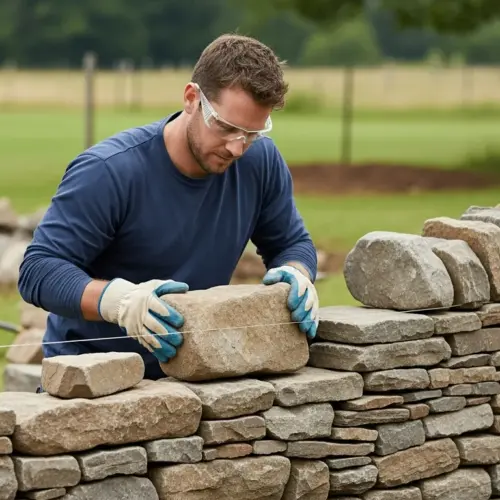

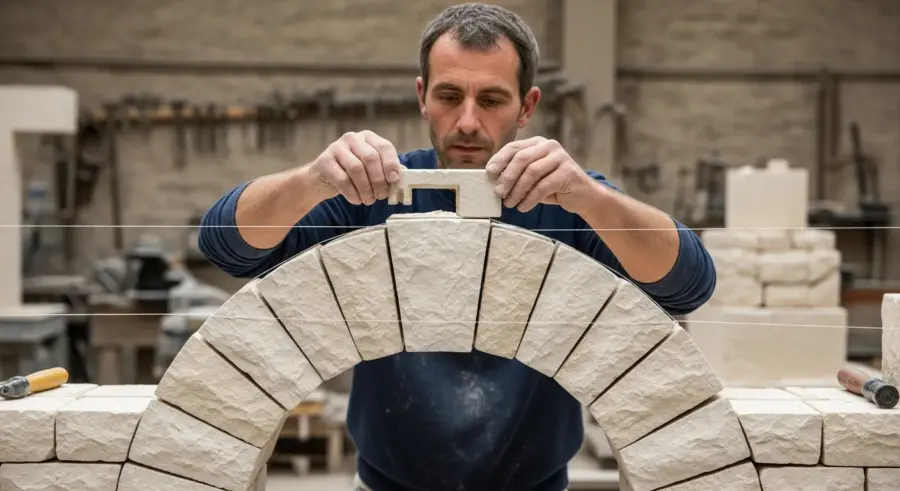
The art of building with stone has captivated civilizations for millennia. One of the most impressive feats of stone construction is the stone arch building, a structure that combines engineering ingenuity with aesthetic appeal. This comprehensive guide explores the techniques and principles involved in creating a sturdy and beautiful stone arch.
Whether you’re a seasoned stone mason or a curious beginner, understanding the process of stone arch building will provide a deeper appreciation for this timeless craft. Let’s embark on this journey to uncover the secrets behind successful stone arch building.
From the initial arch design to the final keystone placement, each step requires careful planning and execution. We’ll examine the key elements that contribute to the structural integrity of a stone arch, ensuring it stands the test of time.
Understanding the Principles of Arch Construction
The fundamental principle behind an arch lies in its ability to distribute weight efficiently. Instead of bearing the load vertically, like a post-and-lintel system, an arch redirects the force outward along its curve to the supports on either side, known as abutments.
This outward thrust is crucial to understand because it dictates the design and construction methods needed to create a stable stone arch. The abutments must be strong enough to resist this thrust, preventing the arch from collapsing outward.
Keystones are another critical component. The keystone is the central, topmost stone of an arch, locking all the other stones in place and completing the structure.
Its wedge shape ensures that the compressive forces are evenly distributed throughout the arch, contributing to its overall stability. Understanding these basic principles is the first step toward mastering the art of stone arch building.
The arch’s ability to transfer load relies on compression. Each stone presses against its neighbors, creating a network of forces that ultimately resolve at the abutments.
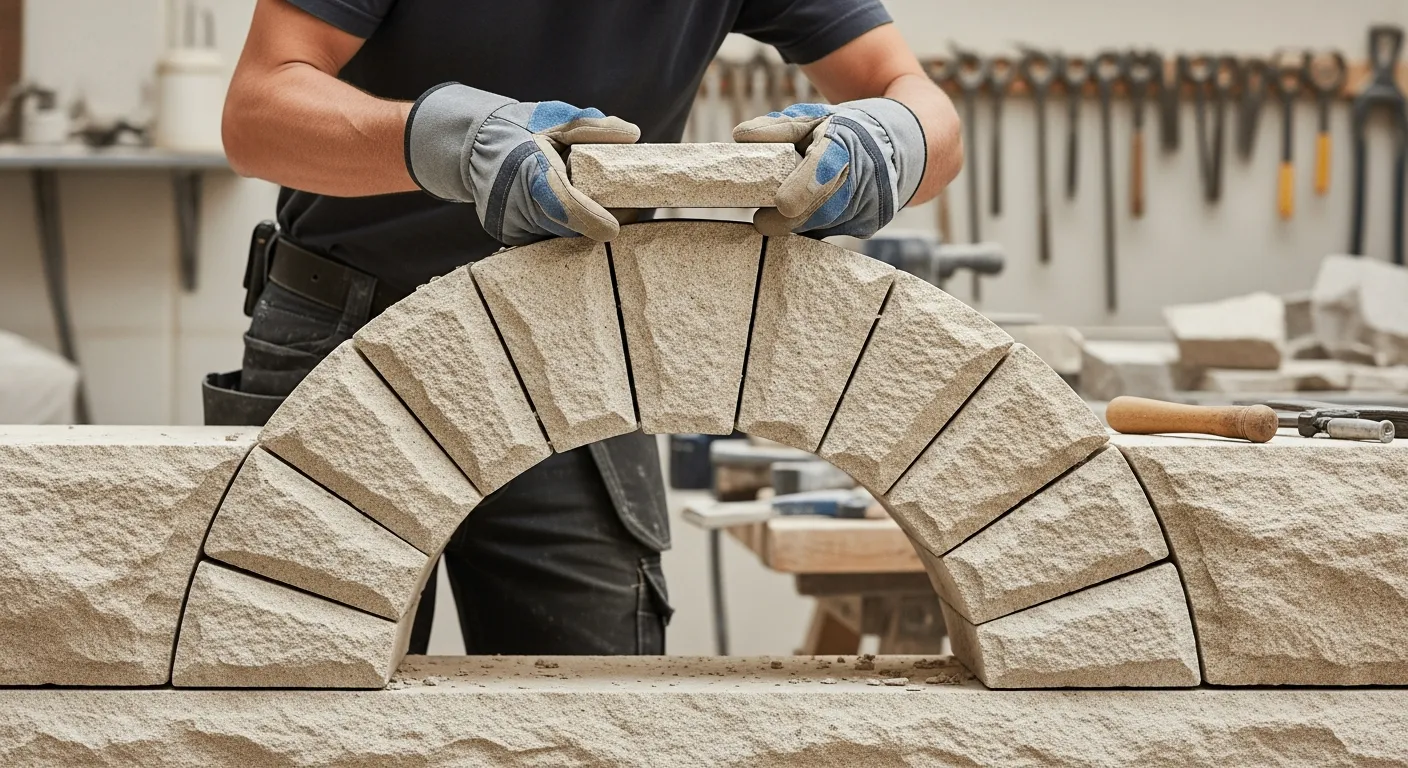
Different arch shapes will distribute these forces in different ways. A flatter arch, for example, will exert a greater outward thrust than a more steeply curved arch.
The selection of materials also plays a crucial role in the arch’s stability. Stronger stones can withstand greater compressive forces, allowing for larger spans and heavier loads.
Mortar, too, contributes to the overall strength of the arch. It acts as a cushion between the stones, distributing pressure and preventing point loads that could lead to cracking.
Understanding the relationship between arch shape, material properties, and load distribution is essential for designing and building a safe and durable stone arch. This knowledge will inform every decision you make throughout the construction process.
Furthermore, consider the effects of environmental factors such as temperature changes and moisture. These can cause expansion and contraction of the stone and mortar, potentially weakening the arch over time. Proper drainage and ventilation can help mitigate these effects.
Designing Your Stone Arch
Before you even think about laying a single stone, you need a well-thought-out arch design. This involves considering the arch’s purpose, span, rise, and the type of stone you’ll be using.
The span is the horizontal distance between the two abutments, while the rise is the vertical distance from the springing line (the level where the arch begins) to the keystone. These dimensions will influence the overall shape and stability of your stone arch.
Different arch designs can be employed, each offering unique aesthetic and structural characteristics. A semi-circular arch, for example, is a classic design with a simple, elegant curve.
Elliptical arches, on the other hand, have a flatter curve and can span greater distances. Gothic arches, with their pointed apexes, offer a more dramatic and visually striking option.
When selecting a design, consider the surrounding environment and the intended use of the arch. A garden arch might benefit from a more decorative design, while a bridge arch requires a robust and structurally sound approach.
Careful planning and consideration of these factors will ensure that your stone arch not only looks beautiful but also functions as intended for years to come. Don’t rush this part of the process.
The design phase should also include detailed drawings and calculations. These will help you visualize the arch and ensure that it is structurally sound.
Consider using computer-aided design (CAD) software to create accurate and detailed drawings. This will also allow you to easily modify the design if needed.
The choice of stone will also influence the design. Different types of stone have different strengths and weaknesses, which must be taken into account.
For example, a softer stone like sandstone may require a thicker arch to provide adequate support. A harder stone like granite can be used in a thinner arch, but it will be more difficult to shape.
Think about the aesthetic you want to achieve. Do you want a rustic, natural look, or a more refined, formal appearance?
The type of stone you choose, the shape of the arch, and the way the stones are laid will all contribute to the overall aesthetic.
Finally, consider the long-term maintenance of the arch. Some stones are more resistant to weathering than others, and some arch designs are easier to repair.
Planning for maintenance from the beginning will help ensure that your stone arch remains beautiful and functional for many years to come.
Creating a Temporary Support Structure (Formwork)
During the construction of a stone arch, a temporary support structure, known as formwork or centering, is essential. This structure provides the necessary support for the stones until the arch is complete and self-supporting.
Typically made of wood, the formwork is carefully constructed to match the exact curve of the intended arch design. The formwork must be sturdy enough to bear the weight of all the stones without sagging or collapsing.
| Formwork Component | Material | Purpose |
|---|---|---|
| Centering Ribs | Wood (e.g., plywood) | Provide the curved shape of the arch |
| Lagging | Wood planks | Surface upon which the stones are laid |
| Support Posts | Wood (e.g., timber) | Vertical supports holding up the centering ribs |
| Wedges | Wood | Allow for controlled lowering of the formwork |
The design and construction of the formwork are crucial for achieving a successful stone arch. Any imperfections in the formwork will be reflected in the final arch, so precision is key.
The formwork must be perfectly shaped to match the intended curve of the arch. Use templates and precise measurements to ensure accuracy.
Consider the weight of the stones when designing the formwork. Use strong, durable materials that can support the load without sagging or deforming.
The support posts should be evenly spaced and securely anchored to the ground. This will prevent the formwork from shifting or collapsing during construction.
The lagging, or the surface upon which the stones are laid, should be smooth and even. This will ensure that the stones are properly aligned and that the arch is structurally sound.
Wedges are used to gradually lower the formwork after the arch is complete. This allows the arch to slowly take on the weight and settle into its final position.
The wedges should be carefully adjusted to ensure that the arch is evenly loaded. Avoid removing the formwork too quickly, as this can damage the arch.
Before laying any stones, double-check the formwork to ensure that it is level, stable, and properly aligned. Any errors in the formwork will be magnified in the final arch.
Consider using a release agent on the formwork to prevent the mortar from sticking. This will make it easier to remove the formwork after the arch is complete.
The construction of the formwork is a critical step in the stone arch building process. Take your time and pay attention to detail to ensure a successful outcome.
Selecting and Shaping the Stones
The choice of stone is a significant factor in the success of your stone arch building project. Different types of stone offer varying degrees of strength, durability, and aesthetic appeal.
Sandstone, limestone, granite, and basalt are commonly used in arch construction, each with its own unique characteristics. Sandstone and limestone are relatively easy to work with but may not be as durable as granite or basalt.
Granite, while extremely strong, can be challenging to shape due to its hardness. Basalt offers a good balance of strength and workability, making it a popular choice for many stone masons.
Once you’ve selected your stone, the next step is to shape the individual stones, known as voussoirs, to fit the arch design. Each voussoir is typically wedge-shaped, with the widest part facing outward.
The precision of these shapes is crucial for ensuring a tight fit and even distribution of weight throughout the arch. Stone masons use a variety of tools, including chisels, hammers, and saws, to shape the stones accurately.
The keystone, as the central locking stone, requires special attention to ensure a perfect fit. The process of selecting and shaping the stones is time-consuming but essential for creating a structurally sound and visually appealing stone arch.
Consider the color and texture of the stone when making your selection. These factors will influence the overall aesthetic of the arch.
Ensure that the stones are free from cracks or other defects. These can weaken the arch and make it more susceptible to damage.
When shaping the voussoirs, use a template to ensure that each stone is the correct size and shape. This will help to create a uniform and aesthetically pleasing arch.
Pay close attention to the angles of the voussoirs. These angles must be precise to ensure that the arch is structurally sound.
Use a variety of tools to shape the stones, including chisels, hammers, and saws. Experiment with different techniques to find what works best for you.
Take your time when shaping the stones. Precision is key to creating a strong and beautiful arch.
Label each voussoir to indicate its position in the arch. This will make it easier to assemble the arch later on.
The keystone should be slightly larger than the other voussoirs. This will help to lock the arch together and provide additional support.
Consider using a stone sealant to protect the stones from weathering. This will help to prolong the life of the arch.
Laying the Stones and Installing the Keystone
With the formwork in place and the stones shaped, the next step is to begin laying the voussoirs. Start by placing the first stones, known as springers, on the abutments, ensuring they are level and securely seated.
As you lay each subsequent stone, use mortar to bond the stones together, creating a strong and cohesive structure. The mortar should be of a suitable consistency, providing both adhesion and flexibility to accommodate slight movements in the arch.
- Check alignment frequently
- Use shims for minor adjustments
- Apply mortar evenly
- Avoid large gaps
- Keep the work area clean
Once all the voussoirs are in place, the final step is to install the keystone. This is a critical moment in the construction process, as the keystone locks the entire arch together.
Use a level to ensure that each stone is properly aligned. A slight misalignment can weaken the arch.
Apply mortar to the top and sides of each stone before placing it in the arch. This will create a strong bond between the stones.
Use shims to make minor adjustments to the position of the stones. This will help to ensure that the arch is perfectly aligned.
Avoid using too much mortar. Excess mortar can weaken the arch and make it more susceptible to damage.
Keep the work area clean. This will help to prevent accidents and ensure that the arch is built correctly.
When installing the keystone, use a hammer to gently tap it into place. Avoid using too much force, as this can damage the stones.
The keystone should fit snugly into the arch. If it is too loose, the arch will be unstable.
Once the keystone is in place, allow the mortar to cure for several days before removing the formwork. This will give the arch time to strengthen.
Consider using a colored mortar to enhance the aesthetic of the arch. This can add a unique and personal touch to your project.
The process of laying the stones and installing the keystone requires patience and attention to detail. Take your time and follow these steps carefully to ensure a successful outcome.
Removing the Formwork and Inspecting the Arch
After the mortar has fully cured, typically after several days, it’s time to carefully remove the formwork. This is a delicate process that should be done gradually to allow the arch to settle and adjust to its new load-bearing state.
Start by loosening any wedges or supports that are holding the formwork in place, allowing the arch to slowly take on the weight. As the formwork is removed, listen for any cracking or shifting sounds, which could indicate potential problems.
Once the formwork is completely removed, thoroughly inspect the arch for any signs of instability or weakness. Look for cracks in the stones or mortar joints, and check for any displacement or misalignment.
If you find any issues, address them promptly to prevent further damage or collapse. Minor cracks can often be repaired with additional mortar, while more significant problems may require the expertise of a structural engineer.
Regular inspections and maintenance will help ensure the long-term stability and beauty of your stone arch. A well-built stone arch can last for centuries, serving as a testament to the skill and craftsmanship of the stone mason.
Remove the formwork slowly and evenly. This will prevent the arch from being overloaded and collapsing.
Listen carefully for any cracking or shifting sounds. These can indicate that the arch is unstable.
Inspect the arch for cracks in the stones or mortar joints. These can weaken the arch and make it more susceptible to damage.
Check for any displacement or misalignment of the stones. This can indicate that the arch is not properly supported.
If you find any issues, consult with a structural engineer before making any repairs. An improperly repaired arch can be even more dangerous than an arch with no repairs.
Apply a sealant to the arch to protect it from weathering. This will help to prolong the life of the arch.
Regularly inspect the arch for any signs of damage. Early detection of problems can prevent more serious damage from occurring.
Keep the area around the arch clear of debris. This will help to prevent damage to the arch.
A well-maintained stone arch can last for centuries. By following these steps, you can ensure that your arch remains a beautiful and functional structure for many years to come.
The Importance of Structural Integrity
Structural integrity is the cornerstone of any successful stone arch building. It refers to the arch’s ability to withstand loads and environmental stresses without collapsing or experiencing significant deformation.
Several factors contribute to the structural integrity of a stone arch, including the quality of the materials, the precision of the arch design, and the skill of the stone mason. Using high-quality stone and mortar is essential for ensuring the arch’s durability and resistance to weathering.
A well-designed arch will distribute weight evenly and minimize stress concentrations, reducing the risk of cracking or collapse. Proper construction techniques, such as careful stone shaping and mortar application, are also crucial for achieving optimal structural integrity.
Regular inspections and maintenance can help identify potential problems early on, allowing for timely repairs and preventing more serious damage. By prioritizing structural integrity, you can ensure that your stone arch remains a safe and beautiful structure for generations to come.
The choice of stone significantly impacts structural integrity. Stronger stones like granite can bear more weight.
Proper mortar mixing and application are vital. The mortar should be strong enough to bond the stones together but also flexible enough to accommodate movement.
The foundation upon which the abutments rest must be solid. Uneven settling can cause significant stress on the arch.
Drainage around the arch is crucial to prevent water damage. Water can weaken the mortar and erode the stone over time.
Consider the local climate when designing the arch. Arches in areas with extreme temperature fluctuations are more susceptible to damage.
The arch’s shape also plays a role in its structural integrity. Some shapes are inherently stronger than others.
Ensure that the arch is properly supported during construction. The formwork must be strong enough to bear the weight of the stones.
Avoid overloading the arch. Exceeding the arch’s weight capacity can lead to collapse.
Structural integrity is not just about the materials and construction. It’s also about ongoing maintenance and care.
By paying attention to these factors, you can ensure that your stone arch is structurally sound and will last for many years to come.
Advanced Stone Masonry Techniques
Beyond the basic principles of stone arch building, there are several advanced techniques that stone masons can employ to enhance the beauty and functionality of their arches. These techniques include the use of specialized tools, decorative stone carving, and innovative arch designs.
Specialized tools, such as pneumatic hammers and diamond-tipped saws, can significantly speed up the stone shaping process and allow for greater precision. Decorative stone carving can add intricate details and artistic flair to the arch, transforming it into a true work of art.
Innovative arch designs, such as segmental arches or catenary arches, can offer unique structural advantages and aesthetic appeal. Segmental arches, with their shallow curves, are ideal for situations where headroom is limited.
Catenary arches, which follow the natural curve of a hanging chain, are exceptionally strong and efficient at distributing weight. Mastering these advanced techniques requires years of experience and a deep understanding of stone masonry principles, but the results can be truly remarkable.
Using dry-stacking techniques eliminates the need for mortar. This requires extremely precise stone shaping and fitting.
Employing complex stone patterns can create visually stunning arches. This requires careful planning and execution.
Incorporating keystones with intricate carvings adds a unique touch. These carvings can depict historical events or symbolic imagery.
Building arches with multiple curves or varying thicknesses can enhance their structural performance. This requires advanced engineering knowledge.
Utilizing different types of stone in the same arch can create interesting visual contrasts. This requires careful consideration of the stones’ properties.
Creating arches with hidden lighting can enhance their aesthetic appeal at night. This requires careful planning and integration of electrical systems.
Building arches that incorporate water features, such as fountains or waterfalls, can add a sense of tranquility. This requires careful consideration of water management and drainage.
Using recycled or reclaimed stone can add a unique character to the arch. This also promotes sustainable building practices.
Mastering these advanced techniques requires years of dedicated practice. It also requires a passion for stone masonry and a commitment to excellence.
These techniques can elevate a simple stone arch into a breathtaking work of art, showcasing the skill and creativity of the stone mason.
Conclusion
Building a stone arch is a challenging but rewarding endeavor that combines engineering principles with artistic expression. By understanding the fundamentals of arch construction, carefully designing your arch, and employing proper stone masonry techniques, you can create a beautiful and enduring structure.
Remember to prioritize structural integrity and regularly inspect and maintain your arch to ensure its long-term stability. With dedication and skill, you can master the art of stone arch building and leave a lasting legacy for generations to come.
The journey of learning stone arch building is a continuous one. There’s always something new to discover and master.
Embrace the challenges and celebrate the successes along the way. The satisfaction of creating a lasting structure with your own hands is unparalleled.
Share your knowledge and passion with others. Help to preserve this ancient craft for future generations.
Continue to explore new techniques and designs. Push the boundaries of what’s possible with stone arch building.
Remember that every stone arch is a unique expression of the builder’s skill and vision. Let your creativity shine through in every project you undertake.
The legacy of stone arch building stretches back thousands of years. You are now part of that proud tradition.
Strive to create arches that are not only beautiful and functional but also enduring testaments to human ingenuity.
So, go forth and build! Let your passion for stone guide you on this incredible journey.
The world needs more skilled stone masons to preserve and enhance our built environment.
Your contribution to this timeless craft will be valued for generations to come. Embrace the opportunity to create something truly remarkable.