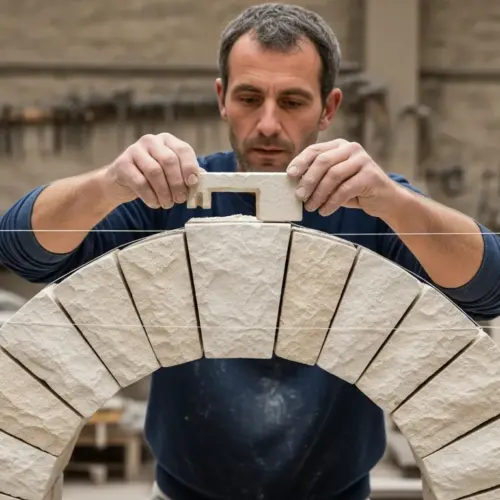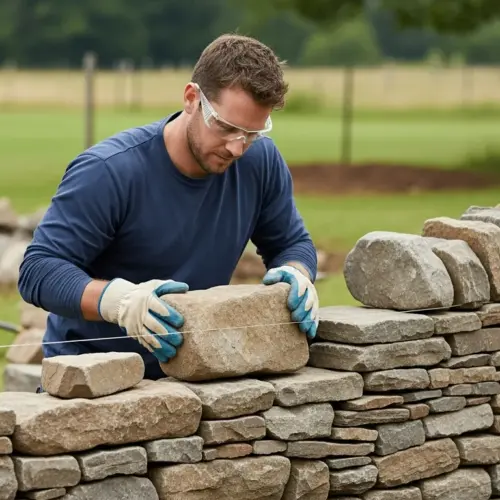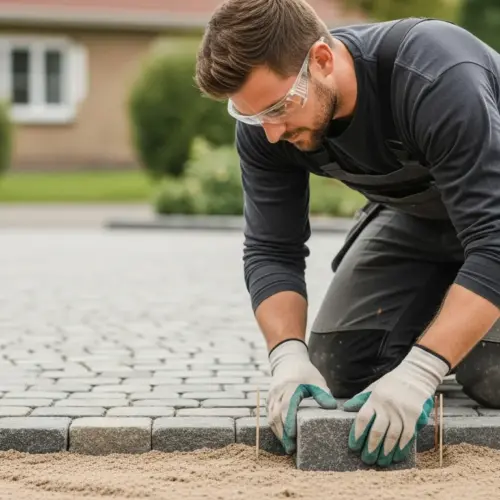


A stone fireplace is a beautiful and functional centerpiece in any home. Over time, however, the stone can become dirty, stained, or damaged, detracting from its appeal and potentially affecting its safety. That’s why regular maintenance and, when necessary, professional stone fireplace restoration are essential.
This comprehensive guide will walk you through the process of restoring your stone fireplace, from initial inspection to final sealing and safety checks. Whether you’re dealing with minor surface stains or more significant structural issues, understanding the proper techniques will help you bring your fireplace back to its former glory.
We’ll cover everything from fireplace cleaning and stone repair to hearth maintenance and crucial safety considerations. With the right tools, materials, and knowledge, you can confidently tackle your stone fireplace restoration project and enjoy a warm and inviting hearth for years to come.
Inspecting Your Stone Fireplace for Damage
Before beginning any restoration work, a thorough inspection is crucial. This initial assessment will help you identify the type and extent of damage, allowing you to plan your restoration strategy effectively.
Start by visually examining the entire fireplace, including the firebox, surround, hearth, and chimney. Look for cracks, chips, loose stones, staining, soot buildup, and any signs of water damage, such as efflorescence (a white, powdery deposit).
Pay close attention to the mortar joints between the stones. Cracks or crumbling mortar can compromise the structural integrity of the fireplace and allow water to penetrate, leading to further damage.
Check the hearth for cracks or unevenness, which can be a tripping hazard and indicate settling. Also, inspect the firebox for any signs of deterioration, such as cracked firebrick or damaged dampers, as these can affect the fireplace’s efficiency and safety.
Begin your inspection with a detailed look at the firebox. Examine the firebricks for any signs of cracking or crumbling, which could indicate heat damage.
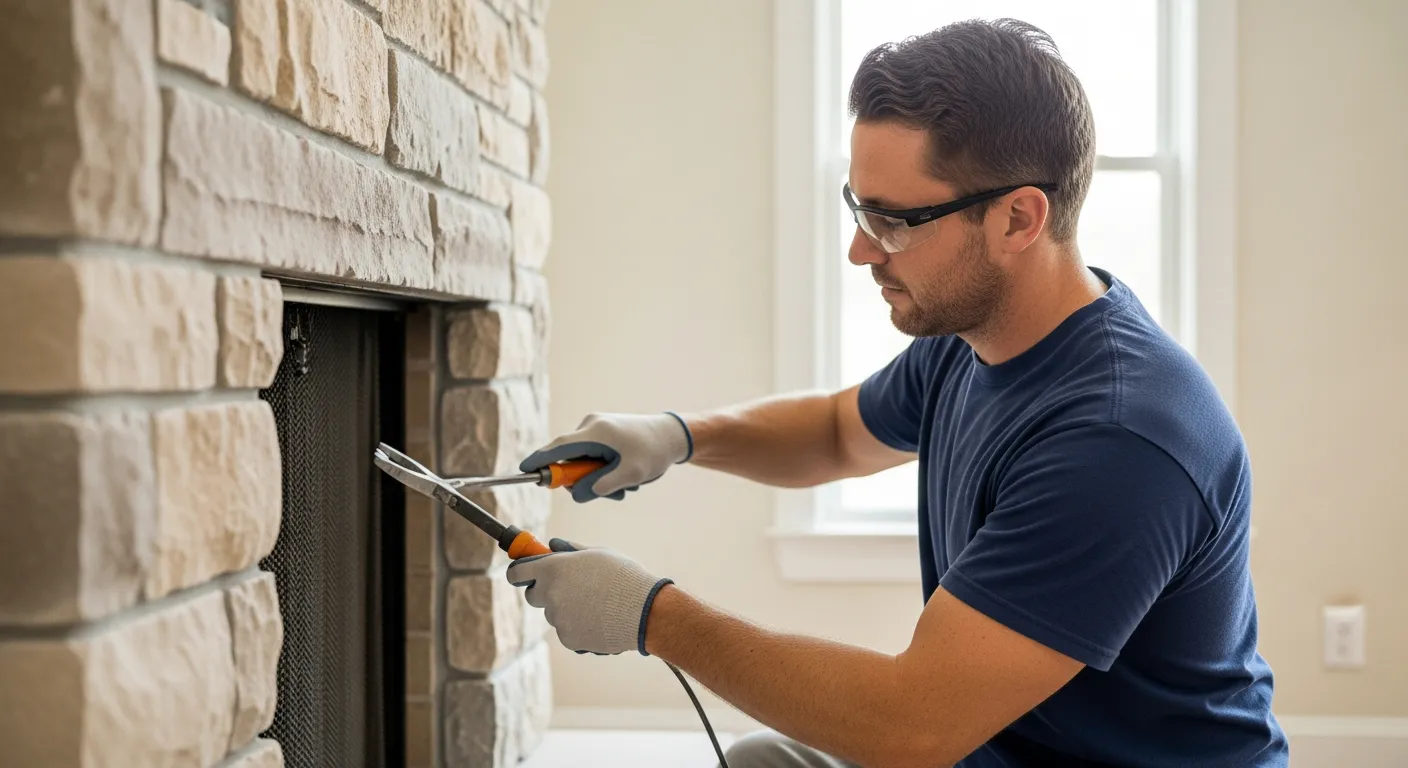
Next, turn your attention to the damper. Ensure it opens and closes smoothly and seals properly to prevent drafts when the fireplace is not in use.
Moving outward, carefully inspect the stone surround for any signs of staining or discoloration. Note any areas where the stone appears to be crumbling or deteriorating.
Don’t forget to examine the hearth for cracks or uneven surfaces. These can pose a safety hazard and should be addressed promptly.
Finally, take a look at the chimney, both inside and outside if possible. Look for any signs of damage or deterioration, such as missing bricks or crumbling mortar.
Water damage is a common culprit behind stone fireplace deterioration, so be particularly vigilant for signs of moisture penetration. Efflorescence, a white powdery deposit, is a telltale sign of water seeping through the stone.
Also, pay attention to any musty odors emanating from the fireplace, as this could indicate mold growth due to moisture. Addressing water damage promptly is crucial to preventing further deterioration of the stone.
Cleaning and Preparing the Stone Surface
Once you’ve assessed the damage, the next step is to clean the stone surface thoroughly. This will remove dirt, soot, and other debris, allowing you to better evaluate the condition of the stone and ensure proper adhesion of any repair materials.
Begin by dry-brushing the entire fireplace with a stiff-bristled brush to remove loose dirt and soot. For more stubborn deposits, use a vacuum cleaner with a brush attachment to gently remove the debris.
Next, prepare a cleaning solution of mild dish soap and warm water. Avoid using harsh chemicals or abrasive cleaners, as they can damage the stone surface.
Using a soft sponge or cloth, gently scrub the stone surface with the cleaning solution. Rinse thoroughly with clean water and allow the stone to dry completely before proceeding with any repairs.
For tough stains, such as soot or rust, you may need to use a specialized stone cleaner. Always follow the manufacturer’s instructions and test the cleaner in an inconspicuous area first to ensure it doesn’t damage the stone.
Before you even think about applying any cleaning solutions, protect the surrounding areas. Cover the floor and any nearby furniture with drop cloths to prevent accidental spills or splatters.
When dry-brushing, use a brush with natural bristles to avoid scratching the stone surface. Work in small sections and apply gentle pressure to dislodge loose dirt and debris.
For vacuuming, use a HEPA filter to capture fine particles and prevent them from being recirculated into the air. This is especially important if you’re dealing with a lot of soot or dust.
When preparing your cleaning solution, opt for a pH-neutral dish soap to avoid damaging the stone. Harsh chemicals can etch or discolor the stone, so it’s best to err on the side of caution.
When scrubbing, use a circular motion and avoid applying too much pressure. Let the cleaning solution do the work, and rinse frequently to prevent soap buildup.
If you encounter stubborn stains, consider using a poultice. A poultice is a paste-like mixture that draws out stains from porous materials like stone.
You can make a poultice by mixing baking soda with water or hydrogen peroxide. Apply the poultice to the stain, cover it with plastic wrap, and let it sit for several hours or overnight.
After removing the poultice, rinse the area thoroughly with clean water and allow it to dry completely. Repeat the process if necessary until the stain is gone.
Repairing Cracks and Chips in the Stone
Cracks and chips are common issues in stone fireplaces, but they can be effectively repaired to restore the stone’s appearance and prevent further damage. The key is to use the right materials and techniques for the type and size of the damage.
For small cracks and chips, a stone repair epoxy or patching compound is an excellent choice. These products are designed to bond strongly to the stone and create a durable, seamless repair.
| Repair Type | Material | Application |
|---|---|---|
| Small Cracks | Stone Repair Epoxy | Apply with a putty knife, smooth, and allow to cure. |
| Large Cracks | Mortar or Grout | Pack into the crack, tooling to match existing joints. |
| Chips | Patching Compound | Fill the chip, shape to match the surrounding stone, and let dry. |
| Loose Stones | Construction Adhesive | Apply to the back of the stone and reattach to the fireplace. |
Before applying the repair material, clean the damaged area thoroughly and remove any loose debris. Use a putty knife or small trowel to apply the epoxy or patching compound, filling the crack or chip completely.
When selecting a stone repair epoxy or patching compound, choose a product that is specifically designed for the type of stone in your fireplace. This will ensure a proper bond and a seamless repair.
Before applying the repair material, use a wire brush to remove any loose or crumbling stone from the damaged area. This will create a clean surface for the epoxy or patching compound to adhere to.
For deeper cracks, you may need to use a crack injection system. This involves injecting the repair material deep into the crack to ensure a complete fill.
When applying the repair material, work in thin layers to avoid trapping air bubbles. Allow each layer to dry completely before applying the next.
Use a damp sponge to wipe away any excess repair material from the surrounding stone surface. This will help to blend the repair seamlessly with the existing stone.
After the repair material has fully cured, you may need to sand it down to match the texture of the surrounding stone. Use fine-grit sandpaper and work slowly to avoid damaging the stone.
For larger chips, you may need to create a mold to help shape the repair material. You can use modeling clay or a similar material to create a mold that conforms to the shape of the missing stone.
Once the mold is in place, fill it with the repair material and allow it to cure completely. Remove the mold and sand down the repair to match the surrounding stone.
Replacing Damaged or Missing Stones
In some cases, stones may be too damaged to repair or may be entirely missing from the fireplace. Replacing these stones is essential to maintaining the fireplace’s structural integrity and aesthetic appeal.
The first step is to source replacement stones that closely match the existing ones in terms of size, shape, color, and texture. You may be able to find suitable stones at a local stone yard or masonry supply store.
Once you have the replacement stones, carefully remove any remaining mortar or debris from the area where the old stone was located. Apply a generous amount of construction adhesive to the back of the replacement stone and firmly press it into place.
Use shims or wedges to hold the stone in place while the adhesive dries. Once the adhesive is fully cured, remove the shims and apply fresh mortar around the edges of the stone to match the existing mortar joints.
Tool the mortar joints to create a consistent and professional finish. Allow the mortar to cure completely before using the fireplace.
Finding a perfect match for your existing stones can be challenging. Take a sample of the existing stone with you to the stone yard to compare colors and textures.
If you can’t find an exact match, consider using stones that are slightly different in color or texture to create a more rustic or unique look. Just be sure the stones are compatible in terms of density and porosity.
When removing the old mortar, use a chisel and hammer to carefully chip away at the mortar joints. Avoid damaging the surrounding stones.
Before applying the construction adhesive, dampen the back of the replacement stone with water. This will help the adhesive to bond more effectively.
When applying the mortar, use a pointing trowel to carefully pack the mortar into the joints. Be sure to fill all the voids and create a tight seal.
Tooling the mortar joints is an important step in creating a professional finish. Use a jointing tool to create a consistent and uniform look.
There are several different types of mortar joints to choose from, including concave, flush, and grapevine. Choose a joint style that complements the style of your fireplace.
After tooling the mortar joints, use a brush to remove any excess mortar from the stone surface. This will help to prevent staining.
Allow the mortar to cure for at least 72 hours before using the fireplace. This will give the mortar time to harden and create a strong bond.
Sealing and Protecting the Fireplace Stone
Sealing the stone surface is an important step in protecting your restored fireplace from future damage. A good quality stone sealer will help prevent water penetration, staining, and efflorescence.
Before applying the sealer, make sure the stone surface is clean, dry, and free of any loose debris. Choose a sealer specifically designed for natural stone and follow the manufacturer’s instructions carefully.
- Apply sealer in thin, even coats
- Use a brush, roller, or sprayer
- Allow each coat to dry completely
- Apply multiple coats for maximum protection
- Wipe off any excess sealer
Apply the sealer in thin, even coats, using a brush, roller, or sprayer. Allow each coat to dry completely before applying the next one.
Choosing the right sealer is crucial for long-term protection. Penetrating sealers are generally recommended for stone fireplaces, as they penetrate the stone and create a barrier against moisture and stains without altering the stone’s appearance.
Before applying the sealer to the entire fireplace, test it in an inconspicuous area to ensure it doesn’t change the color or texture of the stone. This is especially important for porous stones.
When applying the sealer, work in a well-ventilated area to avoid inhaling harmful fumes. Wear gloves and eye protection to protect yourself from the sealer.
Avoid applying too much sealer, as this can create a sticky or glossy finish. Apply thin, even coats and allow each coat to dry completely before applying the next.
After applying the sealer, wipe off any excess sealer from the stone surface with a clean cloth. This will help to prevent streaks and blotches.
Allow the sealer to cure completely before using the fireplace. This will give the sealer time to fully penetrate the stone and create a durable barrier.
Reapply the sealer every few years to maintain its protective properties. The frequency of reapplication will depend on the type of sealer and the amount of use the fireplace receives.
Regular cleaning can also help to protect your fireplace stone. Wipe up spills and stains promptly and avoid using harsh chemicals or abrasive cleaners.
Hearth Maintenance Best Practices
The hearth is an integral part of your stone fireplace, providing a non-combustible surface in front of the firebox. Proper hearth maintenance not only keeps it looking good but also ensures its safety and functionality.
Regular cleaning is essential to remove ash, soot, and spills. Use a soft brush and dustpan to sweep up loose debris, and wipe the surface with a damp cloth and mild detergent to remove stains.
For stone hearths, consider applying a stone sealer to protect against staining and water damage. If your hearth has grout lines, clean them regularly with a grout brush and a grout cleaner to prevent discoloration.
Inspect the hearth for cracks or unevenness, and repair them promptly to prevent tripping hazards. If your hearth is made of individual tiles or stones, make sure they are securely attached and replace any that are loose or damaged.
Consider placing a decorative rug or mat in front of the hearth to protect it from scratches and spills. Choose a fire-resistant material for added safety.
To prevent scratches, avoid dragging heavy objects across the hearth. Use furniture sliders or lift heavy items instead.
When cleaning grout lines, use a grout brush with stiff bristles to scrub away dirt and grime. You can also use a grout cleaner or a mixture of baking soda and water.
If your hearth is made of natural stone, avoid using acidic cleaners, such as vinegar or lemon juice. These can damage the stone surface.
To remove stubborn stains from your hearth, try using a poultice. A poultice is a paste-like mixture that draws out stains from porous materials like stone.
Inspect the hearth regularly for signs of damage, such as cracks, chips, or loose stones. Repair any damage promptly to prevent further deterioration.
If your hearth is made of individual tiles or stones, check the grout lines for cracks or crumbling. Repair any damaged grout to prevent water from seeping underneath the tiles or stones.
Consider applying a sealant to the grout lines to protect them from staining and water damage. There are many different types of grout sealants available, so choose one that is appropriate for your type of grout.
If you have a gas fireplace, clean the glass doors regularly with a glass cleaner. This will help to keep the glass clear and prevent soot buildup.
Fireplace Safety Considerations
Fireplace safety should always be a top priority, especially after completing a restoration project. Ensuring your fireplace is safe to use will protect your home and family from potential hazards.
Before using the fireplace, have it inspected by a qualified chimney sweep. They can check for any structural issues, chimney blockages, or creosote buildup, which can pose a fire risk.
Always use a fire screen or fireplace doors to prevent sparks and embers from escaping into the room. Keep flammable materials, such as curtains, furniture, and paper, away from the fireplace.
Never leave a fire unattended, and make sure it is completely extinguished before leaving the house or going to bed. Install smoke detectors and carbon monoxide detectors in your home and test them regularly.
Burn only seasoned firewood in your fireplace. Avoid burning treated wood, painted wood, or trash, as these can release harmful chemicals into the air and damage your fireplace.
Clean your chimney regularly to prevent creosote buildup. The National Fire Protection Association recommends having your chimney inspected and cleaned at least once a year.
Ensure that your smoke detectors and carbon monoxide detectors are properly installed and functioning. Test them monthly and replace the batteries at least once a year.
Store firewood safely away from the fireplace to prevent accidental fires. Keep the area around the fireplace clear of clutter and debris.
Teach children about fireplace safety and never allow them to play near the fireplace unsupervised. Keep matches and lighters out of reach of children.
If you have a gas fireplace, have it inspected annually by a qualified technician. This will ensure that the gas lines are properly sealed and that the fireplace is operating safely.
Never use flammable liquids, such as gasoline or kerosene, to start a fire in your fireplace. These liquids can explode and cause serious injuries.
When extinguishing a fire, use a fireplace poker to spread out the embers and allow them to cool completely. Never pour water on a fire, as this can create a dangerous steam explosion.
Dispose of ashes properly in a metal container with a tight-fitting lid. Store the container away from flammable materials.
Be aware of the signs of carbon monoxide poisoning, such as headache, dizziness, nausea, and shortness of breath. If you suspect carbon monoxide poisoning, evacuate your home immediately and call 911.
Professional Stone Fireplace Restoration Services
While many stone fireplace restoration tasks can be tackled by homeowners, some situations require the expertise of a professional. Complex structural repairs, extensive stone replacement, or intricate cleaning may be best left to skilled stone masons.
Hiring a professional ensures that the work is done correctly and safely, preserving the integrity and beauty of your fireplace. When selecting a stone fireplace restoration contractor, look for experience, proper licensing, and positive reviews.
A qualified professional can assess the condition of your fireplace, recommend the best course of action, and provide a detailed estimate for the work. They will have the necessary tools, materials, and knowledge to handle even the most challenging restoration projects.
Furthermore, a professional can offer guidance on maintaining your stone fireplace to prevent future damage and ensure its longevity. This includes advice on fireplace cleaning, stone repair, and hearth maintenance.
Investing in professional stone fireplace restoration can save you time, money, and potential headaches in the long run. It ensures that your fireplace remains a beautiful and functional focal point in your home for years to come.
When researching potential contractors, ask for references and check their online reviews. A reputable contractor will be happy to provide you with a list of satisfied customers.
Make sure the contractor is licensed and insured. This will protect you in case of accidents or damage during the restoration process.
Get multiple estimates from different contractors before making a decision. This will allow you to compare prices and services.
Read the contract carefully before signing it. Make sure it includes a detailed description of the work to be performed, the materials to be used, and the payment schedule.
Ask the contractor about their experience with stone fireplace restoration. Choose a contractor who has a proven track record of success.
Don’t be afraid to ask questions. A good contractor will be happy to answer your questions and address your concerns.
Consider the contractor’s communication skills. Choose a contractor who is responsive, communicative, and easy to work with.
Trust your gut. If you don’t feel comfortable with a particular contractor, move on to the next one.
Remember that the cheapest contractor is not always the best choice. It’s important to consider the contractor’s experience, qualifications, and reputation.
Conclusion
Restoring a stone fireplace is a rewarding project that can significantly enhance the beauty and value of your home. By following these guidelines and taking the necessary precautions, you can successfully restore your fireplace and enjoy its warmth and charm for years to come.
Remember to prioritize safety throughout the process and seek professional help when needed. With proper care and maintenance, your stone fireplace will continue to be a cherished focal point in your home.
Maintaining your restored stone fireplace is an ongoing process. Regular cleaning and inspections will help to prevent future damage and ensure its longevity.
Don’t hesitate to consult with a professional if you have any questions or concerns about your stone fireplace. They can provide you with expert advice and guidance.
Enjoy the warmth and beauty of your restored stone fireplace for many years to come. It’s a valuable asset that will enhance your home and create a cozy atmosphere for you and your family.