
Flagstone patios offer a timeless appeal, blending natural beauty with functional outdoor living. However, like all outdoor installations, they are subject to wear and tear from weather, foot traffic, and the passage of time. Knowing how to address common issues through flagstone patio repair not only preserves the patio’s aesthetic but also extends its lifespan, ensuring years of enjoyment.
This guide provides a step-by-step approach to flagstone patio repair, covering everything from assessing the damage to preventing future problems. Mastering these techniques allows homeowners to maintain their patios effectively, enhancing their property’s value and appeal.
Whether you’re dealing with cracked stones, loose mortar, or an uneven surface, this guide equips you with the knowledge and skills needed for successful flagstone patio repair. With the right tools and a bit of effort, you can restore your flagstone patio to its former glory, creating a beautiful and inviting outdoor space.
Assessing the Damage to Your Flagstone Patio
Before beginning any flagstone patio repair, a thorough assessment of the damage is crucial. This step helps identify the scope of the problem and ensures that the appropriate repair methods are used.
Start by walking the entire patio area, noting any cracked or broken flagstones. Look for loose stones that wobble or shift underfoot, indicating a failure in the mortar bed.
Pay close attention to the mortar joints between the flagstones. Check for crumbling, cracking, or missing mortar, as these issues can lead to water infiltration and further damage.
Also, examine the overall levelness of the patio. Uneven surfaces can be a tripping hazard and may indicate underlying issues with the base material.
A comprehensive assessment helps determine the extent of the repair needed. It also allows you to estimate the cost and time required for the project.
Documenting the damage with photographs can be helpful, especially if you plan to consult with a professional. These photos can provide a clear picture of the issues and facilitate communication.
Consider the age of the patio when assessing the damage. Older patios may have more widespread issues due to years of wear and tear.
Also, check for any signs of water damage, such as discoloration or staining. These signs can indicate underlying problems with drainage or waterproofing.
Removing Damaged Flagstones and Mortar
Once you’ve identified the damaged areas, the next step in flagstone patio repair is to remove the affected flagstones and mortar. This process requires care to avoid damaging surrounding stones.
Begin by using a hammer and chisel to carefully remove the old mortar around the damaged flagstone. Work slowly and methodically, chipping away at the mortar until the stone is loose.
If the flagstone is cracked but still relatively intact, gently pry it up using a pry bar or large screwdriver. For severely broken stones, you may need to break them into smaller pieces for easier removal.
After removing the flagstone, clean the area thoroughly. Scrape away any remaining mortar and debris from the surrounding stones and the base beneath.
Wear safety glasses and gloves to protect yourself from flying debris and sharp edges. This is crucial for preventing injuries during the removal process.
Use a shop vacuum to remove loose dust and particles from the area. A clean surface will ensure better adhesion of the new mortar.
When removing mortar, try to avoid damaging the surrounding flagstones. Work carefully and use gentle pressure to minimize the risk of chipping or cracking.
Dispose of the old mortar and broken flagstones properly. Check with your local waste management guidelines for disposal instructions.
Preparing the Base for New Flagstones
A solid base is essential for a long-lasting flagstone patio. Proper preparation of the base ensures that the new flagstones are stable and level.
Start by inspecting the existing base material. If it’s compacted and stable, you may only need to add a fresh layer of gravel or sand.
| Base Material | Thickness | Purpose |
|---|---|---|
| Compacted Gravel | 4-6 inches | Provides drainage and stability |
| Sand Layer | 1-2 inches | Creates a level setting bed |
| Mortar Mix | Variable | Bonds flagstones to the base |
| Existing Base | N/A | Foundation for new layers |
If the base is uneven or unstable, you’ll need to excavate down to a solid foundation. Add a layer of compacted gravel, followed by a layer of sand, ensuring each layer is level and well-compacted.
Use a level to ensure that the base is perfectly flat. An uneven base can cause the flagstones to shift and crack over time.
Compact the gravel and sand layers using a hand tamper or a plate compactor. This will create a stable and durable base for the flagstones.
Consider adding a layer of landscape fabric between the soil and the gravel. This will help prevent weeds from growing up through the patio.
Ensure that the base extends slightly beyond the edges of the flagstones. This will provide additional support and prevent the stones from shifting.
Laying New Flagstones and Applying Mortar
With the base properly prepared, you’re ready to lay the new flagstones. This step involves carefully setting the stones and applying mortar to create a secure and attractive surface.
Begin by mixing your mortar according to the manufacturer’s instructions. Apply a layer of mortar to the prepared base, ensuring it’s thick enough to support the flagstone.
Carefully set the flagstone into the mortar bed. Use a rubber mallet to gently tap the stone into place, ensuring it’s level with the surrounding stones.
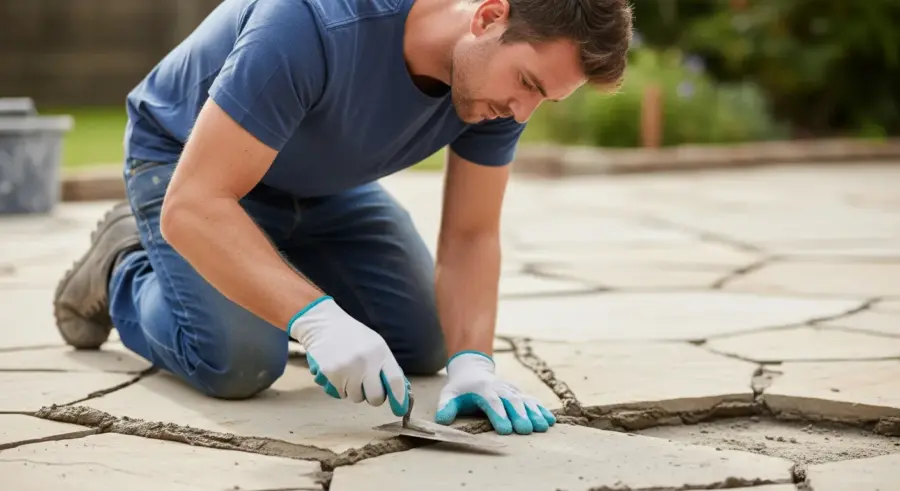
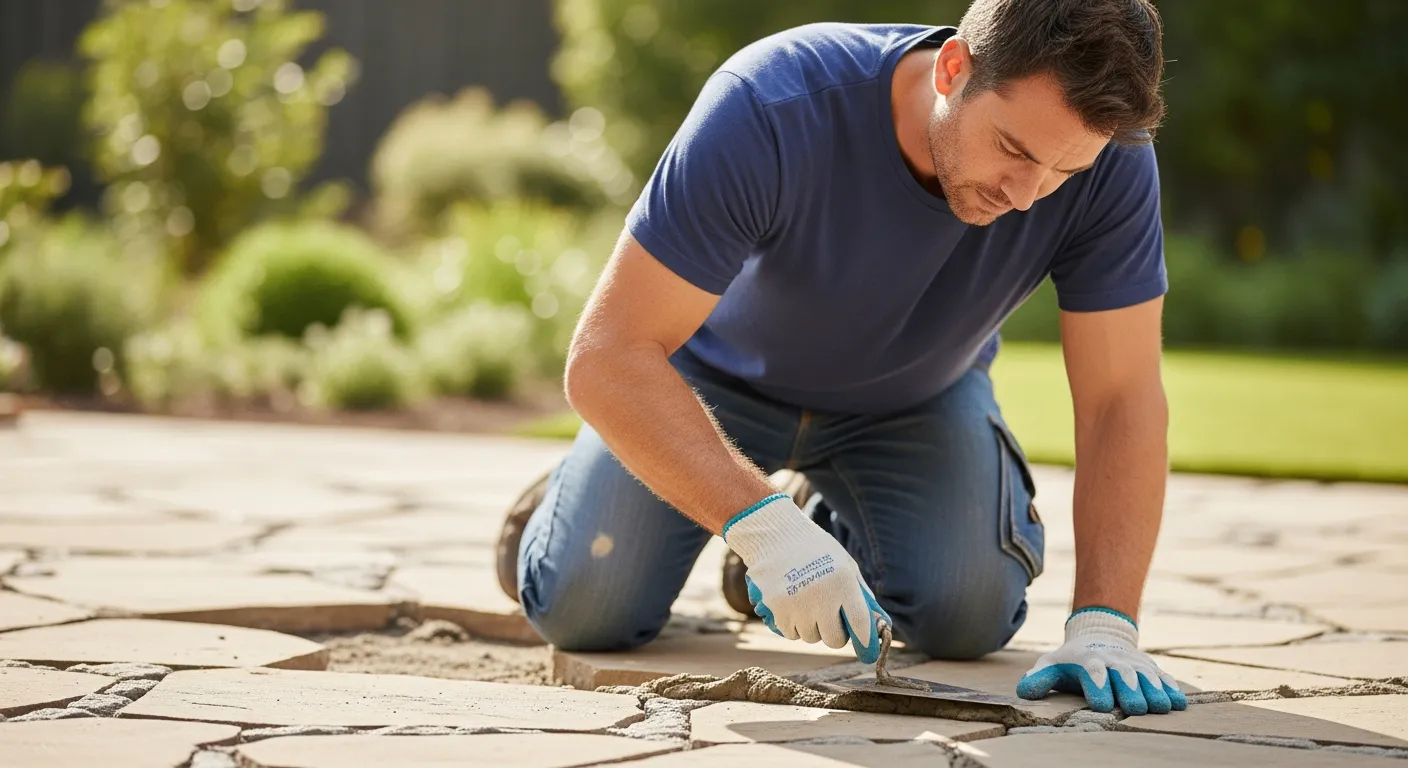
Once the flagstone is set, apply mortar to the joints between the stones. Use a pointing trowel to pack the mortar tightly into the joints, creating a smooth and consistent finish.
Use a margin trowel to scoop mortar from the mixing container. This will help you apply the mortar evenly and efficiently.
Wipe away any excess mortar from the surface of the flagstones with a damp sponge. This will prevent the mortar from staining the stones.
Consider using spacers to maintain consistent joint widths between the flagstones. This will create a more uniform and professional-looking patio.
Work in small sections to prevent the mortar from drying out before you can set the flagstones. This will ensure a strong and durable bond.
Curing and Sealing the Patio
After laying the new flagstones and applying mortar, proper curing and sealing are essential. These steps ensure the longevity and durability of your flagstone patio repair.
Allow the mortar to cure for at least 24-48 hours before applying a sealant. Keep the area lightly misted with water during the curing process to prevent the mortar from drying out too quickly.
Once the mortar is fully cured, apply a high-quality sealant specifically designed for flagstone. The sealant will protect the stone and mortar from water damage, stains, and other environmental factors.
Follow the manufacturer’s instructions for applying the sealant. Typically, this involves applying one or two coats with a brush or sprayer, allowing each coat to dry completely before applying the next.
Curing helps the mortar to harden properly and develop its full strength. This is essential for preventing cracks and other damage.
Sealing protects the flagstone and mortar from the elements. It also helps to prevent staining and makes the patio easier to clean.
Choose a sealant that is specifically designed for flagstone. Some sealants can discolor or damage the stone.
Apply the sealant evenly and thoroughly. Make sure to cover all of the flagstones and mortar joints.
Preventing Future Damage to Your Flagstone Patio
Preventing future damage is key to maintaining a beautiful and functional flagstone patio. Regular maintenance and proactive measures can significantly extend the life of your patio.
One of the most effective ways to prevent damage is to regularly clean your patio. Sweep away dirt, leaves, and debris to prevent staining and the growth of mold or mildew.
- Sweep regularly
- Apply sealant annually
- Repair cracks promptly
- Avoid de-icing salts
- Use furniture pads
Apply a fresh coat of sealant annually to protect the stone and mortar from water damage. Promptly repair any cracks or loose mortar to prevent further deterioration.
Avoid using de-icing salts on your flagstone patio. These salts can damage the stone and mortar.
Use furniture pads under the legs of your patio furniture. This will prevent scratches and other damage to the stone.
Trim any overhanging branches or shrubs that could drop leaves or debris onto the patio. This will help to keep the patio clean and prevent staining.
Consider using a pressure washer to clean your patio. However, be careful not to use too much pressure, as this can damage the stone and mortar.
Choosing the Right Materials for Flagstone Patio Repair
Selecting appropriate materials is vital for ensuring a durable and aesthetically pleasing flagstone patio repair. The right choices can significantly impact the longevity and appearance of your patio.
When selecting flagstones for stone replacement, opt for stones that match the existing patio in color, texture, and thickness. This ensures a seamless and consistent look.
For mortar repair, choose a mortar mix specifically designed for stone patios. These mixes are formulated to withstand the elements and provide a strong, flexible bond.
Also, consider using a high-quality sealant that is compatible with flagstone. A good sealant will protect the stone and mortar from water damage, stains, and UV exposure.
Consider the climate in your area when choosing materials. In colder climates, select materials that are resistant to freeze-thaw cycles.
Consult with a local stone supplier for advice on the best materials for your specific patio. They can provide valuable insights and recommendations.
Read reviews and compare different products before making a purchase. This will help you find the best quality materials at a reasonable price.
Don’t be afraid to spend a little extra on high-quality materials. The investment will pay off in the long run with a more durable and long-lasting patio.
Tools and Equipment Needed for the Job
Having the right tools and equipment on hand is essential for efficient and effective flagstone patio repair. Proper tools not only make the job easier but also help ensure a professional-looking result.
A hammer and chisel are necessary for removing old mortar and breaking up damaged flagstones. A pry bar or large screwdriver is useful for lifting and positioning the stones.
A rubber mallet helps to gently set the flagstones into the mortar bed without damaging them. A pointing trowel is essential for packing mortar into the joints between the stones.
Other useful tools include a level, a measuring tape, a wheelbarrow for mixing mortar, and safety glasses to protect your eyes.
A wet saw can be helpful for cutting flagstones to fit specific spaces. This is especially useful for irregular shapes or tight corners.
A hand tamper or plate compactor is essential for compacting the base material. This will create a stable and durable foundation for the patio.
A shop vacuum is useful for cleaning up dust and debris. This will help to ensure a clean and professional-looking finish.
Don’t forget to wear appropriate safety gear, including gloves, safety glasses, and a dust mask. This will protect you from injuries and exposure to harmful materials.
Addressing Common Flagstone Patio Problems
Flagstone patios can develop various problems over time, each requiring specific repair techniques. Understanding these common issues and their solutions is essential for effective patio maintenance.
Cracked flagstones are a common issue, often caused by freeze-thaw cycles or heavy impact. These stones should be replaced as soon as possible to prevent water infiltration and further damage.
Loose or crumbling mortar is another frequent problem. This can be addressed by carefully removing the old mortar and replacing it with a fresh mix.
Uneven surfaces can be caused by settling or shifting of the base material. Correcting this issue involves lifting the flagstones, re-leveling the base, and resetting the stones.
Weed growth between the flagstones is a common nuisance. Regular weeding and the use of landscape fabric can help to prevent this problem.
Staining from leaves, dirt, or spills can detract from the appearance of the patio. Regular cleaning and the application of a sealant can help to prevent staining.
Efflorescence, a white powdery deposit on the surface of the stone, can be caused by moisture wicking through the mortar. This can be removed with a specialized cleaner.
Animal damage, such as digging or scratching, can also be a problem. Taking steps to deter animals from the patio can help to prevent this type of damage.
The Importance of Proper Drainage
Proper drainage is crucial for the longevity of a flagstone patio. Poor drainage can lead to water damage, erosion, and the premature failure of the patio.
Ensure that your patio is sloped slightly away from your house to allow water to run off. This prevents water from pooling on the surface and seeping into the base.
Consider installing a drainage system, such as a French drain, to channel water away from the patio. This is especially important in areas with heavy rainfall or poor soil drainage.
Regularly inspect and clean any existing drainage systems to ensure they are functioning properly. Clogged drains can lead to water buildup and damage to your patio.
The slope of the patio should be gradual and consistent. Avoid creating low spots where water can accumulate.
Consider the surrounding landscape when designing your drainage system. Make sure that the water is directed away from your house and other structures.
Use permeable materials, such as gravel or sand, for the base of the patio. This will allow water to drain through the base and into the soil.
Regularly remove leaves and debris from the patio surface. This will help to prevent clogs and ensure that the drainage system functions properly.
Conclusion
Flagstone patio repair is a manageable task with the right knowledge and tools. By following these guidelines, you can effectively address common issues and maintain a beautiful and functional outdoor space.
Regular maintenance, prompt repairs, and proper drainage are essential for extending the life of your flagstone patio. With a little effort, you can enjoy your patio for many years to come, enhancing your property’s value and appeal.