
Marble, with its elegant veining and smooth surface, has been a favored material for centuries in both art and architecture. However, its beauty can fade over time due to scratches, stains, and loss of polish.
Fortunately, restoring marble’s shine is achievable with the right techniques and products. This comprehensive guide provides expert marble polishing tips to help you revive your stone surfaces, ensuring they continue to enhance your living spaces.
Whether you’re dealing with countertops, floors, or decorative pieces, understanding the nuances of marble cleaning and polishing is key. By following our step-by-step instructions, you’ll learn how to bring back that luxurious luster, making your marble look as good as new.
Understanding Marble and Its Polishing Needs
Marble is a metamorphic rock formed from limestone or dolomite, which gives it a crystalline structure. This composition is what makes marble both beautiful and relatively soft compared to other natural stones like granite.
Its porous nature means it can easily absorb liquids, leading to stains if not properly sealed and maintained. Understanding these characteristics is crucial before attempting any marble cleaning or polishing.
Different types of marble have varying densities and mineral compositions, which affect how they respond to polishing. For instance, a softer marble like Carrara will require gentler polishing compounds compared to a denser variety.
Assessing the condition of your marble is the first step in determining the appropriate polishing method. Lightly etched surfaces might only need a polishing compound, whereas deeper scratches will require more abrasive stone restoration techniques.
Marble’s unique formation process contributes to its intricate patterns and variations in color. These variations are not flaws but rather characteristics that add to its appeal.
It is essential to identify the type of marble you are working with before selecting any cleaning or polishing products. Misidentifying the marble can lead to using improper techniques and potentially damaging the surface.
Furthermore, consider the environment where the marble is located. Marble in high-traffic areas will require more frequent polishing and maintenance than marble in less frequented spaces.
Regularly inspect your marble surfaces for any signs of wear, staining, or etching. Addressing these issues promptly will prevent them from becoming more severe and requiring more extensive restoration.
Marble is also susceptible to damage from extreme temperature changes. Avoid placing hot items directly on marble countertops to prevent cracking or discoloration.
Understanding the specific vulnerabilities of your marble will help you tailor your cleaning and polishing approach. This will ensure you are protecting and preserving its beauty for years to come.
Also, remember that marble is alkaline in nature. This means acidic substances can easily damage it.
Always use pH-neutral cleaning products to avoid etching or dulling the surface. Prevention is always better than cure when it comes to marble care.
Choosing the Right Polishing Compounds and Tools
Selecting the correct polishing compounds is essential for achieving the desired shine without damaging the marble. Polishing compounds come in various grits, ranging from coarse to fine, each designed for specific stages of the polishing process.
For initial scratch removal, a coarser grit is used, followed by progressively finer grits to refine the surface. Always start with the least abrasive compound necessary to avoid over-polishing.
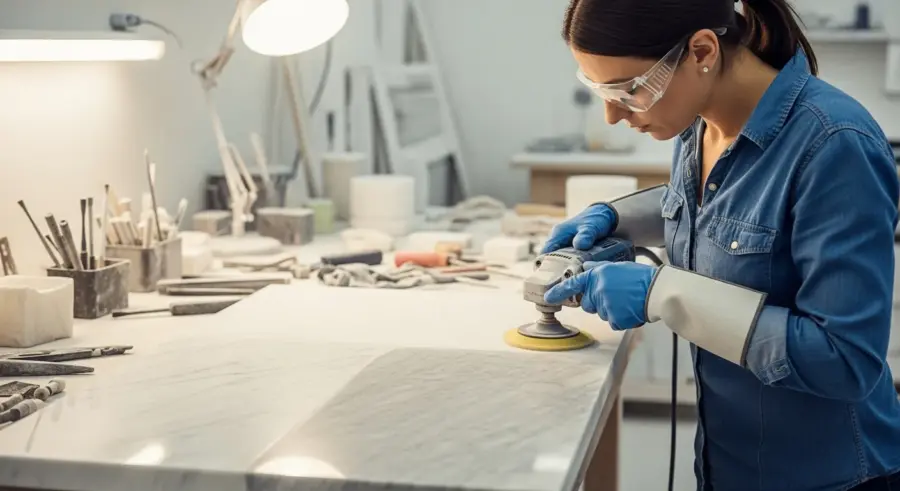
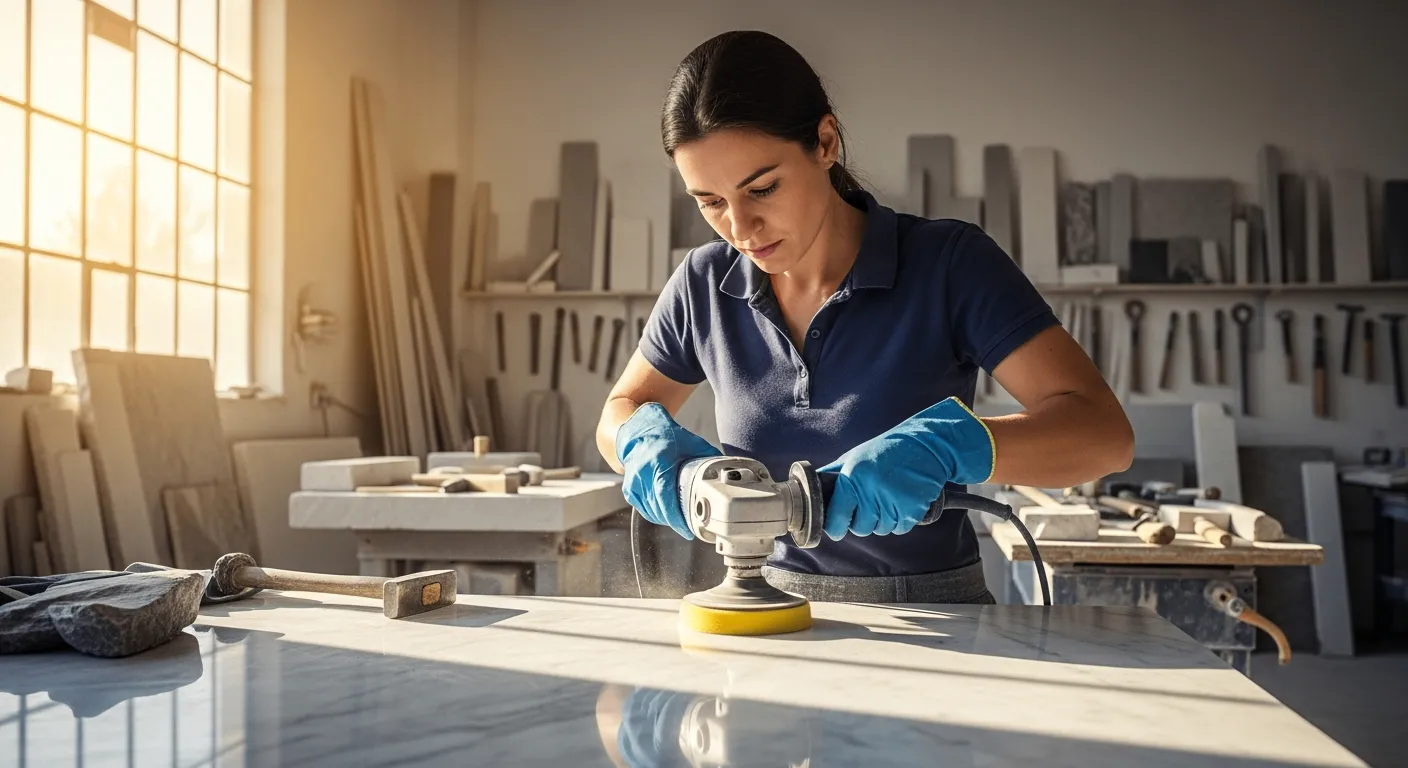
When it comes to tools, a variable-speed polisher is ideal, as it allows you to control the speed and pressure applied to the marble. Hand polishing is also an option for smaller areas or intricate details, using a polishing pad or cloth.
Additionally, you’ll need items like microfiber cloths, water spray bottles, and potentially a wet/dry vacuum for cleanup. Investing in quality tools will not only make the job easier but also yield better results in your stone restoration efforts.
Different polishing compounds are formulated for specific types of marble. Some are designed for softer marbles, while others are better suited for denser varieties.
Always read the product labels carefully to ensure compatibility with your marble. Using the wrong compound can lead to discoloration, scratching, or other forms of damage.
Consider investing in a set of diamond polishing pads, as they are highly effective for removing scratches and restoring shine. These pads come in various grits and are designed for use with a power polisher.
For hand polishing, opt for high-quality polishing cloths made from microfiber or chamois. These materials are soft and non-abrasive, making them ideal for delicate marble surfaces.
A variable-speed polisher is a valuable tool for achieving a consistent and even finish. Look for a polisher with adjustable speed settings and a comfortable grip.
A wet/dry vacuum is essential for cleaning up the slurry produced during the polishing process. This will prevent the slurry from drying on the marble and causing stains.
Don’t forget safety gear such as gloves and eye protection. Polishing compounds can be irritating to the skin and eyes.
Always work in a well-ventilated area to avoid inhaling dust or fumes from the polishing compounds. Safety should always be a top priority when working with power tools and chemicals.
Essential Tools for Marble Polishing
Having the right tools on hand can make the marble polishing process more efficient and effective. This ensures that you can achieve the desired level of shine without causing unnecessary damage to the stone.
Below is a list of essential tools that you should gather before starting your marble polishing project. These tools will help you achieve a professional-looking finish and protect your marble surfaces.
| Tool | Description | Use |
|---|---|---|
| Variable Speed Polisher | An electric tool with adjustable speed settings. | Used to apply polishing compounds evenly across the marble surface. |
| Diamond Polishing Pads | Pads with varying grit levels (coarse to fine). | Used with the polisher to remove scratches and refine the marble surface. |
| Microfiber Cloths | Soft, non-abrasive cloths. | Used for applying polishing compounds and wiping away residue. |
| Water Spray Bottle | A bottle to spray water onto the marble surface during polishing. | Helps to keep the polishing area moist and prevent overheating. |
| Wet/Dry Vacuum | A vacuum that can handle both wet and dry materials. | Used to clean up slurry and water after polishing. |
In addition to the tools listed above, consider investing in a good quality marble cleaner. This will help you maintain the shine of your marble surfaces between polishing sessions.
A pH-neutral cleaner is essential to avoid damaging the marble. Acidic or alkaline cleaners can etch or dull the surface.
Also, consider using a marble sealer to protect your marble from stains and water damage. A good sealer will penetrate the stone and create a barrier against liquids.
Remember to reapply the sealer every 6-12 months to maintain its effectiveness. Proper sealing is crucial for preserving the beauty of your marble.
When using a power polisher, always wear safety glasses and gloves. This will protect you from flying debris and potential skin irritation.
Take your time and work in small sections to ensure even coverage. Rushing the polishing process can lead to uneven results and potential damage.
Clean your tools thoroughly after each use to prevent the buildup of polishing compounds. This will prolong the life of your tools and ensure they are ready for your next polishing project.
Store your tools in a dry and safe place to prevent damage. Proper storage will help you keep your tools in good condition for years to come.
Preparing the Marble Surface for Polishing
Before you begin polishing, it’s crucial to thoroughly clean the marble surface. Remove any loose dirt, debris, or surface stains with a pH-neutral cleaner specifically designed for natural stone.
Avoid using acidic or abrasive cleaners, as these can etch or scratch the marble. Rinse the surface well with clean water and allow it to dry completely before proceeding.
Inspect the marble for any existing damage, such as chips, cracks, or deep stains. These issues may require professional stone restoration before polishing to ensure a uniform finish.
Protect surrounding areas with plastic sheeting or painter’s tape to prevent splatter and accidental damage. Proper preparation is key to achieving the best possible results when you start to polish marble.
For heavily soiled marble, consider using a poultice to draw out deep-seated stains. A poultice is a paste-like mixture that is applied to the stain and allowed to dry.
As it dries, the poultice absorbs the stain from the marble. This method is particularly effective for removing oil-based stains.
If you notice any cracks or chips, consult a professional stone restoration expert. Attempting to repair these issues yourself can often lead to further damage.
Ensure that the marble surface is completely dry before applying any polishing compounds. Moisture can interfere with the polishing process and prevent the compound from working effectively.
Use a soft brush or vacuum cleaner to remove any dust or debris from the marble surface. This will prevent the polishing compound from becoming contaminated.
Pay close attention to the edges and corners of the marble surface. These areas are often more susceptible to damage and require extra care during the cleaning and polishing process.
Consider using a grout brush to clean the grout lines around the marble tiles. Dirty grout can detract from the overall appearance of the marble.
A clean and well-prepared marble surface is essential for achieving a professional-looking finish. Take the time to properly prepare the surface before you begin polishing.
Step-by-Step Guide to Polishing Marble
Once the surface is clean and dry, begin by applying a small amount of the coarse-grit polishing compound to the marble. If you’re using a power polisher, attach the corresponding polishing pad to the machine.
Lightly mist the area with water to keep the compound lubricated and prevent overheating. Work in small sections, using a consistent, overlapping motion to ensure even coverage.
After polishing with the coarse grit, rinse the area thoroughly and inspect for any remaining scratches. Repeat the process with progressively finer grits, rinsing and inspecting after each step.
The final step involves using a marble polishing cream or powder to bring out the shine. Apply the cream or powder with a clean microfiber cloth, buffing the surface until the desired luster is achieved.
Always test the polishing compound in an inconspicuous area before applying it to the entire surface. This will ensure that the compound does not damage or discolor the marble.
Use a slow and steady speed when using a power polisher. Applying too much pressure or speed can damage the marble surface.
Keep the polishing pad clean and free of debris. A dirty pad can scratch the marble surface.
Rinse the marble surface thoroughly after each polishing step. This will remove any residue from the polishing compound.
Use a clean microfiber cloth to dry the marble surface after rinsing. This will prevent water spots from forming.
Apply a marble sealer after polishing to protect the surface from stains and water damage. This will help maintain the shine of the marble for longer.
Follow the manufacturer’s instructions carefully when applying the polishing compound and sealer. This will ensure that you achieve the best possible results.
Take your time and be patient. Polishing marble is a process that requires attention to detail.
Addressing Common Marble Imperfections
Marble surfaces can often suffer from various types of imperfections, such as scratches, stains, and etch marks. Knowing how to address these issues is essential for maintaining the beauty and integrity of your marble.
Here, we will explore common issues and effective methods for resolving them, ensuring your marble surfaces remain pristine. This will keep your marble looking its best for years to come.
- Use a specialized stain remover for marble
- Apply a poultice to draw out deep stains
- Use fine-grit sandpaper to lightly sand scratches
- Apply a marble polishing compound to restore shine
- Seal the marble to prevent future stains
Identifying the type of stain is crucial for selecting the appropriate cleaning method. Oil-based stains require different treatments than water-based stains.
Etch marks, caused by acidic substances, can be particularly challenging to remove. These marks require specialized polishing compounds and techniques.
For deep scratches, professional stone restoration may be necessary. Attempting to remove deep scratches yourself can often lead to further damage.
Always test any cleaning or polishing product in an inconspicuous area before applying it to the entire surface. This will ensure that the product does not damage or discolor the marble.
Use a soft cloth or sponge to clean marble surfaces. Abrasive materials can scratch the marble.
Wipe up spills immediately to prevent staining. The longer a spill sits on the marble, the more likely it is to stain.
Avoid using harsh chemicals or abrasive cleaners on marble surfaces. These products can damage the marble and dull its shine.
Regular cleaning and maintenance are essential for preventing marble imperfections. A little bit of care can go a long way in preserving the beauty of your marble.
Removing Scratches and Etch Marks
Scratches and etch marks are common issues that can dull the appearance of marble surfaces. Light scratches can often be removed with a fine-grit polishing compound and a soft cloth.
Apply the compound to the affected area and gently buff in a circular motion until the scratch fades. For deeper scratches, you may need to start with a slightly more abrasive grit and gradually work your way to finer grits.
Etch marks, which are caused by acidic substances, can be more challenging to remove. These marks appear as dull spots on the marble surface and require a specialized marble polishing compound designed to neutralize the acid damage.
Follow the manufacturer’s instructions carefully, and always test the product in an inconspicuous area first. In severe cases, professional stone restoration may be necessary to fully eliminate deep scratches and etch marks.
When dealing with scratches, it’s crucial to identify their depth. Surface scratches are usually easier to remove compared to deeper ones.
For minor scratches, consider using a marble polishing kit specifically designed for DIY repairs. These kits typically include a range of polishing compounds and pads.
Etch marks often require a multi-step process to fully eliminate. Start by cleaning the affected area with a pH-neutral cleaner.
Then, apply a marble polishing compound and buff the surface until the etch mark fades. Repeat the process as needed.
If you’re unsure about the best approach for removing scratches or etch marks, consult a professional stone restoration expert. They can assess the damage and recommend the most appropriate treatment.
Always work in a well-ventilated area when using polishing compounds. Some compounds can release fumes that may be harmful if inhaled.
Wear gloves to protect your hands from the polishing compounds. Some compounds can be irritating to the skin.
Take your time and be patient. Removing scratches and etch marks can be a time-consuming process.
Sealing Marble to Prevent Future Damage
Sealing marble is a critical step in protecting it from stains and damage. A good quality marble sealer penetrates the stone’s surface, creating a barrier that prevents liquids from being absorbed.
Apply the sealer according to the manufacturer’s instructions, ensuring even coverage and proper drying time. Regular resealing, typically every 6-12 months, is essential to maintain the protective barrier.
When choosing a sealer, opt for a product specifically designed for marble, as some sealers can discolor or damage the stone. Water-based sealers are often recommended, as they are less likely to alter the marble’s appearance.
Always test the sealer in an inconspicuous area before applying it to the entire surface. Proper sealing will significantly extend the life and beauty of your marble surfaces.
Before applying the sealer, make sure the marble surface is clean and dry. Any dirt or moisture can interfere with the sealer’s ability to penetrate the stone.
Apply the sealer in thin, even coats. Avoid applying too much sealer, as this can leave a sticky residue on the surface.
Allow the sealer to dry completely before using the marble surface. The drying time will vary depending on the type of sealer.
Consider using a penetrating sealer, which is designed to penetrate deep into the stone and provide long-lasting protection. These sealers are often more expensive, but they offer superior performance.
Reapply the sealer more frequently in high-traffic areas. These areas are more susceptible to staining and damage.
Wipe up spills immediately, even after sealing the marble. While the sealer will protect the marble from most stains, it’s still important to clean up spills as quickly as possible.
Avoid using harsh chemicals or abrasive cleaners on sealed marble surfaces. These products can damage the sealer and reduce its effectiveness.
Proper sealing is an essential part of maintaining the beauty and integrity of your marble surfaces. Take the time to seal your marble regularly to protect it from future damage.
Maintaining the Shine of Your Polished Marble
Regular cleaning is essential for maintaining the shine of your polished marble. Use a pH-neutral cleaner specifically formulated for natural stone to avoid damaging the surface.
Wipe up spills immediately to prevent staining, and avoid using abrasive cleaners, vinegar, lemon juice, or other acidic substances. Dust the marble regularly with a soft cloth to remove any loose particles that could scratch the surface.
Consider using mats or rugs in high-traffic areas to protect the marble from wear and tear. For marble countertops, use cutting boards and trivets to prevent scratches and heat damage.
Periodic professional marble cleaning and polishing can help maintain its luster and prevent the need for extensive stone restoration in the future. With proper care, your marble surfaces will continue to shine for years to come.
Establish a regular cleaning schedule to prevent the buildup of dirt and grime. This will help maintain the shine of your polished marble.
Use a soft, damp cloth to wipe down marble surfaces daily. This will remove any dust or debris that may have accumulated.
Avoid using harsh chemicals or abrasive cleaners. These products can damage the marble and dull its shine.
Consider using a marble polishing spray to enhance the shine of your marble surfaces. These sprays are designed to protect and polish marble.
Apply a marble sealer regularly to protect the surface from stains and water damage. This will help maintain the shine of the marble for longer.
Use coasters under glasses and cups to prevent water rings from forming on marble surfaces. Water rings can be difficult to remove.
Avoid placing hot items directly on marble countertops. Heat can damage the marble and cause it to crack.
Regular maintenance is key to keeping your polished marble surfaces looking their best. A little bit of care can go a long way in preserving the beauty of your marble.
The Importance of Professional Stone Restoration
While DIY methods can be effective for minor imperfections, professional stone restoration is often necessary for significant damage. Experts have the tools and knowledge to handle complex issues.
They can address problems like deep scratches, severe stains, and uneven surfaces. Attempting to fix these issues yourself can sometimes lead to further damage.
Professional stone restoration involves techniques such as grinding, honing, and polishing. These methods require specialized equipment and a high level of skill.
Hiring a professional ensures that the job is done correctly, preserving the integrity and beauty of your marble. It is a worthwhile investment for maintaining your stone surfaces.
Professional stone restoration companies often have years of experience working with marble. They understand the nuances of the stone and how to best restore it.
They can also provide valuable advice on how to maintain your marble surfaces after the restoration is complete. This can help prevent future damage and extend the life of your marble.
When choosing a stone restoration company, be sure to check their credentials and read reviews. This will help you find a reputable company that you can trust.
Ask for a detailed estimate before hiring a stone restoration company. This will help you understand the scope of the work and the cost involved.
Professional stone restoration can be a significant investment, but it is often the best way to restore damaged marble surfaces. It is a worthwhile investment for preserving the beauty and value of your home.
Consider the long-term benefits of professional stone restoration. Properly restored marble surfaces can last for many years with proper care.
Think of it as an investment in your home’s value. Beautiful marble surfaces can increase the appeal and marketability of your property.
Don’t hesitate to seek professional help when needed. It’s better to invest in expert care than risk further damage with DIY attempts.
Conclusion
Polishing marble is a rewarding process that can significantly enhance the beauty and value of your home. By understanding the nature of marble, choosing the right tools and products, and following our step-by-step guide, you can achieve professional-looking results.
Remember to take your time, work in small sections, and always test products in an inconspicuous area first. With proper maintenance and care, your marble surfaces will continue to shine for generations to come.
Maintaining marble surfaces requires a proactive approach. Regularly cleaning and sealing the marble can prevent future damage and maintain its shine.
Professional stone restoration can be a valuable investment for heavily damaged marble surfaces. It can restore the marble to its original beauty and extend its lifespan.
By following the tips and techniques outlined in this guide, you can keep your marble surfaces looking their best for years to come. Enjoy the timeless beauty and elegance of your marble.
Remember, patience and attention to detail are key. The effort you put into caring for your marble will be rewarded with its lasting beauty.
Consider the value that marble adds to your home. It’s a luxurious material that deserves proper care and attention.
With the right knowledge and tools, you can confidently maintain the shine and elegance of your marble surfaces. Enjoy the beauty and sophistication that marble brings to your living spaces.