
Rock gardens bring a touch of the mountains to your backyard. They offer a unique way to display alpine plants and create a visually interesting feature. Building a rock garden can seem daunting, but with careful planning and execution, it’s a rewarding project.
This step-by-step guide will walk you through the process. You’ll learn how to choose the right rocks and plants, prepare the site, arrange the rocks, and maintain your rock garden. This guide provides comprehensive rock garden ideas to help you create a stunning alpine garden.
Whether you’re an experienced gardener or just starting out, this guide provides the knowledge and inspiration you need. Let’s begin building your own beautiful rock garden. Soon you’ll be enjoying the beauty of a miniature mountain right in your backyard.
Planning Your Rock Garden Design
Before you start moving rocks and planting, take some time to plan your rock garden design. Consider the space you have available and the overall aesthetic you want to achieve. Think about the style of your home and how the rock garden will complement it.
A naturalistic design mimics a mountain slope, while a more formal design might feature terraces or defined beds. Look at rock garden ideas online and in books for inspiration. Pay attention to the types of rocks and plants used, as well as the overall layout.
Sketch out a rough plan of your rock garden. This doesn’t need to be a detailed drawing, but it will help you visualize the layout. Consider the placement of larger rocks and the flow of the garden. Think about how the plants will fill in the space over time.
Also consider the sun exposure and drainage of your site. Most alpine plants prefer full sun and well-drained soil. Make sure your chosen location meets these requirements or be prepared to amend the soil. Proper planning will save you time and effort in the long run.
Think about the functionality of your rock garden. Will you want to walk through it, or simply admire it from a distance? Consider adding pathways or stepping stones to make it more accessible. A well-planned rock garden is both beautiful and functional.
Consider the surrounding landscape when planning your rock garden. You want the rock garden to blend in seamlessly with its surroundings. Choose rocks and plants that complement the existing vegetation and terrain. A harmonious design will create a more pleasing aesthetic.
Don’t be afraid to experiment with different designs and layouts. Rock gardens are a great way to express your creativity and personal style. Try different combinations of rocks and plants until you find something you love. The possibilities are endless.
Remember to consider the mature size of your plants when planning your rock garden. You don’t want to overcrowd the garden, so choose plants that will stay relatively small. Research the growth habits of your chosen plants to ensure they will thrive in your space. Careful plant selection is crucial for a successful rock garden.
Choosing the Right Rocks and Plants
The rocks and plants you choose will define the character of your rock garden. Select rocks that are similar in color and type to create a cohesive look. Avoid using a mix of drastically different rock types, as this can look unnatural.
Choose rocks of varying sizes to add visual interest. Include some large boulders for a dramatic effect, as well as smaller rocks to fill in the gaps. Consider using local rocks if possible, as they will blend in with the surrounding environment. This is a great way to save money on your project.
When selecting plants, focus on alpine and drought-tolerant varieties. These plants are well-suited to the harsh conditions of a rock garden. Choose plants with different textures, colors, and bloom times to create a dynamic display throughout the year.
Some popular rock garden plants include sedums, sempervivums, and various alpine flowers. Consider the mature size of the plants to avoid overcrowding. Also, be sure to check the hardiness zone of the plants to ensure they will thrive in your climate. Building a rock garden means considering the environmental needs of both plants and rocks.
Consider the texture of the rocks you choose. Rough, jagged rocks will create a more rugged and natural look. Smooth, rounded rocks will create a more polished and refined look. Choose the texture that best suits your overall design aesthetic. Texture adds depth and interest to your rock garden.
When selecting plants, consider the color of their foliage and flowers. Choose a color palette that complements the rocks and the surrounding landscape. You can create a harmonious look by using a limited color palette. Or, you can create a more vibrant look by using a wider range of colors. Color is a powerful tool for creating visual interest.
Think about the bloom times of your chosen plants. Choose plants that bloom at different times of the year to ensure a continuous display of color. A well-planned rock garden will have something blooming throughout the growing season. This will keep your rock garden looking beautiful year-round.
Don’t be afraid to mix and match different types of plants. Combine succulents, alpines, and other drought-tolerant plants to create a diverse and interesting display. Experiment with different combinations until you find something you love. Diversity is key to a thriving rock garden.
Preparing the Site
Proper site preparation is essential for a successful rock garden. Start by clearing the area of any existing vegetation, rocks, and debris. Remove any grass or weeds, as they can compete with your rock garden plants. This will give your plants a better start.
Next, evaluate the soil. Rock garden plants need well-drained soil to thrive. If your soil is heavy clay, you’ll need to amend it with gravel, sand, and organic matter. This will improve drainage and create a more suitable growing environment.
| Soil Amendment | Purpose | Application Rate |
|---|---|---|
| Gravel | Improves drainage | 1/3 of total soil volume |
| Sand | Increases porosity | 1/4 of total soil volume |
| Organic Matter (Compost) | Adds nutrients and improves soil structure | 1/4 of total soil volume |
| Topsoil | Provides a base for planting | 1/4 of total soil volume |
Consider adding a layer of gravel at the base of the rock garden to further improve drainage. This is especially important in areas with heavy rainfall. A well-drained site will prevent root rot and other problems.
If your site is on a slope, you may need to build terraces to create level planting areas. Terraces will also help to prevent soil erosion. Use rocks or retaining walls to build the terraces. Terraces add visual interest and functionality to your rock garden.
Consider the drainage patterns of your site. You may need to install drainage pipes or swales to redirect water away from the rock garden. Proper drainage is essential for preventing root rot and other problems. A well-drained site is a healthy site.
Test the pH of your soil. Most alpine plants prefer slightly acidic soil. If your soil is too alkaline, you can amend it with sulfur or peat moss. Soil pH is an important factor to consider when preparing your site. A proper pH balance will help your plants thrive.
Remove any large roots or rocks that may interfere with planting. These obstacles can prevent your plants from establishing strong root systems. A clean and well-prepared site is essential for a successful rock garden. Removing debris will give your plants the best possible start.
Arranging the Rocks
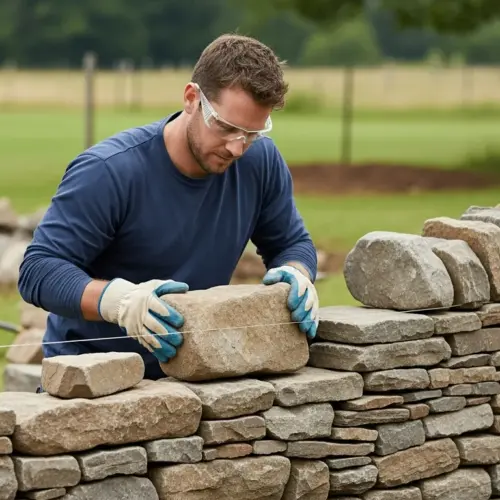
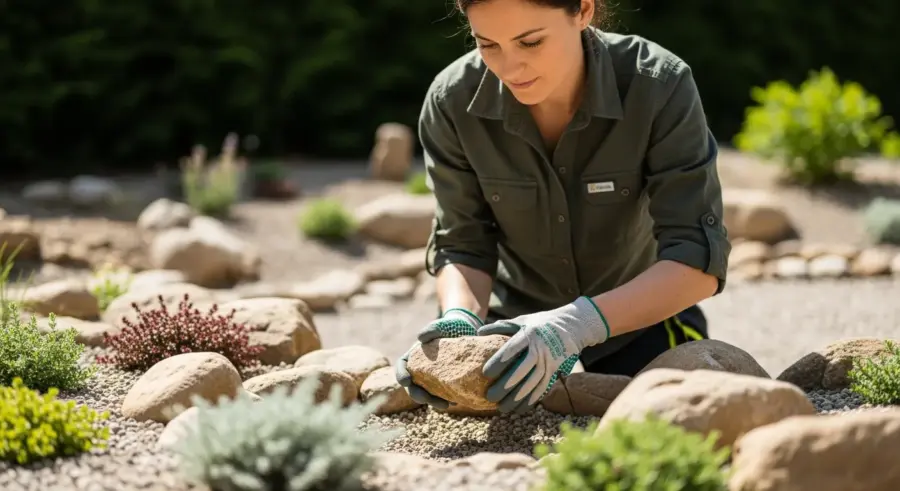
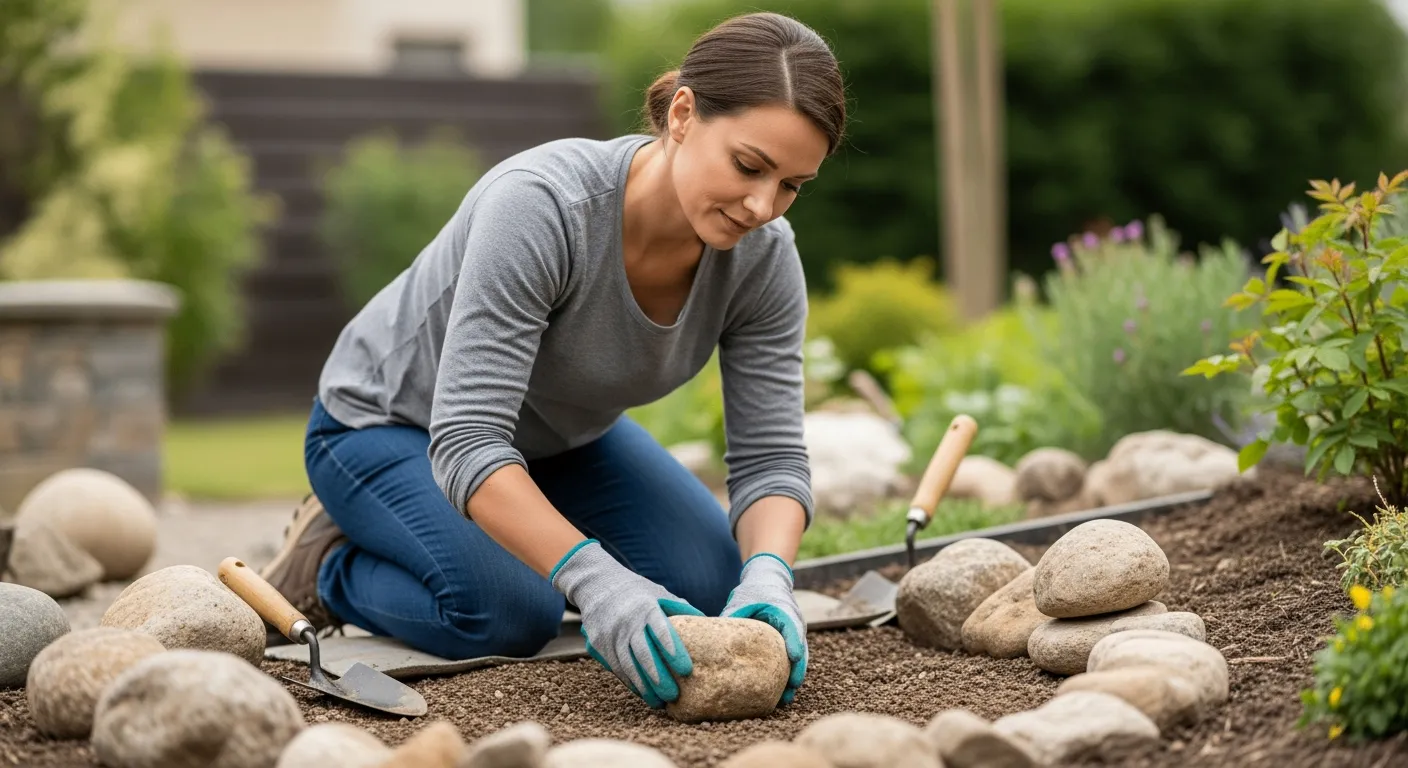
Arranging the rocks is where your rock garden begins to take shape. Start with the largest rocks first, placing them in a way that looks natural. Consider the angle of the rocks and how they will interact with each other. The goal is to mimic a natural rock outcrop.
Create pockets and crevices between the rocks where you can plant your alpine plants. These pockets should be deep enough to accommodate the roots of the plants. Use smaller rocks to fill in any gaps and create a more cohesive structure. A natural look is always best.
Think about the overall flow of the rock garden as you arrange the rocks. Create a sense of movement and depth by varying the height and placement of the rocks. Avoid creating a symmetrical or overly uniform arrangement. Remember, nature is rarely symmetrical.
Use a level to ensure that the rocks are stable and won’t shift over time. Pack soil around the base of the rocks to secure them in place. Step back and assess your work periodically to make sure you’re happy with the arrangement. Take your time with this step, as it sets the foundation for your entire rock garden.
Consider the orientation of the rocks. Place some rocks horizontally and others vertically to create a more dynamic look. Varying the orientation of the rocks will add visual interest to your rock garden. A well-arranged rock garden is visually appealing from all angles.
Think about the texture of the rocks when arranging them. Place rough, jagged rocks next to smooth, rounded rocks to create contrast. Contrast is a key element of good design. A well-designed rock garden uses contrast to create visual interest.
Use smaller rocks to create pathways and stepping stones through the rock garden. This will make it easier to access and maintain the plants. Pathways also add a sense of structure and order to the rock garden. A well-designed pathway enhances the beauty of the rock garden.
Don’t be afraid to move the rocks around until you find an arrangement that you like. Experiment with different layouts until you achieve the desired effect. Arranging rocks is an iterative process. It may take some time to find the perfect arrangement.
Planting Your Rock Garden
Once the rocks are in place, it’s time to start planting. Gently remove the plants from their pots and loosen the roots. Place the plants in the pockets and crevices between the rocks. Ensure the roots are well covered with soil.
Water the plants thoroughly after planting. This will help them settle in and establish their roots. Add a layer of gravel mulch around the plants to help retain moisture and suppress weeds. Gravel also adds a natural look to the rock garden.
- Choose plants suited for rock gardens
- Prepare well-draining soil
- Arrange rocks for natural look
- Plant in crevices and pockets
- Water thoroughly and mulch
Consider the placement of the plants in relation to the sun exposure. Taller plants should be placed behind shorter plants to avoid shading them. Group plants with similar water requirements together. This will make watering easier and more efficient.
When planting, ensure the crown of the plant is level with the soil surface. Planting too deep or too shallow can damage the plant. The crown is the point where the roots meet the stem. Proper planting depth is crucial for plant health.
Use a trowel to create a planting hole that is slightly larger than the root ball of the plant. This will give the roots room to spread out and establish themselves. A well-prepared planting hole is essential for plant success. Give your plants the best possible start.
Backfill the planting hole with a mixture of soil and compost. Compost will provide nutrients and improve soil structure. Gently firm the soil around the plant to eliminate air pockets. Air pockets can dry out the roots and prevent them from establishing.
After planting, add a layer of gravel mulch around the base of the plant. Gravel mulch will help to retain moisture, suppress weeds, and regulate soil temperature. Mulch is an essential component of a healthy rock garden. Choose a mulch that complements the rocks and plants.
Maintaining Your Rock Garden
Maintaining your rock garden is essential to keep it looking its best. Water the plants regularly, especially during dry periods. Be careful not to overwater, as this can lead to root rot. A slow, deep watering is better than frequent shallow watering.
Weed the rock garden regularly to prevent weeds from competing with your plants. Hand-pulling weeds is the best method, as it avoids damaging the plants. Mulching with gravel can help suppress weed growth. Regular maintenance is key to a healthy rock garden.
Fertilize the plants sparingly with a balanced fertilizer. Avoid using high-nitrogen fertilizers, as they can promote excessive growth. A slow-release fertilizer is a good option for rock garden plants. Apply fertilizer in the spring before new growth begins.
Prune the plants as needed to maintain their shape and size. Remove any dead or damaged foliage. Divide overcrowded plants in the spring or fall. This will help keep the rock garden healthy and vibrant. Building a rock garden is a long-term project that requires ongoing care.
Inspect your plants regularly for signs of pests or diseases. Treat any problems promptly to prevent them from spreading. Early detection is key to preventing serious damage. A healthy rock garden is a resilient rock garden. Keep a close eye on your plants.
Top-dress the rock garden with gravel mulch every year to maintain a neat and tidy appearance. Top-dressing will also help to suppress weeds and retain moisture. A well-maintained rock garden is a beautiful rock garden. Regular maintenance is worth the effort.
Remove any fallen leaves or debris from the rock garden regularly. This will help to prevent the spread of diseases and pests. A clean rock garden is a healthy rock garden. Keep your rock garden free of debris.
Monitor the drainage of your rock garden. Ensure that water is draining properly and not pooling in any areas. Poor drainage can lead to root rot and other problems. A well-drained rock garden is a thriving rock garden. Proper drainage is essential for plant health.
Seasonal Care Tips
Rock gardens require different care depending on the season. In the spring, focus on fertilizing and pruning. Remove any winter damage and prepare the garden for new growth. Spring is a time of renewal for your rock garden.
In the summer, water the plants regularly and monitor for pests and diseases. Provide shade for sensitive plants during the hottest part of the day. Summer is the time to enjoy the blooms of your alpine plants. Keep an eye out for any problems that may arise.
In the fall, remove any dead foliage and prepare the garden for winter. Add a layer of mulch to protect the plants from frost. Fall is a time of preparation for the dormant season. Ensure your plants are well-protected before winter arrives.
In the winter, protect the plants from excessive moisture by covering them with a tarp or plastic sheet. This will prevent root rot and other problems. Winter is a time of rest for your rock garden. Let the plants rest and conserve their energy for the spring.
Consider using a cold frame to protect sensitive plants during the winter. A cold frame will provide extra insulation and protection from the elements. Cold frames are a valuable tool for rock gardeners. They can extend the growing season and protect plants from frost.
Avoid walking on the rock garden during the winter months. The frozen ground can damage the roots of the plants. Protect your plants by staying off the rock garden when the ground is frozen. This will help to ensure their survival through the winter.
Check the snow load on the rock garden regularly. Heavy snow can damage the plants and rocks. Remove excess snow to prevent damage. A heavy snow load can be detrimental to your rock garden. Take steps to protect your plants and rocks.
Monitor the temperature of the rock garden during the winter months. Extreme temperature fluctuations can damage the plants. Provide extra insulation if necessary to protect the plants from the cold. Temperature control is important for winter plant survival.
Dealing with Pests and Diseases
Rock gardens are generally resistant to pests and diseases, but problems can still occur. Monitor your plants regularly for any signs of trouble. Early detection is key to preventing serious damage. A healthy rock garden is a resilient rock garden.
Aphids, spider mites, and slugs are common pests that can affect rock garden plants. Treat infestations with insecticidal soap or horticultural oil. Slugs can be controlled with slug bait or by hand-picking them off the plants. Keep an eye out for these common pests.
Root rot is a common disease that can affect rock garden plants, especially in poorly drained soil. Prevent root rot by ensuring good drainage and avoiding overwatering. Treat infected plants with a fungicide. Proper drainage is the best way to prevent root rot.
Powdery mildew is another common disease that can affect rock garden plants. Treat infected plants with a fungicide. Improve air circulation around the plants to prevent powdery mildew. Good air circulation is important for preventing this disease.
Use organic pest control methods whenever possible. Avoid using harsh chemicals that can harm beneficial insects and the environment. Organic pest control is a safe and effective way to protect your plants. Choose natural solutions whenever possible.
Encourage beneficial insects to visit your rock garden. Ladybugs, lacewings, and other beneficial insects will prey on pests and help to keep your plants healthy. Attract beneficial insects by planting flowers that provide nectar and pollen. A diverse ecosystem is a healthy ecosystem.
Practice good sanitation in your rock garden. Remove any dead or diseased plant material promptly. This will help to prevent the spread of pests and diseases. Good sanitation is essential for plant health. Keep your rock garden clean and tidy.
Choose disease-resistant varieties of plants whenever possible. This will help to reduce the risk of disease problems in your rock garden. Disease-resistant plants are a valuable asset to any garden. They require less maintenance and are less susceptible to problems.
Expanding Your Rock Garden
Once your rock garden is established, you may want to expand it. This can be a great way to add new plants and features. Consider adding a water feature, such as a small pond or waterfall. Water features add a sense of tranquility to the rock garden.
You can also add new rocks and plants to create a more diverse and interesting display. Consider adding a pathway through the rock garden to make it more accessible. A pathway allows you to get closer to the plants and rocks. Expanding your rock garden is a rewarding experience.
Propagate new plants from cuttings or seeds to expand your collection. This is a great way to save money and increase the diversity of your rock garden. Propagating plants is a fun and rewarding activity. It allows you to create new plants from existing ones.
Share your extra plants with friends and neighbors to spread the joy of rock gardening. Join a local rock garden society to learn more about rock gardening and connect with other enthusiasts. Sharing your passion with others is a great way to build community. Building a rock garden can be a communal activity.
Consider adding a seating area to your rock garden. A bench or a few chairs will provide a place to relax and enjoy the beauty of your creation. A seating area will make your rock garden a more inviting space. It’s a great place to unwind and connect with nature.
Add lighting to your rock garden to enjoy it at night. Landscape lighting can highlight the rocks and plants and create a magical atmosphere. Lighting can transform your rock garden into a nighttime oasis. It’s a great way to extend your enjoyment of the garden.
Incorporate artwork or sculptures into your rock garden. This can add a personal touch and create a focal point. Artwork can enhance the beauty and interest of your rock garden. Choose pieces that complement the rocks and plants.
Don’t be afraid to experiment with different ideas and designs. Rock gardening is a creative process. Let your imagination run wild and create a rock garden that is truly unique and special. The possibilities are endless.
Conclusion
Building a rock garden is a rewarding project that can add beauty and interest to your landscape. By following these steps, you can create a stunning rock garden that will thrive for years to come. Enjoy the beauty of your miniature mountain.
Remember to plan your design carefully, choose the right rocks and plants, prepare the site properly, and maintain the garden regularly. With a little effort, you can create a rock garden that you’ll be proud of. Now you can enjoy your own alpine garden.