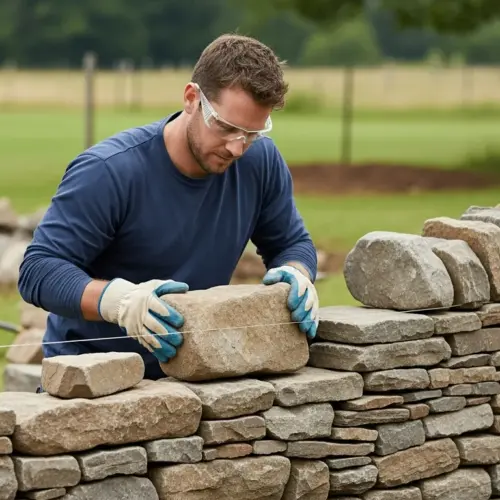

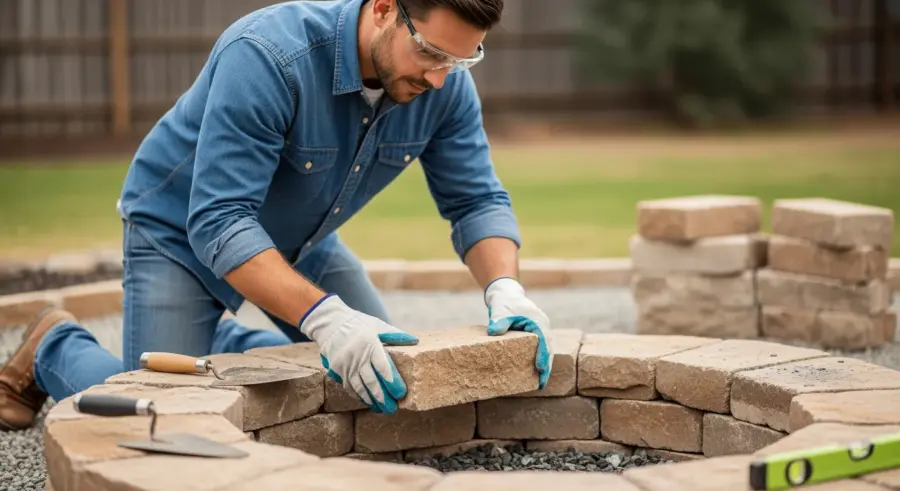
Creating a stone fire pit in your backyard can transform your outdoor space into a cozy gathering spot. A well-constructed fire pit not only provides warmth and light but also serves as a focal point for social activities.
This DIY project is achievable for most homeowners with some basic tools and a bit of effort. This guide will walk you through the entire process of stone fire pit construction, from planning to finishing touches.
We’ll cover everything from choosing the right location and materials to ensuring your fire pit is both beautiful and safe. By following these steps, you’ll be able to enjoy countless evenings around your own stone fire pit.
Planning Your Fire Pit Location and Design
The first step in building a stone fire pit is to carefully consider its location. You’ll want to choose a spot that is both safe and convenient for use.
Keep your fire pit away from overhanging trees, fences, sheds, and any other flammable structures. A good rule of thumb is to maintain a clearance of at least 10 feet from any structure.
Also, consider the prevailing wind direction in your area. Placing the fire pit so that the wind carries smoke away from your house and neighbors is a thoughtful consideration.
Think about how you plan to use the fire pit and design it accordingly. A circular design is classic and promotes even heat distribution, while a square or rectangular pit might better suit a modern aesthetic.
Consider the size of the area and the number of people you expect to gather around the fire pit regularly. A diameter of 36 to 48 inches is generally sufficient for most residential settings.
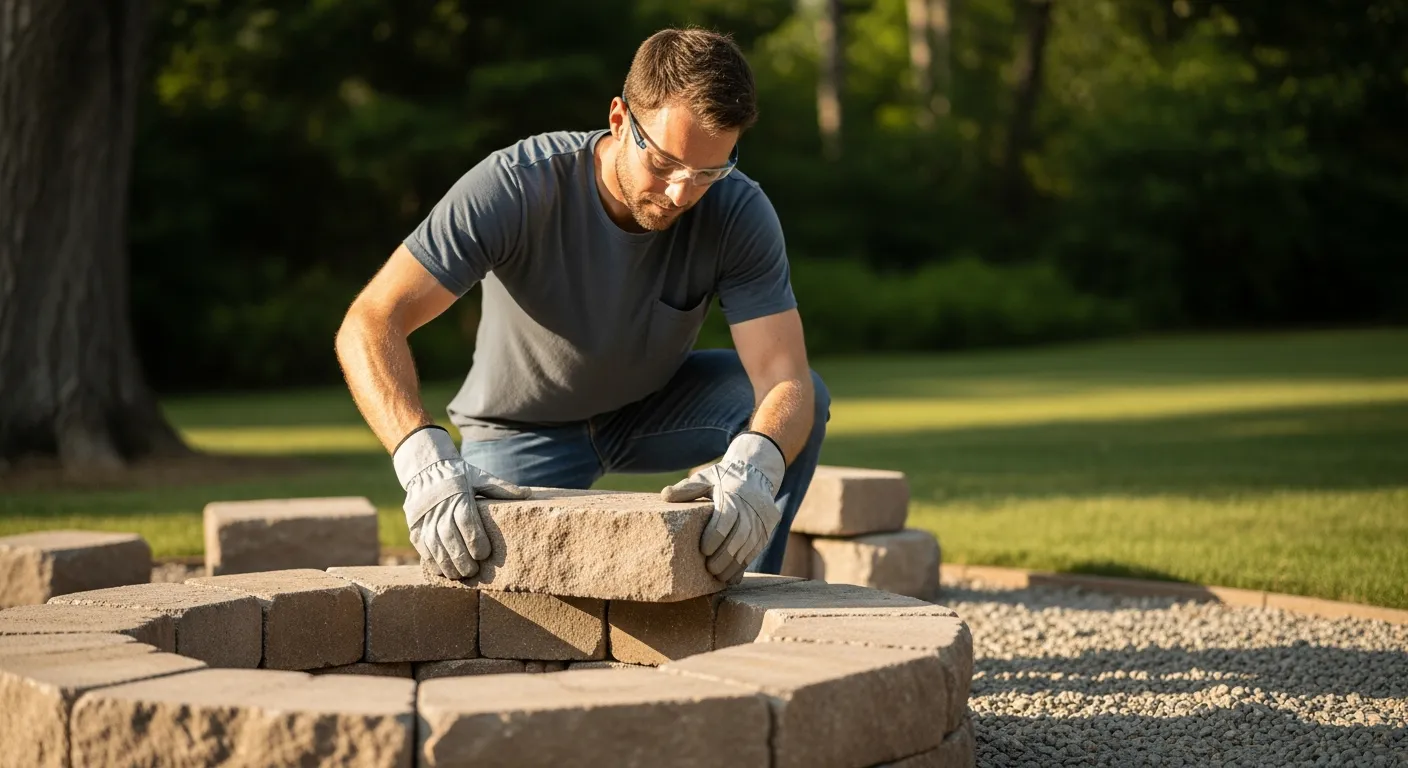
Sketching out your design on paper, including dimensions, will help you visualize the final product and estimate the amount of materials needed. Don’t forget to factor in the height of the stone ring; a height of 12 to 18 inches is typically recommended.
Consider the proximity to your house and other outdoor living spaces. You want the fire pit to be accessible but not too close to areas where smoke might be bothersome.
Think about the view from the fire pit. Orienting it towards a scenic view or a garden can enhance the overall experience.
Also, check with your local homeowners association or municipality for any regulations or permits required for fire pits. Some areas may have restrictions on size, location, or the type of fuel you can use.
Consider the slope of the ground. A level surface is ideal for a fire pit, but if your yard is sloped, you may need to build a retaining wall or level the area before construction.
Think about the long-term use of the fire pit. Will it be primarily for occasional gatherings, or do you envision using it regularly throughout the year?
This will influence the size and design of the fire pit, as well as the type of seating and other amenities you may want to include. Planning ahead ensures that your fire pit meets your specific needs and preferences.
Gathering Materials and Tools
Once you have a clear plan, it’s time to gather the necessary materials for your stone fire pit construction. The most important material, of course, is the stone itself.
You can use natural stones like flagstone, fieldstone, or river rock, or you can opt for manufactured concrete blocks or pavers. Natural stones offer a rustic, organic look, while manufactured blocks provide a more uniform and contemporary appearance.
When selecting stones, ensure they are heat-resistant and non-porous. Porous stones like limestone can trap moisture and potentially explode when exposed to high heat.
You’ll also need gravel or crushed stone for the base, sand for leveling, and fire-resistant material for the inner liner. Fire bricks or a steel fire ring are common choices for the liner.
Other essential materials include construction adhesive or mortar to secure the stones, and a metal fire pit grate to elevate the fire and improve airflow. Don’t forget safety gear like gloves and eye protection.
As for tools, you’ll need a shovel, tamper, level, measuring tape, rubber mallet, and a wheelbarrow for transporting materials. A circular saw with a masonry blade can be useful for cutting stones to fit.
Consider purchasing extra stones to account for breakage or miscalculations. It’s always better to have too much material than not enough.
When choosing gravel, opt for a size that is easy to compact and provides good drainage. Pea gravel or crushed stone are both good options.
For sand, use leveling sand or builder’s sand, which is finer and easier to work with than play sand. Make sure your construction adhesive or mortar is designed for outdoor use and can withstand high temperatures.
A metal fire pit grate is not only functional but also adds a professional touch to your fire pit. Choose a grate that is the appropriate size for your fire pit and made of durable material.
Consider renting a plate compactor to ensure a thoroughly compacted gravel base, especially if you’re building a large fire pit. This will provide a more stable foundation and prevent settling over time.
A good pair of work gloves will protect your hands from blisters and cuts while handling stones. Eye protection is essential when cutting stones or working with mortar to prevent debris from getting into your eyes.
Preparing the Ground and Foundation
Proper ground preparation is essential for a stable and long-lasting stone fire pit. Start by marking the outline of your fire pit on the ground using stakes and string or a garden hose.
The diameter of the marked area should be slightly larger than the intended outer diameter of the stone ring. This will allow for a solid base and prevent shifting over time.
| Material | Purpose | Quantity |
|---|---|---|
| Gravel or Crushed Stone | Base layer for drainage and stability | 4-6 inches deep |
| Sand | Leveling the base | 1-2 inches deep |
| Fire Bricks or Steel Ring | Inner liner for fire resistance | Sufficient to line the inner diameter |
| Construction Adhesive | Securing stones | As needed |
Next, excavate the area to a depth of about 6 to 8 inches. Remove any grass, roots, or debris from the excavated area to ensure a clean and stable base.
Pour a layer of gravel or crushed stone into the excavated area, spreading it evenly to a depth of 4 to 6 inches. Use a tamper to compact the gravel, creating a solid and level foundation.
Use a level to ensure that the excavated area is perfectly level before adding the gravel. This will prevent the fire pit from leaning or tilting over time.
After compacting the gravel, add a layer of sand to a depth of 1 to 2 inches. This layer of sand will help to level the surface and provide a smooth base for the stones.
Use a long level and a straightedge to ensure that the sand layer is perfectly level. This is a crucial step in ensuring the stability and longevity of your fire pit.
Consider adding a layer of landscape fabric beneath the gravel to prevent weeds from growing up through the fire pit. This will save you time and effort in the long run.
If your soil is particularly unstable, you may need to add a layer of geotextile fabric beneath the landscape fabric. This will provide additional support and prevent the soil from eroding.
Proper ground preparation is the foundation of a successful fire pit project. Taking the time to do it right will ensure that your fire pit is safe, stable, and beautiful for years to come.
Building the Stone Ring
With the foundation prepared, you can begin building the stone ring for your diy fire pit. Start by laying the first course of stones around the perimeter of the gravel base.
Ensure that each stone is level and fits snugly against its neighbors. Use a rubber mallet to gently tap the stones into place, and add or remove sand as needed to achieve a level surface.
Apply a bead of construction adhesive or mortar to the top of each stone before placing the next course. This will help secure the stones and prevent them from shifting.
Stagger the joints between each course of stones to create a stronger and more visually appealing structure. This technique, known as “breaking joints,” prevents continuous vertical seams that can weaken the ring.
As you build, periodically check the level of the stone ring using a level and adjust as necessary. Pay attention to the overall shape of the ring, ensuring it maintains a consistent diameter and is free from bulges or indentations.
Continue adding courses of stones until you reach the desired height, typically 12 to 18 inches. Allow the adhesive or mortar to cure completely according to the manufacturer’s instructions before using the fire pit.
When selecting stones for each course, try to choose stones of similar size and shape. This will make it easier to create a level and uniform ring.
If you are using natural stones, you may need to cut some of them to fit properly. A circular saw with a masonry blade is the best tool for this task.
Wear safety glasses and a dust mask when cutting stones to protect yourself from flying debris and dust. Take your time and make careful cuts to ensure a clean and accurate fit.
If you are using mortar, mix it according to the manufacturer’s instructions and apply it evenly to the top of each stone. Use a trowel to smooth the mortar and remove any excess.
Consider using a decorative capstone for the top course of stones. This will add a finished look to your fire pit and provide a comfortable surface for sitting.
As you build the stone ring, step back periodically to assess the overall appearance. Make sure the ring is symmetrical and that the stones are evenly spaced.
Adding a Fire-Resistant Liner
A fire-resistant liner is essential for protecting the stone ring from the intense heat of the fire. Without a liner, the stones can crack or crumble over time, compromising the structural integrity of the fire pit.
Fire bricks are a popular choice for lining a stone fire pit. These bricks are specifically designed to withstand high temperatures and provide excellent insulation.
To install a fire brick liner, begin by spreading a thin layer of mortar on the inside of the stone ring. Place the fire bricks against the mortar, ensuring they fit snugly against each other and the stone.
Another option is to use a steel fire ring. These rings are typically made of heavy-gauge steel and provide a durable and long-lasting liner.
Simply place the steel ring inside the stone ring, ensuring it sits level and is properly centered. Backfill the space between the steel ring and the stone with gravel or sand to provide additional insulation and support.
Regardless of the liner material you choose, make sure it extends slightly above the top of the stone ring. This will help contain embers and prevent them from escaping the fire pit.
When using fire bricks, consider using a high-temperature mortar specifically designed for fire brick applications. This will ensure a strong and durable bond.
If using a steel fire ring, make sure it is made of a heavy-gauge steel that will not warp or rust over time. A thicker gauge steel will provide better heat resistance and longevity.
Consider adding a layer of sand or gravel beneath the fire brick or steel ring to provide additional insulation and drainage. This will help to protect the stones from the heat and prevent water from pooling inside the fire pit.
When installing the liner, make sure it is properly centered within the stone ring. This will ensure that the heat is evenly distributed and that the fire pit is safe to use.
If you are using fire bricks, you may need to cut some of them to fit properly. Use a masonry saw or a brick hammer and chisel to make clean and accurate cuts.
A properly installed fire-resistant liner is essential for the safety and longevity of your stone fire pit. Taking the time to do it right will ensure that you can enjoy your fire pit for years to come.
Enhancing Your Fire Pit Area
Once your stone fire pit is built, consider adding features to enhance the overall experience. Adding seating around the fire pit can make it a more inviting space.
Benches, chairs, or even large stones can serve as seating options. A gravel or stone patio surrounding the fire pit can help define the space and prevent mud and grass from becoming a nuisance.
Consider adding lighting to the area. String lights, lanterns, or solar-powered path lights can create a warm and inviting ambiance.
Planting heat-tolerant shrubs or flowers around the perimeter can add visual interest and soften the hardscape. Just be sure to keep plants a safe distance from the fire pit to prevent them from catching fire.
A small storage area for firewood can be a convenient addition. This will keep your firewood dry and easily accessible.
Personalize your outdoor fire pit area with items that reflect your style. This includes cushions, throws, or even outdoor art.
Consider building a small retaining wall around the fire pit area to create a more defined space. This can also help to level the ground and provide additional seating.
Add a pathway leading to the fire pit area to make it more accessible. Use stepping stones, gravel, or pavers to create a safe and attractive path.
Consider adding a water feature, such as a small fountain or pond, to create a more relaxing and inviting atmosphere. The sound of water can be very soothing and can help to mask any unwanted noise.
Plant trees around the perimeter of the fire pit area to provide shade and privacy. Choose trees that are native to your area and that will not drop excessive amounts of leaves or needles.
Add a pergola or gazebo over the fire pit area to provide shelter from the sun and rain. This will allow you to enjoy your fire pit even when the weather is not perfect.
Consider adding a built-in grill or smoker to your fire pit area. This will allow you to cook delicious meals while enjoying the warmth and ambiance of the fire.
Safety Considerations
Safety should always be a top priority when using a stone fire pit. Before lighting a fire, clear the area around the fire pit of any flammable materials.
Keep a fire extinguisher, a bucket of water, or a garden hose nearby in case of emergencies. Never leave a fire unattended, and always supervise children and pets when the fire pit is in use.
- Check local regulations regarding open fires
- Use a spark screen to contain embers
- Burn only dry, seasoned firewood
- Avoid burning trash, leaves, or other debris
- Ensure adequate ventilation to prevent carbon monoxide buildup
Be mindful of wind conditions. Avoid using the fire pit on windy days, as embers can easily be carried away and start unintended fires.
When extinguishing the fire, do so thoroughly. Pour water over the embers and stir them until they are completely cool to the touch.
Never use gasoline or other flammable liquids to start or accelerate a fire. These liquids can cause dangerous flare-ups and explosions.
Wear appropriate clothing when using the fire pit. Avoid wearing loose-fitting clothing or clothing made of flammable materials.
Keep a safe distance from the fire pit when it is in use. Avoid standing too close to the flames, as this can cause burns.
Never allow children to play near the fire pit without adult supervision. Children should be taught about the dangers of fire and how to stay safe.
Be aware of the signs of carbon monoxide poisoning. These include headache, dizziness, nausea, and vomiting. If you experience any of these symptoms, get fresh air immediately and seek medical attention.
Regularly inspect your fire pit for any signs of damage or wear. Repair any cracks or damage immediately to prevent accidents.
Maintenance and Upkeep
To keep your stone fire pit in good condition, regular maintenance is important. After each use, remove any ashes and debris from the fire pit.
This will prevent the buildup of creosote, a flammable substance that can increase the risk of chimney fires. Inspect the stone ring and liner for any cracks or damage.
Repair any cracks in the stone with mortar or construction adhesive. Replace any damaged fire bricks or steel ring sections.
Periodically clean the stone ring with a mild detergent and water to remove dirt and stains. Avoid using harsh chemicals or abrasive cleaners, as these can damage the stone.
If you live in an area with harsh winters, consider covering the fire pit during the off-season. This will protect it from the elements and prevent water from seeping into the stones and causing them to crack.
By following these maintenance tips, you can ensure that your stone fire pit remains a beautiful and functional feature of your outdoor space for years to come. A little care and attention can go a long way in preserving the longevity and safety of your fire pit.
Consider applying a sealant to the stone ring to protect it from the elements. This will help to prevent staining and fading.
Regularly check the drainage around the fire pit to ensure that water is not pooling. This can damage the stone and create a breeding ground for mosquitoes.
Trim any vegetation that is growing too close to the fire pit. This will help to prevent fires and keep the area clean and tidy.
Inspect the fire pit grate regularly for any signs of rust or damage. Replace the grate if necessary to ensure that it is safe to use.
Consider storing your firewood in a dry and covered location. This will help to prevent it from getting wet and moldy.
Regular maintenance is essential for keeping your stone fire pit in good condition. By following these tips, you can ensure that your fire pit will provide years of enjoyment.
Troubleshooting Common Issues
Even with careful planning and construction, you may encounter some common issues with your stone fire pit. One common problem is smoke blowing back into your face.
This can be caused by a number of factors, including wind direction, damp firewood, or a poorly ventilated fire pit. To address this issue, try repositioning your seating, using dry firewood, or increasing the height of the stone ring.
Another issue is stones cracking or crumbling. This is often caused by using porous stones that absorb moisture and expand when heated.
Replace any cracked stones with heat-resistant, non-porous alternatives. Ensure that the fire pit has adequate drainage to prevent water from pooling around the base.
If you notice that the fire pit is not drawing air properly, it may be due to a buildup of ash or debris. Clean out the fire pit regularly and ensure that the air vents are clear.
Consider adding a metal fire pit grate to elevate the fire and improve airflow. By addressing these common issues promptly, you can keep your stone fire pit functioning safely and efficiently.
If you are having trouble starting a fire, make sure you are using dry kindling and firewood. You may also need to adjust the airflow to the fire.
If the fire is burning too quickly, try using larger pieces of firewood or reducing the airflow. You may also need to add more firewood to the fire.
If the fire is producing too much smoke, make sure you are using dry firewood and that the fire pit is properly ventilated. You may also need to adjust the airflow to the fire.
If you are having trouble extinguishing the fire, make sure you have a bucket of water or a garden hose nearby. Pour water over the embers and stir them until they are completely cool to the touch.
If you are experiencing any other issues with your stone fire pit, consult a professional for assistance. A qualified contractor can help you diagnose and repair any problems.
By addressing these common issues promptly, you can ensure that your stone fire pit is safe, functional, and enjoyable for years to come. Regular maintenance and troubleshooting will help to keep your fire pit in good condition.
Conclusion
Building a stone fire pit is a rewarding DIY project that can add warmth, ambiance, and social appeal to your outdoor space. By following the steps outlined in this guide, you can create a beautiful and functional fire pit that will provide years of enjoyment.
Remember to prioritize safety throughout the process, from planning the location to maintaining the finished product. With a little effort and attention to detail, you can transform your backyard into a cozy gathering spot for friends and family.
So, gather your materials, grab your tools, and get ready to embark on this exciting Stone Fire Pit Construction project. Your outdoor oasis awaits.
Enjoy the crackling fire and the company of loved ones around your very own stone fire pit. The memories created will last a lifetime.
Building a stone fire pit is not only a great way to enhance your outdoor space but also a fun and rewarding project to undertake. The sense of accomplishment you’ll feel after completing this project will be well worth the effort.
Imagine spending evenings gathered around your fire pit, sharing stories and laughter with friends and family. The warmth of the fire and the beauty of the surrounding stones will create a truly magical atmosphere.