
Stone cairns, those distinctive piles of rocks, have marked trails and commemorated events for centuries. The practice of creating a stone cairn is an ancient one, with examples found across the globe. This article will provide a comprehensive guide to creating a stone cairn, covering everything from selecting the right location to ensuring its longevity.
Whether you’re an experienced hiker looking to leave your mark or a novice interested in rock stacking, this guide will equip you with the knowledge and skills necessary for creating a stone cairn. The art of creating a stone cairn is more than just stacking rocks; it’s about understanding the environment, respecting nature, and leaving a lasting, positive impact.
Learn the proper techniques for building a stable and aesthetically pleasing cairn, while also considering the environmental impact and ethical considerations. By following these guidelines, you can contribute to the tradition of cairn building in a responsible and sustainable manner, creating a natural landmark that will endure for years to come.
Understanding the History and Purpose of Cairns
Cairns have a rich history, serving various purposes across different cultures and time periods. Historically, cairns were used as landmarks, burial markers, and navigational aids, especially in areas with limited visibility or challenging terrain.
In ancient times, cairns often marked sacred or significant locations, acting as focal points for rituals and ceremonies. These structures provided a tangible connection to the past, reminding people of important events or figures.
Today, cairns continue to serve as trail markers in many hiking areas, helping hikers stay on course and avoid getting lost. They are also used to commemorate achievements, honor loved ones, or simply as a form of artistic expression in nature.
Understanding the historical and cultural significance of cairns can add a deeper appreciation to the process of creating one. It’s a way to connect with the past while leaving your own mark on the present.
The word “cairn” itself has Gaelic origins, further emphasizing their deep roots in certain cultures. Across Scotland, Ireland, and other Celtic regions, cairns have been a part of the landscape for millennia. They represent a lasting legacy of human interaction with the natural world.
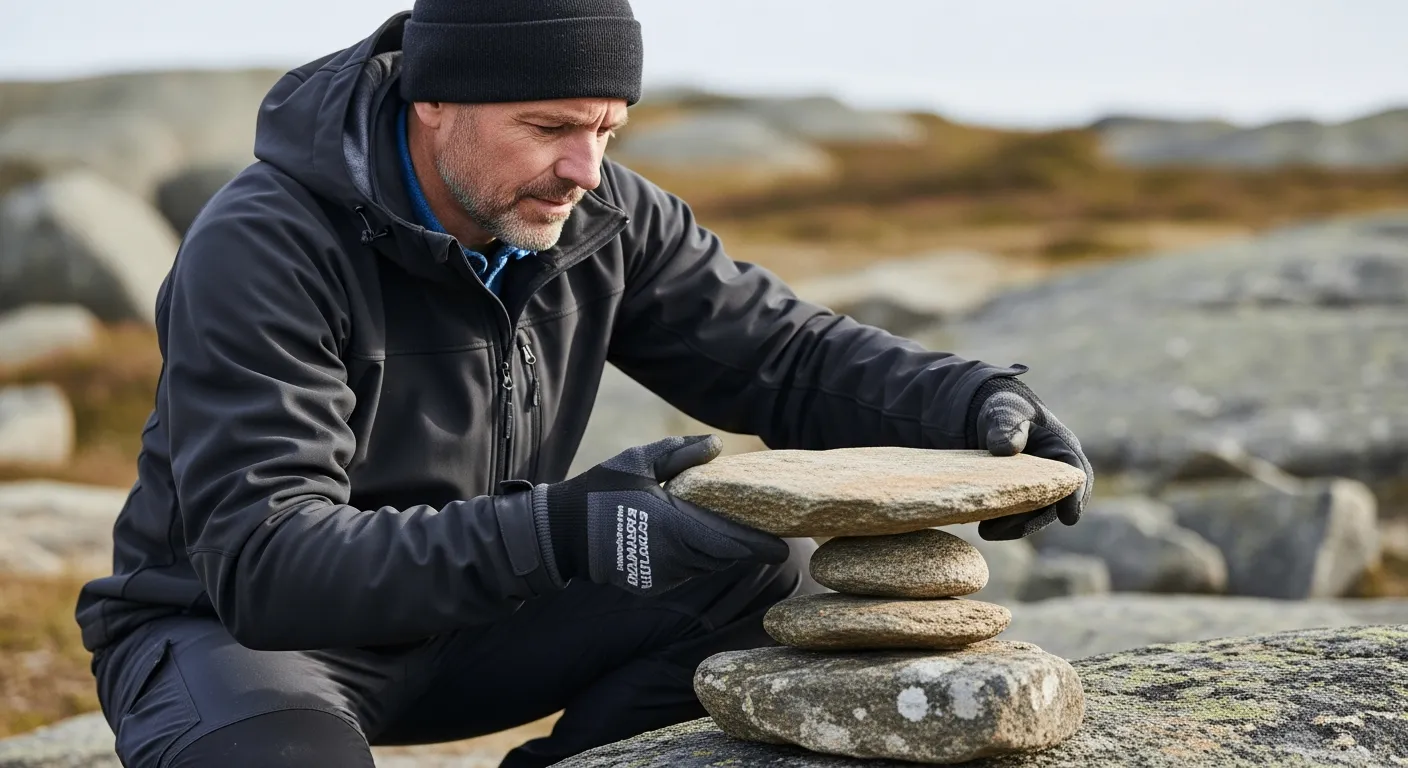
Beyond practical uses, cairns can also hold symbolic meaning. Some believe they represent a connection to the spiritual realm or serve as a reminder of our place within the larger ecosystem. The act of carefully placing each stone can be a meditative and meaningful experience.
It’s important to research the specific history and cultural significance of cairns in the region where you plan to build one. This will help you approach the project with respect and awareness. Understanding the local context can enhance the experience and ensure that your cairn is a fitting tribute to the area’s heritage.
Consider the stories that cairns can tell. Each stone placed represents a moment in time, a decision made, and a connection to the surrounding environment. When built thoughtfully, a cairn can become a silent witness to the passage of time, a testament to the enduring power of human creativity and connection to nature.
Choosing the Right Location
Selecting the right location is crucial for creating a stone cairn that is both stable and environmentally responsible. The location should be a place where the cairn will not interfere with natural processes or endanger wildlife.
Avoid building cairns in sensitive areas, such as wetlands, meadows, or habitats of endangered species. These areas are often fragile and can be easily damaged by human activity, including the construction of rock piles.
Ideal locations for cairns include rocky outcrops, barren areas, or established trails where they can serve as navigational aids. Ensure that the location is not prone to erosion or landslides, which could compromise the stability of the cairn.
Consider the visual impact of the cairn on the surrounding environment. Aim to choose a location where the cairn will blend in with the natural surroundings and not detract from the overall aesthetic appeal.
Before starting construction, take some time to observe the area and assess its suitability. Look for signs of wildlife activity, such as animal tracks or nests, and avoid building in areas where animals are likely to be disturbed.
Consider the potential impact of the cairn on water flow and drainage patterns. Avoid building in areas where the cairn could obstruct natural watercourses or contribute to erosion.
If building near a trail, ensure that the cairn is clearly visible but does not pose a hazard to hikers or other trail users. Place it off to the side of the trail, where it will not obstruct passage or create a tripping hazard.
Think about the long-term implications of your choice of location. Will the cairn still be appropriate in that location in 5, 10, or 20 years? Choosing a durable and sustainable location will ensure that your cairn remains a positive addition to the landscape for many years to come.
Understanding Stone Properties for Cairn Stability
When building a stone cairn, the type of rock you use is essential for its overall stability and longevity. Different types of stones have varying properties that affect their suitability for cairn construction.
Sedimentary rocks, like sandstone and limestone, are generally softer and more porous. This can make them susceptible to weathering and erosion over time, especially in harsh climates.
| Rock Type | Durability | Weight | Best Use |
|---|---|---|---|
| Granite | High | Heavy | Base and support |
| Sandstone | Medium | Medium | Middle layers |
| Slate | Low | Light | Top layers, decoration |
| Basalt | High | Heavy | Base, stability |
Metamorphic rocks, such as granite and gneiss, are formed under intense heat and pressure, making them incredibly durable and resistant to weathering. These rocks are ideal for building the base of a cairn, providing a solid and stable foundation.
Igneous rocks, like basalt and obsidian, are formed from volcanic activity and are also known for their strength and durability. Their density and resistance to erosion make them excellent choices for cairn construction, especially in exposed or windy locations.
The shape of the stone also plays a crucial role in cairn stability. Flat, angular stones are generally easier to stack and interlock, creating a more secure structure. Round or irregular stones can be more challenging to work with, but they can add visual interest to the cairn.
Consider the weight of the stones you choose. Heavier stones are more stable and less likely to be dislodged by wind or animals. However, they can also be more difficult to lift and maneuver, so it’s important to find a balance between stability and manageability.
Selecting Stones
Choosing the right stones is paramount to creating a stable and visually appealing stone cairn. Look for stones that are locally sourced and readily available in the immediate vicinity of the construction site.
Avoid taking stones from protected areas or disturbing natural rock formations. Respect the environment by only collecting loose stones that are already detached from their original location.
Select stones of varying sizes and shapes to create a balanced and structurally sound cairn. Larger, heavier stones should be used for the base to provide stability, while smaller stones can be used to fill gaps and create a more refined appearance.
Consider the color and texture of the stones to create a visually pleasing cairn that blends in with the surrounding environment. Aim for a natural and harmonious look that complements the landscape.
Before collecting any stones, take a moment to assess the area and determine the types of rocks that are most abundant. This will help you choose stones that are both readily available and appropriate for your cairn design.
Pay attention to the condition of the stones. Avoid using stones that are cracked, crumbling, or covered in moss or lichen, as these may be less stable and more prone to deterioration over time.
When selecting stones, consider their potential for interlocking and creating a secure structure. Look for stones with flat surfaces and angular edges that will fit together snugly.
Think about the overall aesthetic of your cairn. Do you want it to be uniform in color and texture, or do you prefer a more varied and eclectic look? Choose stones that reflect your personal style and complement the surrounding landscape.
Building a Stable Cairn
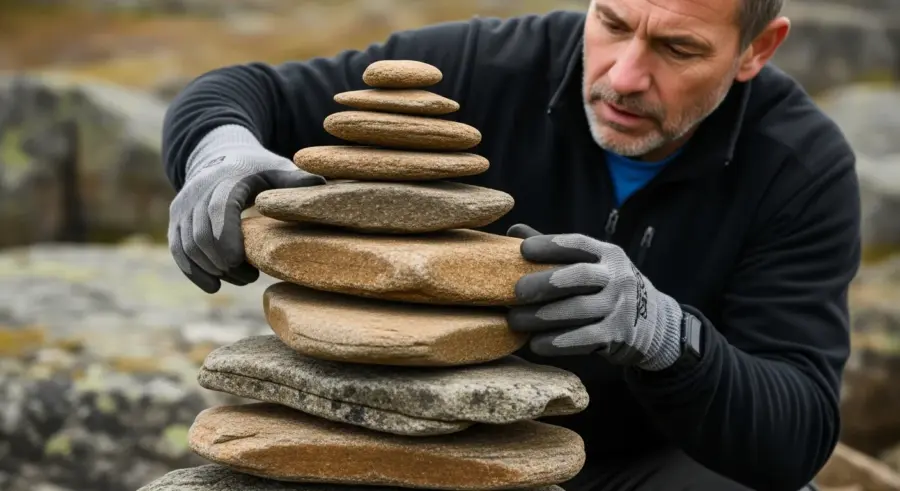
Constructing a stable cairn requires careful planning and attention to detail. Start by creating a solid foundation using the largest and flattest stones available.
Arrange the stones in a circular or conical shape, ensuring that each stone is securely placed and interlocked with the others. Use smaller stones to fill any gaps or voids between the larger stones, creating a tight and compact structure.
As you build upwards, gradually reduce the size of the stones, creating a tapered shape that is wider at the base and narrower at the top. This will help to distribute the weight evenly and prevent the cairn from toppling over.
Regularly check the stability of the cairn as you build, making sure that each stone is firmly in place and not likely to shift or dislodge. If necessary, adjust the arrangement of the stones to improve the overall stability of the structure.
Before you begin stacking, clear the ground of any loose debris, vegetation, or unstable soil. This will provide a more solid and level surface for your foundation.
Consider using a “dry-stacking” technique, which involves fitting the stones together without the use of mortar or other binding agents. This allows for natural drainage and prevents the buildup of moisture that could weaken the structure over time.
Pay attention to the orientation of the stones. Aligning them with their longest axis perpendicular to the slope can increase friction and prevent them from sliding down.
Take your time and be patient. Building a stable cairn is a process that requires careful observation, thoughtful planning, and a steady hand. Don’t rush the process, and enjoy the satisfaction of creating a lasting and meaningful structure.
Techniques for Ensuring Structural Integrity
Several techniques can be employed to enhance the structural integrity of a stone cairn, ensuring it withstands the test of time and environmental factors. One effective method is the use of a “key stone” at strategic points within the cairn.
A key stone is a larger, uniquely shaped rock that interlocks with surrounding stones, providing additional support and preventing movement. These stones act like anchors, holding the structure together and distributing weight more evenly.
Another technique involves creating a slight inward slope as you build upwards. This conical shape helps to compress the stones towards the center, increasing stability and resistance to external forces like wind and rain.
Additionally, consider the orientation of the stones. Aligning stones with their longest axis perpendicular to the slope can increase friction and prevent them from sliding down.
Using the principle of triangulation can significantly improve the stability. Arrange stones so that they form triangles, as this shape is inherently strong and resistant to deformation.
Employ “bonding” techniques similar to those used in bricklaying. Overlap stones in successive layers to distribute weight and prevent vertical seams from running straight through the structure. This will make the cairn more resistant to cracking and collapse.
Periodically check the level of the cairn as you build. Use a level or simply eyeball it to ensure that each layer is relatively horizontal. This will prevent the cairn from leaning to one side and becoming unstable.
Consider the local climate and environmental conditions. In areas with heavy snowfall or strong winds, build a more robust and aerodynamic cairn to withstand these forces. You might need a wider base or a more streamlined shape.
Respecting the Environment
When creating a stone cairn, it’s essential to minimize your impact on the surrounding environment. Avoid disturbing vegetation, soil, or wildlife habitats in the immediate vicinity of the construction site.
Do not remove or damage any natural features, such as trees, shrubs, or rock formations. Leave the area as you found it, or even better, in a more pristine condition than when you arrived.
- Use only local stones
- Avoid disturbing wildlife
- Do not create excessive cairns
- Maintain natural drainage
- Leave no trace behind
Before you even begin collecting stones, take some time to observe the area and identify any sensitive habitats or species. This will help you avoid disturbing them during the construction process.
Be mindful of the potential impact of your cairn on soil erosion. Avoid building in areas where the cairn could disrupt natural drainage patterns or contribute to the loss of topsoil.
Consider the visual impact of your cairn on the surrounding landscape. Aim to create a structure that blends in with its natural surroundings and does not detract from the overall aesthetic appeal of the area.
Educate others about responsible cairn building practices. Share your knowledge and encourage others to respect the environment and minimize their impact on the natural world.
Ethical Considerations
Building a stone cairn comes with ethical responsibilities. Be mindful of the potential impact on the natural environment and the rights of other visitors to the area.
Avoid creating excessive or unnecessary cairns that could detract from the natural beauty of the landscape. Respect the cultural and historical significance of existing cairns, and do not alter or remove them without permission.
Consider the impact of your cairn on wildlife and other natural processes. Ensure that your structure does not impede natural drainage or disrupt animal habitats.
Promote responsible cairn building practices by educating others about the importance of environmental stewardship and ethical considerations. Encourage a culture of respect and sustainability in the outdoors.
Before building, consider whether a cairn is truly necessary. In some areas, over-cairning can obscure natural landmarks and create confusion for hikers.
Be aware of local regulations and guidelines regarding cairn building. Some areas may have restrictions or prohibitions on the construction of rock structures.
If you encounter an existing cairn that appears unstable or poorly constructed, resist the urge to dismantle it. Instead, consider reinforcing it or adding additional support to improve its stability.
Remember that the natural environment is a shared resource. Act responsibly and ethically to ensure that future generations can enjoy the beauty and wonder of the outdoors.
Considerations for Longevity
To ensure the longevity of your stone cairn, consider the environmental factors that could affect its stability and appearance. Protect the cairn from erosion by building it on a stable foundation and avoiding areas prone to flooding or landslides.
Use durable, weather-resistant stones that can withstand the elements. Regularly inspect the cairn for any signs of damage or deterioration, and make repairs as needed to maintain its structural integrity.
Consider the impact of vegetation growth on the cairn. Remove any plants or roots that could compromise the stability of the structure over time.
Protect the cairn from human interference by educating visitors about the importance of respecting natural landmarks. Encourage responsible behavior and discourage the removal or alteration of stones from the cairn.
Apply a sealant to the stones to protect them from weathering and erosion. Choose a sealant that is environmentally friendly and will not harm the surrounding ecosystem.
Consider the potential impact of freeze-thaw cycles on the cairn. In areas with cold winters, water can seep into cracks in the stones and expand when it freezes, causing them to break apart. Choose stones that are resistant to freeze-thaw damage, or take steps to protect the cairn from moisture.
Monitor the cairn regularly and make repairs as needed. Over time, stones may shift or become dislodged, compromising the stability of the structure. By regularly inspecting the cairn and making timely repairs, you can ensure that it remains intact for many years to come.
Document the construction of your cairn. Take photographs and keep records of the materials used, the location, and any other relevant information. This will help future generations understand the history and significance of the cairn.
The Art of Rock Stacking and Cairn Aesthetics
Beyond structural stability, the art of rock stacking involves creating visually appealing cairns that harmonize with their surroundings. The choice of stones, their arrangement, and the overall shape of the cairn contribute to its aesthetic value.
Experiment with different stone sizes, colors, and textures to create a balanced and interesting composition. Consider the natural lines and forms of the stones, and arrange them in a way that accentuates their beauty.
Use the surrounding environment as inspiration for your cairn design. Mimic natural patterns, such as the flow of water or the shape of nearby mountains, to create a cairn that feels like an integral part of the landscape.
However, remember that aesthetics should never come at the expense of stability or environmental responsibility. Prioritize the structural integrity of the cairn and minimize your impact on the natural environment.
Consider the use of negative space in your cairn design. Leaving gaps or voids between stones can create a sense of lightness and airiness, and can also highlight the individual shapes and textures of the stones.
Experiment with different stacking techniques, such as balancing stones on top of each other or creating cantilevered structures. These techniques can add visual interest and complexity to your cairn, but they also require a higher level of skill and attention to detail.
Think about the overall symmetry and balance of your cairn. A well-balanced cairn will feel stable and harmonious, while an unbalanced cairn may feel precarious or unsettling.
Don’t be afraid to experiment and try new things. The art of rock stacking is all about creativity and exploration. Embrace the challenge and have fun with the process.
Conclusion
Creating a stone cairn is a rewarding experience that combines art, nature, and history. By following the guidelines outlined in this article, you can build a stable, aesthetically pleasing, and environmentally responsible cairn that will endure for years to come.
Remember to respect the environment, consider the ethical implications of your actions, and prioritize the safety and well-being of others. With careful planning and attention to detail, you can contribute to the tradition of cairn building in a positive and sustainable manner.
Whether you’re marking a trail, commemorating an event, or simply expressing your creativity, the act of creating a stone cairn is a meaningful way to connect with nature and leave your mark on the world. Embrace the art of rock stacking and cairn building, and discover the joy of creating a lasting legacy in the great outdoors.
So, the next time you’re out hiking or exploring, consider the possibility of creating a stone cairn. It’s an opportunity to engage with the environment, express your creativity, and leave a positive impact on the world around you.
The tradition of cairn building is a testament to our enduring connection to the natural world. By approaching this art with respect, awareness, and a commitment to sustainability, we can ensure that cairns continue to enrich our landscapes for generations to come.
Remember to always prioritize the well-being of the environment and the safety of others. When done responsibly, cairn building can be a beautiful and meaningful way to express our creativity and connect with the world around us.
So go forth, explore the possibilities, and create your own stone cairn. Let your imagination guide you, and let your respect for nature be your compass.
The stones are waiting. Your adventure awaits.