
Creating a stone water feature can transform your outdoor space into a tranquil oasis. The gentle sound of flowing water combined with the natural beauty of stone creates a relaxing atmosphere.
Whether you’re an experienced landscaper or a DIY enthusiast, this guide will provide you with the steps and insights needed for successful stone water feature installation. Let’s explore the process of bringing this serene element to your garden.
From planning the design to selecting the right materials and ensuring proper maintenance, each stage plays a crucial role in achieving a stunning and long-lasting stone water feature. With careful planning and execution, you can create a beautiful focal point that enhances your outdoor living experience.
Planning Your Water Feature Design
Before you begin any physical work, take the time to plan your water feature design. Consider the size and shape of the area where you want to install the stone water feature.
Think about the overall style you want to achieve. Do you prefer a natural, rustic look or a more modern, minimalist design for your garden water feature?
Sketch out a few different ideas to visualize how the water feature will fit into your existing garden. Consider the surrounding plants, hardscaping, and any other elements that will influence the overall aesthetic.
Also, think about the practical aspects, such as sunlight exposure and proximity to power and water sources. These factors will affect the type of plants you can use and the ease of installation.
Take into account the existing drainage patterns in your yard. You’ll want to ensure that your water feature doesn’t inadvertently cause water to pool or run towards your house.
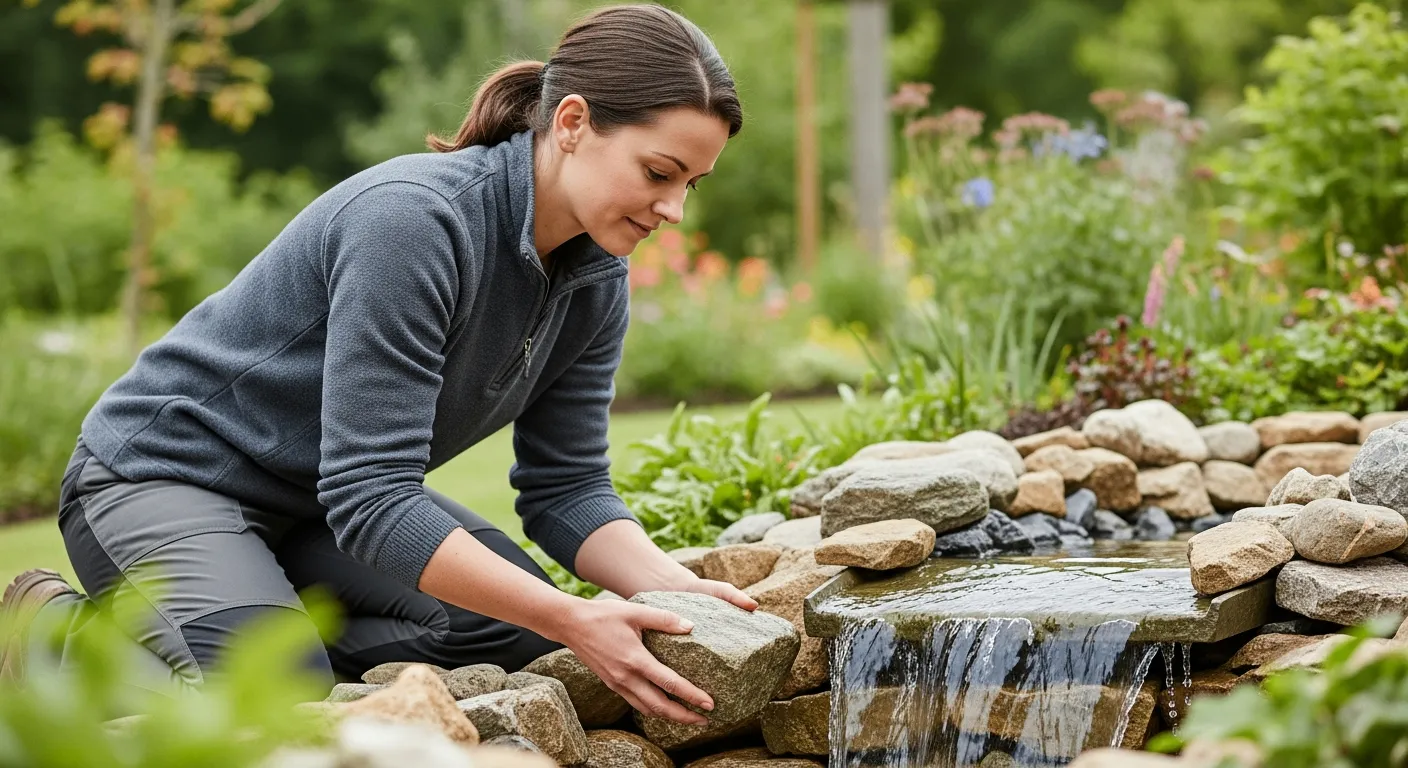
Consider the viewing angles from different parts of your yard and home. Design the water feature so that it looks appealing from all the key vantage points.
Think about the sound of the water. Do you want a gentle trickle or a more pronounced waterfall effect?
The height and angle of the stones will affect the sound, so experiment with different arrangements during the planning phase. Don’t forget to factor in local regulations regarding water features, especially if you plan to use a significant amount of water.
Some areas have restrictions on water usage or require permits for certain types of water features. Research these regulations beforehand to avoid any potential issues.
Finally, consider the long-term maintenance requirements of your chosen design. A more complex design may require more frequent cleaning and upkeep.
Choose a design that you can realistically maintain over time to ensure your water feature remains a beautiful addition to your garden for years to come. Proper planning is the cornerstone of a successful and enjoyable water feature.
Choosing the Right Stone and Components
Selecting the right stone is crucial for achieving the desired look and ensuring the longevity of your water feature. Natural stone options include granite, limestone, slate, and sandstone, each offering unique textures and colors.
Consider the size, shape, and color of the stones to complement your garden’s style. For a natural look, use irregular stones of varying sizes, while a modern design may benefit from more uniform, geometric stones.
In addition to the stone, you’ll need a pump, tubing, and a reservoir to hold the water. Choose a pump that is appropriately sized for the height and flow rate of your water feature.
A submersible pump is typically used for most garden water feature installations. Ensure the tubing is durable and UV-resistant to withstand outdoor conditions.
When selecting stones, consider the weight and ease of handling. Larger stones can be more difficult to move and position, so you may need assistance or specialized equipment.
Also, check the stones for any cracks or weaknesses that could compromise their structural integrity. Choose stones that are durable and weather-resistant to withstand the elements.
For the reservoir, you can use a pre-formed pond liner or create a custom liner using flexible pond liner material. Pre-formed liners are easier to install but may limit your design options.
Flexible liners allow you to create a reservoir of any shape or size, but they require more careful installation to prevent leaks. When choosing a pump, consider the flow rate, head height, and energy efficiency.
The flow rate determines how much water the pump can move per hour, while the head height determines how high the pump can lift the water. Choose a pump that is powerful enough to circulate the water effectively without consuming excessive energy.
The tubing should be flexible and durable, with a diameter that is compatible with the pump outlet. Use stainless steel clamps to secure the tubing to the pump and other fittings.
This will prevent leaks and ensure a reliable connection. Consider using a filter to remove debris and impurities from the water.
This will help keep the water clean and clear, and it will also protect the pump from damage. A well-chosen combination of stone and components will ensure your water feature is both beautiful and functional.
Essential Tools for Stone Water Feature Installation
Gathering the right tools will make the installation process smoother and more efficient. Essential tools include a shovel, level, measuring tape, and a wheelbarrow for moving heavy materials.
You’ll also need a rubber mallet for positioning stones, a utility knife for cutting tubing, and safety glasses and gloves for protection. Depending on the complexity of your design, you may need additional tools such as a concrete saw or drill.
| Tool | Purpose | Notes |
|---|---|---|
| Shovel | Digging and leveling the site | Heavy-duty shovel recommended |
| Level | Ensuring stones are properly aligned | A spirit level is essential |
| Measuring Tape | Measuring distances and stone placement | Use a durable, retractable tape |
| Wheelbarrow | Transporting stones and materials | Choose a sturdy wheelbarrow |
| Rubber Mallet | Positioning stones without damage | Avoid using a metal hammer |
| Utility Knife | Cutting tubing and liner | Use a sharp, durable blade |
| Safety Glasses | Protecting eyes from debris | Always wear safety glasses |
| Gloves | Protecting hands from cuts and abrasions | Use heavy-duty work gloves |
A heavy-duty shovel will be invaluable for digging the reservoir and moving soil. Choose a shovel with a comfortable handle and a sturdy blade that can withstand heavy use.
A level is essential for ensuring that the stones are properly aligned and that the water flows evenly. A spirit level is a simple and reliable tool for this purpose.
A measuring tape will help you accurately measure distances and stone placement. Use a durable, retractable tape that is easy to read and use.
A wheelbarrow is essential for transporting stones, soil, and other materials around the site. Choose a sturdy wheelbarrow with a large capacity and comfortable handles.
A rubber mallet is ideal for positioning stones without damaging them. Avoid using a metal hammer, as it can crack or chip the stones.
A utility knife is useful for cutting tubing and liner material. Use a sharp, durable blade and exercise caution when cutting.
Safety glasses and gloves are essential for protecting your eyes and hands from debris and injuries. Always wear safety glasses and gloves when working with stones and tools.
Depending on the size and complexity of your water feature, you may also need a concrete saw for cutting stones, a drill for creating holes for tubing, and a tamper for compacting soil. Having the right tools on hand will make the installation process much easier and safer.
Consider renting specialized tools if you only need them for this project. This can save you money and storage space.
Preparing the Site
Proper site preparation is crucial for the stability and longevity of your stone water feature. Start by clearing the area of any debris, rocks, or vegetation.
Level the ground and excavate a hole for the reservoir, ensuring it’s deep enough to accommodate the pump and tubing. Consider using a pond liner to prevent water leakage and protect the surrounding soil.
If you’re using a pre-formed pond liner, make sure it fits snugly in the excavated hole. Backfill around the liner with soil or sand to provide support and prevent shifting.
For larger installations, consider adding a layer of gravel or crushed stone at the bottom of the reservoir for drainage. This will help prevent the pump from clogging and extend its lifespan.
Before you start digging, check for any underground utilities, such as gas lines or electrical cables. Call your local utility company to have them mark the location of any buried lines.
This will prevent you from accidentally damaging these lines during excavation. When excavating the hole for the reservoir, make sure the sides are sloped slightly to prevent them from collapsing.
This is especially important if you’re working in sandy or loose soil. If you’re using a flexible pond liner, install a layer of underlayment beneath the liner to protect it from punctures.
Underlayment is a geotextile fabric that provides a cushion between the liner and the soil. It will help prevent rocks and roots from damaging the liner.
When backfilling around the liner, use soil or sand that is free of rocks and debris. This will prevent the liner from being damaged by sharp objects.
Compact the soil or sand as you backfill to provide a stable base for the stones. Use a tamper to compact the soil or sand in layers.
This will help prevent settling and ensure the stones remain level. Proper site preparation is essential for a successful and long-lasting water feature.
Installing the Water Feature
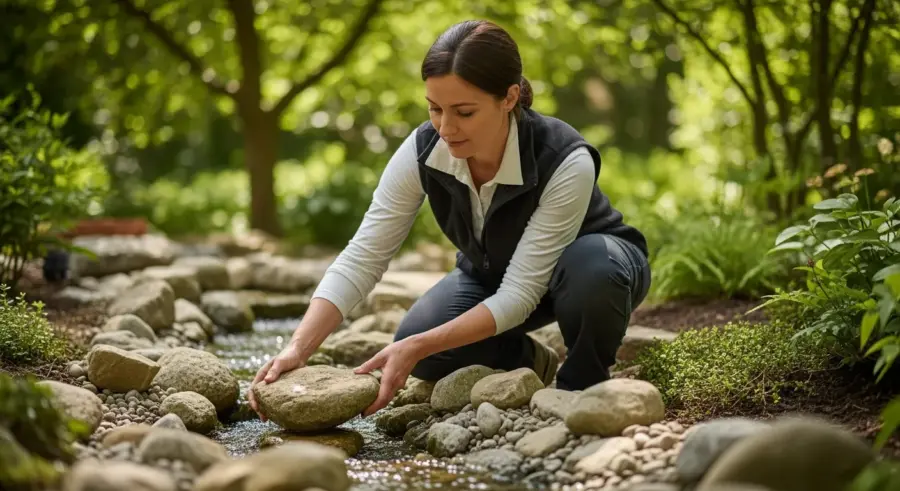
With the site prepared, you can begin installing the stone water feature. Start by placing the largest stones around the perimeter of the reservoir, creating a stable base for the rest of the structure.
Use a rubber mallet to gently tap the stones into place, ensuring they are level and secure. Arrange the stones in a way that creates a natural, flowing water path.
Position smaller stones on top of the larger ones to create height and visual interest. Consider adding a focal point, such as a large, unique stone or a decorative element.
As you build, periodically test the water flow by running a hose over the stones. Adjust the stone placement as needed to achieve the desired effect.
When placing the stones, consider the weight distribution to prevent the structure from becoming unstable. Use a level to ensure that each stone is properly aligned and that the water flows evenly.
If you’re using multiple tiers of stones, stagger the joints to create a more natural and visually appealing look. This will also help to strengthen the structure.
Use smaller stones or pebbles to fill in any gaps between the larger stones. This will help to create a more cohesive and natural look.
When testing the water flow, pay attention to the sound of the water. Adjust the stone placement to create the desired sound effect, whether it’s a gentle trickle or a more pronounced waterfall.
Consider adding a few flat stones near the water’s edge to provide a place for birds and other wildlife to drink. This will make your water feature a more inviting and ecologically friendly space.
Take your time and experiment with different stone arrangements until you achieve the desired look and water flow. Installing a stone water feature is a creative process, so don’t be afraid to try new things.
Remember to prioritize safety throughout the installation process. Wear safety glasses and gloves to protect yourself from debris and injuries.
Connecting the Plumbing and Electrical
Connecting the plumbing and electrical components is a critical step in the stone water feature installation process. Place the submersible pump in the reservoir and connect the tubing to the pump outlet.
Run the tubing up through the stones to the highest point of the water feature, where the water will flow from. Ensure the tubing is securely connected to prevent leaks.
Connect the pump to a GFCI-protected electrical outlet. This is crucial for safety, as water and electricity can be a dangerous combination.
Bury the electrical cord underground or conceal it with rocks or plants to prevent tripping hazards and maintain a clean aesthetic. Always follow local electrical codes and regulations.
Before connecting the plumbing, make sure the tubing is clean and free of any debris. This will prevent the pump from becoming clogged.
Use stainless steel clamps to secure the tubing to the pump and other fittings. This will ensure a tight and reliable connection.
When running the tubing through the stones, be careful not to kink or damage it. Use flexible tubing that can easily bend and conform to the shape of the stones.
When connecting the pump to the electrical outlet, make sure the outlet is properly grounded. This will help to prevent electrical shocks.
Use a waterproof electrical box to protect the outlet from moisture. This is especially important if the outlet is located near the water feature.
Bury the electrical cord in a conduit to protect it from damage. This will also help to prevent tripping hazards.
Always disconnect the power before working on the plumbing or electrical components. This will prevent electrical shocks and injuries.
If you’re not comfortable working with plumbing or electrical components, hire a qualified professional to do the work for you. This will ensure that the job is done safely and correctly.
Enhancing Your Stone Water Feature with Plants
Adding plants around your stone water feature can enhance its natural beauty and create a more inviting space. Choose plants that thrive in moist environments, such as ferns, hostas, and irises.
Consider the mature size of the plants to ensure they don’t overcrowd the water feature or block the water flow. Arrange the plants around the base of the stones, creating a lush, green border.
You can also add aquatic plants to the reservoir to further enhance the ecosystem. Water lilies, cattails, and submerged grasses can help filter the water and provide habitat for aquatic life.
Regularly prune and maintain the plants to keep them healthy and prevent them from interfering with the water feature’s operation. A well-planted water feature can become a thriving ecosystem that attracts birds, butterflies, and other wildlife.
When choosing plants, consider the amount of sunlight that the area receives. Some plants thrive in full sun, while others prefer shade.
Choose plants that are well-suited to the conditions in your garden. Consider the soil type when selecting plants.
Some plants prefer acidic soil, while others prefer alkaline soil. Amend the soil as needed to create the ideal growing conditions for your chosen plants.
When planting around the water feature, be careful not to damage the liner or plumbing. Use a trowel to gently dig holes for the plants.
Water the plants regularly, especially during dry periods. This will help them to establish themselves and thrive.
Consider adding mulch around the plants to help retain moisture and suppress weeds. Use organic mulch, such as wood chips or shredded bark.
Fertilize the plants regularly to promote healthy growth. Use a balanced fertilizer that is specifically formulated for aquatic plants.
By carefully selecting and maintaining the plants around your stone water feature, you can create a beautiful and thriving ecosystem that enhances the natural beauty of your garden. This will also attract beneficial insects and pollinators.
Finishing Touches and Maintenance
Once the stone water feature is installed and the plants are in place, it’s time to add the finishing touches. Fill the reservoir with water and turn on the pump to test the water flow.
Adjust the stone placement and water flow as needed to achieve the desired effect. Add gravel or pebbles around the base of the stones to conceal the liner and create a more natural look.
Regular maintenance is essential for keeping your stone water feature looking its best. Clean the pump and filter regularly to prevent clogs and maintain optimal water flow.
Remove any debris, such as leaves or algae, from the water and stones. Periodically check the water level and add water as needed to compensate for evaporation.
Consider adding a water treatment product to prevent algae growth. There are many different water treatment products available, so choose one that is specifically designed for water features.
Use a net to remove leaves and other debris from the water. This will help to keep the water clean and clear.
Clean the stones regularly with a brush to remove algae and dirt. Use a soft-bristled brush to avoid damaging the stones.
Inspect the pump and tubing regularly for leaks or damage. Repair or replace any damaged components as needed.
Adjust the water flow as needed to maintain the desired effect. The water flow may need to be adjusted depending on the season and the weather conditions.
Consider adding lighting to your water feature to enhance its beauty at night. There are many different types of water feature lighting available, so choose one that complements your design.
By following these finishing touches and maintenance tips, you can keep your stone water feature looking its best for years to come. Regular maintenance is key to preventing problems and ensuring the longevity of your water feature.
Troubleshooting Common Issues
Even with careful planning and installation, you may encounter some common issues with your stone water feature. One common problem is a clogged pump, which can reduce or stop the water flow.
Regularly cleaning the pump and filter can prevent this issue. Another common problem is algae growth, which can make the water look murky and unsightly.
- Use an algaecide
- Add aquatic plants
- Ensure proper filtration
- Regularly clean the stones
- Adjust sunlight exposure
If the pump is clogged, disconnect it from the power source and remove it from the reservoir. Disassemble the pump and clean all of the components, including the impeller and filter.
Reassemble the pump and test it to make sure it’s working properly. If algae growth is a problem, try using an algaecide.
Follow the instructions on the algaecide label carefully. Adding aquatic plants can also help to control algae growth.
Aquatic plants compete with algae for nutrients, which can help to reduce algae growth. Ensure that your water feature has proper filtration.
A good filter will remove debris and impurities from the water, which can help to prevent algae growth. Regularly clean the stones in your water feature to remove algae and dirt.
Use a brush and water to scrub the stones. Adjust the amount of sunlight that your water feature receives.
Too much sunlight can promote algae growth. If your water feature is located in a sunny area, consider adding shade to reduce the amount of sunlight it receives.
Another common problem is water loss due to evaporation or leaks. Check the water level regularly and add water as needed.
If you suspect a leak, inspect the liner and plumbing for any damage. Repair any leaks as soon as possible to prevent further water loss.
Seasonal Considerations for Your Stone Water Feature
Depending on your climate, you may need to take seasonal considerations into account for your stone water feature. In colder climates, it’s important to protect the pump and plumbing from freezing temperatures.
Remove the pump from the reservoir and store it indoors during the winter months. Drain the water from the reservoir to prevent it from freezing and cracking.
In warmer climates, you may need to take steps to prevent excessive evaporation during the summer months. Add water to the reservoir regularly and consider using a shade cloth to reduce sunlight exposure.
Adjust the plant selection to suit the changing seasons, choosing plants that can withstand both hot and cold temperatures. By taking these seasonal considerations into account, you can ensure your stone water feature remains beautiful and functional year-round.
In the fall, remove leaves and other debris from the water feature to prevent them from decomposing and polluting the water. Trim back any plants that are becoming overgrown.
This will help to prevent them from blocking the water flow or damaging the liner. In the spring, clean the water feature thoroughly to remove any algae or dirt that has accumulated over the winter.
Add fresh water and fertilize the plants. Inspect the pump and plumbing for any damage and repair or replace any damaged components.
During the summer months, monitor the water level closely and add water as needed to compensate for evaporation. Consider using a water treatment product to prevent algae growth.
Adjust the plant selection to suit the changing seasons. Choose plants that can withstand the heat and drought of summer.
In colder climates, consider using a pond heater to prevent the water from freezing. A pond heater will help to keep the water circulating and prevent the pump and plumbing from freezing.
By taking these seasonal considerations into account, you can ensure that your stone water feature remains a beautiful and enjoyable addition to your garden year-round. Remember to adjust your maintenance routine to suit the changing seasons.
Conclusion
Adding a stone water feature to your garden is a rewarding project that can bring years of enjoyment. With careful planning, the right materials, and proper maintenance, you can create a tranquil and beautiful space that enhances your outdoor living experience.
Whether you choose a simple DIY water feature or a more elaborate design, the sound of flowing water and the natural beauty of stone will create a peaceful oasis in your backyard. Enjoy the process of creating your own stone water feature and the serenity it brings to your garden.
Remember to start with a well-thought-out plan that considers the size and style of your garden. Choose materials that are durable and complement the surrounding landscape.
Take your time during the installation process and pay attention to detail. With a little effort and creativity, you can create a stunning stone water feature that will be the envy of your neighbors.
Don’t be afraid to experiment with different designs and materials to create a water feature that is uniquely your own. The possibilities are endless, so let your imagination run wild.
Most importantly, enjoy the process of creating your own stone water feature and the serenity it brings to your garden. A water feature can add value and appeal to your home.
It can also provide a relaxing and peaceful retreat from the stresses of everyday life. So, take the plunge and create your own stone water feature today!