
Stone structures offer timeless beauty and remarkable durability. However, they often present unique challenges when it comes to energy efficiency. One effective solution for insulating stone buildings is mineral wool insulation for stone, a material that combines thermal performance with compatibility with the unique properties of stone.
This guide explores the benefits of mineral wool, its various types, and the proper installation techniques to ensure optimal insulation and preservation of your stone structures. We will also discuss how to address moisture concerns and compare mineral wool to other insulation options.
By understanding these aspects, you can make informed decisions to enhance the comfort and energy efficiency of your stone buildings while maintaining their structural integrity and aesthetic appeal. Let’s examine mineral wool insulation for stone.
Understanding Mineral Wool Insulation
Mineral wool insulation is a versatile material made from natural or recycled materials. It is created by melting these materials and spinning them into fine fibers, resulting in a wool-like texture.
This process gives mineral wool excellent thermal and acoustic insulation properties. It also gives it fire resistance, making it a popular choice for various construction applications.
There are two primary types of mineral wool: rock wool and slag wool. Rock wool is made from basalt rock, while slag wool is produced from industrial waste, such as blast furnace slag.
Both types offer similar performance characteristics. The choice between them often depends on availability and cost considerations.
Mineral wool’s composition is key to its insulating abilities. The tiny air pockets trapped between the fibers create a barrier against heat transfer. This makes it effective in both hot and cold climates.
Beyond insulation, mineral wool also contributes to sound dampening. Its density and fibrous structure absorb sound waves, reducing noise transmission between rooms and from outside sources.
The manufacturing process of mineral wool is also environmentally conscious. Many manufacturers use recycled materials, reducing the demand for virgin resources and minimizing waste.
Mineral wool is also known for its longevity. Unlike some other insulation materials, it does not degrade or settle over time, maintaining its performance for many years.
Furthermore, mineral wool is resistant to pests and mold growth. This makes it a healthier and more durable option compared to materials that can harbor these issues.
The versatility of mineral wool extends to its various forms. It is available in batts, rolls, loose-fill, and rigid boards, allowing for application in diverse construction scenarios.
Choosing the right form of mineral wool depends on the specific application and the desired level of insulation. Consider the ease of installation and the coverage area when making your selection.
Mineral wool’s fire-resistant properties are a significant safety advantage. It can withstand temperatures exceeding 1,000 degrees Celsius, providing valuable time for evacuation in the event of a fire.
This makes it a preferred choice for buildings where fire safety is a paramount concern. Its non-combustible nature prevents it from contributing to the spread of flames.
In addition to its thermal, acoustic, and fire-resistant properties, mineral wool is also environmentally friendly. Its production process often involves recycling industrial waste, reducing landfill burden.
This sustainable aspect makes it an appealing choice for those seeking eco-conscious building materials. It aligns with green building practices and contributes to a smaller environmental footprint.
Benefits of Using Mineral Wool with Stone
Using mineral wool for thermal insulation in stone structures offers several key advantages. Its fibrous structure creates air pockets that reduce heat transfer through the stone.
This results in improved energy efficiency and reduced heating and cooling costs. Mineral wool’s fire-resistant properties provide an added layer of safety for stone buildings.
It can withstand high temperatures and does not contribute to the spread of flames, enhancing the overall fire protection of the structure. Another significant benefit is mineral wool’s vapor permeability.
This allows moisture to pass through the insulation. That helps prevent condensation buildup within the stone walls, which can lead to structural damage and mold growth.
Stone buildings are often characterized by their unique architectural features and irregularities. Mineral wool’s flexibility allows it to conform to these shapes, ensuring complete coverage and optimal insulation.
This adaptability is particularly beneficial in older stone structures where walls may not be perfectly even. It can be easily cut and shaped to fit around windows, doors, and other architectural elements.
Mineral wool’s resistance to moisture is crucial in stone buildings, which are prone to dampness. Its vapor permeability allows moisture to escape, preventing it from accumulating within the walls.
This helps maintain the structural integrity of the stone and prevents the growth of mold and mildew. It’s a vital characteristic for preserving the longevity of stone structures.
The sound-dampening properties of mineral wool also enhance the comfort of stone buildings. Stone walls can often amplify sound, leading to noisy interiors. Mineral wool helps absorb sound waves, creating a quieter and more peaceful environment.
This is particularly beneficial in urban settings or near busy roads. It improves the overall living experience within the stone building.
Mineral wool is also a sustainable choice for insulating stone buildings. Many mineral wool products are made from recycled materials, reducing their environmental impact.
This aligns with the growing trend of eco-conscious construction and renovation. It demonstrates a commitment to preserving both the building and the environment.
The fire resistance of mineral wool provides an added layer of safety for stone buildings and their occupants. Stone itself is fire-resistant, and mineral wool further enhances this protection.
This can be particularly important in historic stone buildings, where preserving the structure is paramount. It provides peace of mind and reduces the risk of fire damage.
Another advantage of mineral wool is its resistance to pests. Unlike some other insulation materials, it does not attract rodents or insects. This helps maintain the integrity of the insulation and prevents damage to the building.
It also contributes to a healthier indoor environment by reducing the risk of infestations. This is an important consideration for both residential and commercial stone buildings.
Mineral wool’s long lifespan is another benefit to consider. It does not degrade or settle over time, maintaining its performance for many years. This reduces the need for frequent replacements, saving time and money in the long run.
It’s a durable and reliable insulation solution that provides consistent performance throughout its lifespan. This makes it a worthwhile investment for stone building owners.
Different Types of Mineral Wool for Stone Applications
When selecting mineral wool for stone applications, it’s essential to consider the specific requirements of the project. Different types of mineral wool products are available to suit various needs.
These include batts, rolls, and loose-fill insulation. Here’s a breakdown of some common options.
| Type of Mineral Wool | Application | Benefits |
|---|---|---|
| Batts | Wall cavities, attics | Easy to handle, pre-cut sizes, good thermal performance |
| Rolls | Large, open areas, between studs | Flexible, continuous coverage, cost-effective |
| Loose-fill | Hard-to-reach areas, irregular spaces | Fills gaps, excellent coverage, suitable for retrofitting |
| Rigid Boards | Exterior walls, continuous insulation | High density, improved thermal performance, moisture resistance |
Mineral wool batts are a popular choice for insulating wall cavities in stone buildings. They are pre-cut to fit standard stud spacing, making installation relatively straightforward.
Batts provide good thermal performance and are easy to handle. They are a good option for new construction or renovation projects where the wall cavities are easily accessible.
Mineral wool rolls are ideal for insulating large, open areas in stone buildings. They provide continuous coverage and are cost-effective for insulating attics or between floor joists.
Rolls are flexible and can be easily cut to fit the desired space. They are a good option for projects where large areas need to be insulated quickly and efficiently.
Loose-fill mineral wool is perfect for insulating hard-to-reach areas and irregular spaces in stone buildings. It can be blown into cavities, filling gaps and voids for excellent coverage.
Loose-fill is particularly useful for retrofitting older stone buildings where access to wall cavities may be limited. It ensures that all areas are properly insulated, even those that are difficult to reach.
Rigid mineral wool boards are designed for exterior wall insulation in stone buildings. They provide high density and improved thermal performance, creating a continuous insulation layer.
Rigid boards are also moisture-resistant, protecting the stone structure from water damage. They are a good option for new construction or renovation projects where superior insulation and moisture protection are required.
When selecting mineral wool for stone applications, consider the R-value of the material. R-value measures the insulation’s resistance to heat flow. Higher R-values indicate better insulation performance.
Choose a mineral wool product with an R-value that meets the specific requirements of your project and local building codes. This will ensure that your stone building is properly insulated for optimal energy efficiency.
Also, consider the density of the mineral wool. Higher density mineral wool provides better sound insulation and fire resistance. It is also more resistant to settling and degradation over time.
Choose a mineral wool product with a density that meets the specific needs of your project. This will ensure that your stone building is not only well-insulated but also protected from noise and fire.
Finally, consider the sustainability of the mineral wool product. Look for products that are made from recycled materials and have a low environmental impact. This will help you create a more sustainable stone building.
Choosing a sustainable mineral wool product is a responsible choice that benefits both the environment and the occupants of the building. It aligns with green building practices and contributes to a healthier planet.
Proper Installation Techniques for Mineral Wool
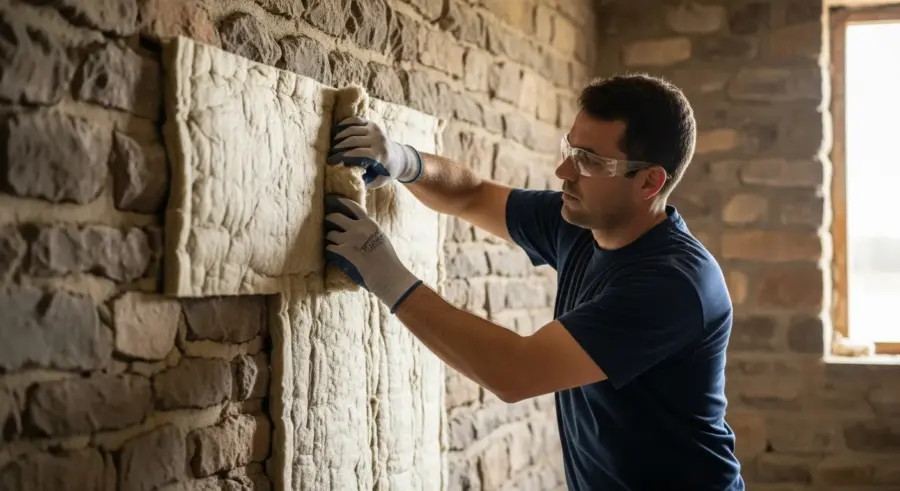
Proper installation is crucial to maximize the benefits of mineral wool insulation for stone. Start by preparing the surface, ensuring it is clean, dry, and free of any debris.
For batt or roll insulation, measure and cut the material to fit snugly within the wall cavities or between studs. It should fit tightly.
Avoid compressing the insulation, as this can reduce its thermal performance. For loose-fill insulation, use a blowing machine to evenly distribute the material into the cavities.
Ensure that all gaps and voids are filled to prevent air leakage. When installing rigid boards on exterior walls, use appropriate fasteners and seal the joints to create a continuous insulation layer.
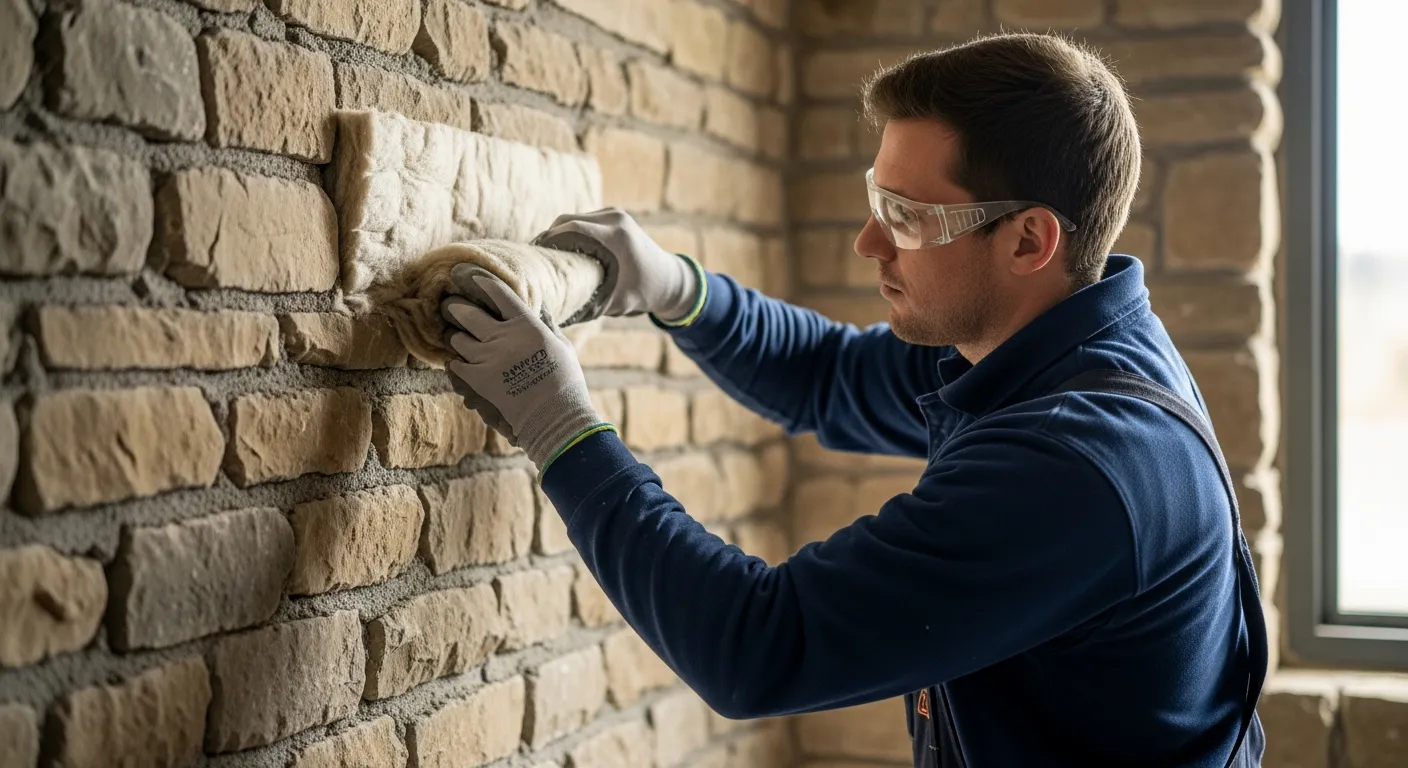
When working with mineral wool, it’s important to wear protective gear. This includes gloves, a dust mask, and eye protection to prevent irritation from the fibers.
Mineral wool fibers can be irritating to the skin, eyes, and respiratory system. Taking these precautions will ensure a safe and comfortable installation process.
For batt and roll insulation, ensure that the material is properly supported within the wall cavities. Use friction fit or install support wires to prevent the insulation from sagging or settling over time.
Sagging insulation can reduce its thermal performance and create gaps in coverage. Proper support will ensure that the insulation remains effective for many years.
When installing loose-fill insulation, pay attention to the recommended density for the specific product. Using too little material will result in inadequate insulation, while using too much can compress the fibers and reduce their effectiveness.
Follow the manufacturer’s instructions carefully to achieve the optimal density and performance. This will ensure that your stone building is properly insulated and energy-efficient.
When installing rigid mineral wool boards, ensure that the joints are properly sealed to prevent air leakage. Use a compatible sealant or tape to create a continuous air barrier.
Air leakage can significantly reduce the effectiveness of the insulation. Sealing the joints will help maintain the thermal performance of the insulation and reduce energy consumption.
Pay close attention to areas around windows, doors, and other penetrations in the wall. These areas are often prone to air leakage and require extra attention during installation.
Use sealant or caulk to seal any gaps or cracks around these openings. This will help prevent air leakage and improve the overall energy efficiency of your stone building.
After installing the mineral wool insulation, inspect the area to ensure that there are no gaps or voids. Use a flashlight to check for any areas where the insulation is missing or compressed.
Address any issues promptly to ensure that the insulation is providing optimal coverage and performance. This will help you maximize the benefits of mineral wool insulation for your stone building.
Consider hiring a professional insulation contractor to install the mineral wool. A professional contractor has the experience and expertise to ensure that the insulation is installed correctly and efficiently.
This can save you time and money in the long run by preventing installation errors and ensuring optimal performance. It’s a worthwhile investment for maximizing the benefits of mineral wool insulation.
Addressing Moisture and Condensation Concerns
Moisture management is a critical aspect of insulating stone structures. Stone is naturally porous. It can absorb and retain moisture, leading to potential problems if not properly addressed.
Mineral wool’s vapor permeability helps mitigate this issue by allowing moisture to pass through the insulation. However, additional measures may be necessary in certain climates or conditions.
- Install a vapor barrier on the warm side of the insulation
- Ensure proper ventilation to remove excess moisture
- Use a breathable membrane on the exterior to protect against rain
- Inspect and maintain the stone structure to address any cracks or leaks
- Consider a professional assessment to identify potential moisture issues
A vapor barrier is a material that restricts the flow of moisture. It is typically installed on the warm side of the insulation, which is the side that faces the interior of the building.
This helps prevent moisture from entering the wall cavity and condensing within the insulation. Choose a vapor barrier that is appropriate for your climate and building type.
Proper ventilation is essential for removing excess moisture from the building. This can be achieved through natural ventilation, such as opening windows, or through mechanical ventilation, such as using exhaust fans.
Ensure that your stone building has adequate ventilation to prevent moisture buildup. This will help maintain a healthy and comfortable indoor environment.
A breathable membrane is a material that allows moisture to escape from the wall cavity while preventing rain from entering. It is typically installed on the exterior of the building, behind the siding or cladding.
This helps protect the stone structure from water damage and allows moisture to evaporate from the insulation. Choose a breathable membrane that is appropriate for your climate and building type.
Regularly inspect and maintain the stone structure to address any cracks or leaks. Cracks and leaks can allow water to enter the wall cavity, leading to moisture problems.
Repair any cracks or leaks promptly to prevent water damage and maintain the integrity of the stone structure. This will help protect your insulation and prevent moisture buildup.
Consider a professional assessment to identify potential moisture issues. A professional building inspector can assess your stone building for potential moisture problems and recommend solutions.
This can help you identify and address moisture issues before they become serious problems. It’s a worthwhile investment for protecting your stone building and maintaining a healthy indoor environment.
Pay attention to the climate in your area. In humid climates, it’s especially important to manage moisture carefully. Consider using a dehumidifier to reduce indoor humidity levels.
This can help prevent moisture buildup and protect your stone structure from water damage. It’s an important consideration for maintaining a healthy and comfortable indoor environment in humid climates.
Comparing Mineral Wool to Other Insulation Materials
While mineral wool is an excellent choice for insulating stone structures, it’s essential to compare it to other options to determine the best fit for your specific needs. Common alternatives include fiberglass, spray foam, and rigid foam boards.
Fiberglass is a budget-friendly option but offers lower thermal performance and less fire resistance than mineral wool. Spray foam provides excellent insulation and air sealing but can be more expensive and may not be as vapor permeable.
Rigid foam boards offer high thermal resistance and moisture resistance but may not conform as well to irregular stone surfaces as mineral wool. Mineral wool stands out due to its balance of thermal performance, fire resistance, vapor permeability, and compatibility with stone.
Each material has its pros and cons. Carefully weigh these factors to make an informed decision based on your project’s requirements and budget.
Fiberglass insulation is a common and affordable option. It is made from spun glass fibers and is available in batts, rolls, and loose-fill forms. However, fiberglass has a lower R-value per inch compared to mineral wool.
It also does not provide the same level of fire resistance or sound insulation. Fiberglass can also lose its effectiveness if it becomes wet or compressed.
Spray foam insulation offers excellent air sealing and high R-value. It expands to fill gaps and cracks, creating a tight barrier against air leakage. However, spray foam can be more expensive than mineral wool.
It also requires professional installation and may not be as vapor permeable as mineral wool. Some types of spray foam can also release harmful chemicals during installation.
Rigid foam boards provide high thermal resistance and moisture resistance. They are available in various thicknesses and R-values. However, rigid foam boards may not conform as well to irregular stone surfaces.
They also require careful cutting and sealing to prevent air leakage. Some types of rigid foam boards can also be flammable and require a fire-resistant covering.
Cellulose insulation is made from recycled paper and treated with fire retardants. It is an environmentally friendly option with good thermal performance. However, cellulose can settle over time, reducing its effectiveness.
It also requires professional installation and may not be as moisture-resistant as mineral wool. Cellulose can also be susceptible to mold growth if it becomes wet.
Consider the vapor permeability of each insulation material. Vapor permeability refers to the ability of a material to allow moisture to pass through it. Mineral wool has excellent vapor permeability, which helps prevent moisture buildup in stone walls.
Some other insulation materials, such as spray foam, have lower vapor permeability, which can trap moisture and lead to problems. Choose an insulation material with appropriate vapor permeability for your climate and building type.
Also, consider the fire resistance of each insulation material. Mineral wool is naturally fire-resistant and does not contribute to the spread of flames. Some other insulation materials, such as fiberglass and rigid foam boards, may require a fire-resistant covering.
Choose an insulation material with adequate fire resistance to protect your stone building and its occupants. This is an important safety consideration for any building project.
Real-World Examples of Mineral Wool Use
Many successful projects demonstrate the effectiveness of mineral wool insulation for stone. In historic building renovations, mineral wool has been used to improve energy efficiency without compromising the original structure’s integrity.
For instance, the restoration of a 19th-century stone church in Scotland involved installing mineral wool batts in the wall cavities. This significantly reduced heating costs while preserving the building’s historical character.
In modern stone construction, mineral wool rigid boards have been used to create highly energy-efficient homes. A residential project in Colorado incorporated continuous mineral wool insulation on the exterior walls, resulting in a well-insulated, comfortable living space.
These examples demonstrate mineral wool’s versatility and effectiveness in both preserving historic structures and creating modern, energy-efficient buildings. The key is careful planning and proper installation.
The use of mineral wool in the Reichstag building in Berlin is a notable example. During its renovation, mineral wool was used to enhance the building’s energy efficiency and fire safety.
This project demonstrates the effectiveness of mineral wool in large-scale historical renovations. It helped to modernize the building while preserving its historical significance.
In Iceland, mineral wool is commonly used in residential construction due to its excellent thermal performance and moisture resistance. The harsh climate in Iceland demands robust insulation solutions.
Mineral wool provides reliable protection against the cold and damp conditions. It helps to create comfortable and energy-efficient homes.
The renovation of the Hearst Castle in California also involved the use of mineral wool insulation. This historic landmark required a solution that would improve energy efficiency without compromising its architectural integrity.
Mineral wool provided a suitable solution, offering excellent thermal performance and fire resistance. It helped to preserve the castle for future generations.
In many passive house designs, mineral wool is a key component of the insulation strategy. Passive houses are designed to minimize energy consumption and maintain a comfortable indoor environment.
Mineral wool’s high R-value and air-sealing properties make it an ideal choice for these types of projects. It helps to achieve the stringent energy efficiency standards required for passive house certification.
The use of mineral wool in soundproofing studios and theaters is another real-world example. Its density and fibrous structure make it an effective sound absorber.
It helps to reduce noise transmission and create a more controlled acoustic environment. This is essential for recording studios, theaters, and other spaces where sound quality is critical.
Mineral wool is also used in industrial applications, such as insulating pipes and equipment. Its high-temperature resistance and thermal performance make it suitable for these demanding environments.
It helps to reduce energy loss and maintain consistent temperatures. This is important for industrial processes that require precise temperature control.
Cost Considerations and ROI
The initial cost of mineral wool insulation can be higher than some alternatives like fiberglass. However, it’s important to consider the long-term return on investment (ROI).
Mineral wool’s superior thermal performance leads to reduced energy consumption, resulting in lower heating and cooling bills over time. Its fire resistance can also lower insurance premiums.
Additionally, mineral wool’s durability and resistance to mold and pests can reduce maintenance and repair costs. When evaluating the cost-effectiveness of mineral wool, consider these factors in addition to the initial purchase price.
A thorough cost-benefit analysis will provide a clearer picture of the long-term value and ROI of using mineral wool insulation for your stone structures. Don’t only look at the sticker price.
To accurately assess the ROI, start by calculating your current energy consumption. Review your heating and cooling bills for the past year to determine your average monthly energy costs.
This will provide a baseline for comparing your energy consumption after installing mineral wool insulation. It’s important to have a clear understanding of your current spending.
Next, estimate the energy savings you can expect from mineral wool insulation. Consult with an insulation contractor or use online energy savings calculators to estimate the potential reduction in your heating and cooling bills.
These estimates will depend on factors such as the R-value of the insulation, the climate in your area, and the size and construction of your stone building. Accurate estimates are key.
Consider the potential for increased property value. Energy-efficient homes and buildings are becoming increasingly desirable to buyers. Installing mineral wool insulation can increase the value of your property.
Highlight the energy-efficient features of your building when selling or renting it. This can attract more potential buyers or tenants and command a higher price.
Factor in the potential for government incentives and rebates. Many governments and utility companies offer incentives and rebates for energy-efficient upgrades. Check with your local authorities to see if you are eligible for any of these programs.
These incentives can significantly reduce the upfront cost of mineral wool insulation and improve your ROI. Take advantage of available programs.
Consider the long-term durability of mineral wool insulation. Unlike some other insulation materials, mineral wool does not degrade or settle over time.
This means that it will maintain its performance for many years, providing consistent energy savings and reducing the need for frequent replacements. It’s a long-term investment.
Finally, compare the total cost of mineral wool insulation to the total cost of other insulation options. Consider the initial purchase price, installation costs, and long-term energy savings.
A thorough cost-benefit analysis will help you determine which insulation material offers the best ROI for your specific needs. Make an informed decision based on all factors.
Conclusion
Mineral wool insulation offers a compelling solution for enhancing the energy efficiency and safety of stone structures. Its unique combination of thermal performance, fire resistance, and vapor permeability makes it an ideal choice for preserving and improving stone buildings.
By understanding the different types of mineral wool, proper installation techniques, and moisture management strategies, you can make informed decisions to optimize your insulation project. Consider mineral wool insulation for stone.
Ultimately, the decision to use mineral wool insulation for your stone structure is a personal one. However, by carefully considering the benefits, costs, and installation requirements, you can make an informed choice.
Mineral wool insulation offers a sustainable and effective way to improve the energy efficiency and safety of stone buildings. It is worth serious consideration for any stone building project.
Remember to consult with professionals. Seek advice from experienced insulation contractors and building inspectors to ensure that you are making the best decisions for your specific needs.
Their expertise can help you navigate the complexities of insulation and moisture management. This will lead to a successful and long-lasting insulation solution.
Consider the long-term benefits. While the initial cost of mineral wool insulation may be higher than some alternatives, the long-term energy savings and improved building performance can provide a significant return on investment.
Think of it as an investment in the future of your stone building. It’s an investment in its comfort, safety, and energy efficiency.
Stay informed about new developments in insulation technology. The insulation industry is constantly evolving, with new products and techniques being developed all the time.
Stay informed about these developments to ensure that you are using the most effective and sustainable insulation solutions available. Continuous learning is key.
Finally, enjoy the benefits of a well-insulated stone building. A properly insulated stone building will be more comfortable, energy-efficient, and durable.
You’ll be able to enjoy your stone structure for many years to come, knowing that you have made a wise investment in its future. Embrace the comfort and efficiency.