

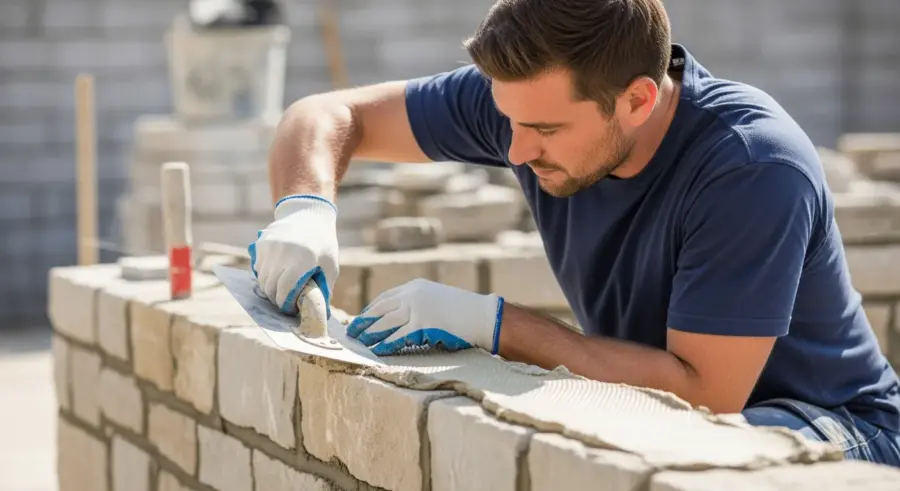
Choosing the right grout for stone work is a critical decision that can significantly impact the longevity and appearance of your project. The grout acts as a binding agent, filling the spaces between the stones and preventing water infiltration and structural damage.
Selecting the appropriate grout type is essential for ensuring the long-term stability and aesthetic appeal of your stone masonry. This article will guide you through the various grout options available, helping you make an informed decision for your specific needs.
We will cover everything from understanding the different types of grout to color matching and proper application techniques. By understanding these factors, you can ensure that your stone work not only looks beautiful but also stands the test of time.
Understanding Grout Types
Grout comes in several different types, each with its own unique properties and applications. Understanding these differences is essential for selecting the right grout for your stone project.
The three main types of grout are sanded, unsanded, and epoxy grout. Each type offers different advantages and disadvantages, making them suitable for specific applications and environments.
Sanded grout is ideal for wider grout lines, while unsanded grout is better suited for narrow joints to prevent scratching. Epoxy grout, on the other hand, offers superior strength and resistance to stains and chemicals, making it a popular choice for high-traffic areas.
Consider the specific requirements of your stone work project when deciding which grout type to use. Factors such as joint width, exposure to moisture, and desired aesthetic should all play a role in your decision.
Beyond the basic types, there are also variations within each category, such as polymer-modified grouts. These modifications can enhance the grout’s flexibility, adhesion, and resistance to cracking, making them suitable for demanding applications.
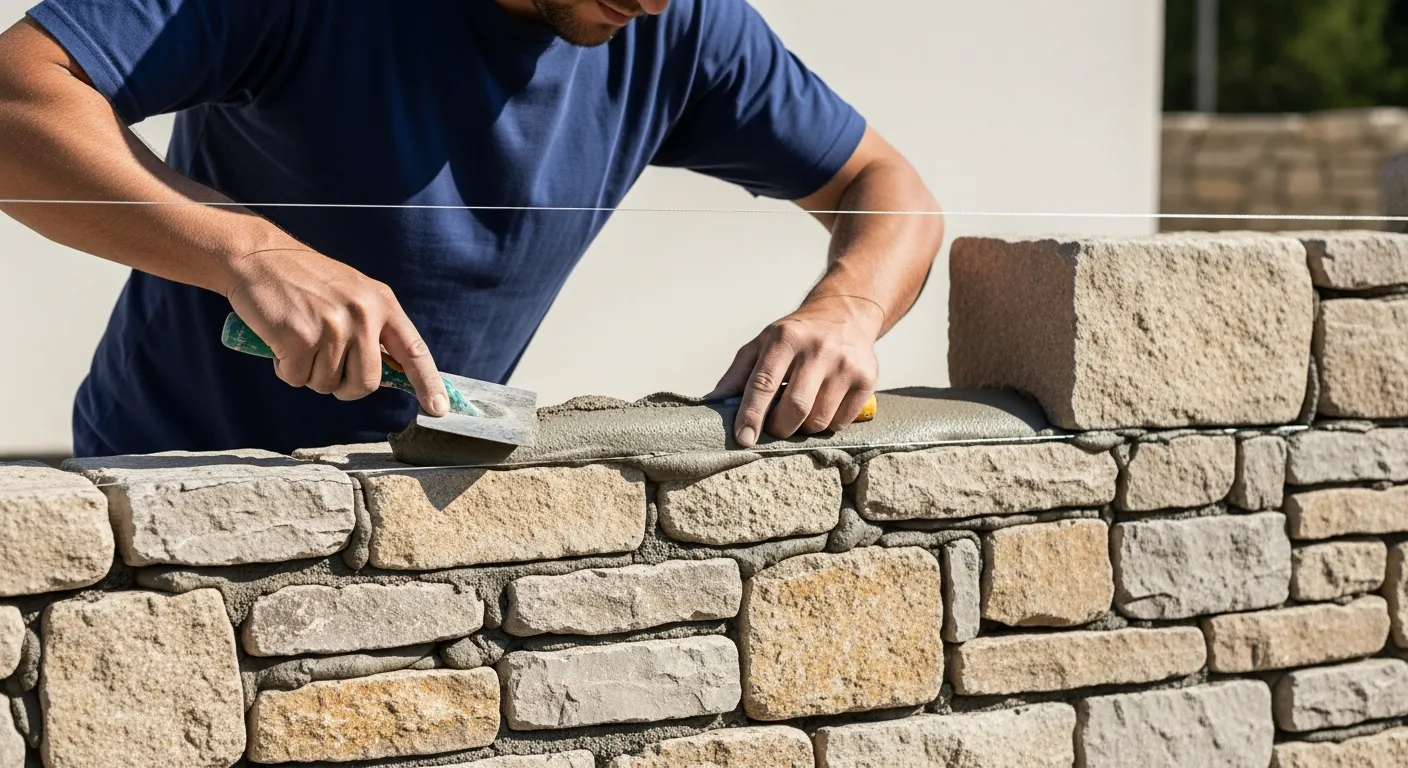
For example, polymer-modified sanded grout is often used in areas subject to movement or vibration, such as floors and countertops. The added polymers help the grout withstand these stresses without cracking or crumbling.
It’s also important to consider the specific type of stone you’re working with when selecting a grout. Some stones are more porous than others and may require a grout that is less likely to stain or discolor them.
Always read the manufacturer’s instructions carefully before using any type of grout. Proper mixing and application are essential for achieving the desired results and ensuring the longevity of your stone work.
Furthermore, consider the climate and environmental conditions of your project location. In areas with extreme temperatures or high humidity, certain types of grout may perform better than others.
For instance, epoxy grout is particularly well-suited for environments with high moisture levels, as it is virtually waterproof. This makes it an ideal choice for bathrooms, showers, and outdoor applications.
In contrast, cement-based grouts may be more susceptible to water damage and staining in humid environments. Proper sealing and maintenance are crucial for preserving the integrity of these grouts in such conditions.
When in doubt, consult with a professional stone mason or tile installer to get expert advice on the best grout type for your specific project. Their experience and knowledge can help you avoid costly mistakes and ensure a successful outcome.
Sanded vs. Unsanded Grout
One of the primary distinctions in grout selection is whether to use sanded or unsanded grout. The choice between these two options depends largely on the width of the grout joint.
Sanded grout contains fine sand particles that provide added strength and prevent cracking in wider grout lines. It’s generally recommended for grout lines that are 1/8 inch wide or greater.
Unsanded grout, also known as non-sanded grout, is a smoother mixture without any added aggregates. This type of grout is best suited for narrow grout lines, typically less than 1/8 inch wide, where the sand in sanded grout could cause scratching or an uneven finish.
Using sanded grout in narrow joints can lead to a rough, uneven surface and potential damage to the surrounding stone. Conversely, using unsanded grout in wider joints can result in cracking and reduced structural integrity.
The size and type of sand used in sanded grout can also vary, affecting the grout’s texture and performance. Some sanded grouts contain coarser sand, while others use finer sand for a smoother finish.
When working with delicate or polished stone surfaces, it’s particularly important to avoid using sanded grout in narrow joints. The sand particles can easily scratch and dull the finish of these stones.
Unsanded grout is also a better choice for vertical surfaces, as it tends to sag less than sanded grout. This makes it easier to achieve a clean, even grout line on walls and backsplashes.
However, unsanded grout is generally less resistant to cracking than sanded grout, especially in wider joints. The lack of sand particles means that it has less structural support and is more prone to shrinkage.
Therefore, it’s crucial to carefully consider the width of your grout joints before deciding between sanded and unsanded grout. Using the wrong type of grout can lead to aesthetic issues and structural problems down the line.
Another factor to consider is the type of traffic the stone surface will be subjected to. High-traffic areas, such as floors, may benefit from the added strength of sanded grout, even if the grout lines are relatively narrow.
In these cases, a polymer-modified sanded grout can provide the best of both worlds: added strength and flexibility, as well as a smoother finish that is less likely to scratch delicate stone surfaces.
Ultimately, the decision between sanded and unsanded grout depends on a careful assessment of the specific requirements of your project. Consider the joint width, stone type, traffic level, and aesthetic preferences before making your final choice.
Proper installation techniques are also crucial for both sanded and unsanded grout. Follow the manufacturer’s instructions carefully and ensure that the grout is properly mixed and applied to achieve the best results.
Sanded vs. Unsanded Grout: A Detailed Comparison
To further clarify the differences between sanded and unsanded grout, let’s examine their properties and applications in more detail. Understanding these nuances will help you make the best choice for your stone work.
Sanded grout is more cost-effective for larger projects due to the added sand content, which reduces the amount of polymer needed. Unsanded grout, being pure polymer, is generally more expensive per unit.
| Feature | Sanded Grout | Unsanded Grout |
|---|---|---|
| Joint Width | 1/8 inch or greater | Less than 1/8 inch |
| Composition | Contains sand particles | No sand particles |
| Strength | Higher in wider joints | Lower in wider joints |
| Cost | Generally less expensive | Generally more expensive |
| Best Use | Floors, walls with wider joints | Walls, delicate stone surfaces |
Consider the type of stone you’re working with; softer stones may be more prone to scratching from sanded grout. In such cases, unsanded grout is the safer choice to preserve the stone’s surface.
The texture of sanded grout can provide better traction on floors, reducing the risk of slipping. This is especially important in areas that are prone to getting wet, such as bathrooms and kitchens.
Unsanded grout, on the other hand, offers a smoother, more refined appearance, which can be desirable for certain aesthetic styles. It’s often used in high-end installations where a seamless look is preferred.
When choosing between sanded and unsanded grout, also consider the ease of installation and cleanup. Unsanded grout tends to be easier to work with, as it spreads more smoothly and is less likely to leave a gritty residue.
However, sanded grout can be easier to clean in the long run, as the sand particles help to scrub away dirt and grime. This can be a significant advantage in high-traffic areas that are prone to getting dirty.
Another important distinction is the color consistency of the grout. Unsanded grout tends to have more consistent color throughout, while sanded grout may exhibit slight variations due to the presence of sand particles.
If you’re aiming for a perfectly uniform grout color, unsanded grout is the better choice. However, the slight variations in sanded grout can add a subtle, natural texture to the finished surface.
In terms of durability, sanded grout generally holds up better to wear and tear, especially in wider joints. The sand particles provide added strength and prevent the grout from cracking or crumbling over time.
Unsanded grout, while less durable in wider joints, can still provide excellent performance in narrow joints. It’s important to choose the right type of grout for the specific application to ensure long-lasting results.
Ultimately, the choice between sanded and unsanded grout is a trade-off between cost, aesthetics, durability, and ease of installation. Carefully weigh the pros and cons of each option before making your final decision.
Consider consulting with a professional installer to get their expert opinion on the best grout type for your project. They can assess the specific requirements of your installation and recommend the most suitable option.
Epoxy Grout: Strength and Stain Resistance
Epoxy grout is a premium option known for its exceptional durability and resistance to stains, chemicals, and water. Unlike cement-based grouts, epoxy grout is made from epoxy resins and a hardener.
This composition results in a dense, non-porous material that is virtually impervious to liquids and highly resistant to cracking. Epoxy grout is an excellent choice for areas that are frequently exposed to moisture, such as showers, countertops, and swimming pools.
While epoxy grout offers superior performance, it is more challenging to work with than cement-based grouts. It sets quickly and requires careful application to avoid leaving a sticky residue on the stone surface.
Due to its higher cost and more demanding application, epoxy grout is typically reserved for high-end projects or areas where its unique properties are essential. If you need exceptional stain resistance and durability, epoxy grout is worth considering.
One of the key advantages of epoxy grout is its ability to withstand harsh chemicals and cleaning agents. This makes it an ideal choice for commercial kitchens, laboratories, and other environments where spills and stains are common.
Epoxy grout is also highly resistant to mold and mildew growth, making it a popular choice for bathrooms and showers. Its non-porous surface prevents moisture from penetrating, which inhibits the growth of these microorganisms.
Unlike cement-based grouts, epoxy grout does not require sealing. Its inherent water resistance eliminates the need for this additional step, saving time and money in the long run.
However, the fast-setting nature of epoxy grout means that you need to work quickly and efficiently during installation. It’s important to have all your tools and materials prepared in advance and to follow the manufacturer’s instructions carefully.
Proper mixing is also crucial for epoxy grout. The resin and hardener must be thoroughly combined to ensure proper curing and optimal performance. Use a drill with a mixing attachment to achieve a consistent, uniform mixture.
When applying epoxy grout, work in small sections and use a grout float to force the grout into the joints. Be sure to remove any excess grout from the stone surface immediately to prevent it from hardening and becoming difficult to remove.
Use a special epoxy grout sponge and a two-bucket cleaning system to remove the epoxy residue from the stone surface. Rinse the sponge frequently and change the water in the buckets often to prevent the residue from redepositing on the stone.
Despite its higher cost and more demanding application, epoxy grout offers significant long-term benefits in terms of durability, stain resistance, and ease of maintenance. If you’re looking for a grout that will stand the test of time, epoxy grout is an excellent investment.
Consider the specific requirements of your project and consult with a professional installer to determine if epoxy grout is the right choice for you. Their expertise can help you achieve a flawless installation and ensure the longevity of your stone work.
Choosing the Right Grout Color
Selecting the right grout color is an important aspect of stone work that can greatly impact the overall aesthetic. The color of the grout can either blend in with the stone or provide a contrasting effect, depending on your desired look.
When choosing a grout color, consider the color and texture of the stone, as well as the overall design of the space. A grout color that closely matches the stone will create a seamless, uniform appearance, while a contrasting color will emphasize the individual stones and add visual interest.
Lighter grout colors can brighten up a space and make it feel more open, but they are also more prone to staining. Darker grout colors, on the other hand, can hide dirt and stains more effectively, but they may also make a space feel smaller and more enclosed.
Ultimately, the best grout color is a matter of personal preference and the specific design goals of your project. It’s always a good idea to test a small area with different grout colors before committing to a final decision.
Consider the overall style of your space when selecting a grout color. For a modern, minimalist look, opt for a grout color that closely matches the stone. This will create a clean, seamless appearance that complements the contemporary aesthetic.
For a more traditional or rustic look, consider using a contrasting grout color. This will highlight the individual stones and add a touch of character to the space. Earthy tones, such as browns and beiges, work well with natural stone.
Think about the lighting in the space when choosing a grout color. Lighter grout colors can brighten up a dimly lit room, while darker grout colors can create a more intimate and cozy atmosphere.
Also, consider the size of the stone when selecting a grout color. Smaller stones tend to look better with a grout color that closely matches the stone, while larger stones can handle a more contrasting grout color.
Don’t be afraid to experiment with different grout colors to see what looks best with your stone. Purchase small samples of different grout colors and apply them to a small area of your stone work to get a better sense of how they will look in the finished space.
Take photos of the different grout color samples in different lighting conditions to see how they look at different times of day. This will help you make a more informed decision about which grout color to choose.
Consider the maintenance requirements of different grout colors. Lighter grout colors are more prone to staining and may require more frequent cleaning. Darker grout colors are more forgiving and can hide dirt and stains more effectively.
If you’re concerned about staining, consider using a grout sealer to protect your grout from spills and stains. A good quality grout sealer will penetrate the grout and create a barrier against these elements.
Color Matching Grout to Stone
Achieving a cohesive and visually appealing look in your stone work often involves carefully matching the grout color to the stone. This technique can create a seamless appearance that enhances the natural beauty of the stone.
To effectively match grout to stone, start by gathering samples of both the stone and potential grout colors. Compare the samples in different lighting conditions to see how the colors interact.
Consider the undertones of the stone and choose a grout color with similar undertones. For example, if the stone has warm, earthy undertones, select a grout color with similar warm hues.
If you’re unsure about which grout color to choose, opt for a neutral shade that complements the stone without overpowering it. Gray, beige, and off-white are versatile options that work well with a variety of stone types.
When matching grout to stone, consider the overall pattern and variation in the stone. If the stone has a lot of color variation, it may be best to choose a grout color that blends in with the dominant color in the stone.
If the stone has a more uniform color, you can be more adventurous with your grout color choice. A slightly contrasting grout color can add visual interest and highlight the individual stones.
Take into account the texture of the stone when matching grout colors. Rougher, more textured stones can handle a grout color that is slightly darker than the stone, while smoother stones may look better with a grout color that is lighter or more closely matched to the stone.
Consider the size of the grout joints when matching grout to stone. Narrow grout joints tend to look better with a grout color that closely matches the stone, while wider grout joints can handle a more contrasting grout color.
Use a color wheel to help you identify complementary colors that will enhance the beauty of your stone. Complementary colors are colors that are opposite each other on the color wheel, such as blue and orange or green and red.
If you’re working with a stone that has a lot of different colors in it, consider using a grout color that picks up on one of the accent colors in the stone. This can help to tie the whole look together.
Don’t be afraid to consult with a professional designer or stone mason for help with color matching. They can offer valuable insights and suggestions based on their experience and expertise.
Remember that the goal of color matching is to create a cohesive and visually appealing look that enhances the beauty of your stone work. Take your time and carefully consider all of the factors involved before making your final decision.
Essential Tools for Grouting
Proper grout application requires the right tools to ensure a professional and long-lasting result. Having these tools on hand will make the job easier and more efficient.
These tools include a grout float, a grout sponge, a mixing bucket, and a margin trowel. Safety glasses and gloves are also essential for protecting yourself during the grouting process.
A grout float is used to spread the grout evenly across the stone surface and into the joints. A high-quality grout sponge is necessary for cleaning excess grout and creating a smooth finish.
A mixing bucket is used to prepare the grout to the correct consistency, and a margin trowel helps with precise application in corners and tight spaces. Investing in quality tools will pay off in the form of a better-looking and more durable finished product.
In addition to the basic tools, consider investing in a grout saw or grout removal tool for removing old or damaged grout. This will make it easier to prepare the surface for new grout and ensure a clean, professional finish.
A grout brush can be helpful for scrubbing grout lines and removing stubborn stains. Choose a brush with stiff bristles that can effectively clean the grout without damaging the surrounding stone.
A notched trowel is essential for applying thin-set mortar when installing stone tiles. The notches help to create a uniform layer of mortar and ensure proper adhesion between the tile and the substrate.
A level is crucial for ensuring that your stone tiles are installed evenly and without any lippage. Use a level to check the alignment of the tiles as you install them and make any necessary adjustments.
Spacers are helpful for maintaining consistent grout lines between tiles. Choose spacers that are the appropriate size for your desired grout joint width.
A wet saw is essential for cutting stone tiles to the correct size and shape. Choose a wet saw with a diamond blade that is specifically designed for cutting stone.
A grinder with a diamond polishing pad can be used to smooth and polish the edges of stone tiles. This will create a more professional and finished look.
A vacuum cleaner is helpful for cleaning up dust and debris after cutting or grinding stone tiles. Use a vacuum cleaner with a HEPA filter to prevent the spread of dust particles.
Always wear safety glasses, gloves, and a dust mask when working with stone and grout. These materials can be irritating to the skin, eyes, and lungs.
Applying Grout Properly
Proper grout application is crucial for achieving a professional-looking and long-lasting result. The process involves several key steps, from mixing the grout to cleaning the finished surface.
Start by thoroughly cleaning the stone surface and ensuring that all joints are free of debris. Mix the grout according to the manufacturer’s instructions, adding water gradually until you achieve a smooth, creamy consistency.
- Apply grout in small sections
- Use a grout float at a 45-degree angle
- Ensure joints are fully packed
- Remove excess grout with a damp sponge
- Buff the surface when dry
After applying the grout, use a damp sponge to clean the excess grout from the stone surface, rinsing the sponge frequently. Allow the grout to cure according to the manufacturer’s instructions, typically 24 to 72 hours.
Before applying the grout, dampen the stone surface with a clean sponge. This will help to prevent the grout from drying out too quickly and ensure proper adhesion.
When applying the grout, work in small sections and use a grout float to force the grout into the joints. Be sure to pack the joints tightly to prevent voids and ensure a strong, durable grout line.
Use a grout sponge to remove excess grout from the stone surface, rinsing the sponge frequently in clean water. Be careful not to remove too much grout from the joints, as this can weaken the grout line.
After removing the excess grout, use a clean, dry cloth to buff the stone surface and remove any remaining grout haze. This will help to reveal the natural beauty of the stone.
Allow the grout to cure for the recommended time before sealing it. This will allow the grout to fully harden and prevent it from being damaged by the sealer.
When cleaning the grout, avoid using harsh chemicals or abrasive cleaners. These can damage the grout and cause it to discolor or crumble.
Instead, use a mild detergent and water to clean the grout. For stubborn stains, you can try using a grout-specific cleaner or a mixture of baking soda and water.
Inspect the grout lines regularly for cracks or damage. If you find any cracks or damage, repair them promptly to prevent further deterioration.
Reapply grout sealer as needed to maintain its protective barrier against moisture and stains. This will help to extend the life of your grout and keep it looking its best.
Sealing Grout for Added Protection
Sealing grout is an important step in protecting it from stains, moisture, and wear. A good quality grout sealer will penetrate the grout and create a barrier against these elements.
Choose a sealer that is specifically designed for grout and follow the manufacturer’s instructions for application. Apply the sealer evenly across the grout lines, using a brush or applicator pad.
Allow the sealer to penetrate for the recommended time, then wipe away any excess with a clean cloth. Sealing grout not only protects it from stains and moisture but also makes it easier to clean and maintain.
Regularly resealing your grout, typically every one to two years, will help to extend its lifespan and keep it looking its best. This simple maintenance task can prevent costly repairs and replacements down the road.
Before applying the grout sealer, make sure the grout is clean and dry. Any dirt, dust, or moisture can prevent the sealer from properly penetrating the grout and providing adequate protection.
Choose a grout sealer that is appropriate for the type of grout you have. Some sealers are designed for cement-based grouts, while others are designed for epoxy grouts. Using the wrong type of sealer can damage the grout.
Apply the grout sealer in thin, even coats. Avoid applying too much sealer at once, as this can cause it to pool on the surface and create a sticky residue.
Use a grout brush or applicator pad to work the sealer into the grout lines. This will help to ensure that the sealer penetrates the grout and provides maximum protection.
Allow the sealer to dry completely before using the surface. This will allow the sealer to fully cure and provide optimal protection against stains and moisture.
Test the sealer in an inconspicuous area before applying it to the entire surface. This will help you to ensure that the sealer does not discolor or damage the grout.
Consider using a penetrating sealer, which soaks into the grout and creates a barrier from within. This type of sealer is less likely to change the appearance of the grout and provides long-lasting protection.
Reapply grout sealer more frequently in high-traffic areas or areas that are frequently exposed to moisture. This will help to maintain the protective barrier and prevent stains and damage.
Maintaining Grout Integrity
Proper maintenance is essential for preserving the integrity and appearance of your grout over time. Regular cleaning and preventative measures can help to avoid common issues such as staining, cracking, and mold growth.
Clean grout regularly with a mild detergent and water, avoiding harsh chemicals or abrasive cleaners that can damage the surface. For stubborn stains, consider using a grout-specific cleaner or a mixture of baking soda and water.
Inspect grout lines periodically for cracks or damage, and repair any issues promptly to prevent further deterioration. Reapply grout sealer as needed to maintain its protective barrier against moisture and stains.
By following these simple maintenance tips, you can ensure that your grout remains in good condition for years to come. This proactive approach will save you time and money in the long run.
Establish a regular cleaning schedule to prevent dirt and grime from building up on the grout surface. This will make it easier to remove stains and maintain the grout’s appearance.
Use a grout brush to scrub the grout lines and remove any stubborn dirt or stains. Choose a brush with stiff bristles that can effectively clean the grout without damaging the surrounding stone.
Consider using a steam cleaner to clean the grout. Steam cleaning is a safe and effective way to remove dirt, grime, and mold from grout without using harsh chemicals.
Avoid using acidic cleaners, such as vinegar or lemon juice, on grout. These cleaners can damage the grout and cause it to discolor or crumble.
If you notice any cracks or damage in the grout lines, repair them promptly to prevent further deterioration. Use a grout repair kit to fill in the cracks and restore the grout to its original condition.
Consider using a color-enhancing grout sealer to enhance the color of the grout and protect it from stains. This type of sealer can also help to hide minor imperfections in the grout lines.
Ventilate the area well after cleaning or sealing the grout. This will help to prevent the buildup of moisture and mold growth.
Place mats or rugs in high-traffic areas to protect the grout from wear and tear. This will help to extend the life of the grout and keep it looking its best.
Conclusion
Choosing the right grout for your stone work is a crucial decision that requires careful consideration of various factors. Understanding the different types of grout, color options, and application techniques will help you achieve a beautiful and long-lasting result.
Whether you opt for sanded, unsanded, or epoxy grout, proper application and maintenance are essential for preserving the integrity of your stone work. By following the guidelines outlined in this article, you can ensure that your project stands the test of time and continues to enhance the beauty of your space.