
Conclusion
Protecting natural stone surfaces with the appropriate sealer is essential for preserving their beauty and longevity. By understanding the different types of sealers available and following the proper application and maintenance techniques, you can ensure that your stone surfaces remain stunning for years to come.
Remember to choose a sealer specifically designed for your type of stone and always test it in an inconspicuous area first. With a little care and attention, your natural stone surfaces will continue to enhance the value and appeal of your property.
Investing in the right sealer and taking the time to apply it properly is an investment in the future of your natural stone surfaces. It’s a proactive step that can save you time, money, and frustration in the long run.
Don’t underestimate the importance of regular maintenance. Simple cleaning and preventative measures can go a long way in preserving the beauty and integrity of your sealed stone.
Troubleshooting Common Sealer Problems
Even with careful application, sealer problems can sometimes arise. One common issue is hazing, which is a cloudy or streaky appearance on the surface of the stone.
Hazing can be caused by applying too much sealer, not wiping away excess sealer, or applying sealer to a damp surface. To remove hazing, try using a specialized haze remover or consulting a professional stone restoration expert.
Another potential problem is peeling or flaking sealer. This usually occurs when the sealer is not compatible with the stone or when the surface was not properly prepared before application.
To fix peeling sealer, you may need to strip the old sealer and reapply a new one. Always follow the manufacturer’s instructions carefully to avoid these problems.
Efflorescence, a white, powdery deposit on the surface of the stone, can also occur. This is caused by mineral salts rising to the surface and can be exacerbated by improper sealing.
To remove efflorescence, try scrubbing the area with a stiff brush and a solution of water and vinegar. Rinse the area thoroughly with clean water and allow it to dry completely.
If the efflorescence persists, you may need to consult a stone care professional. Another common problem is discoloration, which can be caused by exposure to sunlight, chemicals, or staining agents.
To prevent discoloration, choose a sealer that is resistant to UV rays and chemicals. Clean spills promptly and avoid using harsh cleaning products.
If discoloration occurs, try using a specialized stain remover. Always test the stain remover in an inconspicuous area before applying it to the entire surface.
Uneven sealer application can also lead to problems. This can result in areas that are more protected than others, leading to an inconsistent appearance.
To avoid uneven application, use a consistent application technique and ensure that you are applying the sealer evenly across the entire surface. If you notice any areas that are not properly sealed, reapply the sealer to those areas.
Conclusion
Protecting natural stone surfaces with the appropriate sealer is essential for preserving their beauty and longevity. By understanding the different types of sealers available and following the proper application and maintenance techniques, you can ensure that your stone surfaces remain stunning for years to come.
Remember to choose a sealer specifically designed for your type of stone and always test it in an inconspicuous area first. With a little care and attention, your natural stone surfaces will continue to enhance the value and appeal of your property.
Investing in the right sealer and taking the time to apply it properly is an investment in the future of your natural stone surfaces. It’s a proactive step that can save you time, money, and frustration in the long run.
Don’t underestimate the importance of regular maintenance. Simple cleaning and preventative measures can go a long way in preserving the beauty and integrity of your sealed stone.
Troubleshooting Common Sealer Problems
Even with careful application, sealer problems can sometimes arise. One common issue is hazing, which is a cloudy or streaky appearance on the surface of the stone.
Hazing can be caused by applying too much sealer, not wiping away excess sealer, or applying sealer to a damp surface. To remove hazing, try using a specialized haze remover or consulting a professional stone restoration expert.
Another potential problem is peeling or flaking sealer. This usually occurs when the sealer is not compatible with the stone or when the surface was not properly prepared before application.
To fix peeling sealer, you may need to strip the old sealer and reapply a new one. Always follow the manufacturer’s instructions carefully to avoid these problems.
Efflorescence, a white, powdery deposit on the surface of the stone, can also occur. This is caused by mineral salts rising to the surface and can be exacerbated by improper sealing.
To remove efflorescence, try scrubbing the area with a stiff brush and a solution of water and vinegar. Rinse the area thoroughly with clean water and allow it to dry completely.
If the efflorescence persists, you may need to consult a stone care professional. Another common problem is discoloration, which can be caused by exposure to sunlight, chemicals, or staining agents.
To prevent discoloration, choose a sealer that is resistant to UV rays and chemicals. Clean spills promptly and avoid using harsh cleaning products.
If discoloration occurs, try using a specialized stain remover. Always test the stain remover in an inconspicuous area before applying it to the entire surface.
Uneven sealer application can also lead to problems. This can result in areas that are more protected than others, leading to an inconsistent appearance.
To avoid uneven application, use a consistent application technique and ensure that you are applying the sealer evenly across the entire surface. If you notice any areas that are not properly sealed, reapply the sealer to those areas.
Conclusion
Protecting natural stone surfaces with the appropriate sealer is essential for preserving their beauty and longevity. By understanding the different types of sealers available and following the proper application and maintenance techniques, you can ensure that your stone surfaces remain stunning for years to come.
Remember to choose a sealer specifically designed for your type of stone and always test it in an inconspicuous area first. With a little care and attention, your natural stone surfaces will continue to enhance the value and appeal of your property.
Investing in the right sealer and taking the time to apply it properly is an investment in the future of your natural stone surfaces. It’s a proactive step that can save you time, money, and frustration in the long run.
Don’t underestimate the importance of regular maintenance. Simple cleaning and preventative measures can go a long way in preserving the beauty and integrity of your sealed stone.
Natural stone surfaces add beauty and value to any property. However, without proper care, these surfaces can be susceptible to staining, etching, and general wear and tear.
That’s where natural stone sealers come in, offering a protective barrier against these potential damages. This guide will explore the different types of natural stone sealers available and how to choose the right one for your specific needs.
We’ll also cover the best practices for applying sealer to ensure maximum protection and longevity. By understanding the importance of sealing and following these guidelines, you can keep your natural stone looking its best for years to come.
The Importance of Sealing Natural Stone
Natural stone is porous, meaning it has tiny holes that allow liquids and other substances to penetrate the surface. This porosity makes it vulnerable to stains from spills like wine, coffee, oil, and even water.
Sealing helps to prevent these substances from being absorbed, keeping your stone looking pristine. Unsealed stone is also more susceptible to etching, which is caused by acidic substances like lemon juice or vinegar.
These substances can react with the minerals in the stone, leaving dull or rough spots on the surface. Regular foot traffic can also wear down the surface of unsealed stone over time, leading to scratches and a faded appearance.
Sealing provides a protective layer that helps to resist abrasion and maintain the stone’s original luster. Investing in natural stone sealers is a proactive way to protect your investment and extend the life of your beautiful stone surfaces.
Beyond the immediate protection from spills and etching, sealing natural stone significantly reduces the long-term maintenance required. Without a sealant, cleaning can become a constant battle against ingrained dirt and stains.
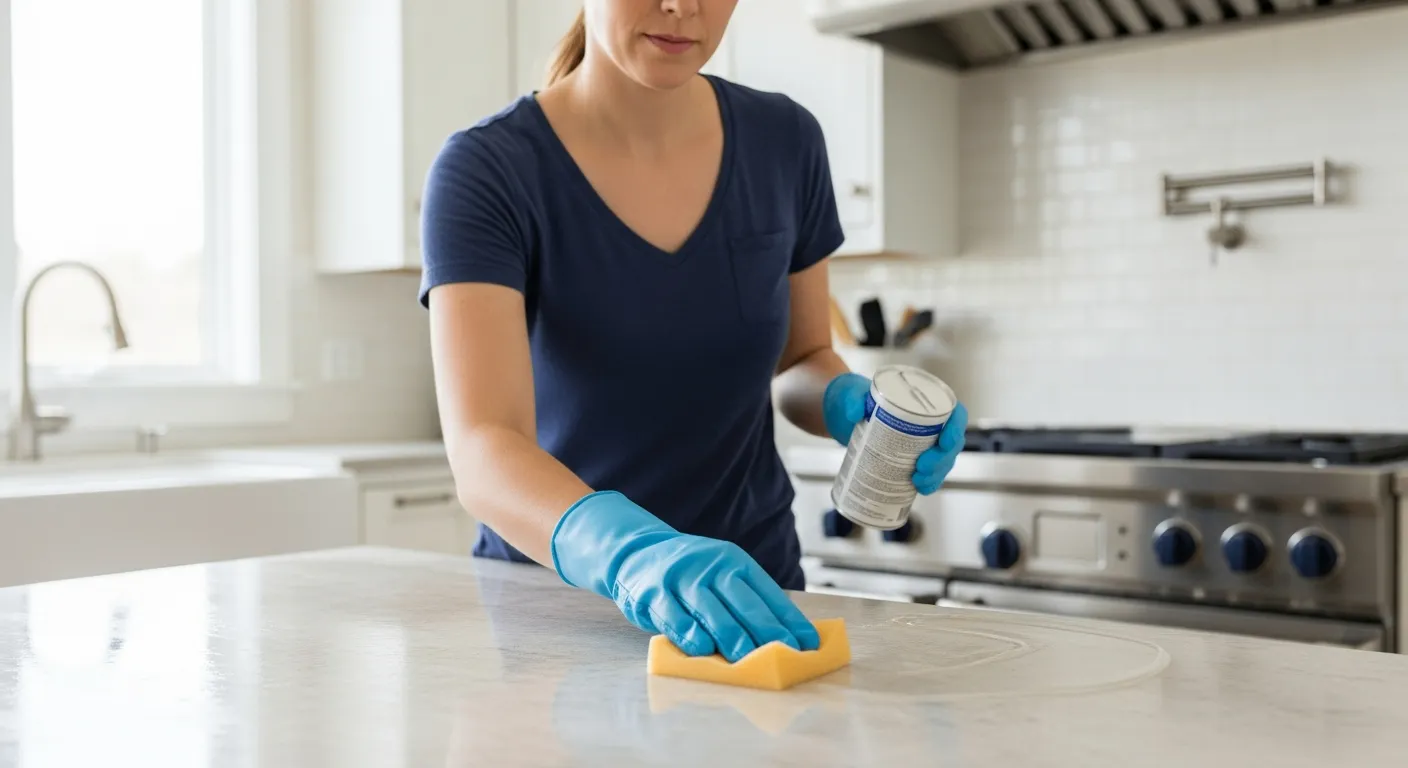
Sealing simplifies cleaning, allowing you to easily wipe away messes without worrying about permanent damage. This is particularly important in high-traffic areas like kitchens and bathrooms, where spills are more likely to occur.
Furthermore, sealing can enhance the natural beauty of the stone. Some sealers are designed to bring out the colors and patterns of the stone, making it even more visually appealing.
This can be especially beneficial for stones with subtle variations in color or texture. By sealing your natural stone, you’re not only protecting it from damage but also enhancing its aesthetic appeal and simplifying its maintenance.
Consider the cost of replacing damaged or stained stone versus the relatively low cost of sealing. Sealing is a cost-effective preventative measure that can save you significant money in the long run.
It also preserves the value of your property, as well-maintained natural stone surfaces are a desirable feature for potential buyers. By taking the time to seal your natural stone, you are making a wise investment in the longevity and beauty of your home.
The type of stone you have also dictates the urgency of sealing. Some stones, like slate, are naturally more resistant to staining than others, such as marble.
However, even relatively resistant stones benefit from sealing, as it provides an extra layer of protection against the elements and daily wear. Understanding the specific properties of your stone is crucial in determining the best course of action for sealing and maintenance.
Understanding Penetrating Sealers
Penetrating sealers, also known as impregnating sealers, work by soaking into the pores of the stone. They create a barrier beneath the surface that repels liquids and prevents staining.
These sealers don’t change the appearance of the stone and allow it to breathe, which is essential for preventing moisture buildup. Because they penetrate the stone, they offer long-lasting protection compared to topical sealers.
Penetrating sealers are an excellent choice for natural stone surfaces that are frequently exposed to moisture, such as kitchen countertops, bathroom floors, and shower walls. They are also ideal for outdoor applications, like patios and walkways, as they can withstand weathering and freeze-thaw cycles.
When selecting a penetrating sealer, look for products that are specifically formulated for natural stone. Some penetrating sealers are designed for specific types of stone, such as granite or marble, so be sure to read the label carefully.
The longevity of a penetrating sealer often depends on the porosity of the stone and the frequency of cleaning. More porous stones may require more frequent resealing to maintain optimal protection.
Regular cleaning with pH-neutral cleaners will also help extend the life of the sealer. Avoid using harsh chemicals or abrasive cleaners, as these can break down the sealer and reduce its effectiveness.
Another advantage of penetrating sealers is their ability to resist damage from UV rays. This makes them an excellent choice for outdoor applications, where the stone is exposed to direct sunlight.
UV rays can cause some sealers to break down or discolor over time, but penetrating sealers are generally more resistant to this type of damage. This helps to maintain the appearance and integrity of the stone for longer.
Consider the environmental impact of the sealer you choose. Look for products that are low-VOC (volatile organic compounds) and water-based, as these are generally safer for the environment and your health.
These types of sealers release fewer harmful chemicals into the air during application and curing. This is especially important if you are sealing stone in an enclosed space or if you have sensitivities to chemicals.
Penetrating sealers are not a one-size-fits-all solution. The specific type of penetrating sealer you choose should be based on the type of stone, its location, and the level of protection you require.
Researching different products and reading reviews can help you make an informed decision. Consulting with a stone care professional can also provide valuable insights and recommendations.
Exploring Topical Sealers
Topical sealers, as the name suggests, form a protective layer on top of the stone’s surface. They provide a barrier against stains, scratches, and wear, but they don’t penetrate the stone like impregnating sealers.
Topical sealers can enhance the appearance of the stone, adding a glossy or matte finish. However, they can also trap moisture and prevent the stone from breathing, which can lead to problems over time.
Topical sealers are generally less durable than penetrating sealers and require more frequent reapplication. They are best suited for low-traffic areas where appearance is a primary concern.
Examples include decorative walls or surfaces that are not exposed to moisture. It’s crucial to choose a topical sealer that is specifically designed for natural stone and compatible with the type of stone you’re sealing.
One of the main drawbacks of topical sealers is their susceptibility to scratching. Because the sealer sits on the surface of the stone, it is more vulnerable to abrasion from foot traffic and other sources.
This can lead to a dull or worn appearance over time. Regular cleaning and maintenance are essential to minimize scratching and extend the life of the sealer.
Another potential issue with topical sealers is their tendency to yellow or discolor over time. This is especially common with sealers that are exposed to sunlight or UV rays.
Choosing a high-quality sealer that is specifically formulated to resist yellowing can help to mitigate this problem. Regular cleaning and maintenance can also help to prevent discoloration.
Topical sealers can also be more difficult to remove than penetrating sealers. If the sealer becomes damaged or worn, it may be necessary to strip it completely before reapplying a new coat.
This can be a time-consuming and labor-intensive process. It’s important to carefully consider the long-term maintenance requirements before choosing a topical sealer.
Despite their drawbacks, topical sealers can be a good choice for certain applications. If you are primarily concerned with enhancing the appearance of the stone and are willing to invest in regular maintenance, a topical sealer may be the right option for you.
Just be sure to choose a high-quality product that is specifically designed for natural stone and compatible with the type of stone you are sealing.
Impregnating Sealers: A Deep Dive
Impregnating sealers, a subset of penetrating sealers, offer a unique approach to stone protection. These sealers are designed to deeply penetrate the stone’s pores, providing long-lasting protection from within.
They don’t alter the stone’s natural appearance or breathability, making them a popular choice for a wide range of applications. Here’s a closer look at the characteristics of impregnating sealers.
| Characteristic | Description | Benefits |
|---|---|---|
| Penetration Depth | Deeply penetrates the stone’s pores | Long-lasting protection from within |
| Appearance | Does not alter the stone’s natural look | Maintains the stone’s original beauty |
| Breathability | Allows the stone to breathe | Prevents moisture buildup and damage |
| Durability | Resistant to weathering and chemicals | Suitable for indoor and outdoor use |
| Application | Easy to apply with a brush, roller, or sprayer | Saves time and effort |
When selecting an impregnating sealer, consider the type of stone you’re sealing and the level of protection you need. Look for sealers that are specifically formulated for natural stone and have a proven track record of performance.
The chemical composition of impregnating sealers varies, with some being water-based and others solvent-based. Water-based sealers are generally considered more environmentally friendly and safer to use.
Solvent-based sealers may offer slightly better penetration and durability, but they also release more harmful VOCs. Consider the trade-offs between performance and environmental impact when making your choice.
The application process for impregnating sealers is relatively straightforward, but it’s important to follow the manufacturer’s instructions carefully. Typically, the sealer is applied to a clean, dry surface using a brush, roller, or sprayer.
The sealer is then allowed to penetrate the stone for a specified amount of time before any excess is wiped away. Proper ventilation is essential during application, especially with solvent-based sealers.
The effectiveness of an impregnating sealer depends on several factors, including the porosity of the stone, the type of sealer used, and the application technique. Some stones may require multiple coats of sealer to achieve optimal protection.
Regular testing can help you determine when it’s time to reapply the sealer. A simple water test involves placing a few drops of water on the sealed surface and observing whether they bead up or soak in.
Impregnating sealers are a valuable tool for protecting natural stone surfaces, but they are not a substitute for regular cleaning and maintenance. Spills should be cleaned up promptly to prevent staining, even on sealed surfaces.
Avoid using harsh chemicals or abrasive cleaners, as these can damage the sealer and the stone. A pH-neutral cleaner specifically designed for natural stone is the best option for routine cleaning.
Choosing the Right Sealer for Your Stone
Selecting the appropriate sealer is paramount to ensuring optimal protection for your natural stone. Different types of stone have varying porosities and react differently to different sealers.
For example, marble and limestone are more porous than granite, requiring a more penetrating sealer. Consider the location of the stone and the type of exposure it will receive.
- Identify the type of stone
- Assess the porosity level
- Consider the location (indoor/outdoor)
- Determine the level of exposure
- Read product labels carefully
Always test the sealer in an inconspicuous area before applying it to the entire surface. This will help you ensure that the sealer is compatible with your stone and provides the desired level of protection.
When identifying the type of stone, be as specific as possible. For example, instead of simply saying “marble,” determine whether it’s Carrara marble, Calacatta marble, or another variety.
Each type of marble has slightly different properties that may affect its response to sealers. Similarly, with granite, knowing the specific type will help you choose the best sealer.
Assessing the porosity level can be done with a simple water test. Place a few drops of water on the stone surface and observe how quickly it is absorbed. If the water is absorbed quickly, the stone is highly porous and requires a more penetrating sealer.
If the water beads up on the surface, the stone is less porous and may be suitable for a topical sealer. However, even less porous stones benefit from a penetrating sealer for long-term protection.
Consider the location of the stone and the type of exposure it will receive. Outdoor stones are exposed to weathering, UV rays, and temperature fluctuations, requiring a more durable and weather-resistant sealer.
Indoor stones are exposed to spills, cleaning products, and foot traffic, requiring a sealer that is resistant to staining and abrasion. The specific needs of the location will influence your choice of sealer.
Read product labels carefully to understand the sealer’s properties and intended use. Look for sealers that are specifically formulated for natural stone and compatible with the type of stone you are sealing.
Pay attention to the sealer’s VOC content, application instructions, and recommended maintenance procedures. A thorough understanding of the product label will help you make an informed decision and ensure proper application.
Applying Sealer for Maximum Protection
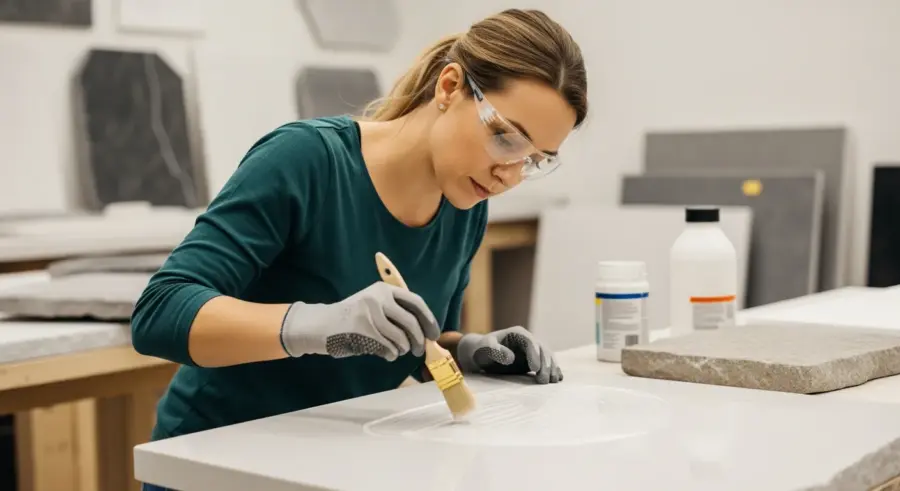
Proper application is just as important as choosing the right sealer. Start by thoroughly cleaning the stone surface to remove any dirt, debris, or existing sealers.
Use a pH-neutral cleaner specifically designed for natural stone. Rinse the surface thoroughly and allow it to dry completely before applying the sealer.
Follow the manufacturer’s instructions for application, using a brush, roller, or sprayer to apply an even coat of sealer. Avoid applying too much sealer, as this can leave a sticky residue on the surface.
Allow the sealer to penetrate the stone for the recommended amount of time, then wipe away any excess with a clean cloth. Apply a second coat of sealer if necessary, following the same procedure.
Before cleaning the stone, protect surrounding areas with drop cloths or plastic sheeting. This will prevent the cleaner from damaging nearby surfaces.
Pay special attention to corners and edges, where dirt and debris tend to accumulate. Use a soft brush or sponge to scrub these areas thoroughly.
When rinsing the stone, use clean water and ensure that all traces of the cleaner are removed. Residue from the cleaner can interfere with the sealer’s ability to bond to the stone.
Allow the stone to dry completely before applying the sealer. Moisture trapped beneath the sealer can lead to problems such as hazing or peeling.
Use a moisture meter to ensure that the stone is completely dry before proceeding. Apply the sealer in a well-ventilated area to allow for proper curing.
When applying the sealer, work in small sections to ensure even coverage. Overlapping strokes can help to prevent streaks or blotches.
Pay attention to the sealer’s penetration time and wipe away any excess promptly. Allowing the sealer to dry on the surface can result in a sticky or hazy residue.
Maintaining Your Sealed Stone
Once your natural stone is sealed, regular maintenance is crucial to prolonging its protection. Clean spills immediately with a pH-neutral cleaner and a soft cloth.
Avoid using harsh chemicals, abrasive cleaners, or scouring pads, as these can damage the sealer and the stone. Sweep or vacuum regularly to remove dirt and debris that can scratch the surface.
Consider placing mats or rugs in high-traffic areas to minimize wear and tear. Depending on the type of sealer used and the level of traffic, you may need to reapply the sealer every one to three years.
Consult the manufacturer’s instructions for reapplication guidelines. By following these simple maintenance tips, you can keep your sealed stone looking beautiful for years to come.
For daily cleaning, a simple solution of warm water and a mild dish soap can be effective. Avoid using soaps that contain harsh chemicals or abrasives.
When cleaning spills, blot the area immediately with a clean, dry cloth. Avoid rubbing, as this can spread the stain and make it more difficult to remove.
For stubborn stains, try using a poultice made from baking soda and water. Apply the poultice to the stain, cover it with plastic wrap, and let it sit overnight.
The baking soda will draw the stain out of the stone. Rinse the area thoroughly with clean water and dry it with a soft cloth.
When sweeping or vacuuming, use a soft brush attachment to avoid scratching the surface. Pay attention to grout lines, where dirt and debris tend to accumulate.
Consider using a grout brush to clean these areas. Regularly inspect your sealed stone for signs of wear or damage. Look for scratches, stains, or areas where the sealer is peeling or flaking.
Addressing these issues promptly can prevent further damage and extend the life of your sealed stone. If you notice any problems, consult with a stone care professional for advice.
Troubleshooting Common Sealer Problems
Even with careful application, sealer problems can sometimes arise. One common issue is hazing, which is a cloudy or streaky appearance on the surface of the stone.
Hazing can be caused by applying too much sealer, not wiping away excess sealer, or applying sealer to a damp surface. To remove hazing, try using a specialized haze remover or consulting a professional stone restoration expert.
Another potential problem is peeling or flaking sealer. This usually occurs when the sealer is not compatible with the stone or when the surface was not properly prepared before application.
To fix peeling sealer, you may need to strip the old sealer and reapply a new one. Always follow the manufacturer’s instructions carefully to avoid these problems.
Efflorescence, a white, powdery deposit on the surface of the stone, can also occur. This is caused by mineral salts rising to the surface and can be exacerbated by improper sealing.
To remove efflorescence, try scrubbing the area with a stiff brush and a solution of water and vinegar. Rinse the area thoroughly with clean water and allow it to dry completely.
If the efflorescence persists, you may need to consult a stone care professional. Another common problem is discoloration, which can be caused by exposure to sunlight, chemicals, or staining agents.
To prevent discoloration, choose a sealer that is resistant to UV rays and chemicals. Clean spills promptly and avoid using harsh cleaning products.
If discoloration occurs, try using a specialized stain remover. Always test the stain remover in an inconspicuous area before applying it to the entire surface.
Uneven sealer application can also lead to problems. This can result in areas that are more protected than others, leading to an inconsistent appearance.
To avoid uneven application, use a consistent application technique and ensure that you are applying the sealer evenly across the entire surface. If you notice any areas that are not properly sealed, reapply the sealer to those areas.
Conclusion
Protecting natural stone surfaces with the appropriate sealer is essential for preserving their beauty and longevity. By understanding the different types of sealers available and following the proper application and maintenance techniques, you can ensure that your stone surfaces remain stunning for years to come.
Remember to choose a sealer specifically designed for your type of stone and always test it in an inconspicuous area first. With a little care and attention, your natural stone surfaces will continue to enhance the value and appeal of your property.
Investing in the right sealer and taking the time to apply it properly is an investment in the future of your natural stone surfaces. It’s a proactive step that can save you time, money, and frustration in the long run.
Don’t underestimate the importance of regular maintenance. Simple cleaning and preventative measures can go a long way in preserving the beauty and integrity of your sealed stone.