

Creating a beautiful and functional outdoor space often involves the careful selection of stone. Choosing Stone for Landscaping is a big decision. The right stone can add texture, color, and durability to your project, transforming your yard into a stunning oasis.
However, with so many options available, it can be overwhelming to know where to start. This guide will walk you through the process of selecting the perfect stone for your landscaping needs, ensuring a successful and long-lasting result.
We’ll cover everything from understanding different stone types to calculating the amount you need. We will also discuss how to source quality materials.
Understanding Different Types of Landscaping Stone
When it comes to Choosing Stone for Landscaping, you’ll quickly realize there’s a wide array of options. Each type of stone has its unique characteristics, making it suitable for different applications and design styles.
Let’s take a closer look at some of the most popular landscape stone types. This will help you narrow down your choices based on your specific needs and preferences.
Flagstone is a classic choice, known for its flat, irregular shapes and natural cleft texture. It’s commonly used for patios, walkways, and stepping stones, adding a touch of rustic elegance to any outdoor space.
Gravel is another versatile option, available in various sizes, colors, and textures. It’s often used for pathways, driveways, and as a decorative ground cover, providing excellent drainage and weed control.
River rock, with its smooth, rounded edges, is perfect for creating natural-looking water features, garden borders, and dry creek beds. Its calming aesthetic adds a touch of serenity to any landscape.
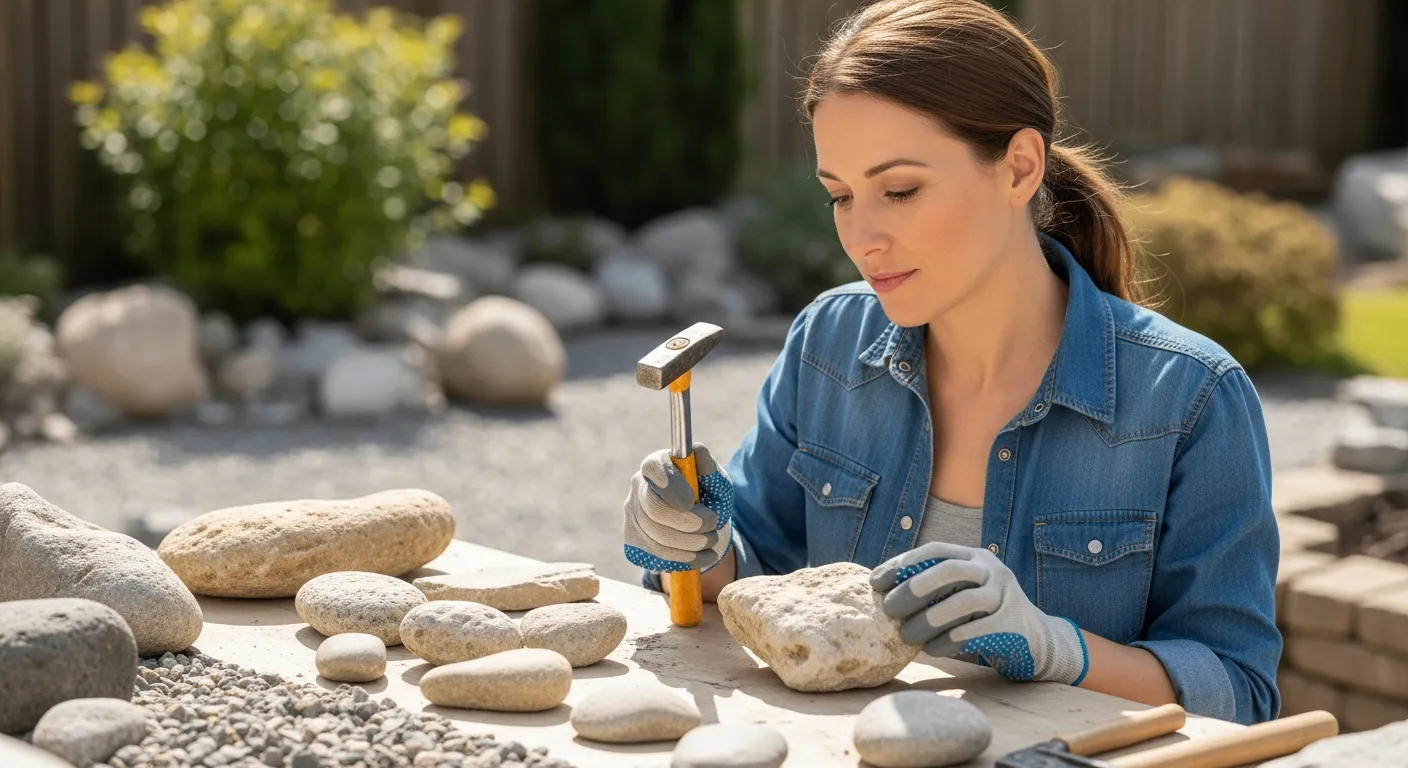
Finally, consider boulders for making a big impact. Boulders are large, natural stones that can be used as focal points, retaining walls, or natural seating areas, adding a sense of drama and grandeur to your landscape.
Beyond these common types, you might also encounter options like crushed granite, lava rock, or even recycled materials like crushed concrete. Each offers a different look and feel. Consider the long-term impact of your choice on the environment.
The type of stone you select will also influence the overall cost of your project. Some stones are more readily available and therefore more affordable. Others are rarer and require more specialized sourcing, increasing their price.
Think about the ease of installation as well. Some stones are easier to work with than others, potentially reducing labor costs if you’re hiring a professional. Flagstone, for example, often requires more skill to lay properly than gravel.
Don’t forget to consider the local availability of different stone types. Sourcing stone locally can reduce transportation costs and support local businesses. It can also ensure that the stone is well-suited to the local climate.
Ultimately, the best type of landscaping stone for your project will depend on a combination of factors. These include your budget, design preferences, functional needs, and environmental considerations. Taking the time to research your options will pay off in the long run.
Consider visiting local stone yards to see and feel the different options in person. This will give you a better sense of their texture, color, and overall appearance. Many suppliers will also offer samples that you can take home to see how they look in your landscape.
Considering Your Project’s Style and Function
Before you make any decisions about Choosing Stone for Landscaping, it’s essential to consider the overall style and function of your project. Think about the existing architecture of your home and the surrounding landscape.
Do you want to create a formal, structured garden or a more natural, relaxed setting? The style of your project will heavily influence the type of stone you choose.
For a formal garden, consider using precisely cut pavers or flagstone with clean lines. These materials create a sense of order and sophistication.
If you’re aiming for a more natural look, opt for irregular flagstone, river rock, or boulders. These options blend seamlessly with the environment.
Also, consider the function of the space you’re creating. Will the stone be used for a high-traffic area like a walkway or patio? If so, you’ll need a durable, slip-resistant material that can withstand wear and tear.
For purely decorative purposes, you can be more flexible with your choices, focusing on aesthetics and texture.
Consider the scale of your project as well. Large areas might benefit from using larger stones or a more uniform material. Smaller spaces might look better with smaller, more detailed stones.
Think about the maintenance requirements of different stone types. Some stones require more frequent cleaning or sealing than others. Choose a stone that fits your lifestyle and willingness to maintain it.
Also, consider the accessibility of the area where you’ll be using the stone. If you’re creating a pathway through a wooded area, you’ll need a stone that’s easy to transport and install. River rock or gravel might be good choices.
If you’re building a retaining wall, you’ll need a stone that’s strong and stable enough to support the weight of the soil behind it. Boulders or large blocks of granite might be appropriate.
Don’t forget to consider the safety of the stone, especially if you have children or pets. Avoid stones with sharp edges or loose pieces that could pose a hazard. River rock is a good option for areas where safety is a concern.
Ultimately, the best stone for your project will depend on a careful consideration of both style and function. By thinking about these factors upfront, you can ensure that you choose a stone that’s both beautiful and practical.
Consider how the stone will interact with other elements in your landscape, such as plants, water features, and lighting. The right stone can enhance the beauty of these elements and create a cohesive and harmonious outdoor space.
Evaluating Stone Durability and Weather Resistance
The durability and weather resistance of your landscaping stone are crucial factors to consider, especially if you live in an area with harsh climate conditions. Different types of stone react differently to exposure to sun, rain, snow, and freeze-thaw cycles.
Choosing Stone for Landscaping means making sure it will withstand the elements and maintain its appearance for years to come is important.
| Stone Type | Durability | Weather Resistance | Best Use |
|---|---|---|---|
| Granite | Very High | Excellent | Patios, walkways, retaining walls |
| Limestone | Medium to High | Good (can be porous) | Patios, garden borders, decorative accents |
| Sandstone | Medium | Fair (can be susceptible to erosion) | Walkways, stepping stones, garden features |
| Slate | High | Excellent | Patios, walkways, roofing |
| Quartzite | Very High | Excellent | Patios, walkways, retaining walls |
| Fieldstone | High | Good | Walls, borders, accents |
Granite and quartzite are among the most durable options, known for their resistance to scratching, staining, and weathering. Slate is another excellent choice, particularly for areas that experience frequent rain or snow.
Limestone and sandstone, while beautiful, can be more porous and susceptible to damage from moisture and freeze-thaw cycles. Be sure to seal them properly and choose them for appropriate applications.
Consider the porosity of the stone. Porous stones absorb water, which can lead to cracking and crumbling in freezing temperatures. Non-porous stones are more resistant to these types of damage.
Think about the colorfastness of the stone. Some stones fade or change color over time when exposed to sunlight. Choose stones that are known for their color retention, or consider using a sealant to protect them from UV damage.
Also, consider the impact of salt and other chemicals on the stone. If you live in an area where salt is used to de-ice roads and walkways, choose stones that are resistant to salt damage. Granite and quartzite are good choices.
If you’re using stone near a swimming pool or other water feature, choose stones that are resistant to chlorine and other chemicals. Some stones can be damaged by prolonged exposure to these substances.
Consider the long-term maintenance requirements of the stone. Some stones require more frequent cleaning and sealing than others. Choose stones that are easy to maintain and that will retain their beauty for years to come.
Talk to your stone supplier about the specific properties of the stone you’re considering. They can provide valuable information about its durability, weather resistance, and maintenance requirements. They may also be able to recommend sealants or other products that can help protect the stone from damage.
Matching Stone Colors to Your Landscape
The color of your landscaping stone can significantly impact the overall aesthetic of your outdoor space. When Choosing Stone for Landscaping, it’s important to consider the existing color palette of your home, garden, and surrounding environment.
Think about how different colors will complement or contrast with your existing features.
If your home has warm tones, such as beige or brown, consider using stones with similar hues, like sandstone or brown flagstone. These colors will create a cohesive and harmonious look.
For homes with cooler tones, like gray or blue, opt for stones with complementary colors, such as gray slate or blue-gray gravel. These choices will enhance the cool, calming atmosphere.
You can also use contrasting colors to create visual interest and drama. For example, pairing dark gray stone with bright green foliage can create a striking contrast that draws the eye.
However, be careful not to overdo it with too many different colors, as this can create a cluttered and overwhelming look. Stick to a limited palette of complementary or contrasting colors for the best results.
Consider the color of your soil as well. If you have dark soil, lighter-colored stones can provide a nice contrast. If you have light soil, darker-colored stones can help to ground the landscape.
Think about the colors of your flowers and other plants. Choose stones that will complement the colors of your plants and create a harmonious overall look. You might want to use a color wheel to help you choose complementary colors.
Also, consider the time of day when you’ll be viewing the stone. The color of the stone can look different in different lighting conditions. Choose stones that look good in both sunlight and shade.
If you’re using stone for a pathway, consider using a lighter-colored stone to make the pathway more visible at night. This can help to prevent accidents.
Don’t be afraid to experiment with different colors and combinations. Try laying out different stones next to each other to see how they look together. You can also take photos of different stone combinations and compare them later.
Remember that the color of the stone can change over time due to weathering and exposure to the elements. Choose stones that are known for their color retention, or consider using a sealant to protect them from fading.
Consider the psychological effect of different colors. Warm colors like red and orange can create a sense of energy and excitement. Cool colors like blue and green can create a sense of calm and relaxation. Choose colors that will create the desired mood in your outdoor space.
Considering Texture and Pattern for Visual Appeal
Beyond color, the texture and pattern of your landscaping stone play a significant role in its visual appeal. Different textures can create different effects, from rustic and natural to sleek and modern.
Choosing Stone for Landscaping requires that you understand how texture contributes to the overall look.
Rough, uneven textures, like those found in natural cleft flagstone or river rock, add a sense of ruggedness and authenticity to your landscape. These textures are perfect for creating a natural, informal look.
Smooth, polished textures, like those found in honed granite or slate, create a more refined and contemporary feel. These textures are ideal for modern patios, walkways, and water features.
The pattern of your stone can also add visual interest. Consider using a variety of stone sizes and shapes to create a unique and dynamic design.
For example, you can create a mosaic pattern with different colored flagstones or arrange river rocks in a flowing, organic design.
Consider the scale of the texture in relation to the size of your landscape. Large, bold textures can be overwhelming in small spaces. Smaller, more subtle textures can get lost in large spaces.
Think about how the texture of the stone will interact with the texture of other elements in your landscape, such as plants, mulch, and wood. Create a balance of textures to add visual interest without creating a cluttered look.
Also, consider the tactile experience of the stone. Will people be walking on it, sitting on it, or touching it? Choose stones that are comfortable to the touch and that won’t be too hot or cold to the touch in extreme weather conditions.
If you’re using stone for a pathway, consider using a stone with a slightly rough texture to provide traction and prevent slipping. Smooth stones can be slippery when wet.
Don’t be afraid to mix and match different textures and patterns to create a unique and personalized look. Just be sure to maintain a cohesive color palette to avoid a jarring effect.
Consider the direction of the pattern. Horizontal patterns can make a space feel wider. Vertical patterns can make a space feel taller. Diagonal patterns can add a sense of movement and energy.
Think about the shadows that the texture and pattern of the stone will create. The shadows can add depth and dimension to your landscape, especially in the late afternoon or early morning.
Calculating the Amount of Stone Needed
Accurately calculating the amount of stone needed for your landscaping project is essential to avoid wasting money and time. Underestimating can lead to project delays, while overestimating can leave you with excess materials.
Here’s a simple guide to help you determine the right amount of stone for your needs.
- Measure the area you want to cover: Length x Width = Area
- Determine the desired depth of the stone layer
- Convert all measurements to the same units (feet or inches)
- Calculate the volume of stone needed: Area x Depth = Volume
- Consider adding 5-10% extra for waste and compaction
For example, if you’re covering a 10ft x 10ft area with gravel at a depth of 3 inches, you’ll need 10ft x 10ft x 0.25ft = 25 cubic feet of gravel. Don’t forget to add extra for waste.
It’s also a good idea to consult with your stone supplier, as they can provide more specific guidance based on the type of stone you’re using and its density.
When calculating the amount of stone for a pathway, be sure to measure the width of the pathway at several points. The width may vary depending on the design of the pathway. Use the average width in your calculations.
If you’re using stone for a retaining wall, you’ll need to calculate the volume of stone needed for the wall itself, as well as the volume of stone needed for the base and backfill. Consult with a professional engineer or contractor to ensure that the wall is properly designed and constructed.
When calculating the amount of stone for a water feature, be sure to consider the volume of the water feature itself, as well as the volume of any surrounding areas that you want to cover with stone. You may also need to add extra stone for drainage and filtration.
For irregular shapes, you can divide the area into smaller, more regular shapes and calculate the area of each shape separately. Then, add the areas together to get the total area. You can also use online area calculators to help you with this process.
When ordering stone, be sure to specify the unit of measurement that you’re using. Stone is typically sold by the cubic yard, cubic foot, or ton. Make sure that you’re comparing prices using the same unit of measurement.
It’s always a good idea to order a little extra stone than you think you’ll need. This will help to ensure that you have enough stone to complete your project, even if you make a mistake or encounter unexpected challenges.
Consider the weight of the stone when planning your project. Some stones are very heavy and may require special equipment to move and install. Be sure to factor in the weight of the stone when calculating the cost of your project.
Sourcing Quality Landscaping Stone
The quality of your landscaping stone can significantly impact the longevity and appearance of your project. Sourcing quality materials from reputable suppliers is essential to ensure a successful outcome.
Choosing Stone for Landscaping often comes down to who you buy it from.
Start by researching local stone quarries, landscape supply yards, and home improvement stores. Look for suppliers with a wide selection of stone types, colors, and textures, as well as knowledgeable staff who can answer your questions and provide guidance.
Ask about the origin of the stone and its properties. Find out if it has been tested for durability and weather resistance.
Inspect the stone carefully before purchasing it, looking for any signs of cracks, chips, or other damage. Be sure to check for consistency in color and texture, especially if you’re using the stone for a large area.
Finally, compare prices from different suppliers to ensure you’re getting a fair deal. However, don’t sacrifice quality for price, as cheaper stone may not last as long or look as good as higher-quality options.
Check online reviews and ratings of different stone suppliers. See what other customers have to say about their experiences. Look for suppliers with consistently high ratings and positive reviews.
Ask for references from different stone suppliers. Contact the references and ask about their experiences with the supplier. Find out if they were satisfied with the quality of the stone and the level of service they received.
Visit the supplier’s yard or showroom to see the stone in person. This will give you a better sense of the quality of the stone and the variety of options available. Be sure to ask questions and get advice from the staff.
Ask about the supplier’s return policy. Find out what happens if you’re not satisfied with the stone or if you order too much. Choose a supplier with a fair and reasonable return policy.
Consider the supplier’s delivery options. Find out if they offer delivery to your location and what the delivery fees are. Choose a supplier that offers convenient and affordable delivery options.
Ask about the supplier’s warranty. Find out if they offer a warranty on their stone. Choose a supplier that stands behind their products and offers a warranty against defects and damage.
Consider the supplier’s commitment to sustainability. Choose a supplier that sources their stone from environmentally responsible quarries and that uses sustainable practices in their operations.
Considering Installation and Maintenance
Proper installation and maintenance are crucial for ensuring the longevity and beauty of your landscaping stone. Depending on the type of stone and the application, you may need to hire a professional contractor or tackle the project yourself.
Choosing Stone for Landscaping also means deciding how to install it.
For large projects, such as patios or retaining walls, it’s generally best to hire a professional with experience in stone masonry. They will have the necessary tools, equipment, and expertise to ensure a proper and long-lasting installation.
For smaller projects, such as pathways or garden borders, you may be able to handle the installation yourself with some basic tools and guidance. Be sure to follow proper installation techniques, such as using a level base and proper drainage, to prevent shifting and settling over time.
Regular maintenance is also important for keeping your landscaping stone looking its best. This may include sweeping, washing, and sealing the stone to protect it from stains, dirt, and weathering.
Follow the manufacturer’s recommendations for cleaning and sealing, and address any issues promptly to prevent further damage.
Before installing any stone, be sure to prepare the site properly. This may involve removing existing vegetation, leveling the ground, and adding a layer of gravel or sand for drainage. Proper site preparation is essential for a successful installation.
When installing stone, be sure to use the proper tools and equipment. This may include a shovel, rake, level, tamper, and saw. Using the right tools will make the job easier and ensure a professional-looking result.
After installing stone, be sure to clean it thoroughly. This will remove any dirt, dust, or debris that may have accumulated during the installation process. Use a mild detergent and water to clean the stone.
Regularly inspect your landscaping stone for any signs of damage, such as cracks, chips, or stains. Address any issues promptly to prevent further damage. Small repairs can often be made yourself, but larger repairs may require the help of a professional.
Consider using a sealant to protect your landscaping stone from stains, dirt, and weathering. Sealants can help to prolong the life of your stone and keep it looking its best. Choose a sealant that is specifically designed for use on stone.
Be careful when using de-icing salts on or near your landscaping stone. Some salts can damage stone. Use a salt-free de-icer or avoid using de-icers altogether.
Exploring Stone Landscaping Ideas for Inspiration
Need some inspiration for your landscaping project? There are endless possibilities when it comes to incorporating stone into your outdoor space. Explore different landscape stone types and design ideas to spark your creativity.
Stone landscaping ideas are easy to find online and in magazines.
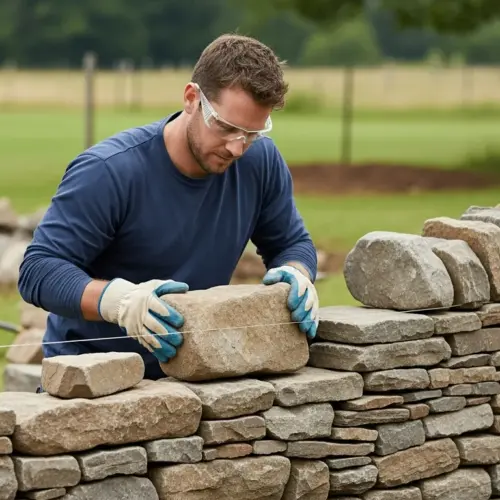
Consider using flagstone to create a winding pathway through your garden, leading to a cozy seating area surrounded by lush foliage. Or, build a dry stack stone wall to add height and texture to your landscape, creating a natural backdrop for your plants.
Create a stunning water feature with river rocks and boulders, adding a soothing sound and visual element to your outdoor space. Use gravel as a low-maintenance ground cover, creating a clean and modern look while suppressing weeds and improving drainage.
Incorporate stone into your garden beds, using it as edging, borders, or even as a decorative mulch. The possibilities are endless, so let your imagination run wild and create a landscape that reflects your personal style and preferences.
Don’t be afraid to mix and match different types of stone to create a unique and dynamic design. Just be sure to maintain a cohesive color palette and texture to avoid a cluttered look.
Consider using stone to create a focal point in your landscape. A large boulder, a stone sculpture, or a unique stone planter can all serve as eye-catching focal points.
Think about using stone to create different levels in your landscape. Stone steps, retaining walls, or raised garden beds can add dimension and interest to your outdoor space.
Use stone to create a natural-looking fire pit or outdoor fireplace. A stone fire pit can be a great gathering place for family and friends.
Consider using stone to create a dry creek bed. A dry creek bed can add a natural and whimsical touch to your landscape.
Use stone to create a rock garden. A rock garden can be a great way to showcase different types of stone and plants.
Think about using stone to create a Zen garden. A Zen garden can be a peaceful and relaxing retreat in your own backyard.
Use stone to create a pathway through a wooded area. A stone pathway can make it easier to access and enjoy your wooded areas.
Conclusion
Choosing the right stone for your landscaping project can transform your outdoor space into a beautiful and functional oasis. By understanding the different types of stone, considering your project’s style and function, and evaluating durability and weather resistance, you can make an informed decision that will last for years to come.
Remember to source quality materials, calculate the amount of stone needed accurately, and follow proper installation and maintenance techniques. With careful planning and execution, you can create a stunning landscape that enhances your home’s curb appeal and provides a relaxing retreat for you and your family to enjoy.
Ultimately, the best landscaping stone is the one that best meets your needs and preferences. Take the time to research your options, consider your budget, and choose a stone that you’ll love for years to come. Your outdoor space will thank you for it.