
Stone structures, particularly those of historical significance, are constantly under threat from environmental factors, weathering, and biological growth. These threats can lead to a gradual breakdown of the stone’s integrity, resulting in cracks, erosion, and loss of detail. Stone consolidation techniques offer a critical solution for preserving these fragile structures, ensuring they endure for future generations.
Effective conservation requires a deep understanding of the materials and methods involved. This article will explore the various stone consolidation techniques, the types of consolidants available, and the best practices for their application, helping to protect our shared cultural heritage.
We will also discuss the importance of proper preparation, monitoring, and safety precautions when working with these materials. By understanding these principles, professionals and enthusiasts alike can contribute to the preservation of historic stone structures using appropriate stone stabilization methods.
Identifying Stone Deterioration and Consolidation Needs
The first step in any conservation project is to accurately assess the condition of the stone. This involves identifying the types of deterioration present, such as cracking, scaling, erosion, or biological growth.
Understanding the causes of this deterioration is equally important, as it informs the selection of the most appropriate conservation treatment. For instance, salt weathering requires a different approach than damage caused by acid rain or freeze-thaw cycles.
A thorough assessment should include visual inspection, photographic documentation, and, if necessary, laboratory analysis of stone samples. These analyses can determine the stone’s composition, porosity, and the presence of harmful substances like salts.
Only with a clear understanding of the stone’s condition and the causes of its deterioration can a conservator make informed decisions about the need for stone consolidation techniques. The goal is always to intervene in a way that is both effective and minimally invasive, preserving as much of the original material as possible.
Visual inspection is often the initial stage, where the conservator meticulously examines the stone surface. They are looking for signs of distress, such as surface loss, discoloration, or structural weaknesses.
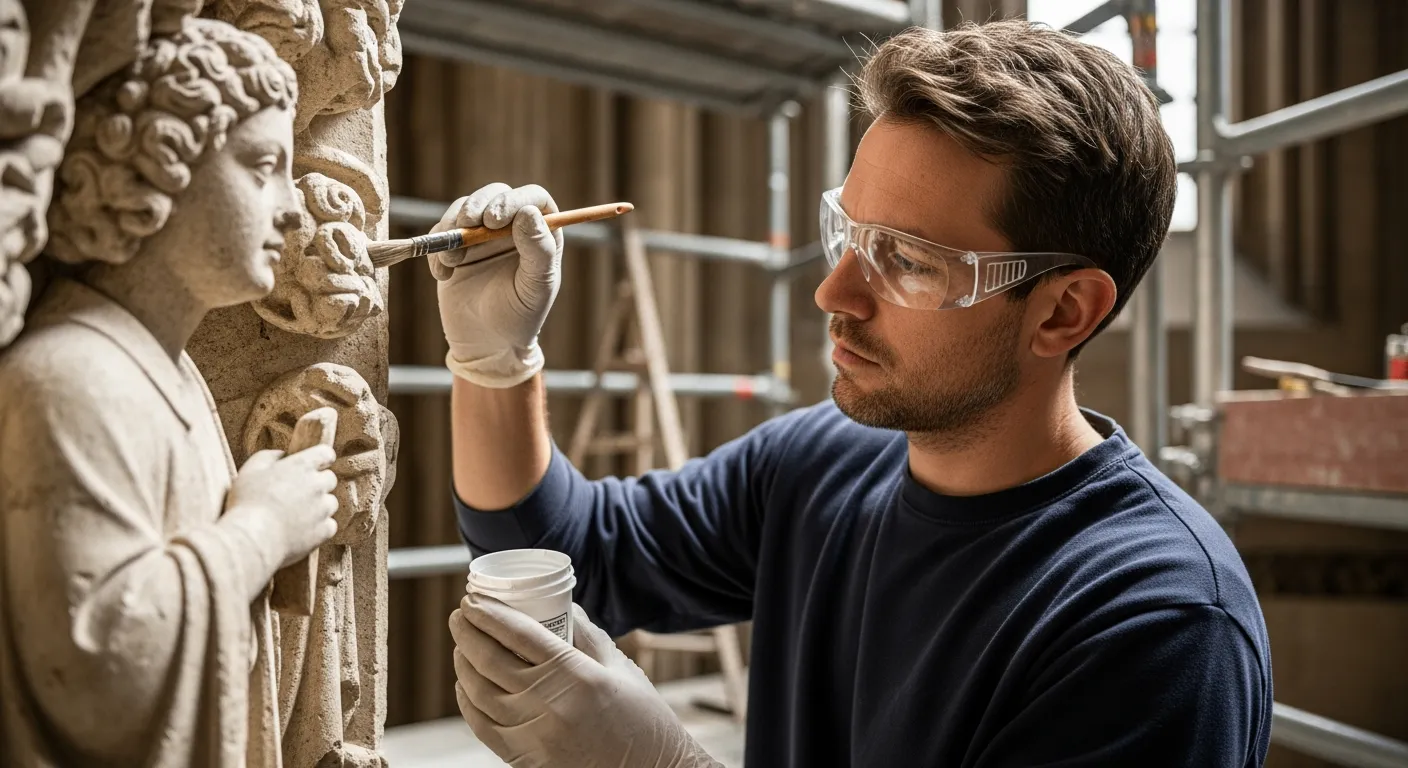
Photographic documentation provides a crucial record of the stone’s condition before, during, and after treatment. This allows for a clear comparison and assessment of the effectiveness of the conservation efforts.
Laboratory analysis can reveal hidden issues, such as the presence of soluble salts migrating within the stone matrix. These salts can crystallize and expand, causing significant damage over time.
The decision to consolidate should be based on a careful evaluation of the potential benefits and risks. Consolidation is not always the answer, and sometimes other treatments, such as cleaning or shelter, may be more appropriate.
It’s also essential to understand the stone’s original construction and any previous repairs. This knowledge can help to avoid incompatible treatments that could exacerbate the deterioration.
The assessment should also consider the surrounding environment and the potential impact of pollution, climate change, and human activity. These factors can all contribute to the deterioration of stone structures and must be addressed in the conservation plan.
Ultimately, the goal is to develop a conservation strategy that is tailored to the specific needs of the stone structure. This strategy should be based on sound scientific principles and ethical considerations, ensuring the long-term preservation of the monument.
Types of Stone Consolidants: A Comparative Analysis
Selecting the right consolidant is crucial for the success of any stone conservation project. There are several types of consolidants available, each with its own advantages and disadvantages.
These include silanes, siloxanes, epoxy resins, and acrylic polymers, among others. The choice of consolidant depends on the type of stone, the nature of the deterioration, and the environmental conditions to which the stone is exposed.
Silanes and siloxanes are popular choices for many types of stone because they are relatively breathable and can penetrate deeply into the stone’s structure. Epoxy resins offer excellent strength but can be less breathable and may alter the stone’s appearance.
Acrylic polymers are often used for their flexibility and resistance to UV degradation, but they may not be as durable as other options. Careful consideration must be given to the long-term effects of each consolidant on the stone’s physical and aesthetic properties.
Silanes are monomeric alkyl-alkoxy-silanes, which react with moisture in the stone to form a silica gel. This gel binds the weakened stone particles together, increasing its strength and durability.
Siloxanes are oligomeric or polymeric materials that also form silica gels upon reaction with moisture. They are often preferred over silanes for their lower volatility and slower reaction rate.
Epoxy resins are thermosetting polymers that provide excellent adhesion and mechanical strength. However, their low breathability can trap moisture within the stone, leading to further deterioration.
Acrylic polymers are thermoplastic resins that offer good flexibility and UV resistance. Their lower durability and potential for discoloration make them less suitable for certain applications.
Other types of consolidants include lime-based materials, which are compatible with many historic stones. Lime-based consolidants can help to restore the stone’s original properties and appearance.
The selection process should also consider the consolidant’s long-term stability and its potential for reversibility. A reversible consolidant can be removed if it proves to be ineffective or harmful.
Compatibility testing is crucial to ensure that the consolidant will not react negatively with the stone. This involves applying the consolidant to a small, inconspicuous area and monitoring its performance over time.
Ultimately, the best consolidant is the one that provides the most effective and sustainable solution for the specific conservation challenge. This requires a thorough understanding of the stone, the deterioration mechanisms, and the properties of the available consolidants.
Comparing Common Stone Consolidants
Choosing the right stone consolidant is a critical decision in any historic stone preservation project. Understanding the properties and applications of different consolidants is essential for effective and lasting repairs.
Each type of consolidant interacts differently with various stone types and environmental conditions. A careful comparison helps ensure the best match for the specific needs of the conservation effort.
| Consolidant Type | Advantages | Disadvantages |
|---|---|---|
| Silanes | Good penetration, breathable, minimal color change | Can be sensitive to moisture during application, may require multiple applications |
| Siloxanes | Good penetration, breathable, relatively durable | Can be less effective on certain stone types, may require specific application techniques |
| Epoxy Resins | High strength, good adhesion | Low breathability, can cause discoloration, may be irreversible |
| Acrylic Polymers | Flexible, UV resistant | Lower durability compared to other options, may not penetrate deeply |
Silanes are often favored for their ability to penetrate deeply into porous stones. Their breathability allows moisture to escape, preventing further damage from within.
Siloxanes offer a slightly different chemical structure, providing enhanced durability in certain environments. They are a good alternative when silanes alone are not sufficient.
Epoxy resins, while strong, are generally reserved for situations where structural integrity is paramount. Their impermeability can lead to trapped moisture and accelerated decay in some cases.
Acrylic polymers provide a flexible solution, particularly useful in areas prone to vibration or movement. However, their long-term performance may not match that of silanes or siloxanes.
Lime-based consolidants represent a more traditional approach, offering excellent compatibility with historic masonry. They work by filling voids and strengthening the stone matrix with a material similar to the original binder.
Each consolidant requires specific application techniques to maximize its effectiveness. Factors such as temperature, humidity, and the stone’s surface condition must be carefully controlled.
The decision-making process should involve a thorough assessment of the stone’s condition, the surrounding environment, and the desired outcome. Consulting with experienced conservators is highly recommended.
Ultimately, the goal is to select a consolidant that not only strengthens the stone but also preserves its aesthetic and historical value. A well-informed choice ensures the long-term survival of our cultural heritage.
Surface Preparation for Consolidation Treatment
Proper surface preparation is essential for the successful application of any stone consolidant. The surface must be clean, dry, and free from loose particles, dirt, and biological growth.
This often involves gentle cleaning methods such as brushing, vacuuming, or the use of mild detergents. In some cases, more aggressive cleaning techniques like steam cleaning or laser ablation may be necessary, but these should be used with caution to avoid damaging the stone.
Any existing coatings or previous conservation treatments must be carefully removed, as they can interfere with the consolidant’s penetration. Cracks and voids should be filled with compatible materials before consolidation to provide a stable base for the treatment.
The goal of surface preparation is to create an optimal environment for the consolidant to penetrate and bond with the stone matrix. This ensures that the treatment will be effective in strengthening and stabilizing the deteriorated stone.
The initial cleaning process typically begins with the removal of loose debris using soft brushes and vacuum cleaners. This helps to prevent the consolidant from binding to superficial dirt instead of the stone itself.
Mild detergents can be used to remove ingrained dirt and grime, but it’s crucial to choose pH-neutral products. Acidic or alkaline cleaners can damage the stone’s surface and affect the consolidant’s performance.
Steam cleaning can be effective for removing stubborn stains and biological growth, but it should be used with caution on porous stones. Excessive moisture can penetrate deep into the stone and cause further deterioration.
Laser ablation offers a precise and controlled method for removing coatings and contaminants. However, it requires specialized equipment and expertise to avoid damaging the underlying stone.
The removal of previous conservation treatments is essential to ensure the compatibility of the new consolidant. Incompatible materials can create barriers that prevent the consolidant from penetrating properly.
Filling cracks and voids with compatible materials provides a stable base for the consolidation treatment. This prevents the consolidant from simply filling the gaps instead of strengthening the stone matrix.
The surface should be thoroughly dried before applying the consolidant. Moisture can interfere with the consolidant’s penetration and bonding properties.
Ultimately, the success of the consolidation treatment depends on meticulous surface preparation. A clean, dry, and stable surface ensures that the consolidant can effectively strengthen and protect the stone.
Applying Stone Consolidants: Techniques and Best Practices
The application of stone consolidants requires careful attention to detail and adherence to best practices. Different consolidants require different application techniques, and it is important to follow the manufacturer’s instructions closely.
Common application methods include brushing, spraying, and injection. Brushing is suitable for smaller areas and allows for precise control over the amount of consolidant applied.
Spraying is useful for larger surfaces, but it can be more difficult to control and may result in uneven coverage. Injection is used to introduce the consolidant directly into cracks and voids, providing targeted reinforcement.
Regardless of the application method, it is important to apply the consolidant in multiple thin layers, allowing each layer to dry before applying the next. This ensures that the consolidant penetrates deeply into the stone and avoids saturation of the surface.
Brushing is often preferred for delicate or intricate surfaces where precision is paramount. Using soft, natural-bristle brushes helps to avoid damaging the stone.
Spraying requires careful calibration of the equipment to ensure a consistent and even application. Overlapping passes are essential to avoid missed areas.
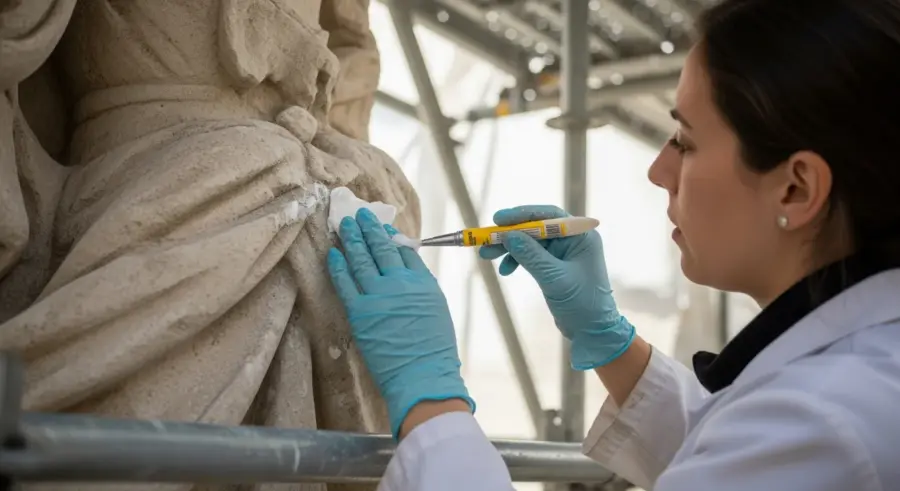
Injection is a targeted approach that delivers the consolidant directly to areas of weakness. This method is particularly useful for consolidating cracks and voids.
The number of layers required depends on the porosity of the stone and the viscosity of the consolidant. Monitoring the stone’s absorption rate is crucial.
Allowing each layer to dry completely before applying the next prevents saturation and promotes deeper penetration. This also minimizes the risk of surface runoff.
Environmental conditions, such as temperature and humidity, can affect the drying time and the consolidant’s performance. Following the manufacturer’s recommendations is essential.
Proper ventilation is crucial during the application process to minimize exposure to harmful vapors. Wearing appropriate personal protective equipment is also essential.
The goal is to achieve a deep and even penetration of the consolidant without altering the stone’s appearance or breathability. Careful application techniques are essential for achieving this goal.
Monitoring and Evaluating Consolidation Effectiveness
Once a stone consolidation treatment has been applied, it is important to monitor its effectiveness over time. This involves regular inspections to assess the stone’s condition and identify any signs of further deterioration.
Photographic documentation can be used to track changes in the stone’s appearance, and non-destructive testing methods like ultrasonic testing can be used to measure changes in its strength and elasticity.
In some cases, it may be necessary to take small samples of the treated stone for laboratory analysis to determine the consolidant’s penetration depth and bonding strength. This data can be used to evaluate the long-term performance of the treatment and make adjustments as needed.
Regular monitoring and evaluation are essential for ensuring that stone consolidation techniques are providing the desired results. It also helps to identify any potential problems early on, allowing for timely intervention and preventing further damage.
Visual inspections should be conducted at regular intervals, typically every six months or annually. These inspections should focus on identifying any new cracks, scaling, or discoloration.
Photographic documentation provides a valuable record of the stone’s condition over time. Comparing photos taken before and after treatment can reveal subtle changes that might otherwise go unnoticed.
Ultrasonic testing measures the speed of sound waves through the stone. Changes in the sound wave velocity can indicate changes in the stone’s density and elasticity.
Other non-destructive testing methods include surface hardness testing and impact-echo testing. These methods can provide additional information about the stone’s strength and stability.
Laboratory analysis of stone samples can provide detailed information about the consolidant’s penetration depth and bonding strength. This analysis can also identify any potential problems, such as the formation of harmful byproducts.
The monitoring and evaluation process should be tailored to the specific needs of the stone structure. Factors such as the type of stone, the severity of the deterioration, and the environmental conditions should be considered.
The data collected during monitoring and evaluation should be carefully analyzed to determine the effectiveness of the consolidation treatment. This analysis should inform any necessary adjustments to the treatment plan.
Ultimately, the goal of monitoring and evaluation is to ensure the long-term success of the stone consolidation treatment. This helps to protect our cultural heritage for future generations.
Essential Safety Measures for Consolidant Use
Working with stone consolidants requires strict adherence to safety precautions to protect both the conservator and the environment. Many consolidants contain hazardous chemicals that can be harmful if inhaled, ingested, or absorbed through the skin.
It is essential to wear appropriate personal protective equipment (PPE), including gloves, respirators, and eye protection, when handling these materials. Work should be performed in a well-ventilated area to minimize exposure to harmful vapors.
- Wear appropriate personal protective equipment
- Ensure adequate ventilation
- Follow manufacturer’s safety data sheets
- Properly dispose of waste materials
- Store consolidants in secure containers
Gloves should be made of a material that is resistant to the specific chemicals in the consolidant. Nitrile gloves are often a good choice for general use.
Respirators should be selected based on the type and concentration of airborne contaminants. A NIOSH-approved respirator with organic vapor cartridges is often recommended.
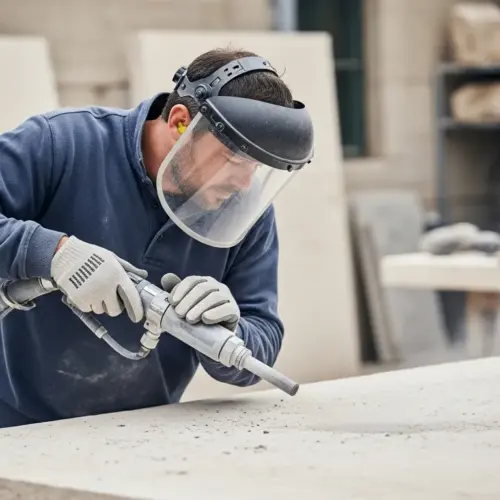
Eye protection, such as safety glasses or goggles, is essential to prevent splashes or fumes from entering the eyes. A face shield may be necessary for certain tasks.
Adequate ventilation can be achieved by opening windows and doors or using a mechanical ventilation system. Local exhaust ventilation is particularly effective for removing fumes at the source.
Manufacturer’s safety data sheets (SDS) provide detailed information about the hazards of the consolidant and the appropriate safety precautions. These sheets should be carefully reviewed before using any consolidant.
Waste materials, such as used containers, brushes, and cloths, should be disposed of properly according to local regulations. Consolidants should never be poured down the drain or into the environment.
Consolidants should be stored in secure containers in a cool, dry, and well-ventilated area. The containers should be clearly labeled with the name of the consolidant and any hazard warnings.
Emergency procedures should be in place in case of spills or accidents. This includes having a spill kit readily available and knowing how to contact emergency services.
By following these safety measures, conservators can protect themselves and the environment from the hazards of stone consolidants. This ensures that conservation work can be carried out safely and effectively.
Environmental Considerations in Stone Conservation
Environmental factors play a significant role in the success and longevity of stone consolidation efforts. Understanding how temperature, humidity, and pollution affect treated stone is crucial for effective historic stone preservation.
These elements can influence the performance of consolidants and the overall stability of stone structures. Choosing materials and techniques that are compatible with the specific environmental conditions of a site is essential for sustainable conservation.
For example, in areas with high humidity, it is important to select consolidants that allow for moisture vapor transmission. This prevents the buildup of moisture within the stone, which can lead to accelerated deterioration.
Similarly, in urban environments with high levels of air pollution, consolidants should be resistant to chemical attack. Considering these environmental factors ensures that conservation efforts are effective in the long term.
Temperature fluctuations can cause expansion and contraction of the stone, leading to cracking and weakening. Consolidants should be able to withstand these stresses without failing.
High humidity can promote the growth of biological organisms, such as algae and fungi, which can damage the stone’s surface. Consolidants should be resistant to biological growth or incorporate biocides to prevent it.
Air pollution, particularly acid rain, can dissolve the stone’s surface and accelerate deterioration. Consolidants should be resistant to chemical attack from pollutants.
Salt weathering is a major concern in coastal areas and other environments with high salt concentrations. Consolidants should be able to prevent the ingress of salts into the stone and resist the damaging effects of salt crystallization.
Exposure to ultraviolet (UV) radiation can degrade certain consolidants, leading to discoloration and loss of effectiveness. Consolidants should be UV resistant or protected from direct sunlight.
The orientation of the stone structure can also affect its exposure to environmental factors. South-facing surfaces, for example, are typically exposed to more sunlight and higher temperatures than north-facing surfaces.
The surrounding landscape can also influence the microclimate around the stone structure. Trees and vegetation can provide shade and reduce wind exposure, while paved surfaces can increase the temperature.
By carefully considering these environmental factors, conservators can select the most appropriate consolidants and techniques for each specific site. This ensures that conservation efforts are sustainable and effective in the long term.
Training and Expertise in Lithic Conservation
Proper training and expertise are paramount in the field of lithic conservation and stone masonry techniques. The complexities of working with historic materials and the potential risks associated with conservation treatments demand a high level of skill and knowledge.
Conservation professionals should have a thorough understanding of stone materials, deterioration mechanisms, and conservation ethics. They should also be proficient in the use of various conservation techniques and materials, including stone consolidation techniques.
Formal education in conservation science, historic preservation, or a related field is highly recommended. Continuing education and professional development are also essential for staying up-to-date with the latest research and best practices in the field.
Engaging qualified and experienced professionals ensures that conservation projects are carried out effectively and ethically. This protects our cultural heritage for future generations by using appropriate stone stabilization methods.
A strong foundation in geology and material science is crucial for understanding the properties and behavior of different stone types. This knowledge is essential for identifying deterioration mechanisms and selecting appropriate conservation treatments.
Conservation ethics play a vital role in guiding decision-making and ensuring that conservation treatments are carried out responsibly. The principles of minimal intervention, reversibility, and compatibility should always be considered.
Proficiency in various conservation techniques, such as cleaning, consolidation, and repair, is essential for addressing a wide range of conservation challenges. Conservators should be skilled in the use of both traditional and modern materials and methods.
Continuing education and professional development are essential for staying up-to-date with the latest research and best practices in the field. Conservators should attend conferences, workshops, and training courses to expand their knowledge and skills.
Experience is also a valuable asset in the field of lithic conservation. Working on a variety of projects and collaborating with experienced professionals can provide invaluable hands-on training.
Certification programs, such as those offered by professional organizations like the American Institute for Conservation (AIC), can help to demonstrate competence and expertise in the field.
Collaboration and communication are also essential skills for conservation professionals. Working effectively with architects, engineers, and other stakeholders is crucial for ensuring the success of conservation projects.
By investing in training and expertise, we can ensure that our cultural heritage is protected by skilled and knowledgeable professionals. This will help to preserve these valuable resources for future generations.
Conclusion
Stone consolidation is an essential tool for preserving fragile stone structures and ensuring their longevity. By understanding the causes of stone deterioration, selecting the appropriate consolidants, and following best practices for application and monitoring, we can effectively protect our shared cultural heritage.
Continued research and development in the field of conservation materials will undoubtedly lead to even more effective and sustainable methods for historic stone preservation. It is up to us to ensure these techniques are understood and implemented correctly.
The future of stone conservation relies on a commitment to education, innovation, and collaboration. By working together, we can ensure that these irreplaceable treasures endure for generations to come.
Embracing new technologies and methodologies will be key to addressing the evolving challenges of stone preservation. This includes exploring the potential of nanotechnology, biomimicry, and other cutting-edge approaches.
Promoting public awareness of the importance of stone conservation is also essential. By educating the public about the threats facing historic stone structures, we can foster a greater appreciation for our cultural heritage and encourage support for conservation efforts.
Investing in research and development is crucial for advancing the field of stone conservation. This includes supporting studies on the long-term performance of consolidants and the development of new and improved conservation materials.
Collaboration between researchers, conservators, and industry professionals is essential for translating research findings into practical applications. This will help to ensure that the latest advances in stone conservation are implemented effectively.
By embracing these strategies, we can create a more sustainable and resilient future for our historic stone structures. This will allow us to enjoy these treasures for generations to come.
The responsibility for preserving our stone heritage rests on all of us. By supporting conservation efforts, promoting public awareness, and investing in research and development, we can ensure that these valuable resources are protected for future generations.