
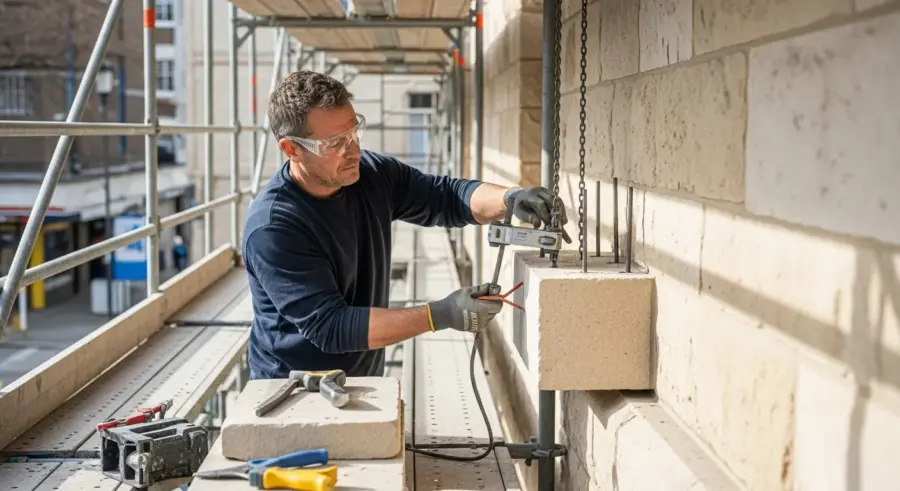
Stone structures have graced our world for millennia, from the pyramids of Egypt to the Great Wall of China. Their enduring beauty and strength are a testament to the skill of stone artisans and the inherent properties of stone itself. However, even the most carefully constructed stone structures require secure anchoring to withstand the test of time and environmental forces.
Proper stone anchoring techniques are essential for ensuring the stability and longevity of any stone project. This article will explore the various methods for attaching stone to structures, focusing on mechanical, chemical, and mortar anchors.
We will cover everything from selecting the appropriate anchor type for your specific needs to the correct installation procedures. By understanding these techniques, you can ensure that your stone structures remain beautiful and structurally sound for generations to come.
Understanding Different Types of Stone Anchoring Systems
Stone anchoring systems are diverse, each designed to address specific structural requirements and aesthetic considerations. The primary goal of any anchoring system is to transfer loads from the stone cladding to the supporting structure.
This ensures that the stone remains securely attached, even under stress from wind, seismic activity, or thermal expansion and contraction. The choice of anchoring system depends on factors such as the type of stone, the substrate material, the size and weight of the stone panels, and the environmental conditions.
Mechanical anchors are typically made of stainless steel or other corrosion-resistant metals. They rely on a physical connection to both the stone and the substrate, providing a strong and reliable attachment.
Chemical anchors use high-strength adhesives to bond the stone to the substrate. These adhesives are typically epoxy-based or polyurethane-based and offer excellent load-bearing capacity and resistance to environmental factors.
Beyond the basic types, there are variations within each category. For example, mechanical anchors can include expansion bolts, undercut anchors, and dowel systems, each suited for different load capacities and stone thicknesses.
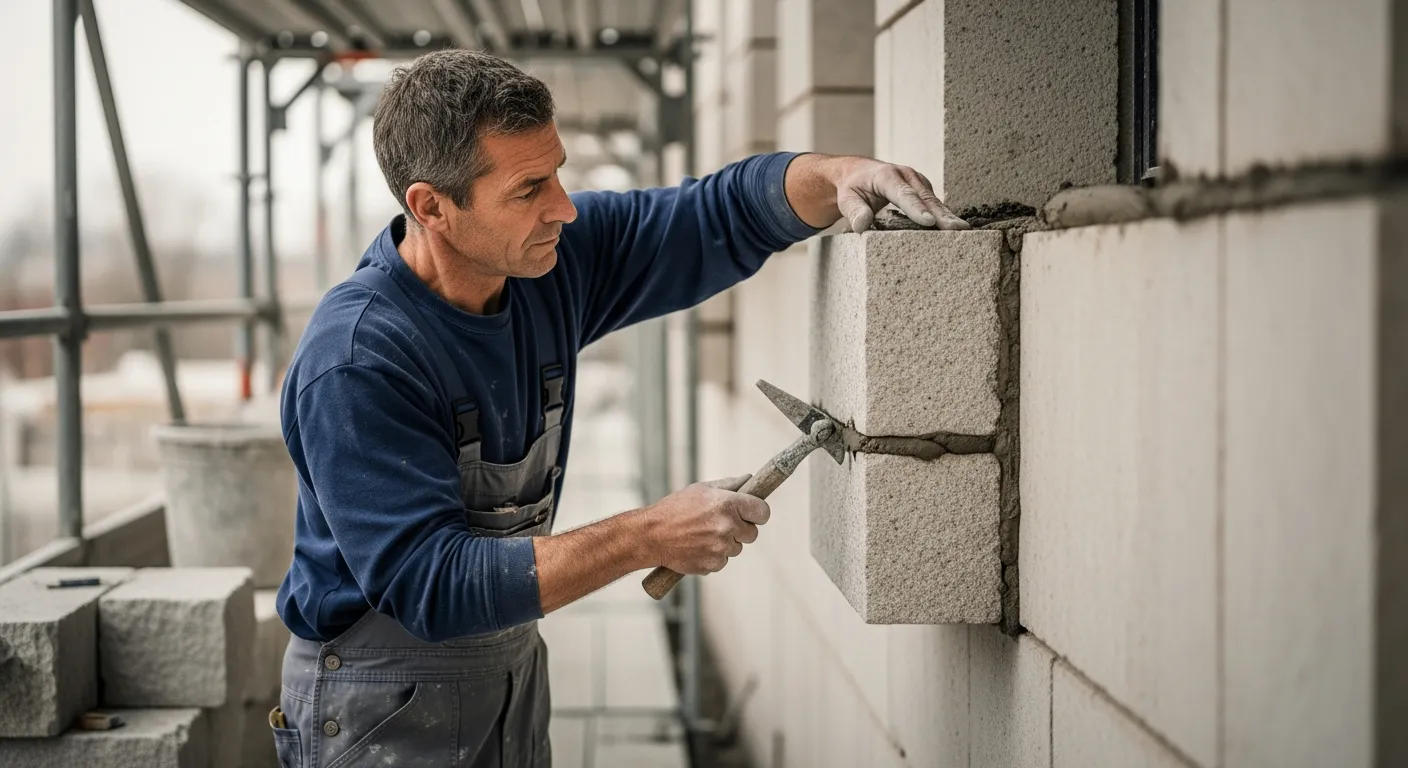
Understanding the specific advantages and limitations of each type is crucial for selecting the optimal solution for a given project. Proper specification ensures long-term performance and prevents costly failures.
Furthermore, the aesthetic impact of the anchoring system should also be considered. Some anchors are designed to be concealed, while others may be visible, requiring careful selection to complement the overall design.
Ultimately, a well-designed stone anchoring system is a critical component of any successful stone structure. It provides the necessary support and stability to ensure the longevity and beauty of the stone for generations to come.
Selecting the Right Anchor for Your Stone and Substrate
Choosing the correct anchor is paramount to the success of any stone installation. The selection process involves considering several key factors to ensure a secure and lasting connection.
First, the type of stone being used plays a significant role. Softer stones like limestone or sandstone may require anchors that distribute the load over a larger area to prevent cracking or spalling.
Harder stones such as granite or marble can withstand higher concentrated loads, allowing for the use of smaller, more discreet anchors. The substrate material, whether it’s concrete, steel, or masonry, also dictates the type of anchor that can be used.
Each substrate has different load-bearing capacities and requires anchors designed to effectively grip or bond with its specific properties. Environmental conditions, such as exposure to moisture, salt, or extreme temperatures, also influence anchor selection.
Consider the specific environmental factors present at the installation site. Coastal environments, for example, require anchors made from corrosion-resistant materials like stainless steel or specialized alloys.
In areas with significant temperature fluctuations, it’s important to select anchors that can accommodate thermal expansion and contraction without compromising the connection. This can be achieved through the use of flexible anchors or expansion joints.
The size and weight of the stone panels also play a crucial role in anchor selection. Larger, heavier panels will require more robust anchors with higher load-bearing capacities.
Consulting with a structural engineer is highly recommended for complex projects or when dealing with unusual stone types or substrate conditions. Their expertise can help ensure that the selected anchors are appropriate for the specific application and meet all relevant building codes and safety standards.
Ultimately, the selection of the right anchor is a critical decision that can significantly impact the long-term performance and safety of the stone structure. Careful consideration of all relevant factors is essential for achieving a successful and durable installation.
Drilling and Preparing Holes for Stone Anchors
Properly preparing the holes for stone anchors is a critical step in the installation process. The accuracy and cleanliness of these holes directly impact the anchor’s ability to provide a secure and reliable connection.
When drilling into stone, it’s essential to use the appropriate drill bit designed for the specific type of stone. Diamond-tipped core bits are generally recommended for harder stones like granite and marble, as they provide clean and precise holes without causing excessive chipping or cracking.
| Stone Type | Recommended Drill Bit | Drilling Speed |
|---|---|---|
| Granite | Diamond Core Bit | Slow to Medium |
| Limestone | Carbide-Tipped Bit | Medium |
| Marble | Diamond Core Bit | Slow |
| Sandstone | Carbide-Tipped Bit | Medium to Fast |
For softer stones like limestone or sandstone, carbide-tipped drill bits may be sufficient. It’s crucial to drill at the correct speed to prevent overheating the bit or damaging the stone.
Prior to drilling, accurately mark the location of each hole using a template or measuring device. Precision is key to ensuring proper anchor alignment and load distribution.
When drilling, apply consistent pressure and avoid excessive force, which can cause the bit to wander or damage the stone. Use a slow, steady drilling motion to create a clean, uniform hole.
After drilling, thoroughly clean the hole to remove any dust, debris, or loose particles. Use a brush and compressed air to ensure that the hole is completely free of contaminants, which can interfere with the anchor’s grip or bond.
For chemical anchors, it’s particularly important to ensure that the hole is dry before injecting the adhesive. Moisture can weaken the bond and compromise the anchor’s performance.
In some cases, it may be necessary to pre-drill a pilot hole before using a larger drill bit. This can help to prevent the bit from wandering and ensure a more accurate hole location.
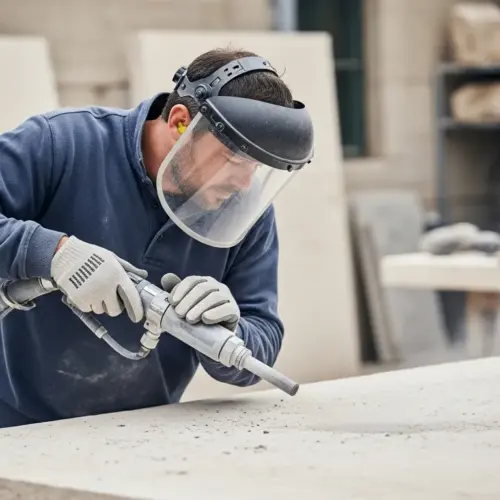
Always wear appropriate safety gear, including eye protection and a dust mask, when drilling into stone. This will help to protect you from flying debris and harmful dust particles.
Installing Mechanical Anchors for Secure Attachment
Mechanical anchors provide a robust and reliable method for attaching stone to various substrates. Their installation involves several key steps to ensure a secure and lasting connection.
The first step is to accurately position the anchor on the stone and mark the drilling location. Use a template to ensure consistent spacing and alignment, especially when installing multiple anchors.
Next, drill the hole to the specified depth and diameter according to the manufacturer’s instructions. Clean the hole thoroughly to remove any dust or debris that could interfere with the anchor’s grip.
Insert the anchor into the hole and use the appropriate tool to tighten or expand it, creating a secure mechanical lock. The type of tool required will vary depending on the specific anchor design, so consult the manufacturer’s instructions for guidance.
Ensure the anchor is properly seated and flush with the surface of the stone. Over-tightening can damage the stone or the anchor itself.
For expansion anchors, apply the correct torque as specified by the manufacturer. This will ensure that the anchor expands properly and provides the necessary holding power.
Inspect the anchor after installation to verify that it is securely in place and that there are no signs of damage or loosening. A properly installed mechanical anchor should be able to withstand significant loads without pulling out or shifting.
Consider using shims or spacers to ensure proper alignment and spacing between the stone and the substrate. This can help to prevent stress concentrations and ensure a more even load distribution.
When working with thin stone panels, it’s important to select anchors that are specifically designed for this application. These anchors typically have a smaller profile and provide a more secure grip without damaging the stone.
Using Chemical Anchors for High-Strength Bonding
Chemical anchors offer a powerful solution for bonding stone to substrates, particularly when dealing with irregular surfaces or situations where mechanical anchors are not feasible. These anchors rely on high-strength adhesives to create a durable and long-lasting connection.
The installation process begins with drilling a hole of the specified diameter and depth in both the stone and the substrate. It’s crucial to thoroughly clean the holes using a brush and compressed air to remove any dust, debris, or moisture that could compromise the bond.
Next, inject the chemical adhesive into the hole, filling it completely. Insert the anchor rod or bolt into the hole, twisting it slightly to ensure even distribution of the adhesive.
Allow the adhesive to cure for the recommended time, as specified by the manufacturer. Avoid disturbing the anchor during the curing process to ensure a strong and reliable bond.
Always use the correct mixing ratio for the chemical adhesive. Improper mixing can result in a weak or brittle bond.
Consider using a dispensing gun to ensure accurate and consistent application of the adhesive. This can help to prevent air pockets and ensure a more uniform bond.
Protect the surrounding area from spills or drips of adhesive. Chemical adhesives can be difficult to remove once they have cured.
In cold weather, it may be necessary to warm the adhesive before use. This will help to improve its flow and ensure a proper bond.
When working with porous stones, it’s important to seal the stone before applying the adhesive. This will prevent the adhesive from being absorbed into the stone and weakening the bond.
Integrating Mortar Anchors for Traditional Stone Construction
Mortar anchors are a traditional method of securing stone units in masonry construction. They involve embedding metal straps or ties into the mortar joints between the stones and connecting them to the backup structure.
This technique is particularly well-suited for load-bearing stone walls and veneer applications where a more flexible connection is desired. Mortar anchors allow for some movement between the stone and the substrate, which can help to accommodate thermal expansion and contraction and reduce the risk of cracking.
- Selecting appropriate metal for the environment
- Ensuring proper embedment depth in mortar
- Using flexible ties for movement
- Spacing anchors according to load requirements
- Protecting against corrosion
The key to successful mortar anchoring lies in proper detailing and execution. It’s essential to select anchor materials that are compatible with the stone and mortar and to ensure that the anchors are adequately embedded in the mortar joints.
The choice of metal for the anchors is crucial, especially in environments with high moisture or salt exposure. Stainless steel or hot-dipped galvanized steel are generally recommended for their corrosion resistance.
The mortar mix should be carefully selected to ensure compatibility with both the stone and the anchor material. A well-proportioned mix will provide adequate strength and bond without causing damage to the stone.
The depth of embedment of the anchors into the mortar joint is critical for ensuring adequate holding power. Insufficient embedment can lead to anchor failure and potential instability of the stone structure.
Flexible ties are often used in conjunction with mortar anchors to allow for differential movement between the stone and the backup structure. These ties can help to prevent cracking and spalling of the stone due to thermal expansion and contraction.
Proper spacing of the anchors is essential for distributing the load evenly across the stone structure. The spacing should be determined based on the size and weight of the stone units, as well as the anticipated wind and seismic loads.
Testing and Verifying Anchor Strength
After installing stone anchors, it’s crucial to test and verify their strength to ensure they meet the required load-bearing capacity. This is particularly important for critical applications where structural integrity is paramount.
There are several methods for testing anchor strength, including pull-out tests, shear tests, and non-destructive testing techniques. Pull-out tests involve applying a tensile force to the anchor and measuring the force required to dislodge it from the substrate.
Shear tests, on the other hand, measure the anchor’s resistance to lateral forces. Non-destructive testing methods, such as ultrasonic testing or impact-echo testing, can be used to assess the integrity of the anchor without causing damage to the surrounding stone.
The testing results should be compared to the manufacturer’s specifications and relevant building codes to ensure compliance. Any anchors that fail to meet the required strength should be replaced or reinforced as necessary.
Pull-out tests are typically performed using a calibrated tension meter and a specialized testing apparatus. The force is gradually increased until the anchor fails or reaches the specified load limit.
Shear tests involve applying a lateral force to the anchor using a hydraulic jack or other testing device. The displacement of the anchor is measured to determine its shear strength.
Non-destructive testing methods can be used to detect internal flaws or damage in the anchor or the surrounding stone. These methods are particularly useful for assessing the condition of existing anchors without causing any damage.
The frequency of testing should be determined based on the size and complexity of the stone structure, as well as the potential risks associated with anchor failure. A qualified engineer should be consulted to develop a comprehensive testing plan.
All testing should be performed by trained and experienced personnel using calibrated equipment. Accurate record-keeping is essential for documenting the testing results and ensuring compliance with building codes.
Maintaining and Inspecting Stone Anchoring Systems
Regular maintenance and inspection are essential for ensuring the long-term performance of stone anchoring systems. Over time, environmental factors, such as moisture, salt, and temperature fluctuations, can degrade the anchors and compromise their strength.
Inspections should be conducted at least annually, or more frequently in harsh environments. Look for signs of corrosion, cracking, or loosening of the anchors.
Pay close attention to areas where water can accumulate, as these are particularly susceptible to deterioration. Any damaged or deteriorated anchors should be repaired or replaced promptly to prevent further damage to the stone structure.
Proper maintenance, including cleaning and sealing the stone, can also help to prolong the life of the anchoring system. By proactively addressing potential issues, you can ensure that your stone structures remain safe and beautiful for many years to come.
Document all inspections, including the date, findings, and any corrective actions taken. This will provide a valuable record of the anchoring system’s condition over time.
Clean the stone regularly to remove dirt, debris, and pollutants that can contribute to corrosion. Use a mild detergent and a soft brush to avoid damaging the stone surface.
Apply a sealant to the stone to protect it from moisture and other environmental factors. Choose a sealant that is compatible with the type of stone and the anchoring system.
Repair any cracks or damage to the stone promptly to prevent water from penetrating the structure and corroding the anchors. Use a patching compound that is specifically designed for stone repair.
Consider applying a protective coating to the anchors to further enhance their corrosion resistance. This is particularly important in harsh environments or where the anchors are exposed to moisture or salt.
Conclusion
Stone anchoring techniques are a critical aspect of stone construction and restoration. Selecting the appropriate anchor type, preparing the holes correctly, and following proper installation procedures are essential for ensuring a secure and lasting connection.
Whether you’re working with mechanical anchors, chemical anchors, or mortar anchors, understanding the principles of load transfer and material compatibility is key. Regular inspection and maintenance are also crucial for prolonging the life of the anchoring system and preventing costly repairs.
By adhering to these guidelines, you can ensure that your stone structures stand the test of time and continue to inspire awe for generations to come. The artistry of stone masonry combined with sound engineering principles creates structures of enduring beauty and strength.
The information presented in this article is intended as a general guide and should not be considered a substitute for professional engineering advice. Always consult with a qualified engineer or stone specialist for specific recommendations tailored to your project.
Staying informed about the latest advancements in stone anchoring technology is crucial for ensuring the best possible performance and longevity of your stone structures. Continuous learning and professional development are essential for staying ahead of the curve.
By embracing best practices and prioritizing quality workmanship, you can contribute to the preservation of our architectural heritage and create stone structures that will stand as testaments to human ingenuity for centuries to come.