
Stone foundations, a hallmark of historic homes and buildings, can last for generations with proper care. However, time, environmental factors, and poor maintenance can lead to deterioration. Knowing how to address these issues is key to preserving the structural integrity and value of your property.
This article provides a comprehensive guide to stone foundation repair, covering everything from identifying common problems to implementing effective repair techniques. We will also explore preventative measures to ensure the longevity of your stone foundation, keeping your home safe and secure for years to come.
Whether you’re dealing with minor cracks or more significant structural issues, understanding the nuances of stone foundation repair is essential. With the right knowledge and approach, you can tackle these challenges head-on and maintain the beauty and stability of your historic or stone-built home. Let’s get started.
Identifying Common Stone Foundation Problems
Stone foundations, while durable, are not immune to the effects of time and the elements. Recognizing the common issues that plague them is the first step in effective stone foundation repair. Early detection can prevent minor problems from escalating into costly and extensive repairs.
One of the most frequent issues is cracking, which can occur due to settling, hydrostatic pressure, or thermal expansion and contraction. Mortar joint deterioration is also common, as the mortar that binds the stones can crumble and weaken over time. This can lead to water infiltration and structural instability.
Another problem is bowing or leaning walls, indicating significant structural stress. This often results from soil pressure or inadequate drainage. Dampness and water damage are also frequent concerns, leading to mold growth and further deterioration of the stone and mortar.
Efflorescence, the white, powdery substance that appears on the surface of the stone, is a sign of moisture intrusion and salt deposits. This can damage the stone over time. Understanding these common problems is crucial for effective stone foundation repair and maintenance.
Cracks in stone foundations can manifest in various forms, from hairline fractures to wide, gaping fissures. Hairline cracks are often superficial and may not pose an immediate threat, but they can allow moisture to penetrate the foundation. This moisture can then exacerbate other issues, such as mortar deterioration and freeze-thaw damage.
Wider cracks, on the other hand, are more concerning, as they can indicate structural instability. These cracks may be caused by differential settling, where different parts of the foundation settle at different rates. This puts stress on the stone and mortar, leading to cracking.
Mortar joint deterioration is another common problem that can affect the structural integrity of stone foundations. The mortar that binds the stones together is susceptible to weathering, erosion, and chemical attack. Over time, the mortar can crumble, crack, or even fall out completely, leaving gaps between the stones.
Bowing or leaning walls are a serious sign of structural distress. This can be caused by excessive soil pressure pushing against the foundation walls. Inadequate drainage, expansive soils, and tree roots can all contribute to this pressure.
Dampness and water damage are common issues in stone foundations, especially in older homes. Stone and mortar are porous materials, which means they can absorb moisture from the surrounding soil. This moisture can then lead to a variety of problems, including mold growth, efflorescence, and freeze-thaw damage.
Efflorescence is a white, powdery substance that appears on the surface of stone or brick. It is caused by the migration of soluble salts to the surface of the material, where they are deposited as the water evaporates. While efflorescence itself is not necessarily harmful, it is a sign of moisture intrusion, which can lead to other problems.
Assessing the Severity of the Damage
Once you’ve identified potential problems, it’s important to assess the severity of the damage to your stone foundation. A thorough assessment will help you determine the appropriate course of action and prioritize repairs. Look closely at the size and extent of any cracks.
Hairline cracks may be cosmetic, but wider cracks can indicate structural issues. Check for any signs of movement or shifting in the foundation walls. Use a level to determine if the walls are plumb, and a straight edge to identify any bowing or leaning.
Examine the mortar joints for crumbling, missing, or deteriorated mortar. Use a screwdriver or similar tool to gently probe the mortar and assess its condition. Pay attention to any areas where water is actively leaking or where there are signs of past water damage.
Also, consider the age of the foundation and any previous repairs that may have been done. If you’re unsure about the severity of the damage, it’s always best to consult with a qualified professional. They can provide a comprehensive assessment and recommend the most appropriate repair solutions.
When assessing cracks, pay attention to their orientation and location. Vertical cracks are often caused by settling, while horizontal cracks may indicate bowing or leaning. Diagonal cracks can be a sign of shear stress.
The width of a crack is also an important indicator of its severity. Hairline cracks (less than 1/8 inch wide) are generally considered cosmetic, while wider cracks (1/4 inch or more) may indicate structural problems. Actively measure the width of any concerning cracks to track if they are expanding over time.
When examining mortar joints, look for signs of crumbling, cracking, or missing mortar. Use a small tool, such as a screwdriver or awl, to gently probe the mortar and assess its condition. If the mortar is soft and easily crumbles, it needs to be repaired or replaced.
Water damage can manifest in a variety of ways, including dampness, staining, mold growth, and efflorescence. Look for any signs of water intrusion, such as water stains on the walls or floors. Check for mold growth, especially in dark, damp areas. Efflorescence, a white, powdery substance, is a sign of moisture intrusion and salt deposits.
Bowing or leaning walls are a serious sign of structural distress. Use a level and a straight edge to check the plumbness of the walls. If the walls are out of plumb, they may be bowing or leaning. Measure the amount of bowing or leaning to assess the severity of the problem.
It’s also important to consider the age of the foundation and any previous repairs that may have been done. Older foundations may be more susceptible to damage due to age and weathering. Previous repairs may have been done improperly, which can lead to further problems.
Repairing Cracks and Mortar Joints
Repairing cracks and mortar joints is a critical part of stone foundation repair. Addressing these issues promptly can prevent further damage and maintain the structural integrity of your foundation. The method you choose will depend on the size and nature of the cracks.
For hairline cracks, a simple application of masonry crack filler may suffice. For wider cracks, you’ll need to use a more robust approach, such as patching with mortar or epoxy. This will ensure a strong and durable repair.
| Crack Type | Repair Method | Materials Needed |
|---|---|---|
| Hairline Cracks | Masonry crack filler | Crack filler, putty knife |
| Small Cracks (up to 1/4 inch) | Mortar patching | Mortar mix, trowel, water |
| Large Cracks (over 1/4 inch) | Epoxy injection | Epoxy, injection gun, surface sealant |
| Deteriorated Mortar Joints | Repointing | Mortar mix, tuckpointer, hawk |
Before repairing any cracks or mortar joints, it’s important to clean the area thoroughly. Remove any loose debris, dirt, or vegetation. Use a wire brush to scrub the area and remove any loose mortar or stone fragments.
For hairline cracks, masonry crack filler can be applied directly to the crack. Use a putty knife to smooth the filler and ensure that it is flush with the surrounding surface. Allow the filler to dry completely before painting or sealing.
For small cracks (up to 1/4 inch wide), mortar patching is a suitable repair method. Mix a small batch of mortar according to the manufacturer’s instructions. Use a trowel to apply the mortar to the crack, pressing it firmly into place. Smooth the mortar and allow it to dry completely.
For larger cracks (over 1/4 inch wide), epoxy injection is a more effective repair method. This involves injecting epoxy into the crack to fill it and bond the edges together. Follow the manufacturer’s instructions for mixing and applying the epoxy. Use an injection gun to inject the epoxy into the crack, starting at the bottom and working your way up. Seal the surface of the crack with a surface sealant to prevent the epoxy from leaking out.
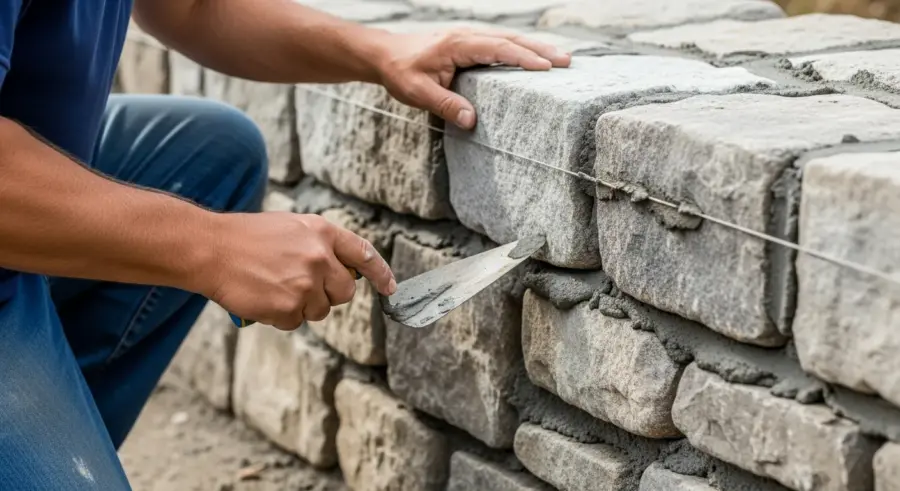
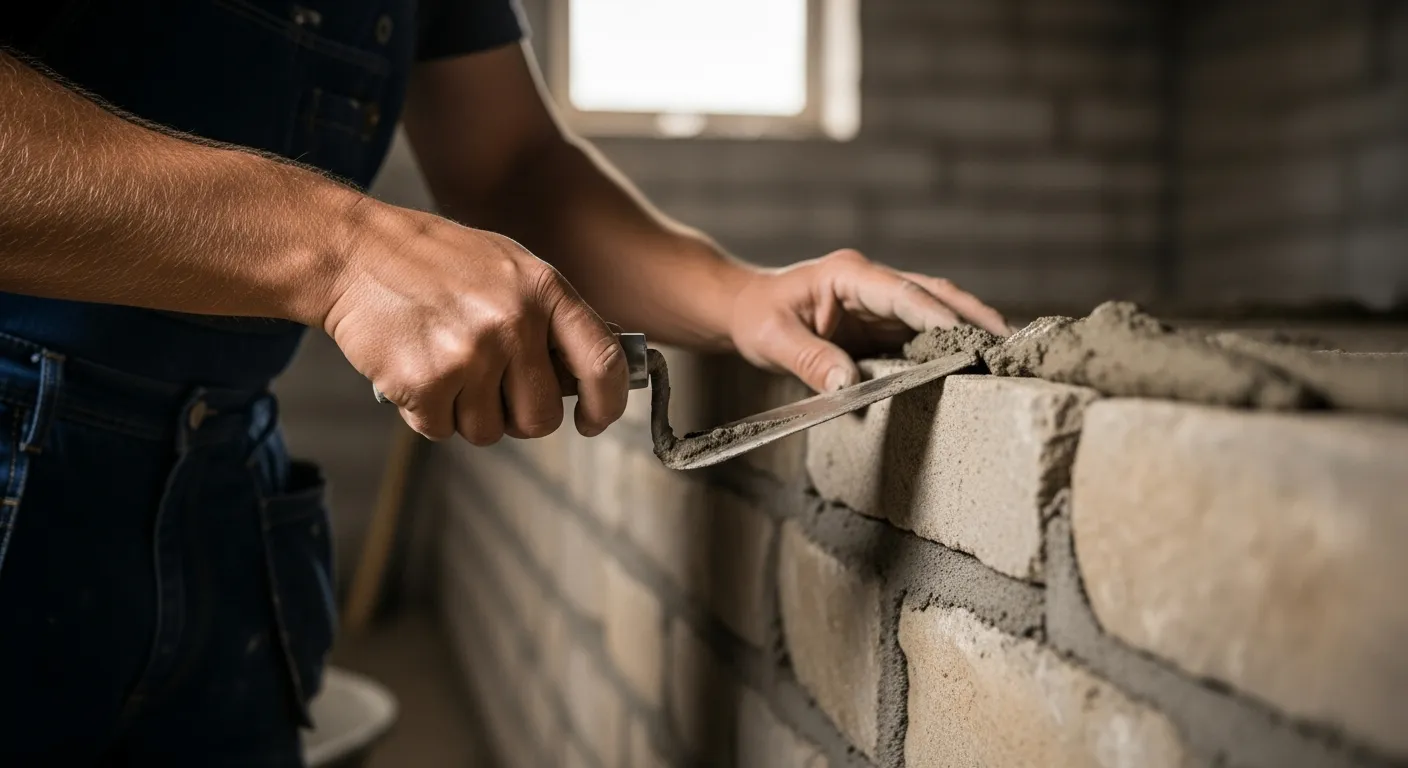
Deteriorated mortar joints should be repaired by repointing. This involves removing the old, deteriorated mortar and replacing it with new mortar. Use a tuckpointer to carefully remove the old mortar, being careful not to damage the surrounding stones. Mix a batch of mortar according to the manufacturer’s instructions. Use a hawk to hold the mortar and a tuckpointer to apply it to the joints. Press the mortar firmly into place and smooth it with the tuckpointer. Allow the mortar to dry completely.
When choosing a mortar mix for repointing, it’s important to select a mortar that is compatible with the existing mortar. A lime-based mortar is often the best choice for historic stone foundations. This allows the foundation to breathe and reduces the risk of moisture damage. Consult with a masonry expert to determine the best mortar mix for your specific situation.
Underpinning and Strengthening the Foundation
In cases where the stone foundation has suffered significant structural damage, underpinning and strengthening may be necessary. Underpinning involves reinforcing the existing foundation by extending it deeper or wider. This can stabilize the foundation and prevent further settling or movement.
One common underpinning method is mass concrete underpinning, where sections of the existing foundation are excavated and replaced with concrete. Another approach is beam and base underpinning, which involves installing a concrete beam beneath the existing foundation and supporting it with concrete bases. This distributes the load more evenly.
Another technique for strengthening a stone foundation is to apply a carbon fiber reinforcement system. Carbon fiber straps or sheets are bonded to the interior of the foundation walls. This adds tensile strength and prevents bowing or cracking.
Additionally, steel reinforcement bars can be inserted into the mortar joints to provide extra support. These bars are then grouted in place, creating a strong and durable connection. When considering underpinning or strengthening, it’s essential to consult with a structural engineer to determine the most appropriate method for your specific situation.
Underpinning is a complex and invasive process that should only be undertaken by experienced professionals. It involves excavating around the existing foundation and reinforcing it with concrete or other materials. This can be a dangerous and disruptive process, so it’s important to choose a contractor with a proven track record.
Mass concrete underpinning is a traditional method of underpinning that involves excavating sections of the existing foundation and replacing them with concrete. This is a relatively simple and straightforward method, but it can be time-consuming and labor-intensive.
Beam and base underpinning is a more modern method of underpinning that involves installing a concrete beam beneath the existing foundation and supporting it with concrete bases. This method is more complex than mass concrete underpinning, but it can be more effective in certain situations.
Carbon fiber reinforcement is a relatively new technique for strengthening stone foundations. It involves bonding carbon fiber straps or sheets to the interior of the foundation walls. This adds tensile strength and prevents bowing or cracking. Carbon fiber reinforcement is a lightweight and durable material that is resistant to corrosion.
Steel reinforcement bars can be inserted into the mortar joints to provide extra support. These bars are then grouted in place, creating a strong and durable connection. This method is often used in conjunction with other strengthening techniques.
Before undertaking any underpinning or strengthening work, it’s essential to consult with a structural engineer. They can assess the condition of the foundation and recommend the most appropriate method for your specific situation. They can also provide detailed plans and specifications for the work, which will help ensure that it is done correctly.
Waterproofing Stone Foundations
Water infiltration is a major cause of damage to stone foundations, so waterproofing is a crucial step in stone foundation repair. Effective waterproofing can prevent moisture from entering the foundation. This protects the stone and mortar from deterioration.
One common waterproofing method is to apply a waterproof coating to the exterior of the foundation walls. This creates a barrier that prevents water from seeping through the stone and mortar joints. Another approach is to install a drainage system around the foundation to redirect water away from the walls.
This can include installing a French drain, which is a trench filled with gravel and a perforated pipe. The pipe collects water and carries it away from the foundation. Interior waterproofing methods can also be used, such as applying a waterproof sealant to the interior walls or installing a sump pump to remove any water that does enter.
Proper grading around the property is also essential for effective waterproofing. Ensure that the ground slopes away from the foundation to prevent water from pooling near the walls. By implementing these waterproofing measures, you can significantly reduce the risk of water damage and extend the life of your stone foundation.
Exterior waterproofing is generally considered the most effective way to prevent water from entering a stone foundation. This involves excavating around the foundation and applying a waterproof coating to the exterior walls. The coating creates a barrier that prevents water from seeping through the stone and mortar joints.
There are several types of waterproof coatings available, including asphalt-based coatings, cementitious coatings, and polymer-modified coatings. The best type of coating for your specific situation will depend on the type of soil, the climate, and the severity of the water problem. Consult with a waterproofing expert to determine the best coating for your needs.
Drainage systems are another important component of exterior waterproofing. These systems are designed to redirect water away from the foundation walls. A French drain is a common type of drainage system that consists of a trench filled with gravel and a perforated pipe. The pipe collects water and carries it away from the foundation.
Interior waterproofing methods can also be used to prevent water from entering a stone foundation. These methods are typically less effective than exterior waterproofing, but they can be a good option in situations where exterior waterproofing is not feasible. One common interior waterproofing method is to apply a waterproof sealant to the interior walls.
Sump pumps are another common interior waterproofing method. These pumps are installed in a pit in the basement floor and are designed to remove any water that enters the basement. Sump pumps are typically used in conjunction with other waterproofing methods.
Proper grading around the property is essential for effective waterproofing. The ground should slope away from the foundation to prevent water from pooling near the walls. This can be achieved by adding soil around the foundation and compacting it to create a slope. Gutters and downspouts should also be properly maintained to ensure that water is directed away from the foundation.
Preventing Future Damage
Once you’ve completed the necessary repairs, it’s important to take steps to prevent future damage to your stone foundation. Regular maintenance and proactive measures can help ensure the longevity of your foundation. This saves you from costly repairs down the road.
One of the most important preventative measures is to maintain proper drainage around your property. Ensure that gutters and downspouts are clean and functioning correctly to direct water away from the foundation. Regularly inspect the foundation for any signs of new cracks, mortar deterioration, or water damage.
- Maintain proper drainage
- Regularly inspect the foundation
- Address cracks and mortar joints promptly
- Control vegetation near the foundation
- Monitor humidity levels in the basement
Regularly cleaning your gutters and downspouts is crucial for preventing water damage to your foundation. Clogged gutters can cause water to overflow and pool around the foundation, which can lead to moisture infiltration and structural damage. Clean your gutters at least twice a year, or more often if you live in an area with heavy rainfall or a lot of trees.
Regularly inspecting your foundation can help you identify potential problems early on, before they become serious. Look for any signs of new cracks, mortar deterioration, or water damage. Pay attention to any changes in the appearance of the foundation, such as discoloration or staining. If you notice any problems, address them promptly to prevent further damage.
Addressing cracks and mortar joints promptly is essential for preventing water infiltration and structural damage. Even small cracks can allow moisture to penetrate the foundation, which can lead to a variety of problems, including mold growth, efflorescence, and freeze-thaw damage. Repair any cracks or mortar joints as soon as you notice them.
Controlling vegetation near the foundation can help prevent damage from tree roots. Tree roots can grow into the foundation and cause cracks and other damage. Keep trees and shrubs trimmed back away from the foundation. Consider installing a root barrier to prevent roots from growing into the foundation.
Monitoring humidity levels in the basement can help prevent mold growth and other moisture-related problems. High humidity levels can create a favorable environment for mold growth. Use a dehumidifier to keep humidity levels below 50%. Ensure that the basement is properly ventilated to help reduce humidity levels.
Historic Foundation Restoration
Historic foundation restoration requires a specialized approach that respects the original materials and construction techniques. The goal is to preserve the historic integrity of the foundation while ensuring its structural stability. This often involves using traditional materials and methods to repair or replace damaged components.
When repairing mortar joints, it’s important to use a mortar mix that is compatible with the original mortar. A lime-based mortar is often the best choice for historic stone foundations. This allows the foundation to breathe and reduces the risk of moisture damage.
When repairing or replacing stones, it’s important to match the original stone as closely as possible in terms of color, texture, and size. Sourcing reclaimed stones from similar historic structures can be a good option. This ensures a seamless and authentic repair.
In some cases, it may be necessary to consult with a historic preservation specialist to ensure that the restoration work is done correctly and in accordance with any applicable regulations. They can provide valuable guidance and expertise to help you preserve the historic character of your stone foundation.
Before beginning any historic foundation restoration work, it’s important to thoroughly document the existing conditions. This includes taking photographs and making detailed notes about the materials, construction techniques, and any existing damage. This documentation will be helpful in guiding the restoration process and ensuring that the work is done correctly.
When repairing mortar joints, it’s important to use a mortar mix that is compatible with the original mortar. Lime-based mortars are often the best choice for historic stone foundations because they are breathable and flexible. This means that they allow moisture to escape from the foundation and can accommodate movement without cracking. Avoid using Portland cement-based mortars, as they are too hard and rigid for historic stone foundations.
When repairing or replacing stones, it’s important to match the original stone as closely as possible in terms of color, texture, and size. This can be challenging, as the original stone may no longer be available. However, there are a number of sources for reclaimed stones, including salvage yards and demolition sites. You may also be able to find a quarry that can provide a custom match.
In some cases, it may be necessary to consult with a historic preservation specialist to ensure that the restoration work is done correctly and in accordance with any applicable regulations. Historic preservation specialists can provide valuable guidance and expertise on a variety of topics, including materials selection, construction techniques, and regulatory compliance. They can also help you navigate the process of obtaining permits and approvals.
Historic foundation restoration is a complex and challenging process, but it is also a rewarding one. By preserving the historic integrity of your foundation, you can help ensure that your home will continue to stand for generations to come. It is important to remember that every historic building is unique, and the restoration approach should be tailored to the specific needs of the building.
Stone Basement Repair Considerations
Stone basements present unique challenges when it comes to repair and maintenance. The natural materials and construction methods used in stone basements can make them more susceptible to moisture problems. This can lead to mold growth and structural damage.
One of the key considerations for stone basement repair is to address any sources of moisture infiltration. This may involve improving drainage around the foundation. It may also require sealing cracks and mortar joints, and installing a vapor barrier on the interior walls.
Another important consideration is to ensure that the basement is properly ventilated. This can help reduce humidity levels and prevent mold growth. Installing a dehumidifier can also be helpful, especially in damp climates.
When repairing or remodeling a stone basement, it’s important to use materials that are compatible with the stone and mortar. Avoid using materials that can trap moisture, such as vinyl flooring or drywall. Opt for breathable materials like mineral wool insulation and lime-based plaster.
Stone basements often have uneven floors and walls, which can make it difficult to install traditional flooring and wall coverings. Consider using flexible flooring options, such as rubber or cork, which can conform to uneven surfaces. For walls, consider using lime-based plaster, which is breathable and can help regulate humidity levels.
When addressing moisture problems in a stone basement, it’s important to identify the source of the moisture. This may involve inspecting the exterior of the foundation for cracks or leaks. It may also involve checking the gutters and downspouts to ensure that they are properly directing water away from the foundation. Once you have identified the source of the moisture, you can take steps to address it.
Improving drainage around the foundation is a key step in preventing moisture infiltration in a stone basement. This may involve installing a French drain or grading the soil around the foundation to slope away from the house. It may also involve installing a sump pump to remove any water that does enter the basement.
Sealing cracks and mortar joints is another important step in preventing moisture infiltration in a stone basement. Use a high-quality masonry sealant to seal any cracks or gaps in the foundation walls. Repoint any deteriorated mortar joints with a lime-based mortar.
Installing a vapor barrier on the interior walls can help prevent moisture from migrating through the foundation walls and into the basement. A vapor barrier is a thin sheet of plastic or foil that is installed on the warm side of the wall. This helps to prevent moisture from condensing on the cold surface of the wall.
Foundation Crack Repair Methods
Foundation crack repair is a common task for homeowners with stone foundations. Cracks can occur for a variety of reasons, including settling, hydrostatic pressure, and thermal expansion and contraction. The repair method you choose will depend on the size and nature of the cracks.
For hairline cracks, a simple application of masonry crack filler may suffice. This can be applied with a putty knife and smoothed over the surface of the crack. For wider cracks, you’ll need to use a more robust approach, such as patching with mortar or epoxy.
Mortar patching involves cleaning out the crack and filling it with a mortar mix that is compatible with the existing mortar. Epoxy injection is another option for repairing wider cracks. This involves injecting epoxy into the crack to fill it and bond the edges together.
In some cases, it may be necessary to install crack monitors to track any further movement. This can help you determine if the crack is stable or if it’s continuing to widen. If the crack is actively moving, it’s important to consult with a structural engineer to determine the cause and develop a more comprehensive repair plan.
Before attempting any foundation crack repair, it’s crucial to determine the cause of the crack. If the crack is caused by settling, it’s important to address the underlying problem before repairing the crack. Otherwise, the crack will likely reappear.
Hairline cracks are typically less than 1/8 inch wide and are often caused by minor settling or thermal expansion and contraction. These cracks can usually be repaired with a simple application of masonry crack filler. Clean the crack thoroughly and apply the filler with a putty knife. Smooth the filler and allow it to dry completely.
Wider cracks (1/4 inch or more) may indicate a more serious structural problem. These cracks should be repaired by a qualified professional. Mortar patching is a common method for repairing wider cracks. This involves cleaning out the crack and filling it with a mortar mix that is compatible with the existing mortar. The mortar should be packed tightly into the crack and smoothed with a trowel.
Epoxy injection is another option for repairing wider cracks. This involves injecting epoxy into the crack to fill it and bond the edges together. Epoxy injection is a more expensive repair method than mortar patching, but it can be more effective in certain situations. It is often used for cracks that are actively leaking or that are located in areas that are difficult to access.
Crack monitors can be installed to track any further movement in a crack. These monitors are small devices that are attached to the foundation wall on either side of the crack. They measure the distance between the two sides of the crack and record any changes over time. This information can be used to determine if the crack is stable or if it’s continuing to widen.
Conclusion
Repairing and maintaining a stone foundation requires a combination of knowledge, skill, and attention to detail. By understanding the common problems that affect stone foundations, you can take proactive steps to prevent damage and ensure the longevity of your home.
Whether you’re dealing with minor cracks, deteriorated mortar joints, or more significant structural issues, there are effective repair techniques available. Remember to assess the severity of the damage carefully and choose the appropriate repair method for your specific situation. Don’t hesitate to seek professional help when needed.