
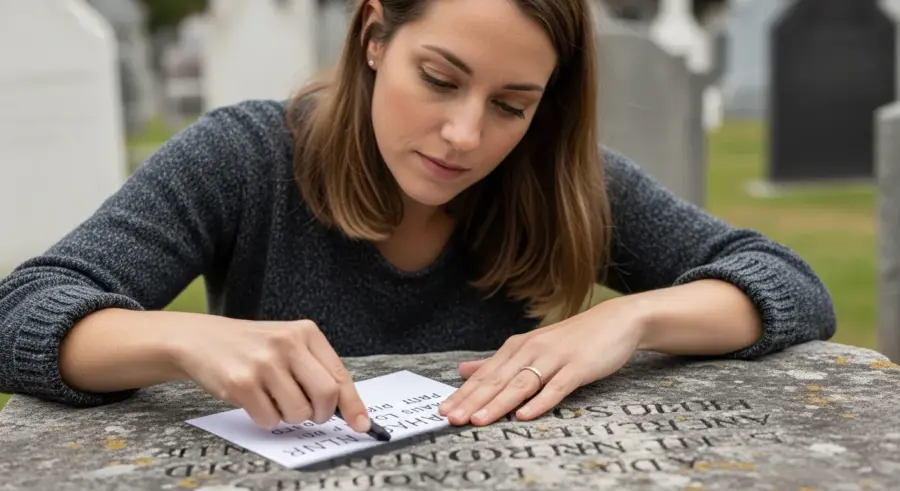
Stone rubbing is an age-old technique that allows you to create a lasting impression of textured surfaces. It’s a fantastic way to preserve the memory of historical sites, interesting textures, and beautiful designs found on stone. With a few simple materials and some patience, you can create stunning works of art that capture the essence of stone surfaces.
Whether you’re interested in preserving the details of a historic gravestone, capturing the intricate designs of a stone carving, or simply exploring the textures of natural stone, stone rubbing offers a unique and rewarding artistic experience. This guide will walk you through the process, providing step-by-step instructions and helpful tips to achieve the best results using various stone rubbing techniques.
From selecting the right materials to mastering the techniques for creating a clear and detailed rubbing, we’ll cover everything you need to know to get started. We’ll also address common problems and offer solutions to ensure your success. So, grab your paper, wax, and let’s begin!
Materials Needed for Stone Rubbing
Before you begin your stone rubbing adventure, it’s essential to gather the necessary materials. Having everything on hand will make the process smoother and more enjoyable. Here’s a list of what you’ll need to get started.
First, you’ll need paper, specifically large sheets of paper suitable for art projects. Butcher paper, rice paper, or even heavy-duty kraft paper work well, as they are durable enough to withstand the rubbing process without tearing.
Next, select your rubbing medium, which could be wax crayons, rubbing wax, or graphite sticks. Wax crayons are readily available and come in various colors, while rubbing wax is specifically designed for this purpose and provides excellent detail. Graphite sticks are great for creating grayscale rubbings with subtle shading.
You’ll also need masking tape to secure the paper to the stone surface, preventing it from shifting during the rubbing process. A soft brush is useful for cleaning the stone surface, removing any loose dirt or debris that could interfere with the rubbing. Finally, consider bringing a kneadable eraser for correcting any mistakes or unwanted marks on your rubbing.
Let’s dive deeper into each material. The type of paper you choose can significantly impact the final result of your stone rubbing. Thicker papers will hold up better to the pressure of the rubbing process and are less likely to tear.
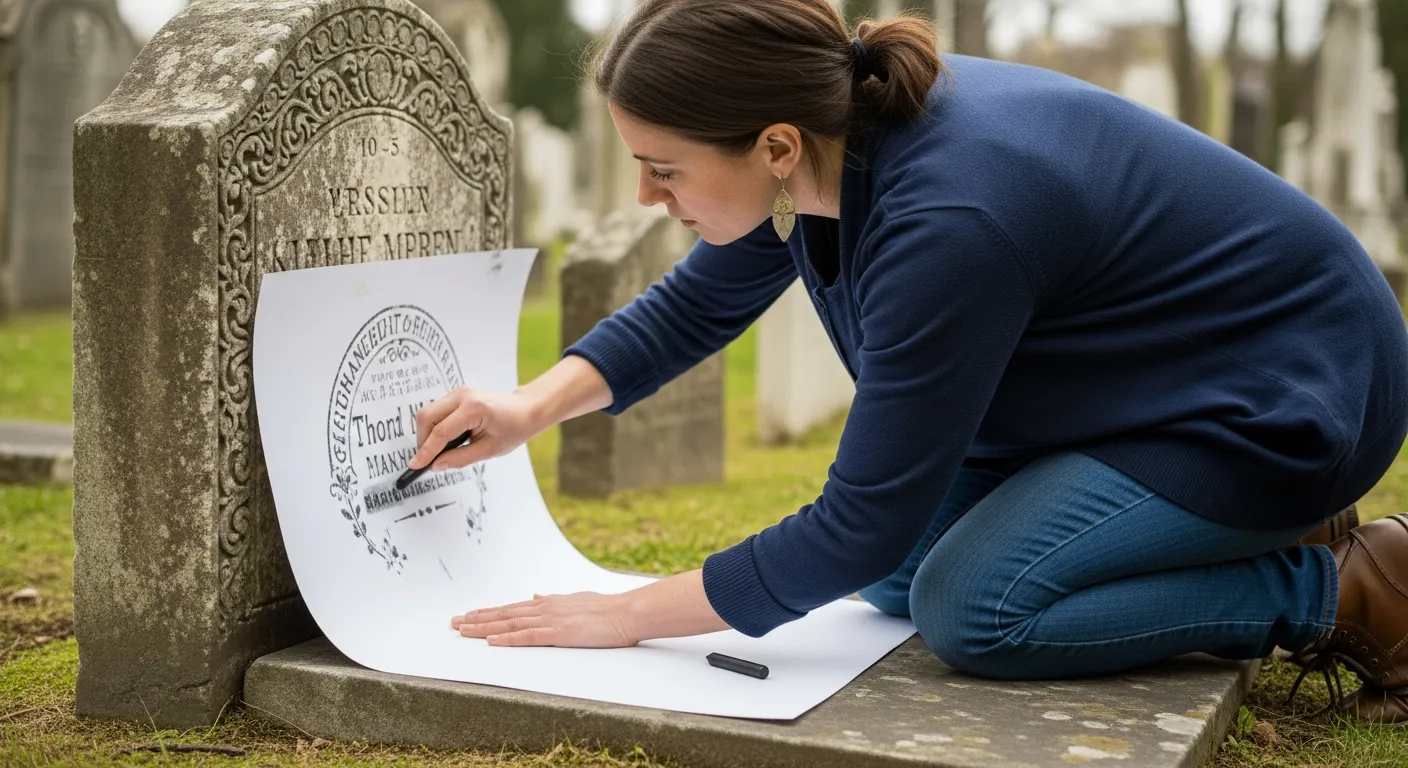
Butcher paper is a cost-effective option, especially for large-scale rubbings. Rice paper offers a unique texture and translucency, creating a delicate and ethereal effect. Kraft paper provides a sturdy and versatile surface, suitable for various rubbing mediums.
When selecting your rubbing medium, consider the level of detail you want to capture and the overall aesthetic you’re aiming for. Wax crayons are a great choice for beginners, as they are easy to use and come in a wide array of colors. Experiment with different brands of crayons to find the ones that produce the best results.
Rubbing wax is specifically formulated to create detailed rubbings, offering superior clarity and durability compared to crayons. It’s often available in stick form, making it easy to apply even pressure and control the amount of wax transferred to the paper. Graphite sticks are ideal for creating grayscale rubbings with subtle shading and tonal variations.
Don’t forget the importance of good masking tape. Choose a tape that is strong enough to hold the paper securely in place but gentle enough not to damage the stone surface. Test the tape on an inconspicuous area of the stone before applying it to the entire surface. A soft brush is essential for removing any loose dirt or debris that could interfere with the rubbing process.
A small brush, like a paintbrush, will work. A kneadable eraser is a valuable tool for correcting mistakes and removing unwanted marks. It can be molded into different shapes to precisely target specific areas of the rubbing.
Having all these materials readily available will set you up for a successful and enjoyable stone rubbing experience. Consider creating a dedicated stone rubbing kit to keep all your supplies organized and easily accessible.
Preparing the Stone Surface for Rubbing
Proper preparation of the stone surface is crucial for achieving a clear and detailed rubbing. A clean and stable surface will ensure that your rubbing captures all the intricate details of the stone.
Begin by carefully inspecting the stone surface for any loose dirt, moss, or debris. Use a soft brush to gently remove any loose particles, taking care not to damage the stone or its features. Avoid using water or harsh cleaning agents, as these can potentially harm the stone or alter its appearance.
Once the surface is clean, check for any unstable or flaking areas. If you notice any loose fragments, avoid rubbing over them, as this could cause further damage. It’s always a good idea to respect the integrity of the stone and avoid any actions that could contribute to its deterioration.
Finally, before applying your paper, ensure that the stone surface is completely dry. Moisture can interfere with the rubbing process and prevent the wax or graphite from adhering properly. If the stone is damp, allow it to air dry completely before proceeding.
The initial inspection is a critical step. Look closely for any signs of damage, such as cracks, chips, or erosion. These areas may be more fragile and require extra care during the rubbing process. Note the presence of any biological growth, such as moss, lichen, or algae.
While these organisms can add character to the stone, they can also obscure the details you’re trying to capture. When brushing the surface, use gentle, circular motions to dislodge any loose particles. Avoid using excessive force, as this could scratch or damage the stone. If the stone is heavily soiled, consider using a slightly damp cloth to gently wipe away the dirt.
However, be sure to allow the stone to dry completely before proceeding with the rubbing. Pay close attention to any areas where the stone is flaking or crumbling. These areas are particularly vulnerable to damage and should be avoided if possible. If you must rub over these areas, use extremely light pressure and avoid using abrasive materials.
Consider taking photographs of the stone before and after cleaning to document its condition. This can be helpful for tracking any changes over time and ensuring that your rubbing process is not causing any damage. The drying process is essential for ensuring that the rubbing medium adheres properly to the paper. Moisture can create a barrier between the wax or graphite and the paper, resulting in a blurry or incomplete rubbing.
If the stone is exposed to direct sunlight, it may dry more quickly. However, avoid exposing the stone to excessive heat, as this could cause it to crack or warp. A well-prepared stone surface is the foundation for a successful stone rubbing. By taking the time to clean and inspect the stone, you can ensure that your rubbing captures all the intricate details and textures while preserving the integrity of the original surface.
Choosing the Right Rubbing Medium
Selecting the right rubbing medium is essential for achieving the desired effect in your stone rubbing. Different mediums offer varying levels of detail, texture, and color, so consider your artistic goals when making your choice.
Wax crayons are a popular and readily available option, perfect for beginners experimenting with color and texture. Rubbing wax, specifically designed for this purpose, provides excellent detail and is available in various colors and metallic finishes.
| Medium | Pros | Cons |
|---|---|---|
| Wax Crayons | Easy to find, wide range of colors, affordable | Can be less detailed, prone to smudging |
| Rubbing Wax | Excellent detail, durable, available in metallic finishes | More expensive than crayons, requires special tools |
| Graphite Sticks | Creates subtle shading, good for grayscale rubbings | Can be messy, requires careful handling |
| Pastel Sticks | Soft and blendable, vibrant colors | Fragile, requires fixative to prevent smudging |
Let’s delve deeper into the characteristics of each rubbing medium. Wax crayons are a classic choice for stone rubbing, offering a wide range of colors and a familiar texture. They are readily available at most art supply stores and are relatively inexpensive, making them a great option for beginners.
However, wax crayons can sometimes produce less detailed rubbings compared to other mediums. The wax can be soft and prone to smudging, especially in warm weather. To minimize smudging, use light pressure and avoid rubbing too vigorously. Rubbing wax is specifically formulated for creating detailed and durable rubbings.
It typically comes in stick form and is harder than wax crayons, allowing for greater control and precision. Rubbing wax is available in a variety of colors, including metallic finishes such as gold, silver, and bronze. These metallic waxes can add a touch of elegance and sophistication to your rubbings.
Graphite sticks are an excellent choice for creating grayscale rubbings with subtle shading and tonal variations. They offer a smooth and consistent application, allowing you to build up the image gradually. Graphite can be messy, so be sure to protect your work surface and avoid touching the rubbing with your fingers.
Pastel sticks are another option for adding color to your stone rubbings. They offer a soft and blendable texture, allowing you to create smooth transitions and subtle gradations. However, pastels are fragile and prone to smudging, so you’ll need to use a fixative to protect your rubbing.
Consider the texture of the stone when choosing your rubbing medium. For rough or heavily textured stones, a softer medium like wax crayon or pastel may be more effective at capturing the details. For smooth stones, a harder medium like rubbing wax or graphite may provide greater clarity and precision. Experiment with different mediums to find the ones that work best for you and the types of stones you’re rubbing.
Techniques for Creating a Clear Rubbing
Creating a clear and detailed rubbing requires a combination of careful preparation and proper technique. The goal is to transfer the texture and design of the stone onto your paper without damaging the original surface.
Start by securing your paper to the prepared stone surface using masking tape. Make sure the paper is taut and wrinkle-free, as any movement or creases can distort the final image. Begin rubbing gently with your chosen medium, using even pressure and overlapping strokes.
Work in small sections, gradually building up the image and paying close attention to the details of the stone. Avoid pressing too hard, as this can tear the paper or damage the stone. Instead, use light, consistent pressure to gradually reveal the design.
Experiment with different rubbing angles and pressures to achieve varying effects. For example, rubbing at a slight angle can emphasize certain textures or details. Remember to lift the paper occasionally to check your progress and make any necessary adjustments.
The type of masking tape you use can also affect the outcome. A low-tack tape is ideal for delicate stones, as it will minimize the risk of damage when removed. Ensure the paper is large enough to cover the entire area you wish to rub, with extra margin for taping.
When applying the tape, smooth it down firmly to prevent the paper from shifting during the rubbing process. The direction of your strokes can also influence the final result. Experiment with different directions, such as horizontal, vertical, and diagonal, to see which produces the best effect.
Overlapping your strokes ensures that you cover the entire surface evenly and avoid any gaps in the image. Pay close attention to the edges of the design, as these are often the most intricate and delicate. Use a light touch to capture the fine details without pressing too hard. Varying the pressure can create different effects, such as highlighting certain areas or adding depth to the image.
Lifting the paper periodically allows you to check your progress and make any necessary adjustments. If you notice any areas that are not transferring properly, you can apply more pressure or adjust your rubbing angle. If you make a mistake, use a kneadable eraser to gently remove the unwanted marks. Remember to be patient and take your time.
Stone rubbing is a process that requires practice and attention to detail. With each rubbing, you’ll develop your skills and refine your technique. Don’t be afraid to experiment and try new things. The key to creating a clear and detailed rubbing is to find the right balance between pressure, angle, and stroke direction.
Exploring Stone Rubbing Variations
Once you’ve mastered the basic stone rubbing techniques, you can explore various variations to add creativity and depth to your artwork. Experimenting with different materials, colors, and compositions can lead to unique and stunning results.
Consider using multiple colors of wax crayons or rubbing wax to create a layered effect. You can also try combining different rubbing mediums, such as graphite and wax, to achieve interesting textures and contrasts. Another variation involves creating a collage of rubbings from different stone surfaces, arranging them to form a larger composition.
You might try frottage, a technique where you place the paper over a textured surface and rub with a pencil or crayon to create an image of the texture. Brass rubbing, another popular variation, involves creating rubbings of brass memorials, often found in churches.
Gravestone rubbing is a specific type of stone rubbing focused on capturing the inscriptions and designs on gravestones. Remember to always be respectful of the site and the history it represents.
Layering colors can create depth and dimension in your rubbings. Start with lighter colors and gradually add darker colors to highlight certain areas. Combining different rubbing mediums can produce unique textures and visual effects. For example, you could use graphite to create a detailed outline and then fill in the image with wax crayons.
Creating a collage of rubbings allows you to combine different textures and designs into a single artwork. You could create a collage of rubbings from different parts of the same stone or from different stones altogether. Frottage is a simple and effective technique for capturing the texture of a surface.
Simply place a piece of paper over the textured surface and rub with a pencil or crayon. The resulting image will reveal the texture of the surface. Brass rubbing is a traditional art form that involves creating rubbings of brass memorials. These memorials are often found in churches and feature intricate designs and inscriptions.
Gravestone rubbing is a popular way to preserve the memory of loved ones and capture the history of a cemetery. However, it’s important to be respectful of the site and the history it represents. Always obtain permission before making a rubbing and avoid rubbing stones that are fragile or damaged. Remember to leave the site as you found it and avoid disturbing the surrounding area.
Experiment with different paper types to see how they affect the final result. Rice paper, for example, can create a delicate and ethereal effect. Consider adding other artistic elements to your rubbings, such as paint, ink, or collage. By exploring these variations, you can create unique and personalized stone rubbings that reflect your own artistic vision.
Troubleshooting Common Rubbing Problems
Even with careful preparation and technique, you may encounter some common problems during the stone rubbing process. Knowing how to troubleshoot these issues can help you achieve better results and avoid frustration.
One common problem is paper tearing, which can occur if you’re pressing too hard or using a thin paper. To prevent tearing, use a thicker paper and apply gentle, even pressure. If the paper does tear, simply tape the pieces back together and continue rubbing.
- Uneven Rubbing
- Smudging
- Lack of Detail
- Paper Slipping
- Damaged Stone
Let’s address each of these common problems in more detail. Uneven rubbing can occur if you’re not applying consistent pressure or if the stone surface is uneven. To avoid uneven rubbing, use a firm, even pressure and work in small sections.
If the stone surface is uneven, try using a thicker paper or padding to compensate for the variations. Smudging is a common problem, especially when using soft rubbing mediums like wax crayons or pastels. To prevent smudging, use light pressure and avoid touching the rubbing with your fingers. You can also try using a fixative to protect the rubbing from smudging.
Lack of detail can occur if you’re not using the right rubbing medium or if the stone surface is too smooth. To improve detail, use a harder rubbing medium like rubbing wax or graphite. You can also try using a textured paper to capture more of the stone’s surface. Paper slipping can be frustrating, as it can distort the image and make it difficult to create a clear rubbing.
To prevent paper slipping, use a strong masking tape and make sure the paper is taut and wrinkle-free. If the stone is particularly slippery, you can try using a non-slip mat underneath the paper. Damaged stone is a serious concern, as it can compromise the integrity of the stone and its historical significance.
To avoid damaging the stone, use gentle pressure and avoid rubbing stones that are fragile or damaged. If you’re unsure about the condition of a stone, consult with a preservation expert before making a rubbing. Remember to always prioritize the preservation of the stone over the creation of a rubbing.
Ethical Considerations for Stone Rubbing
Stone rubbing, especially gravestone rubbing, raises ethical considerations that every practitioner should be aware of. Respect for historical sites and the preservation of cultural heritage should always be a top priority.
Before making a rubbing, always check with the site authorities or landowners to ensure that it is permitted. Some sites may have restrictions or guidelines in place to protect the stones from damage. Avoid rubbing stones that are fragile, damaged, or actively deteriorating, as this could cause further harm.
Be mindful of the environment and avoid disturbing the surrounding area. Do not leave any trash or debris behind, and respect the privacy of any visitors or mourners who may be present. Remember that gravestones are often located in cemeteries, which are sacred and sensitive places.
Treat the stones with respect and avoid any actions that could be perceived as disrespectful or insensitive. Consider the historical and cultural significance of the site and the individuals commemorated by the stones. By following these ethical guidelines, you can enjoy the art of stone rubbing while preserving our shared heritage for future generations.
Understanding the potential impact of your actions is crucial. Always research the site’s history and any specific regulations before you begin. Contact the local historical society or cemetery management for information. Some sites may have designated areas where rubbing is permitted or may offer alternative methods of documentation.
Respecting the fragility of the stones is paramount. Avoid using abrasive materials or excessive pressure, which can erode the surface and damage delicate carvings. If you notice any signs of deterioration, such as cracking, flaking, or crumbling, refrain from rubbing the stone. Consider documenting the stone’s condition through photography or written notes instead.
Minimizing your impact on the environment is essential for preserving the site’s natural beauty. Pack out everything you pack in, including trash, tape scraps, and any other materials you use. Stay on designated paths and avoid disturbing vegetation or wildlife. Be mindful of noise levels and avoid making excessive noise that could disrupt other visitors or residents.
Showing respect for the deceased and their families is a fundamental ethical consideration. Remember that gravestones are memorials to individuals who lived and died. Treat them with dignity and reverence. Avoid making any comments or actions that could be perceived as disrespectful or insensitive. If you encounter mourners or visitors, give them space and privacy.
By adhering to these ethical guidelines, you can ensure that your stone rubbing activities are conducted in a responsible and respectful manner. You can enjoy the art of stone rubbing while contributing to the preservation of our shared cultural heritage. Remember that ethical stone rubbing is not just about avoiding harm; it’s about actively contributing to the preservation and appreciation of historical sites.
Preserving and Displaying Your Stone Rubbing
Once you’ve created your stone rubbing, it’s important to preserve and display it properly to protect it from damage and showcase your artwork. Proper storage and display techniques will ensure that your rubbing remains in good condition for years to come.
To preserve your rubbing, store it flat in a protective sleeve or folder. Avoid folding or rolling the rubbing, as this can cause creases and cracks in the wax or graphite. If you need to transport the rubbing, place it between two sheets of acid-free paper to prevent smudging.
When displaying your rubbing, frame it behind glass or acrylic to protect it from dust, moisture, and UV light. Use acid-free matting to prevent the rubbing from coming into direct contact with the glass or frame. Avoid displaying the rubbing in direct sunlight or areas with high humidity, as this can cause the colors to fade or the paper to warp.
Consider scanning your rubbing and creating a digital copy for archival purposes. This will allow you to share your artwork online or create prints without risking damage to the original. With proper care and display, your stone rubbing will become a cherished piece of art that captures the beauty and history of stone surfaces.
The type of protective sleeve or folder you use is important for long-term preservation. Look for archival-quality sleeves made from acid-free materials. These sleeves will prevent the paper from yellowing or becoming brittle over time. Avoid using plastic sleeves that contain PVC, as these can damage the rubbing.
If you need to roll the rubbing for transport, do so loosely and place it in a sturdy tube. This will minimize the risk of creases or cracks. When framing your rubbing, choose a frame that is appropriate for the size and style of the artwork. A simple, understated frame will allow the rubbing to take center stage.
Acid-free matting is essential for protecting the rubbing from damage. The matting creates a buffer between the rubbing and the glass, preventing the rubbing from sticking to the glass or being damaged by moisture. UV-protective glass or acrylic will help to prevent the colors from fading over time. Avoid displaying the rubbing in areas with high humidity, such as bathrooms or kitchens.
Humidity can cause the paper to warp and the colors to fade. Scanning your rubbing is a great way to create a digital backup and share your artwork online. You can use a high-resolution scanner to capture all the details of the rubbing. Once you have a digital copy, you can easily create prints, share it on social media, or include it in a digital portfolio.
With proper care and display, your stone rubbing will become a cherished piece of art that captures the beauty and history of stone surfaces. It will serve as a lasting reminder of your creative experience and the stories etched in stone.
Conclusion
Stone rubbing is a fascinating art form that combines creativity, history, and a deep appreciation for the textures and designs found in stone. By following the steps outlined in this guide, you can create stunning rubbings that capture the essence of these surfaces.
Remember to always respect the stones and sites you’re working with, and to practice ethical rubbing techniques. With patience, practice, and a keen eye for detail, you’ll be able to create beautiful and lasting works of art that celebrate the beauty of stone.