
A stone fireplace can be the heart of a home, providing warmth and a focal point for gatherings. Its timeless appeal and natural beauty make it a desirable feature for many homeowners. This article will guide you through the essential aspects of stone fireplace construction, from initial design to the final touches, ensuring a safe and stunning addition to your living space.
We’ll cover everything from selecting the right stone to understanding crucial fireplace construction methods. Whether you’re aiming for a rustic, traditional, or modern look, understanding the nuances of stone fireplace construction is essential. Let’s get started.
With careful planning and execution, building a stone fireplace can be a rewarding project. It not only enhances the aesthetic of your home but also increases its value. By following these guidelines, you’ll be well-equipped to tackle your own stone fireplace construction.
Designing Your Stone Fireplace
The design phase is critical in stone fireplace construction. It sets the stage for the entire project and ensures the final product aligns with your vision. Start by considering the style of your home and the overall aesthetic you want to achieve.
Do you prefer a traditional, rustic fireplace with large, irregular stones, or a more modern, sleek design with clean lines and a minimalist approach? Consider the size of your room and the scale of the fireplace to ensure it fits proportionally. A massive fireplace in a small room can feel overwhelming, while a small fireplace in a large room might get lost.
Also, think about the fireplace’s function. Is it primarily for aesthetic appeal, or will it be a primary heat source? If it’s for heating, you’ll need to consider factors like the size of the firebox and the efficiency of the chimney to ensure it effectively heats the space.
Finally, sketch out your design and consider consulting with a professional architect or designer. They can provide valuable insights and help you refine your design to meet building codes and safety standards. A well-thought-out design is the foundation of successful stone fireplace construction.
Choosing the Right Stone for Your Fireplace
Selecting the right stone is crucial for both the aesthetic and structural integrity of your stone fireplace. Different types of stone offer different looks, durability, and heat resistance. Common choices include natural stone and fireplace stone veneer.
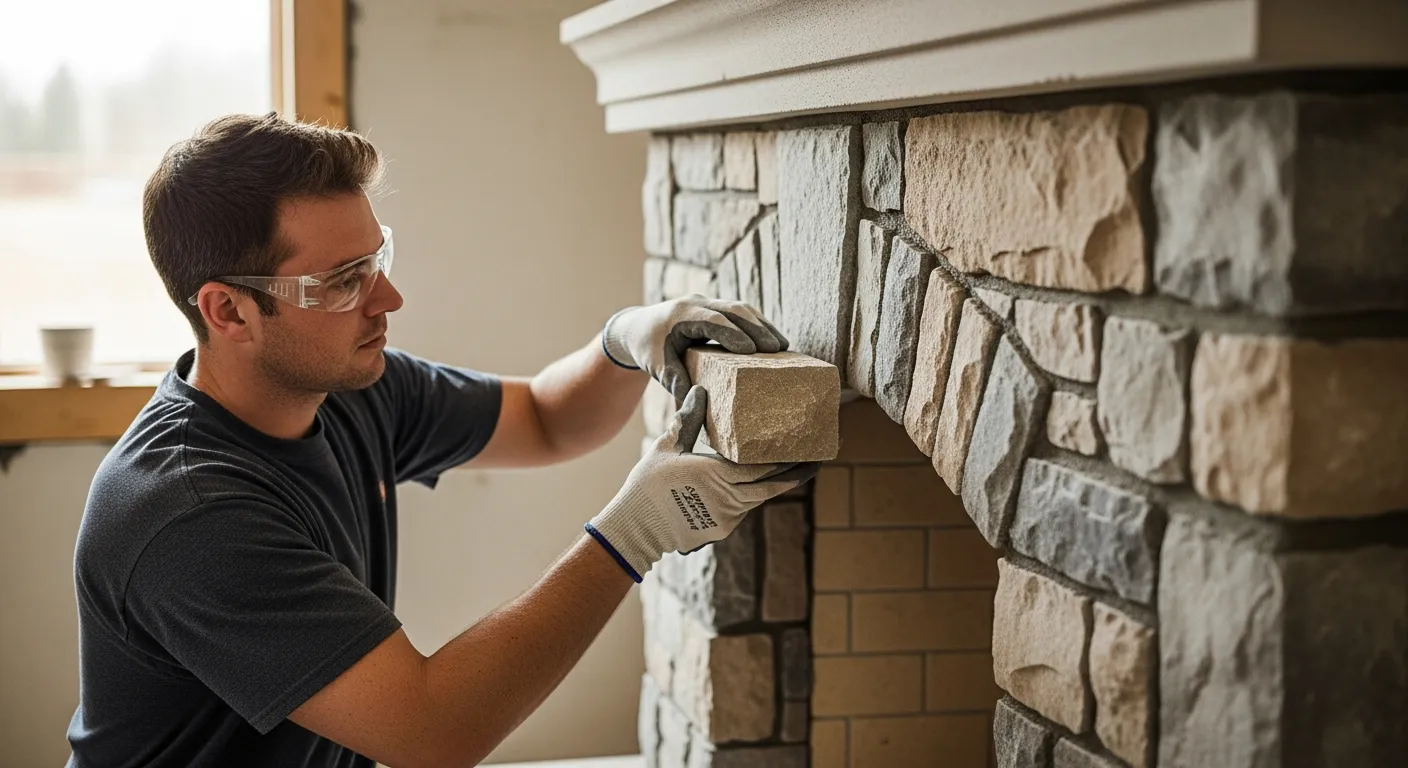
Natural stone options like fieldstone, river rock, and flagstone offer a rustic, authentic look. These stones vary in color, texture, and size, providing a unique, one-of-a-kind appearance. However, natural stone can be heavy and require more extensive structural support.
On the other hand, fireplace stone veneer is a manufactured product that mimics the look of natural stone. It’s lighter, easier to install, and comes in a variety of styles and colors. While it may not have the same authenticity as natural stone, it’s a more affordable and practical option for many homeowners.
Consider the color and texture of the stone in relation to your home’s interior. Do you want a stone that blends seamlessly with the existing decor, or do you prefer a contrasting stone that stands out as a focal point? Ultimately, the choice of stone depends on your personal preference, budget, and the overall design of your stone fireplace.
Fireplace Stone Veneer: An Alternative
Fireplace stone veneer has become a popular choice for homeowners looking to achieve the look of a natural stone fireplace without the added weight and cost. It is a manufactured product designed to replicate the appearance of natural stone. This makes it a versatile option for various design styles.
One of the main advantages of using fireplace stone veneer is its ease of installation. Because it is lighter than natural stone, it requires less structural support, which can save time and money. It also comes in a variety of shapes, sizes, and colors, allowing for greater design flexibility.
Beyond aesthetics and ease of installation, fireplace stone veneer offers durability and resistance to wear and tear. It is designed to withstand the heat and conditions typically associated with a fireplace. This makes it a practical and long-lasting choice for any home.
When considering materials for your fireplace construction, fireplace stone veneer presents a compelling alternative to natural stone. Its combination of aesthetics, ease of installation, and durability make it an option worth exploring. Weigh your options carefully to determine the best fit for your project.
Building the Fireplace Foundation and Hearth
The foundation and hearth are the backbone of your stone fireplace, providing essential support and safety. A solid foundation is crucial to prevent settling and cracking over time. Start by excavating the area where the fireplace will be located, ensuring you reach undisturbed soil.
Pour a concrete footing that extends beyond the footprint of the fireplace, following local building codes for depth and reinforcement. The hearth, the non-combustible area in front of the firebox, protects your flooring from sparks and embers. It should extend at least 16 inches in front of the firebox opening and 8 inches on either side.
| Component | Material | Purpose |
|---|---|---|
| Footing | Reinforced Concrete | Provides a stable base for the fireplace |
| Hearth Extension | Non-Combustible Material (Stone, Tile) | Protects flooring from sparks and embers |
| Firebox Base | Firebrick or Concrete | Supports the firebox and withstands high temperatures |
| Mortar | Type N or Type S Mortar | Binds the stones together |
Construct the hearth using concrete or masonry blocks, ensuring it’s level and properly supported. Cover the hearth with a non-combustible material like stone, tile, or brick, using a heat-resistant mortar. A well-constructed foundation and hearth are essential for a safe and durable stone fireplace.
Constructing the Fireplace Walls and Chimney
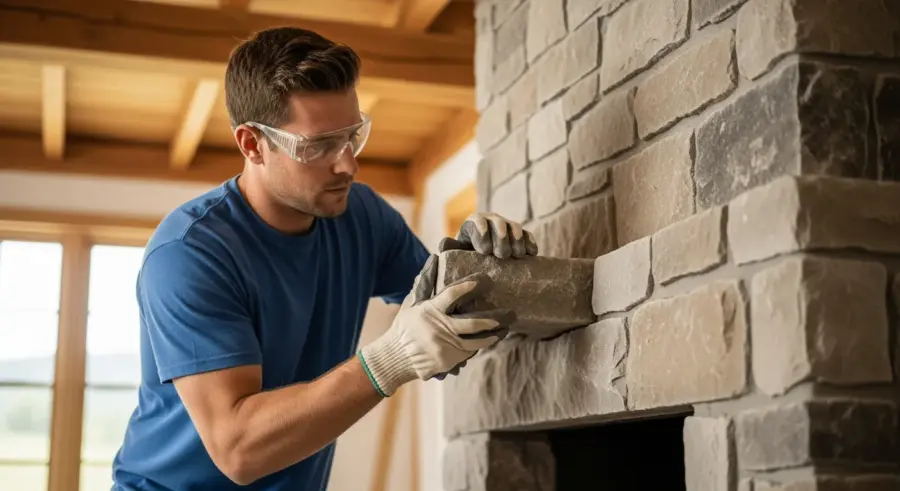
Building the fireplace walls and chimney requires careful attention to detail and adherence to safety standards. The walls provide structural support and aesthetic appeal, while the chimney ensures proper ventilation of smoke and gases. Start by laying the first course of stones on the foundation, using a level to ensure they are perfectly aligned.
Apply mortar generously between each stone, pressing them firmly into place. Stagger the joints between courses to create a strong, interlocking structure. As you build the walls, incorporate any design elements, such as arches, mantels, or decorative stone patterns.
The chimney is a critical component of the fireplace, and its construction must meet local building codes. It should be lined with a fire-resistant material, such as clay tiles or a stainless steel liner, to protect the surrounding structure from heat and corrosive gases. Ensure the chimney extends at least three feet above the highest point of the roof to provide adequate draft.
Properly constructing the fireplace walls and chimney is essential for both the safety and longevity of your stone fireplace. Take your time, follow building codes, and consult with a professional if needed to ensure a successful outcome. This will help prevent any issues in the future.
Fireplace Construction Methods: Mortar Techniques
Mastering mortar techniques is essential for successful stone fireplace construction. Mortar not only binds the stones together but also contributes to the overall aesthetic of the fireplace. Choosing the right type of mortar is the first step; Type N mortar is generally recommended for non-structural applications, while Type S mortar is better suited for load-bearing walls.
When applying mortar, ensure the stones are clean and slightly damp to promote good adhesion. Use a trowel to apply a generous layer of mortar to the back of each stone, pressing it firmly into place. The mortar joints should be consistent in width, typically around 1/2 inch to 1 inch, depending on the size and style of the stone.
There are several different mortar joint finishes you can choose from, including flush, concave, and raked. A flush joint is level with the surface of the stone, while a concave joint is slightly recessed, providing a clean, professional look. A raked joint is recessed further, creating a more rustic, textured appearance.
Regardless of the joint finish you choose, be sure to strike the joints while the mortar is still pliable. This helps to compact the mortar and create a watertight seal. Proper mortar techniques are crucial for a strong, durable, and aesthetically pleasing stone fireplace.
Installing the Firebox and Flue
The firebox and flue are critical components of your stone fireplace, ensuring safe and efficient combustion and ventilation. The firebox is the chamber where the fire burns, and it must be constructed of fire-resistant materials like firebrick. The flue is the passageway that carries smoke and gases up the chimney, and it must be properly sized and lined to prevent dangerous backdrafts.
Start by installing the firebox according to the manufacturer’s instructions, ensuring it’s level and securely attached to the foundation. Line the firebox with firebrick, using fire-resistant mortar to create a tight, sealed chamber. Connect the flue to the firebox, ensuring a secure and airtight connection.
- Ensure proper firebox size
- Use fire-resistant materials
- Seal all connections
- Check local codes
- Consider professional installation
The flue must extend continuously from the firebox to the top of the chimney, without any obstructions or leaks. It should be sized according to the firebox opening, following the manufacturer’s recommendations and local building codes. Properly installing the firebox and flue is essential for a safe and efficient stone fireplace.
Finishing the Stone Fireplace
Once the structural components of your stone fireplace are complete, it’s time to focus on the finishing touches. This includes cleaning the stone, sealing the mortar joints, and adding any decorative elements. Start by removing any excess mortar from the stone surfaces, using a brush and a mild detergent.
Rinse the stone thoroughly with water and allow it to dry completely. Apply a sealant to the mortar joints to protect them from moisture and staining. Choose a sealant that is specifically designed for masonry and follow the manufacturer’s instructions carefully.
Consider adding a mantel to your stone fireplace. The mantel offers a decorative focal point and a place to display photos, artwork, or other personal items. Choose a mantel that complements the style of your fireplace and is made of a non-combustible material like stone, wood, or metal.
Finally, inspect the entire fireplace for any imperfections or areas that need touch-up. Address any issues promptly to ensure a finished product that is both beautiful and durable. The finishing touches are what truly bring your stone fireplace to life, creating a warm and inviting focal point in your home.
Natural Stone Fireplace: Design Considerations
A natural stone fireplace offers a unique aesthetic that is hard to replicate with other materials. Each stone is different, bringing its own texture, color, and character to the overall design. When planning a natural stone fireplace, it’s essential to consider how these individual variations will come together.
One approach is to embrace the randomness, allowing the natural variations in the stone to dictate the design. This can create a rustic, organic look that feels like it has been part of the home for generations. Another approach is to carefully select and arrange the stones to create a more controlled, symmetrical design.
The color palette of the stone should also be carefully considered. Do you want a monochromatic look, with stones that are all similar in color? Or do you prefer a more varied palette, with stones that range from light to dark?
Also, think about the scale of the stones in relation to the size of the fireplace and the room. Larger stones can create a dramatic, imposing look, while smaller stones can feel more delicate and refined. Ultimately, the design of a natural stone fireplace should reflect your personal style and complement the overall aesthetic of your home.
Conclusion
Stone fireplace construction is a complex but rewarding project that can add significant value and beauty to your home. From designing the fireplace to selecting the right stone and mastering mortar techniques, each step requires careful planning and execution. By following the guidelines outlined in this article, you’ll be well-equipped to tackle your own stone fireplace construction.
Remember to prioritize safety, adhere to local building codes, and consult with professionals when needed. With patience and attention to detail, you can create a stunning stone fireplace that will serve as the heart of your home for years to come. The timeless appeal of a natural stone fireplace is undeniable.