
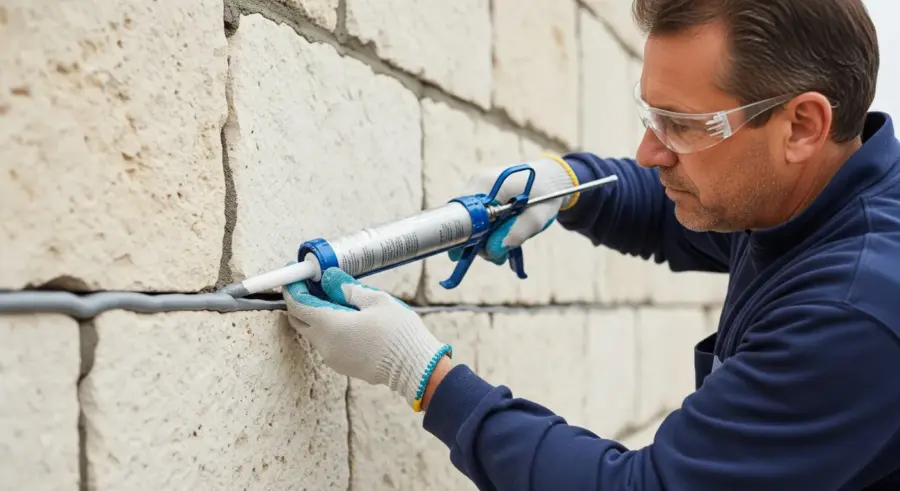
Expansion joints are essential elements in stone structures. They accommodate movement caused by temperature changes, settling, and other factors.
Without properly functioning expansion joints, stone structures can experience cracking, water damage, and structural instability. This article explores the importance of expansion joints and provides guidance on choosing appropriate sealants to prevent water damage.
Selecting the right sealant is crucial for the long-term performance of these joints. This guide will cover various types of sealants, proper installation techniques, and best practices for maintaining watertight seals, focusing on choosing sealants for expansion joints.
The Importance of Expansion Joints
Expansion joints are intentionally created gaps in a structure designed to relieve stress. These stresses arise from the natural expansion and contraction of building materials due to temperature fluctuations and moisture variations.
Stone, while durable, is not immune to these forces. Without expansion joints, the cumulative effect of these movements can lead to significant damage, including cracks, bowing, and even the displacement of stones.
The placement and design of expansion joints are critical considerations during the construction phase. Factors such as the type of stone, the size and orientation of the structure, and the local climate all influence the spacing and width of these joints.
Properly designed expansion joints act as buffers, absorbing the stresses that would otherwise concentrate and cause failures. They allow the stone to move independently, preventing the buildup of pressure that can compromise the structure’s integrity.
Consider the impact of freeze-thaw cycles, which can exacerbate the effects of expansion and contraction. Water that penetrates cracks can freeze and expand, further widening the cracks and weakening the stone.
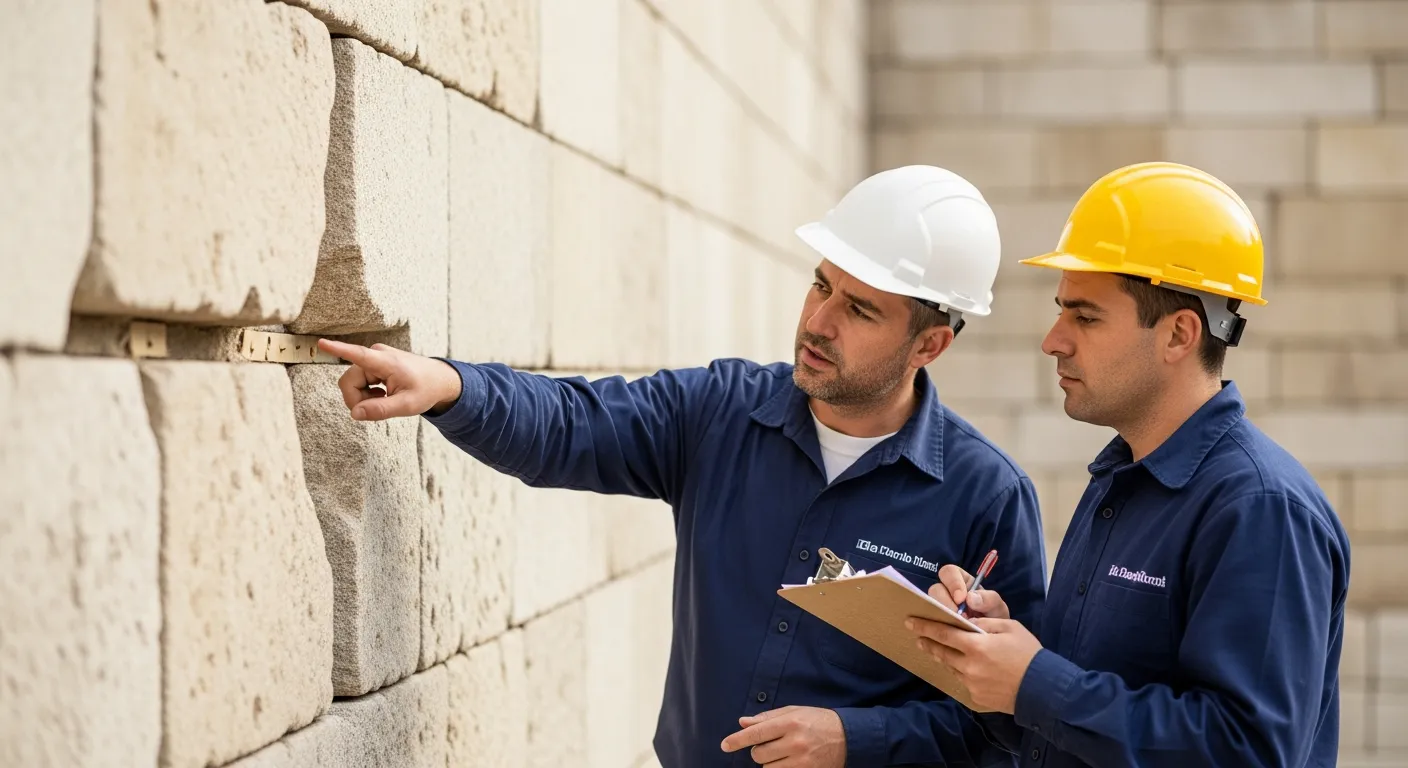
Expansion joints mitigate this risk by providing a controlled space for movement. This prevents uncontrolled cracking throughout the stone structure.
The absence of expansion joints can lead to costly repairs and even structural failure. Investing in proper joint design and sealant selection is a wise decision that pays off in the long run.
Furthermore, the aesthetic appeal of a stone structure can be compromised by unsightly cracks and damage. Expansion joints, when properly installed and maintained, help preserve the beauty and integrity of the stone.
Therefore, understanding the principles of expansion joint design and the importance of selecting the right sealant is crucial for anyone involved in the construction or maintenance of stone structures. It is a vital aspect of ensuring the longevity and stability of these valuable assets.
Ignoring these principles can lead to significant financial burdens and potential safety hazards. A well-designed and maintained expansion joint system is an investment in the future of the structure.
Types of Sealants for Expansion Joints
Choosing the right sealant for expansion joints is critical to ensure long-term protection against water intrusion and structural damage. Various sealant types are available, each with its own set of properties and suitability for different applications.
The primary considerations when selecting a sealant include its elasticity, adhesion, durability, and resistance to environmental factors. Silicone sealants and polyurethane sealants are two of the most commonly used options, each offering distinct advantages.
| Sealant Type | Elasticity | Adhesion | Durability | Resistance |
|---|---|---|---|---|
| Silicone | High | Good to Excellent | Excellent | UV, Temperature |
| Polyurethane | Moderate to High | Excellent | Very Good | Abrasion, Chemicals |
| Polysulfide | Moderate | Good | Good | Weather, Solvents |
| Hybrid (Silyl-Terminated Polyether) | High | Excellent | Excellent | UV, Weather, Chemicals |
Beyond silicone and polyurethane, other sealant options include polysulfide, acrylic, and butyl sealants. Each of these has specific strengths and weaknesses that make them suitable for particular applications.
Polysulfide sealants offer good resistance to weathering and solvents, making them useful in industrial environments. Acrylic sealants are generally more economical but may not offer the same level of durability as other options.
Butyl sealants are known for their excellent adhesion and low permeability, making them suitable for applications where water resistance is paramount. However, they may have limited elasticity compared to silicone or polyurethane.
When evaluating sealant options, it’s essential to consider the specific requirements of the project and the environmental conditions to which the sealant will be exposed. Factors such as temperature fluctuations, UV exposure, and chemical exposure should all be taken into account.
Furthermore, the compatibility of the sealant with the stone material is crucial. Some sealants may react negatively with certain types of stone, leading to discoloration or degradation.
It’s always recommended to consult with a sealant manufacturer or a qualified construction professional to determine the most appropriate sealant for a given application. They can provide valuable insights and guidance based on their expertise and experience.
Choosing the right sealant is not just about preventing water damage; it’s also about ensuring the long-term structural integrity and aesthetic appeal of the stone structure. A well-informed decision can save significant time and money in the long run.
Therefore, a thorough understanding of the different sealant types and their properties is essential for making the best choice for your project. Consider all factors carefully before making a final decision.
Silicone Sealants: Flexible and Durable
Silicone sealants are known for their exceptional flexibility and ability to withstand extreme temperature variations. This makes them well-suited for expansion joints that experience significant movement.
They also exhibit excellent resistance to ultraviolet (UV) radiation, ozone, and weathering, ensuring long-term performance in exposed environments. Silicone sealants are available in a wide range of colors, allowing for aesthetic integration with the surrounding stone.
However, silicone sealants can be more prone to dirt pickup compared to other types. They may also require the use of a primer to achieve optimal adhesion to certain stone surfaces.
Despite these considerations, their superior flexibility and weather resistance make silicone sealants a popular choice for many stone applications. Choosing sealants for expansion joints often means prioritizing flexibility, and silicone excels in this area.
The high elasticity of silicone sealants allows them to stretch and compress without losing their seal. This is particularly important in expansion joints that are subject to constant movement.
Their resistance to UV radiation prevents them from degrading and cracking under prolonged exposure to sunlight. This ensures long-term performance and reduces the need for frequent replacements.
The availability of silicone sealants in various colors allows for seamless integration with the surrounding stone. This helps maintain the aesthetic appeal of the structure and prevents unsightly contrasts.
When selecting a silicone sealant, it’s important to choose a high-quality product from a reputable manufacturer. This will ensure that the sealant meets the required performance standards and provides long-lasting protection.
Proper surface preparation is crucial for achieving optimal adhesion with silicone sealants. The surfaces should be clean, dry, and free from any contaminants that could interfere with bonding.
In some cases, a primer may be necessary to enhance adhesion, especially on porous or difficult-to-bond surfaces. Always follow the manufacturer’s instructions for surface preparation and primer application.
While silicone sealants are generally resistant to mold and mildew, it’s still important to maintain the joints and prevent the buildup of dirt and debris. Regular cleaning can help prevent the growth of unwanted organisms and prolong the life of the sealant.
Silicone sealants offer a reliable and durable solution for sealing expansion joints in stone structures. Their flexibility, weather resistance, and aesthetic versatility make them a popular choice for many applications.
Polyurethane Sealants: Strong and Weather Resistant
Polyurethane sealants offer a combination of strength, durability, and good adhesion to a variety of substrates. They are particularly well-suited for expansion joints that require resistance to abrasion and chemical exposure.
Polyurethane sealants generally have lower flexibility compared to silicone sealants. However, they offer excellent tear resistance and can withstand significant stress.
These sealants are paintable, which allows for easy customization and blending with the surrounding structure. This is a major advantage when aesthetic uniformity is crucial.
Polyurethane sealants may be more susceptible to UV degradation over time. It is important to select a UV-resistant formulation or apply a protective coating to extend their lifespan.
The superior strength of polyurethane sealants makes them ideal for high-traffic areas or applications where the joint is likely to be subjected to physical stress. They can withstand impacts and abrasions without tearing or losing their seal.
Their excellent adhesion properties ensure a strong bond to a wide range of materials, including stone, concrete, and metal. This makes them a versatile choice for various construction applications.
The ability to paint polyurethane sealants allows for seamless integration with the surrounding structure. This is particularly important when matching the color of the sealant to the stone or other building materials.
When selecting a polyurethane sealant, it’s important to choose a formulation that is specifically designed for expansion joint applications. These formulations typically have enhanced flexibility and elongation properties to accommodate movement.
To mitigate the risk of UV degradation, consider applying a protective coating or selecting a UV-resistant polyurethane sealant. This will help extend the lifespan of the sealant and maintain its performance over time.
Proper surface preparation is also crucial for achieving optimal adhesion with polyurethane sealants. The surfaces should be clean, dry, and free from any contaminants that could interfere with bonding.
In some cases, a primer may be necessary to enhance adhesion, especially on porous or difficult-to-bond surfaces. Always follow the manufacturer’s instructions for surface preparation and primer application.
Polyurethane sealants offer a strong and durable solution for sealing expansion joints in stone structures. Their resistance to abrasion, chemical exposure, and good adhesion make them a popular choice for many applications.
Hybrid Sealants: The Best of Both Worlds
Hybrid sealants, such as silyl-terminated polyethers (STPE), combine the best properties of both silicone and polyurethane sealants. They offer excellent flexibility, durability, and adhesion, along with superior resistance to UV radiation and weathering.
These sealants are also paintable and environmentally friendly, as they are typically low in volatile organic compounds (VOCs). Hybrid sealants are a versatile option for a wide range of expansion joint applications.
The higher cost of hybrid sealants compared to traditional silicone or polyurethane options can be a limiting factor. However, their enhanced performance and longevity often justify the investment.
For projects where long-term durability and resistance to harsh environmental conditions are paramount, hybrid sealants provide an excellent solution. They represent a cutting-edge approach to choosing sealants for expansion joints.
The superior flexibility of hybrid sealants allows them to accommodate significant movement without losing their seal. This is particularly important in expansion joints that are subject to constant stress and strain.
Their excellent adhesion properties ensure a strong bond to a wide range of materials, including stone, concrete, and metal. This makes them a versatile choice for various construction applications.
The resistance to UV radiation and weathering prevents them from degrading and cracking under prolonged exposure to sunlight and other environmental factors. This ensures long-term performance and reduces the need for frequent replacements.
The low VOC content of hybrid sealants makes them an environmentally friendly choice. This is particularly important for projects that are seeking LEED certification or other green building standards.
While hybrid sealants may be more expensive than traditional options, their enhanced performance and longevity often justify the investment. They offer a superior solution that can save time and money in the long run.
When selecting a hybrid sealant, it’s important to choose a high-quality product from a reputable manufacturer. This will ensure that the sealant meets the required performance standards and provides long-lasting protection.
Proper surface preparation is crucial for achieving optimal adhesion with hybrid sealants. The surfaces should be clean, dry, and free from any contaminants that could interfere with bonding.
In some cases, a primer may be necessary to enhance adhesion, especially on porous or difficult-to-bond surfaces. Always follow the manufacturer’s instructions for surface preparation and primer application.
Installing Backer Rod Correctly
Backer rod is a compressible foam material that is inserted into the expansion joint before applying the sealant. It serves several important functions, including controlling the depth of the sealant and providing a surface for it to bond to.
Using the correct size and type of backer rod is crucial for achieving a proper seal. The backer rod should be slightly larger than the width of the joint, so it fits snugly without being overly compressed.
- Ensure the joint is clean and dry before installation
- Select the correct diameter of backer rod
- Insert the backer rod to the proper depth
- Avoid over-compressing or puncturing the backer rod
- Use a blunt tool to avoid damaging the foam
The backer rod prevents the sealant from bonding to the bottom of the joint. This allows the sealant to stretch and compress freely without being constrained.
Choosing the correct diameter of backer rod is essential for achieving the proper sealant depth. The sealant should have a width-to-depth ratio of approximately 2:1 to ensure optimal performance.
Inserting the backer rod to the proper depth is also crucial. The top of the backer rod should be slightly below the surface of the joint to allow for proper sealant application and tooling.
Over-compressing the backer rod can reduce its effectiveness and potentially damage the joint. The backer rod should fit snugly without being excessively compressed.
Puncturing the backer rod can also compromise its performance. Use a blunt tool to avoid damaging the foam during installation.
Different types of backer rod are available, including open-cell and closed-cell foam. Closed-cell backer rod is generally preferred for expansion joint applications because it is water-resistant and prevents moisture from penetrating the joint.
Proper installation of backer rod is a critical step in ensuring the long-term performance of expansion joints. Taking the time to do it right will pay off in the form of a durable and watertight seal.
Applying Sealant for a Watertight Seal
Proper sealant application is essential for creating a watertight seal that will protect the underlying structure. Before applying the sealant, the joint surfaces must be thoroughly cleaned and dried to ensure proper adhesion.
Any loose debris, dirt, or old sealant should be removed using a wire brush, solvent, or other appropriate cleaning method. A primer may be required for certain substrates to enhance adhesion.
The sealant should be applied in a continuous bead, ensuring that it makes full contact with both sides of the joint and the backer rod. Avoid air pockets or gaps in the sealant, as these can compromise the watertight seal.
After application, the sealant should be tooled to create a smooth, concave surface that sheds water effectively. Tooling also helps to force the sealant into intimate contact with the joint surfaces.
The cleaning process should remove all traces of oil, grease, and other contaminants that could interfere with sealant adhesion. A solvent-based cleaner is often recommended for this purpose.
The primer, if required, should be applied according to the manufacturer’s instructions. Allow the primer to dry completely before applying the sealant.
When applying the sealant, use a caulking gun with a nozzle that is sized appropriately for the width of the joint. Apply the sealant in a smooth, even bead, ensuring that it fills the entire joint cavity.
Avoid overfilling the joint, as this can lead to sealant squeezing out and creating a mess. It can also prevent proper tooling of the sealant.
Tooling the sealant is an important step in creating a watertight seal. Use a tooling tool or a wet finger to smooth the surface of the sealant and force it into intimate contact with the joint surfaces.
The concave shape of the tooled sealant helps to shed water away from the joint, preventing water from pooling and potentially penetrating the seal.
After tooling, allow the sealant to cure completely according to the manufacturer’s instructions. Avoid exposing the sealant to water or other contaminants during the curing process.
Proper sealant application is a critical step in ensuring the long-term performance of expansion joints. Taking the time to do it right will pay off in the form of a durable and watertight seal.
Maintaining Expansion Joints for Longevity
Regular inspection and maintenance of expansion joints are essential for ensuring their long-term performance. Joints should be inspected at least annually for signs of damage, such as cracking, tearing, or loss of adhesion.
Any damaged or deteriorated sealant should be removed and replaced promptly. The joint should be cleaned and prepared as described above before applying new sealant.
Over time, the sealant may lose its elasticity and ability to accommodate movement. Reapplication of sealant may be necessary every 5 to 10 years, depending on the type of sealant and the severity of the environmental conditions.
Proper maintenance of expansion joints will not only prevent water damage but also extend the lifespan of the stone structure. A proactive approach to maintenance is always more cost-effective than dealing with extensive repairs.
During inspections, pay close attention to areas where the sealant is exposed to direct sunlight or harsh weather conditions. These areas are more likely to experience degradation and require more frequent maintenance.
When removing old sealant, be careful not to damage the surrounding stone. Use a sharp knife or a specialized sealant removal tool to carefully cut away the old sealant without gouging or scratching the stone.
Before applying new sealant, thoroughly clean the joint surfaces to remove any remaining debris or contaminants. A solvent-based cleaner is often recommended for this purpose.
When reapplying sealant, follow the same application and tooling procedures as described above. Ensure that the sealant is applied in a continuous bead and tooled to create a smooth, concave surface.
Keep a record of all inspections and maintenance activities. This will help you track the performance of the sealant and identify any potential problems early on.
Consider using a sealant that is specifically designed for ease of maintenance. Some sealants are easier to remove and replace than others, which can save time and money in the long run.
Regular maintenance of expansion joints is a critical component of preserving the integrity of stone structures. A proactive approach to maintenance will help prevent costly repairs and ensure the long-term performance of the structure.
By following these simple maintenance tips, you can extend the lifespan of your expansion joints and protect your stone structure from water damage and other potential problems. Regular attention to detail is key.
Conclusion
Choosing the right sealants for expansion joints and implementing proper installation and maintenance techniques are crucial for preserving stone structures. Silicone sealants, polyurethane sealants, and hybrid sealants each offer unique properties that make them suitable for different applications.
By understanding the importance of expansion joints and selecting the appropriate sealant, you can protect your stone structures from water damage and ensure their longevity. Regular maintenance is key to preventing costly repairs and preserving the beauty and integrity of these structures for generations to come.
The information presented in this article provides a comprehensive guide to understanding expansion joints and selecting the right sealants. By following these guidelines, you can make informed decisions and ensure the long-term performance of your stone structures.
Remember that proper installation and maintenance are just as important as selecting the right sealant. Pay close attention to the details and follow the manufacturer’s instructions carefully.
A proactive approach to maintenance will help you identify and address any potential problems early on, before they can escalate into more serious issues. Regular inspections and timely repairs are essential for preserving the integrity of your stone structures.
By investing in proper expansion joint design, sealant selection, installation, and maintenance, you can protect your stone structures from water damage, structural instability, and other potential problems. This will help ensure their longevity and preserve their beauty for generations to come.
Choosing sealants for expansion joints doesn’t have to be a daunting task. With the right knowledge and guidance, you can make informed decisions and achieve optimal results. This article provides a solid foundation for understanding the key factors involved in this process.
Consult with qualified professionals when needed. Experts in sealant technology and stone construction can provide valuable insights and guidance tailored to your specific project requirements.
Ultimately, the goal is to protect your investment in stone structures and ensure their long-term performance and beauty. By prioritizing expansion joint design, sealant selection, installation, and maintenance, you can achieve this goal and enjoy the benefits of these structures for many years to come.