
When you enter a kitchen or a tea house, you find more than just a warm drink. Tea traditions in Asia and beyond turn simple brewing into cultural rituals. These rituals shape how people meet, meditate, and belong.
In Japan, chanoyu frames each movement with intention. The tea ceremony teaches you to value the moment. It follows principles of harmony, respect, purity, and tranquility. In China, texts like Lu Yu’s Classic of Tea link tea to art, medicine, and philosophy. This makes tea rituals a marker of cultural identity.
Chemistry also supports the experience. Compounds like L-theanine and modest caffeine create relaxed alertness. This helps you manage stress while staying present. Whether you join a Gongfu session or pour Moroccan mint tea for guests, spiritual tea practices foster connection and a sense of belonging.
Introduction to Tea Symbolism
Tea symbolism is everywhere, from daily life to quiet kitchens. It’s a sign of welcome when you make and share a pot. This act brings people together, creating a bond through shared moments.
Cultural rituals often use tea’s sensory qualities to focus attention. The smell, warmth, and sound of pouring tea guide us into calm, mindful states. Green tea and oolong are popular in meditation because they promote calm alertness.
In Japan, chanoyu evolved from Buddhist practices into a fine art. Sen no Rikyu perfected the ceremony, making each step and detail meaningful. Tatami rooms, alcove scrolls, and seasonal flowers highlight the beauty and spirituality of tea traditions.
China made tea central to social and intellectual life by the Tang and Song dynasties. Lu Yu’s Classic of Tea established tea-making standards and explored its cultural significance. Monks used tea to enhance meditation and philosophical discussions.
Tea’s journey from medicine and food to ritual and hospitality spans East Asia and beyond. This evolution created a network of cultural meanings that influenced Korea, Japan, and Western traditions. Each culture adapted tea to express care, discipline, or contemplation.
| Aspect | Eastern Example | Primary Meaning |
|---|---|---|
| Mindful brewing | Japanese chanoyu | Attention to detail, seasonal awareness |
| Meditative use | Chinese Buddhist monasteries | Focus, clarity, sustaining alertness |
| Social bonding | Korean and Chinese tea gatherings | Hospitality, community building |
| Global adaptation | Western tea traditions | Comfort, social ritual, symbolic hospitality |
Tea in Eastern Cultures
In East Asia and South Asia, tea is a big part of daily life. Chinese tea culture is all about growing, processing, and serving tea. It also connects to traditional medicine, showing the importance of balance and harmony.
Lu Yu’s Classic of Tea taught us how to make tea the right way. It talks about the best tea sets, like Yue celadon. Tea legends and history show it traveled with Buddhist monks on the Tea Horse Road. Monks used tea to help with meditation and rituals.
In India, tea, or chai, brings people together. Street stalls, homes, and train stations serve spiced tea that changes by region. Making chai connects you to family and community.
Japan has a different approach to tea. The Japanese tea ceremony, or chanoyu, focuses on powdered matcha. It’s about the ritual, not just the tea. You might join a casual chakai or a formal chaji, which can include a meal.
Chanoyu has special tools like chawan and chasen. The room has an alcove with a scroll and flowers. You must remove shoes, bow, and enjoy the moment, known as ichi-go ichi-e.
Sen no Rikyu taught the core values of wa, kei, sei, jaku, and wabi-sabi. These values encourage simplicity, humility, and being present while enjoying tea.
In China, Japan, and India, tea has deep cultural meanings. Chinese tea is about frugality and art. Indian chai brings people together. Japanese tea ceremonies are about silence and focus. Tea shows us the value of everyday moments and reflection.
Tea Symbolism in Western Cultures
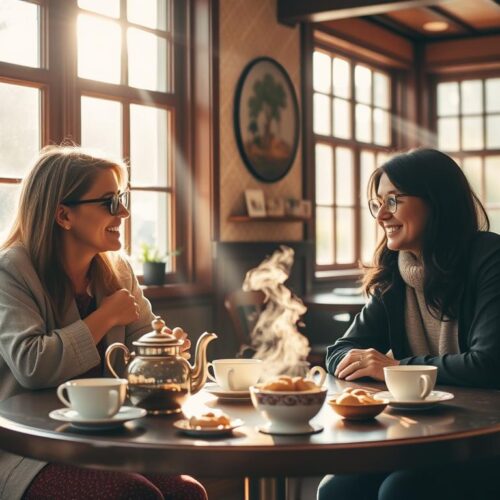
When you meet someone, you often do it over a cup of tea. This act is a sign of welcome and a way to connect. It started with merchants and diplomats who brought tea from China to London and St. Petersburg.
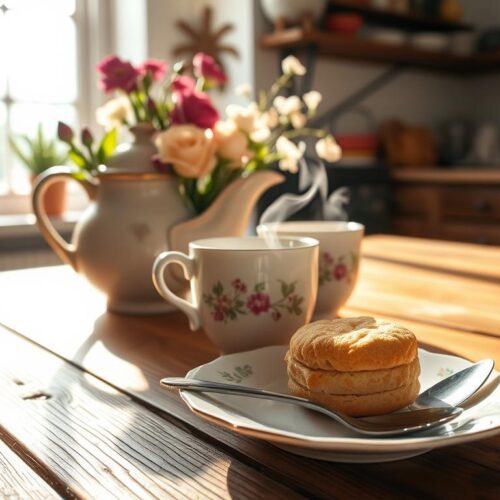
In Victorian times, tea was more than just a drink. It was a sign of class and good manners. People used fancy tea sets and followed strict rules to show their refinement.
Tea became popular across all social classes. What was once a luxury became a common comfort. In the U.S., iced tea became a Southern tradition with its own special meaning.
Today, tea is a way to take a break and relax. It’s a moment to slow down and be mindful. The calmness it brings is thanks to the L-theanine in many teas.
Tea has changed over time, but its meaning has stayed the same. It’s a symbol of hospitality and a shared experience. Britain and Russia adopted Chinese tea traditions and made them their own.
| Aspect | Historic Role | Modern Expression |
|---|---|---|
| Victorian tea | Marker of class, strict etiquette, afternoon socializing | Revived as themed gatherings, heritage events, tea rooms |
| Western tea rituals | Imported customs adapted for social signaling | Casual hospitality, office breaks, mindfulness pauses |
| Tea traditions | Elite medicinal use, ceremonial practices | Regional drinks like Southern iced tea, everyday comfort |
| Tea symbolism | Exchange, identity, refinement | Belonging, calm, cultural memory |
| Spiritual tea | Occasional ritual or contemplative practice | Home meditation aids, mindful brewing routines |
The Health Benefits of Tea
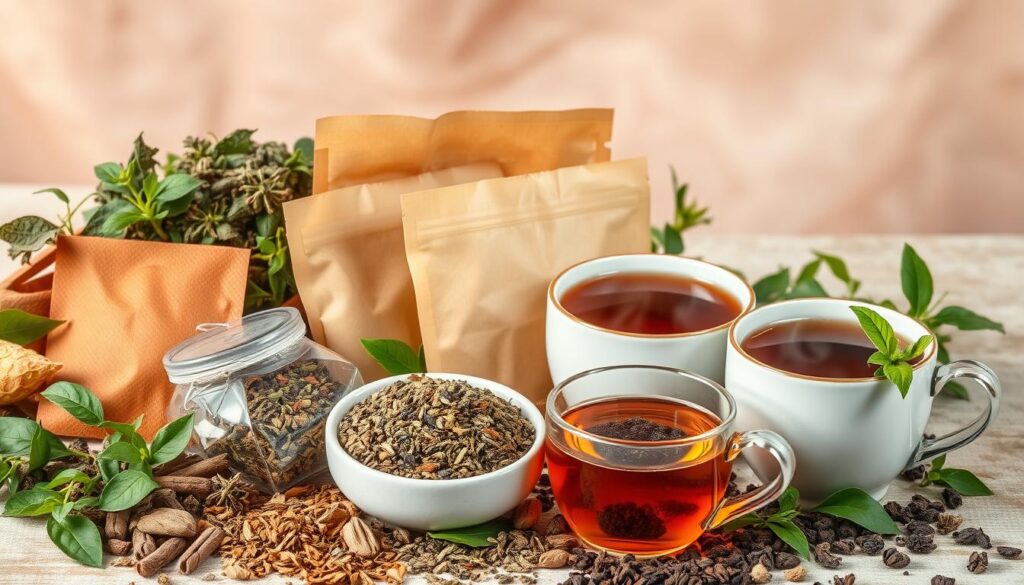
Science and ritual meet in a single cup. Green tea and oolong offer antioxidants and L-theanine. L-theanine calms the mind, while moderate caffeine keeps you alert but calm.
Studies show that drinking tea regularly can lower cortisol. This helps manage stress and brings a sense of balance, tied to tea symbolism.
Herbal teas like chamomile and peppermint are used for digestion and calming. These blends fit into tea traditions that combine flavor with function. Choosing herbal teas for an evening cup connects you to a history of comfort and healing.
Preparing and sipping tea becomes a spiritual practice. It engages sight, smell, and touch, bringing you into the present moment. Seeing tea as a mindful act helps you slow down and notice small changes in breath and mood.
Traditional Chinese medicine and Ayurveda treat tea as both food and medicine. Texts from Lu Yu onward describe tea’s role in health. In Ayurveda, chai spices aid digestion and warmth. These systems show how tea traditions link physical effects to cultural meaning.
Use tea to support routines, not expect instant cures. A morning cup of green tea can prepare you for meditation. An afternoon oolong may steady your mood at work. A bedtime chamomile or lavender infusion helps ease into rest. Each choice reflects the health benefits of tea and the deeper tea symbolism that surrounds daily rituals.
| Type | Key Compounds | Typical Benefit | Place in Tradition |
|---|---|---|---|
| Green tea | Antioxidants, L-theanine | Relaxed alertness, antioxidant support | Used before meditation in East Asian tea practices |
| Oolong | Polyphenols, moderate caffeine | Balanced mood, digestion support | Favored in Chinese tea ceremonies and daily tea traditions |
| Chamomile (herbal teas) | Apigenin, flavonoids | Calmness, sleep aid, digestion relief | Common in European folk medicine and bedtime rituals |
| Peppermint (herbal teas) | Menthol, volatile oils | Soothes digestion, refreshes breath | Used worldwide for calming and digestive comfort |
| Chai (Ayurvedic blends) | Ginger, cardamom, cinnamon | Warming, supports digestion | Integral to Indian tea traditions and daily balance |
Tea and Meditation Practices
Turning a simple cup into a ritual can center your mind. Making tea engages your senses. You listen to boiling water, smell the leaves, and feel the cup’s warmth. These steps are the start of mindful tea and set a calm mood for meditation.
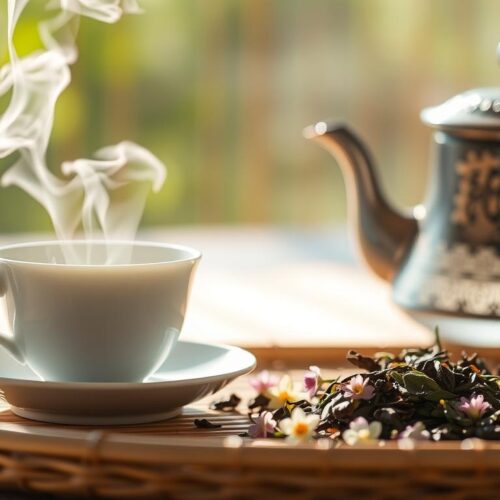
Choose tea with a purpose. Green or oolong teas are good for meditation because they help you stay calm yet alert. Prepare each step carefully: measure leaves, heat water, and watch steam rise. Drink slowly to make a daily habit into a mindful pause.
The Japanese tea ceremony is a model for disciplined reflection. It involves silence, purification, and trained movements, mirroring meditation. The idea of ichi-go ichi-e teaches us to honor each moment as unique, deepening tea’s symbolism.
Chinese Buddhist monks used tea to stay alert during long meditation and prayer. Tea was part of their cultivation and study. Writers like Lu Yu saw tea as a key part of contemplative life, showing its spiritual role in monastic routines.
Try simple tea rituals daily. Use the same cup, limit distractions, and count breaths between sips. These small acts build familiarity and help you focus more quickly.
Below is a compact guide to start your own meditation tea routine.
| Step | Action | Purpose |
|---|---|---|
| 1 | Select tea intentionally (green or oolong) | Support calm alertness and set intention |
| 2 | Prepare slowly and mindfully | Engage senses and anchor attention |
| 3 | Observe silence for a few minutes | Create contemplative space like a ceremony |
| 4 | Sip with full attention | Turn drinking into a meditation practice |
| 5 | Reflect briefly on gratitude | Connect ritual to daily life and tea symbolism |
Regular practice deepens your awareness and links everyday routine to spiritual tea traditions. By focusing on tea, you can cultivate calm and centeredness. This supports longer meditation sessions and enriches your tea rituals.
The Role of Tea in Religious Ceremonies
Tea has deep roots in Zen monasteries in Japan and Chan halls in China. Monks used it to stay awake during long prayers. This practical use evolved into a ritual of mindfulness.
Sen no Rikyu transformed the Japanese Way of Tea into a spiritual practice. His teachings, like ichi-go ichi-e, made each tea moment special. Tea rituals now reflect Buddhist humility through purification, quiet speech, and careful movements.
In Chinese monasteries, tea was cultivated for temple use, income, and as offerings to the Buddha. This spread tea symbolism across East Asia. Tea in temples blended devotion with everyday life, creating shared cultural rituals.
In Muslim-majority societies, tea isn’t a formal sacrament. Yet, Moroccan mint tea and Turkish çay are key in gatherings for prayer, funerals, and weddings. These customs strengthen social bonds and reflect communal values in religious settings.
Religious tea rituals vary greatly. Some are formal and scripted, like temple ceremonies. Others are more casual, like serving tea after a mosque meeting. Each ritual shows how spiritual tea fosters care and connection.
When you join these practices, notice the importance of movement and silence. The cup, scent, and sharing all carry deep meaning. This is where tea symbolism meets the essence of faith in cultural rituals.
Tea as a Symbol of Hospitality
A simple cup can start a conversation. In Asia, North Africa, and the American South, tea is a sign of welcome. When you’re offered a cup, it means you’re safe and belong.
In China, Gongfu tea ceremonies focus on serving others with care. In Morocco, mint tea rituals create moments around the samovar. These tea traditions make pouring a thoughtful act that strengthens bonds.
In Tibet and Nepal, butter tea honors guests. In Turkey, the çaydanlık and tulip glasses make visits intimate. In the Southern United States, iced tea offers comfort and invites conversation.
Tea can ease meetings, bridge differences, or celebrate special moments. The act of brewing and serving sets the tone for trust and community.
Try a simple ritual when welcoming guests with tea. Choose a familiar blend, heat water carefully, and offer a second cup. These choices keep tea traditions alive in today’s world.
Cultural Variations of Tea Preparation
In Tibet, tea is mixed with yak butter, salt, and leaves for warmth and energy. This mix is part of their survival and welcoming guests. It shows how tea can be more than just a drink.
In Morocco, tea is poured high to create foam, welcoming guests. This act turns making tea into a special event. It shows the importance of tea beyond taste.
China has many ways to make tea, like steaming and pressing leaves. Lu Yu’s texts guide the use of water and tools. These methods have shaped tea traditions and trade routes.
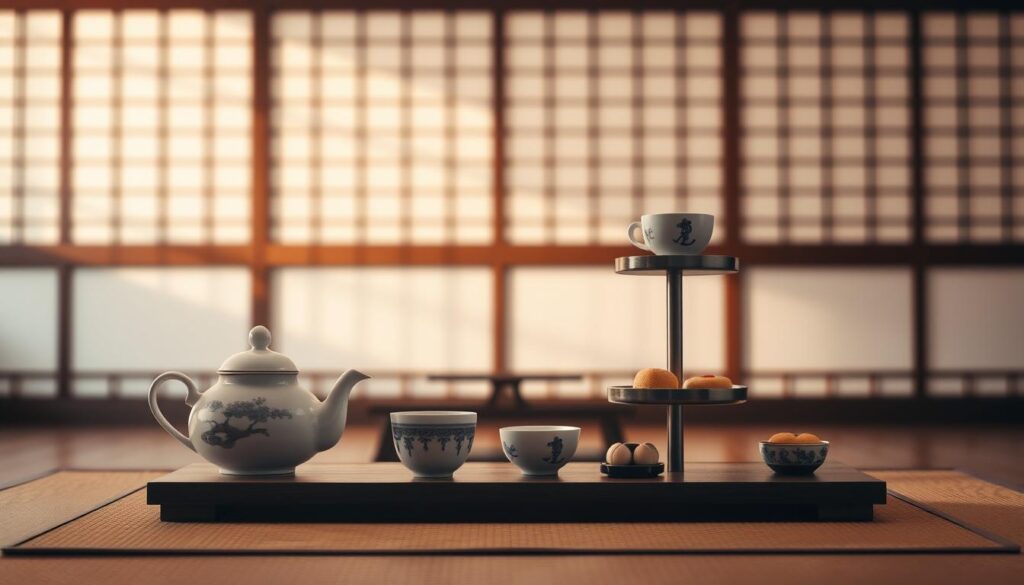
Japan’s tea ritual, temae, is all about precise steps and tools. There are different bowls for summer and winter. This shows respect and meaning in their tea ceremonies.
In India, masala chai is made with spices like cardamom and ginger. These spices vary by region. It connects daily tea with local culture and social life.
Tea-making shows cultural messages. Each method reflects values, status, and community roles. Tea traditions are like a language, understood through texture, heat, and movement.
The table below shows how tea-making differs across regions.
| Region | Typical Ingredients | Primary Purpose | Social Context |
|---|---|---|---|
| Tibet | Black tea leaves, yak butter, salt | Nutrition and warmth | Daily sustenance, guest reception |
| Morocco | Gunpowder green tea, mint, sugar | Refreshment and welcome | Hospitality rituals, family gatherings |
| China | Varied: steamed, roasted, pressed leaves | Ceremonial refinement and commerce | Regional identity, historical tribute systems |
| Japan | Matcha, seasonal utensils | Contemplation and formality | Tea rooms, formal guest-host relationships |
Tea-making shows cultural rituals and values. The way tea is prepared and served tells stories. Every cup shared carries these meanings.
Advancements in Tea Symbolic Practices
Modern mindfulness tea rituals blend old tea traditions with new. You can find urban tea gatherings and mindful brewing at home. These practices let you focus on intention without needing formal ceremonies.
In Japan, chaji is taught in schools, but there are also simpler sessions. Places like Maikoya in Kyoto and Tokyo offer a taste of contemporary tea ceremonies. Here, you can rent a kimono, learn the basics in English, and connect with history.
Tea schools and certification programs keep the essence of tea alive. They adapt to our fast-paced lives. By carefully selecting leaves, following steps, and serving cups with respect, we keep tea’s symbolism alive.
Tea festivals and special events highlight the communal aspects of spiritual tea. These gatherings feature vendors, tastings, and demonstrations. They encourage reflection and a sense of shared identity.
UNESCO’s recognition of Chinese tea processing and its social practices has raised awareness. You can visit tea houses or cultural events to see how rituals and heritage shape today’s practices.
By joining a tea gathering, you become part of evolving traditions. The mix of formality and informality makes spiritual tea relevant and meaningful in different settings.
The Art of Tea Presentation
Make ritual simple yet striking by focusing on sensory details. The pale green foam of whisked matcha, the warm ceramic cup, or the high pour of Moroccan mint tea all highlight the moment.
Japanese tea rooms and houses focus on arrangement. They use alcove scrolls, seasonal flowers, and chosen utensils that follow wabi-sabi lines. The order of utensils, like the tea bowl and caddy, shows respect and the season.
Chinese tea gatherings pair wares and art to deepen the experience. Historic choices like Yue celadon and Xing ware influenced how tea was served. Lu Yu suggested specific pots and water sources to enhance taste and spiritual practice.
Thoughtful display reinforces tea symbolism. The placement of tools, the choice of cup, and even a simple cloth signal hospitality and intention. These small decisions guide your focus and make tea rituals sacred without being too much.
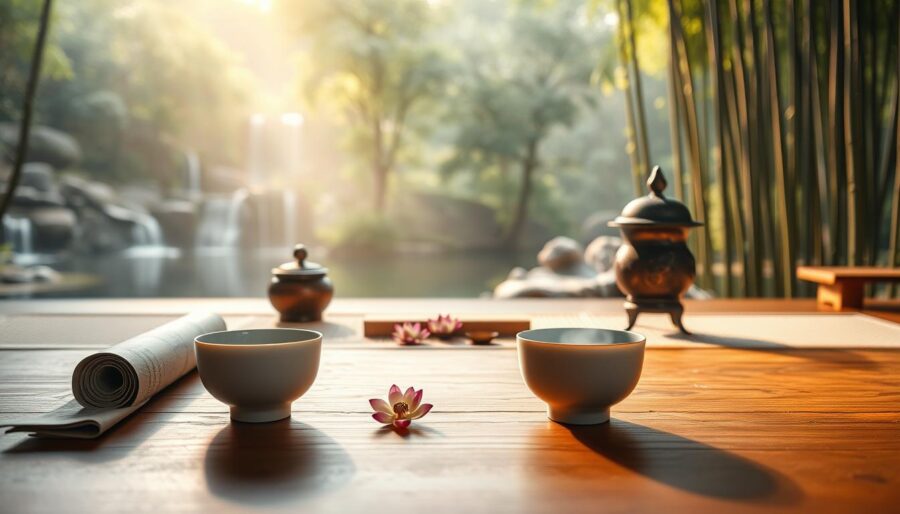
When setting up a space, aim for tea aesthetics that calm the eye and steady the hand. Natural textures, muted colors, and functional beauty help you transition from doing to being. This transition makes tea rituals short, accessible meditations.
Use the table below to compare presentation elements across traditions and the effect each choice has on your experience.
| Tradition | Key Presentation Elements | Primary Sensory Focus | Ritual Effect |
|---|---|---|---|
| Japanese | Wabi-sabi utensils, alcove scroll, seasonal flowers, hierarchical placement | Visual harmony, tactile warmth | Calm attention, respect for seasonality |
| Chinese | Celadon and porcelain wares, calligraphy, tea art, careful water choice | Visual detail, aroma balance | Refined appreciation, link to cultural art |
| Moroccan | High pour, ornate tray, metal teapot, layered glassware | Auditory pour, visual foam, cooling touch | Communal energy, lively hospitality |
| Contemporary home practice | Minimal set, natural textiles, intentional lighting | Comfort, hand feel | Accessible meditation, daily ritual |
Personal and Shared Rituals with Tea
Make an ordinary cup special by choosing tea leaves carefully. Heat the water just right and take a moment to enjoy the aroma and texture. This pause helps calm your mind and lowers stress.
Green and oolong teas are great for solo moments. They have L-theanine to calm the mind and a bit of caffeine to keep you alert. Drink slowly, breathe between sips, and let the senses guide your thoughts.
Communal tea is different. Traditions like Gongfu, Moroccan mint service, Indian chai gatherings, and Turkish çay create a sense of warmth and belonging. Serving tea to others is a kind act that strengthens friendships.
Historic Chinese tea gatherings combined poetry, music, and debate. They showed how tea shaped public life. Tea houses were places for deep conversations, linking people to art, thought, and each other.
Today, we have modern tea festivals and tea houses that keep these traditions alive. They mix ceremony with casual meetups, helping people share stories tied to tea.
When you practice spiritual tea alone or with others, your choices matter. Use a favorite teapot, invite a friend, or read a verse between pours. These actions connect us to cultural memory and personal meaning.
Try balancing personal tea moments with communal tea events. This way, you nurture self-awareness and relationships through a simple cup. Both paths keep tea symbolism alive.
Conclusion: Embracing Tea’s Spiritual Essence
Tea is a gentle friend for moments of clarity and calm. By focusing on brewing, aroma, and the warmth of a cup, you make tea a mindful practice. The chemicals in tea, like L-theanine and antioxidants, help reduce stress and improve focus.
The Japanese idea of ichi-go ichi-e and the four tea ceremony principles—wa, kei, sei, jaku—offer simple guidance. They teach us to value each moment, respect, and seek quiet in our actions. These teachings help us keep tea traditions alive in our busy lives.
Chinese tea history is rich, from Shen Nong to Lu Yu’s Classic of Tea and UNESCO recognition. It shows tea’s deep meaning in culture. Whether alone or with others, tea connects us to tradition, health, and community. Choose teas with purpose, respect the process, and let tea open doors to presence and connection.