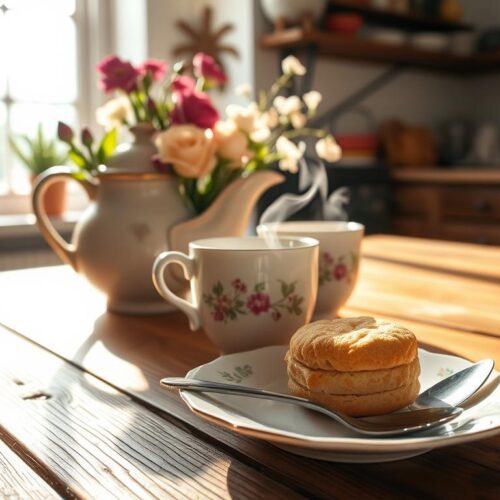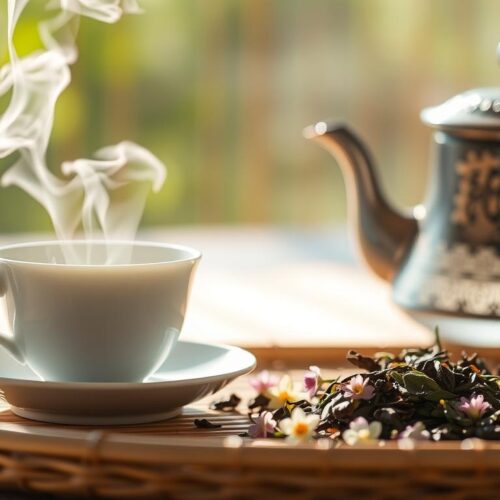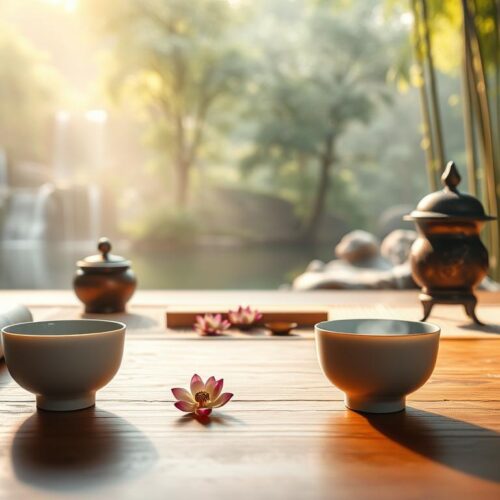

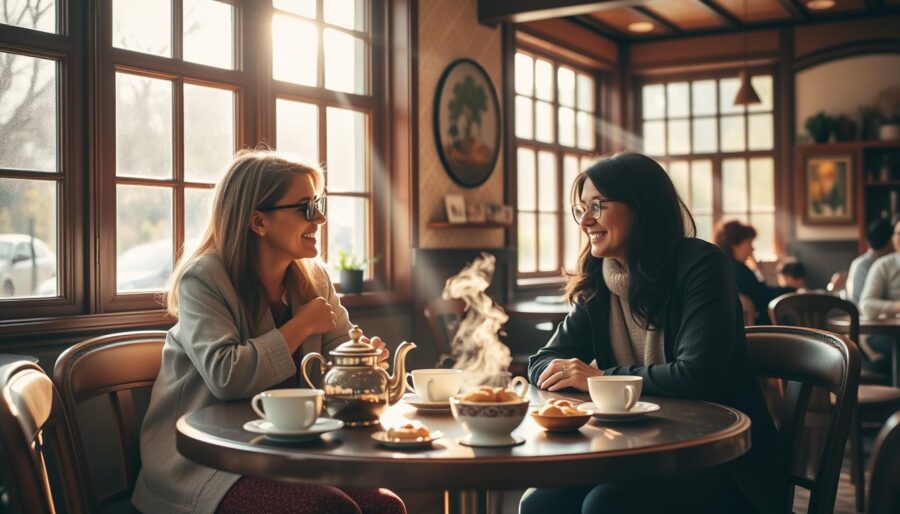
Tea has always been a source of warmth and belonging. In Japan, Chanoyu is a refined ritual. In Turkey and Morocco, tea houses buzz with life. These rituals show how sharing tea can connect us across time and place.
Tea and friendship grow in both formal ceremonies and casual cups. These rituals shape our conversations, calm our stress, and show care. They are a reliable way to connect with others.
Small businesses also play a big role in building community. Jenwey Tea Co. LLC in Lowell, MA, is a great example. They blend, package, and promote lifestyle teas. They link customers, local shops, and wholesale partners. This shows how tea can support local economies and community spaces.
The history of tea starts in China, with stories of Emperor Shennong. The Sang Han period and Tang Dynasty saw its spread. This history gives our tea moments a deep cultural anchor. It explains why sharing tea feels meaningful across generations.
In the sections that follow, we’ll see how these rituals strengthen bonds. They support mental well-being and build local community networks. We’ll explore both tradition and modern innovation.
Introduction: Why tea rituals matter for community building
Tea rituals are common in homes, cafes, and public events in the US and UK. They offer a chance to listen, show kindness, and build trust. Afternoon tea, for example, helps keep communities close.
Offering tea is a clear sign of welcome in many cultures. Inviting a neighbor for tea can start meaningful conversations and cultural exchange. These rituals promote respect and steady interaction without stress.
There are many types of tea rituals, from casual cups to formal practices like Chado or Gongfu. Each one provides a structure that makes people feel safe and valued. A casual tea ceremony can mark important moments, solve issues, or celebrate achievements.
Even in busy lives, tea rituals can thrive thanks to modern innovations. Herbal teas, iced tea, and tea sommeliers make it easy to create special moments. These tools help bring tea and friendship into various settings, like office kitchens or farmers markets.
This article will explore how tea rituals and sharing tea foster both immediate comfort and lasting connections. We’ll discuss practical ways to create shared moments, measure their impact, and adapt traditions to strengthen community bonds.
| Ritual Type | Setting | Key Benefit |
|---|---|---|
| Everyday shared cups | Home, workplace | Frequent contact that builds reliable bonds |
| Casual tea ceremony together | Community center, garden | Low-stakes space for dialogue and mutual respect |
| Formal traditions (Chado, Gongfu) | Tea rooms, cultural events | Structured practice that fosters attentive presence |
| Innovative formats | Cafes, packaged iced tea, pop-ups | Accessible entry points for new participants |
tea and friendship
Sharing a warm cup of tea can bring people closer. It’s a chance to share stories and secrets. These moments become regular times to connect with friends and family.
Tea can break down social barriers. Whether it’s a family pot in Argentina or tea with friends at home, it helps us bond. It makes it easy to stay in touch across generations.
Preparing tea helps us slow down. The gentle caffeine and the ritual of making tea keep our focus. This makes our conversations more meaningful and longer-lasting.
Brands like Jenwey Tea Co. help create tea rituals with their blends and events. They offer special blends and gatherings. This encourages us to have a tea ceremony together, without the need for formality.
Tea rituals offer a space for both casual and deep conversations. When we share tea, we practice being present. It’s a way to make time for each other, naturally and often.
| Friendship Moment | How to Use Tea | Expected Benefit |
|---|---|---|
| Weekly catch-up | Host a fixed tea hour with a calming blend | Consistent contact and deeper updates |
| Intergenerational visit | Share a family pot or mate gourd | Cross-age storytelling and shared memory |
| Quiet conversation | Use a slow brewing tea ceremony together | Focused listening and emotional disclosure |
| New friendship | Invite someone to a tasting or blended event | Safe, low-pressure bonding through ritual |
Historical roots of communal tea practices
The history of tea begins in ancient China. Records from the Sanghan period and stories of Emperor Shennong started it all. Early tea cultivation in Fujian and Yunnan made sharing leaves and stories a common practice.
Tea traveled far and wide. The Tang Dynasty made tea popular in courts and markets. Maritime trade and the Tea Horse Road connected Yunnan and Sichuan to Tibet, spreading tea and traditions.
Buddhist monasteries in China, Korea, and Japan made tea a meditation companion. Zen practice introduced quiet cups into daily life. This influenced formal tea rituals, adopted by towns and villages.
By the 17th century, trade with Europe changed social habits. The British adopted afternoon and high tea. The Dutch and British East India Company started plantations in India and Ceylon. This linked local tea traditions to global markets.
Sharing a pot of tea meant more than just refreshment. It showed hospitality and built friendships. It passed down traditions and created networks of care across regions.
Tea ceremonies as structured spaces for connection
You walk into a room where every action has a purpose. In Chado, each step is taken slowly to bring calm. The matcha bowl, the cloth, and the bow all lead you to a quiet space with others.
Gongfu tea also focuses on connection but in a different way. It uses precise pouring and small cups to sharpen your senses. You and others focus on the tea’s aroma, temperature, and texture together.
Tea rituals provide a structure for connection. They offer a script for how to interact. Etiquette and aesthetics create a shared mood, guiding conversations to deeper levels.
Tibetan butter tea combines ceremony with practical needs. It’s served at set times, keeping everyone warm and in sync. It’s a way to share warmth, food, and presence in one act.
Joining a tea ceremony makes you part of a shared experience. Social tea rituals go beyond small talk. They encourage you to listen, pay attention, and reflect with others.
Below is a table comparing Chado, Gongfu tea, and Tibetan butter tea. It shows how different tea traditions shape social spaces and foster connection.
| Tradition | Core practice | Tea ritual structure | Social effect |
|---|---|---|---|
| Chado (Japanese) | Matcha whisked and served in a formal sequence | Highly scripted movements, emphasis on humility and respect | Creates quiet intimacy and shared meditation |
| Gongfu tea (Chinese) | Multiple short infusions with sensory focus | Precise brewing, repeated tasting rounds | Fosters technical appreciation and close conversation |
| Tibetan butter tea | Salted, buttered tea served communally | Scheduled communal servings tied to daily life | Reinforces hospitality and communal rhythm |
Participating in these rituals helps build connections. They slow down time, offer clear roles, and invite shared meaning.
Tea houses and cafes as community hubs
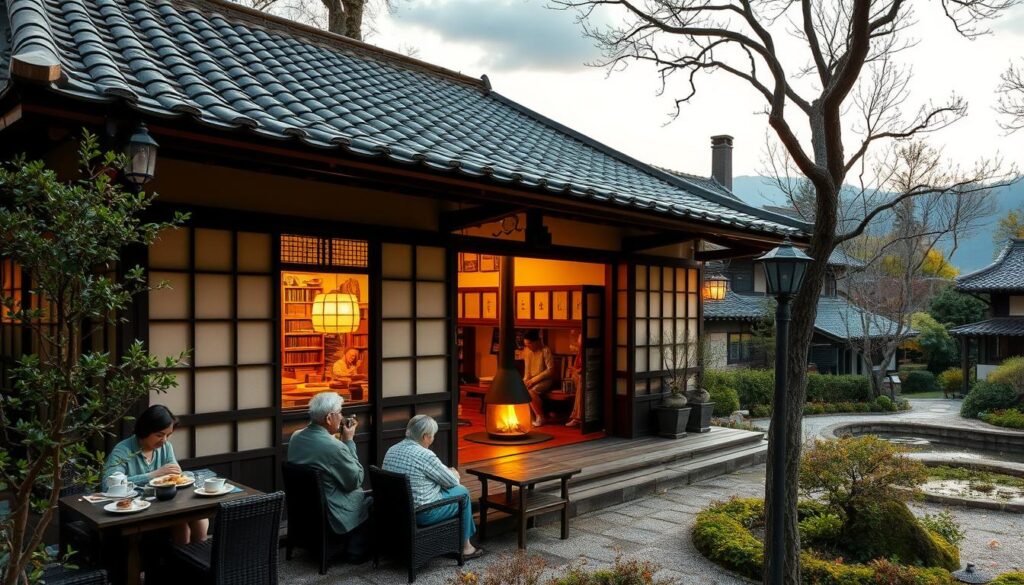
In Casablanca and Istanbul, tea houses are where neighbors meet to talk about politics and plan business. In Buenos Aires and South America, mate circles unite people of all ages and backgrounds. They share tea and stories together.
Modern tea cafes host tastings, cultural events, and workshops. Jenwey Tea Co. offers evenings of tea education, strengthening local bonds and fostering tea friendships.
These places are where people meet regularly, building trust. Visiting a local tea cafe with set hours can lead to small interactions. These interactions build social capital and strengthen the community.
Specialty shops employ tea sommeliers and curate tasting menus. They run events that bring newcomers and long-time residents together. This makes tea houses more than just places to buy tea; they become community hubs.
When you share tea at a cafe or tea house, you join a tradition that makes introductions easier. These repeated meetings can turn into friendships and community involvement.
The role of hospitality in social tea rituals
When you walk into a home or tea house, being offered tea means you’re welcome. In many cultures, giving tea is a sign of respect and care. You see this in Moroccan foam pouring, British tea with milk and pastries, and Indian masala chai with spices.
These gestures show guests they are important. They make people feel more connected and valued.
Small actions can break down barriers. Sharing a pot or trying something new at a café can start conversations. These moments help build social tea rituals that bring people together.
Monastic and family tea practices add a formal touch to hospitality. Buddhist tea sessions and family tea times teach us about gratitude and giving back. Sharing tea is more than just a drink; it’s a way to connect and form lasting friendships.
Hosts pay attention to details like cup temperature and pouring order. These small acts of kindness invite guests to return and deepen relationships. They turn social tea rituals into ongoing traditions, not just one-time events.
You can use these ideas for your own gatherings. Create a welcoming space, follow a consistent pouring rhythm, and offer different flavors. By focusing on hospitality and tea, you can build bridges between people. This approach helps create strong community bonds through tea friendship.
Tea, mindfulness, and emotional connection
Tea can help you breathe slowly and be present. Buddhist and Zen teachings connect tea with calmness. The Japanese Chado tradition shows how making tea becomes a mindful ritual.
When you drink tea mindfully, pay attention to its smell, warmth, and taste. This focus helps you stay grounded. Sharing a cup of tea makes the moment feel closer and more steady.
Tea can reduce stress and create a safe space. In this space, people feel more comfortable opening up. This strengthens friendships by encouraging honest conversations and supportive listening.
Stories of Bodhidharma and monks using tea for alertness are important today. These stories inspire simple ways to find calm before talking or checking in with yourself.
Use simple prompts to guide conversations: notice a sensation, name an emotion, or take a slow sip. These prompts help build empathy. They lead to deeper connections and clearer communication.
| Practice | Action | Effect on Group |
|---|---|---|
| Chado-style preparation | Follow measured steps in front of guests | Creates calm tone and focused attention |
| Sensory check-in | Ask everyone to note aroma and warmth | Encourages shared presence and lowers reactivity |
| Single-sip silence | Pause after a sip for 10 seconds | Allows reflection and reduces conversational rush |
| One-word feeling round | Each person names one feeling | Builds emotional connection and mutual understanding |
Tea and community health: physical and social benefits
Tea is a simple way to support your body and your community. Green tea has antioxidants that protect cells. Black tea has flavonoids that help the heart.
Herbal teas like chamomile and peppermint ease digestion and calm the nervous system. Shared tea moments boost community health by creating routine social contact. When you invite a neighbor for a cup, you help reduce loneliness.
Regular gatherings build social networks that people rely on during stress or illness. Traditional beverages show how tea meets physical needs in harsh settings. Tibetan butter tea supplies calories and warmth for mountain communities.
Modern trends favor organic and fair-trade tea, reflecting public health and ecological concerns. You can weigh these when choosing brands like Numi or Traditional Medicinals. Social benefits of tea go beyond conversation. Tea friendship fosters emotional support, improves mood, and encourages healthier habits.
Groups that meet around tea share recipes, wellness tips, and local resources. This strengthens resilience. You should speak with a physician about medicinal claims and interactions, if you take medication. Tea’s mix of gentle physical effects and regular social contact makes it a low-cost, public-health-friendly activity for many communities.
Tea rituals in religious and spiritual communities
In Zen practice, tea is called Chado. It supports presence and gratitude in a simple cup. Monks use it to mark meditation transitions, steady breath, and offer quiet reflection.
Tibetan and Himalayan monasteries have butter tea as part of daily life. Shared bowls move through the room with chants and hospitality. This ties individual practice to group identity.
Across faiths, religious tea ceremonies honor elders and welcome new families. Tea is poured at weddings and rites of passage. It shows respect and binds social ties gently.
Spiritual tea rituals teach values like simplicity, harmony, and mindful speech. Participating in a tea ceremony together makes these values real. They shape how people act toward each other.
Tea and friendship grow from these rituals. The ceremony frames conversation and listening. It lets you slow down and connect, strengthening bonds.
Studying religious tea ceremonies shows the meaning of small gestures. Serving, bowing, and offerings teach a language of care. This keeps communities resilient and cohesive.
Tea traditions that cross age, class, and culture
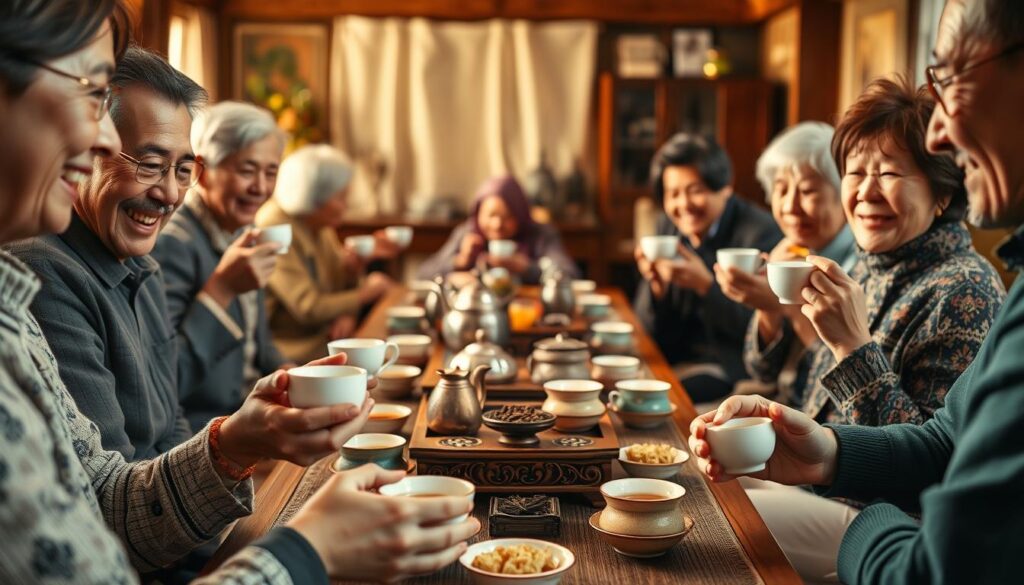
Tea knows no borders or social lines. In Argentina, mate brings neighbors and students together. In Britain, a simple afternoon tea marks family time.
These rituals show how tea can break down status and start conversations.
In Morocco and Turkey, tea houses are like community living rooms. Men and women meet, share news, and form strong bonds. Tea friendship grows from slow pouring and repeated visits.
Japan’s chanoyu connects people through careful gestures and shared beauty. The ceremony ties strangers, elders, and youth together. It creates a moment of unity.
Festivals, tastings, and events turn formal tea practices into open invitations. Communities try new teas like iced blends and herbal brews. These changes make tea more appealing to everyone.
Businesses and nonprofits can use tea’s universal appeal. Host tastings at libraries or community tables at farmers markets. Small steps can build tea friendship across divides.
Start by inviting people to a guided tasting. Explain the tea’s origins and encourage stories. You’ll find that tea can bridge many gaps.
Modern innovations that support communal tea experiences
Tea innovation is seen in new ways to share tea. Now, you can make tea cakes and vacuum-packed bags for groups. Herbal teas come in single-serve pouches for easy variety.
Ready-to-drink iced tea and canned cold-brew are perfect for outdoor events. They fit into our fast-paced lives and make gatherings easy. Places like Jenwey Tea Co. and cafés host tastings and classes, fostering tea friendships.
Having a tea sommelier changes how we explore flavors. They lead workshops on steeping and tasting notes. You leave with memories and skills that enrich your tea rituals.
Technology lets us connect for virtual tea sessions. Live streams, kits, and social media threads build community. They keep the ritual alive while reaching more people.
For events, mix it up. Offer herbal teas, iced tea, and a tea sommelier’s tasting. Your gatherings will be unique and rooted in tradition.
Tea and local economies: building community through small business
Tea small businesses are like neighborhood anchors. Jenwey Tea Co. LLC shows how to make and sell tea locally. They keep strong ties with wholesalers and customers.
Visiting a community tea business boosts local shops. Cafés host events like readings and tastings. These events help local artisans and increase spending.
Sharing tea in public spaces builds trust. Regular events turn customers into neighbors who support local businesses. This support helps businesses stay strong during slow times.
The tea trade has shaped economies for centuries. You can mix old history with new sustainable practices. This creates ethical business models.
Supporting local tea businesses creates jobs and skills. Small cafés hire locals for various roles. This strengthens neighborhood ties and encourages entrepreneurship.
Buying from local tea businesses supports cultural rituals and jobs. Sharing tea at home or in shops keeps traditions alive. It connects daily life to community value.
Partner with local groups to make a bigger impact. Work with farmers’ markets, libraries, and schools for events. These events raise awareness and support local suppliers.
Choosing local tea businesses builds a strong community. Small actions like attending tastings or buying tea can make a big difference. They support local identity and economy.
Practical guide to hosting social tea rituals
First, match the tea ritual to your guests. Choose from a casual meet, a Gongfu tasting, or a Chado-style ceremony. Pick what fits your time, space, and comfort level.
Choose teas that spark conversation. Offer a mix like green, black, herbal, mate, or butter tea. Label each brew and share a bit about its origin and flavor.
Get your tools ready. Clean your teapot, gaiwan, or mate gourd. Arrange cups, napkins, and plates. For big events, team up with local vendors like Jenwey Tea Co. for samples and supplies.
Create a welcoming space. Use soft lighting and a simple centerpiece. Add unobtrusive music and offer small bites to enjoy with tea. Keep things relaxed so everyone feels comfortable.
Use hospitality cues to guide the flow. Greet guests, explain serving order, and pour attentively. These actions make everyone feel included and strengthen tea friendships.
Lead simple mindful prompts. Ask guests to pause, smell the cup, and share a word about the aroma. Keep it brief so newcomers can join easily.
Provide clear instructions for new steps. Show how to lift a gaiwan or sip from a mate gourd. Short demos reduce anxiety and encourage sharing tea.
Plan roles for big gatherings. Assign someone to steward the brew, another to refill cups, and another to welcome newcomers. Clear roles make the event smooth and let people connect naturally.
Use a short checklist before each event. Select teas, clean equipment, set seating, prepare tasting notes, and confirm snacks. A simple plan helps you focus on enjoying the moment.
| Element | Practical Tip | Benefit |
|---|---|---|
| Tea selection | Offer 3 types: green, black, herbal or regional specialty | Encourages tasting variety and sparks conversation |
| Tools | Provide teapot, gaiwan, mate gourd and extra cups | Makes tea ceremony together accessible for all |
| Seating | Arrange chairs in a circle or small clusters | Facilitates eye contact and tea friendship |
| Hospitality cues | Greet, explain serving order, pour attentively | Creates inclusive moments and trust |
| Mindful prompts | Invite smelling, tasting notes, brief reflections | Deepens emotional connection during sharing tea |
| Community partners | Work with local cafes or Jenwey Tea Co. for supplies | Supports local economy and broadens access to hosting tea |
Measuring impact: how to know your tea ritual is building community
Tracking simple numbers can show if your tea rituals are building community. Look at how many people attend, how often they come back, and how many new faces you see. Local tea shops and cafes can also watch their sales to see if their events are helping the community.
But numbers alone don’t tell the whole story. You need to hear people’s experiences too. Short surveys, interviews, and feedback can show if tea is bringing people together. Look for stories of new friendships, acts of kindness, or help offered during your gatherings.
Also, consider how tea affects people’s health and wellbeing. Ask if it’s reduced stress, loneliness, or if they’re meeting more people. Working with a local clinic or community center can help you see these changes over time.
For a complete picture, mix different methods. Use foot-traffic data, sales, surveys, and interviews. This way, you’ll see both the immediate effects and the long-term benefits of your tea gatherings.
Focus on tracking important metrics every month. Look at how many people attend, how often they come back, and if they’re helping out more. See if your tea gatherings lead to new partnerships, local events, or more volunteers.
Keep your tools simple and affordable. Use short surveys, phone interviews, and sales records from local vendors. Review your data every few months and make changes if needed to keep your tea gatherings strong.
Use the table below to compare common indicators, their source, and how they speak to impact so you can prioritize what to measure next.
| Indicator | Data Source | What it shows | Actionable use |
|---|---|---|---|
| Attendance numbers | Event sign-in sheets, ticketing | Reach and growth of social tea rituals | Adjust capacity, schedule, or promotion |
| Repeat participation rate | Registration records, loyalty cards | Sustained engagement and emerging groups | Create membership perks or follow-up invites |
| Retail/wholesale sales | Café and local tea boutique receipts | Economic spillover from sharing tea | Partner with businesses for co-hosted events |
| Self-reported wellbeing | Short surveys, wellness screenings | Changes in loneliness, stress, social frequency | Introduce mindful tea sessions or support groups |
| Qualitative testimonials | Interviews, written feedback | Personal accounts of tea and friendship forming | Use stories in outreach and grant applications |
| Volunteer and membership growth | Organization records | Expansion of community leadership tied to events | Develop volunteer training and retention plans |
Conclusion
Tea rituals have been around for centuries and are now updated with new ideas. They offer simple ways to strengthen tea and friendship. When you share a tea ceremony with care, it becomes more than just a drink. It becomes a shared experience that brings people together.
To make sharing tea meaningful, focus on being welcoming, mindful, and inclusive. These actions can turn simple meetings into deep connections. Supporting businesses like Jenwey Tea Co. shows how tradition and industry can thrive together.
Try new things like iced tea socials, herb tastings, and pop-up tea sessions. This way, more people can join in. By blending mindfulness with practical steps, you help tea rituals bring people together and build strong communities for the future.