
Stone blasting, a powerful technique in lithic conservation and stone masonry, uses abrasive media propelled at high speeds to clean, etch, or texture stone surfaces. Mastering stone blasting techniques requires a nuanced understanding of the various methods and materials involved. It also demands a steadfast commitment to safety.
This article explores the intricacies of stone blasting, covering abrasive selection, pressure regulation, safety protocols, and specific techniques for both cleaning and texturing. Understanding these elements ensures effective and responsible stone restoration or modification.
Whether you’re a seasoned stone mason or a conservation enthusiast, gaining proficiency in stone blasting techniques is invaluable. This knowledge will empower you to achieve desired aesthetic outcomes while preserving the integrity of the stone.
Understanding Abrasive Blasting Media
The selection of the appropriate abrasive blasting media is critical for successful stone blasting. Different media vary in hardness, size, and shape, each affecting the outcome on the stone surface.
Sand, though historically used, is now largely discouraged due to health hazards associated with silica dust. Safer alternatives like garnet, glass beads, and crushed walnut shells are preferred.
Garnet is a moderately aggressive abrasive suitable for removing tough coatings and stains. Glass beads offer a gentler approach, ideal for cleaning delicate stone without causing significant abrasion.
Crushed walnut shells are among the softest abrasives, perfect for removing surface dirt and grime from sensitive stone types. The choice depends on the stone’s hardness and the nature of the material being removed.
The hardness of the abrasive must be carefully considered in relation to the stone being treated. Using an overly aggressive abrasive can lead to irreversible damage, such as pitting or excessive material removal.
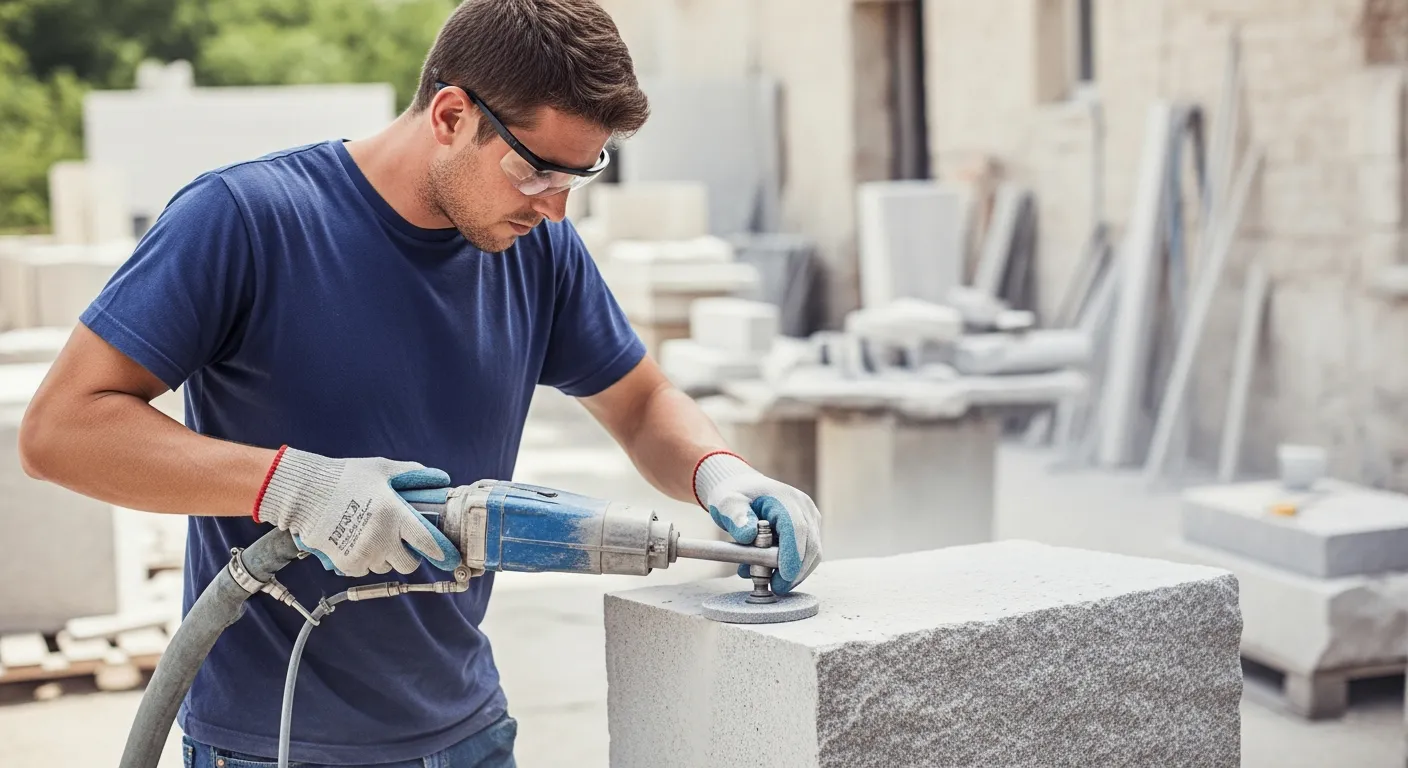
Particle size also plays a crucial role in the final result. Finer particles are generally used for delicate cleaning or creating a smooth texture, while coarser particles are better suited for removing heavy coatings or creating a rougher surface.
The shape of the abrasive particles also impacts the blasting process. Angular abrasives, like garnet, tend to cut more aggressively, while rounded abrasives, like glass beads, offer a more gentle cleaning action.
Recycled glass is becoming increasingly popular as an abrasive media due to its environmentally friendly nature. It offers a good balance of cleaning power and gentleness, making it suitable for a wide range of stone types.
Organic abrasives, such as corn cob grit or rice husks, are also available. These are biodegradable and suitable for removing light coatings or dirt from sensitive stone surfaces.
Before commencing any stone blasting project, it’s essential to conduct thorough testing with different abrasive media. This allows you to determine the most effective and safest option for the specific stone and desired outcome.
Selecting the Right Blasting Pressure
Blasting pressure is another critical factor in stone blasting techniques. Too much pressure can damage the stone, while too little may not achieve the desired effect.
Lower pressures are generally recommended for softer stones like sandstone and limestone. Higher pressures can be used on harder stones like granite, but with careful monitoring.
Always start with the lowest possible pressure and gradually increase it until the desired cleaning or texturing is achieved. Regular inspection of the stone surface during blasting is essential to prevent over-abrasion.
Experience and judgment play a significant role in determining the optimal blasting pressure for each project. Consider conducting test patches on inconspicuous areas of the stone to fine-tune the pressure settings.
The distance between the nozzle and the stone surface also influences the effective pressure. A closer distance increases the impact force, while a greater distance reduces it.
The angle at which the abrasive stream hits the stone surface also affects the outcome. A perpendicular angle results in a more aggressive cleaning or texturing, while an oblique angle is gentler.
Consider using a pressure regulator to maintain a consistent blasting pressure throughout the project. Fluctuations in pressure can lead to uneven cleaning or texturing.
For delicate cleaning, consider using a variable pressure blasting system. This allows you to adjust the pressure on the fly, providing greater control over the process.
Always monitor the stone surface closely for any signs of damage, such as pitting, cracking, or excessive material removal. If damage occurs, immediately reduce the pressure or switch to a less aggressive abrasive.
Document the pressure settings and abrasive media used for each project. This information can be valuable for future reference and ensure consistent results.
Safety Precautions for Stone Blasting
Safety is paramount when undertaking stone blasting. The potential hazards associated with abrasive blasting necessitate strict adherence to safety protocols.
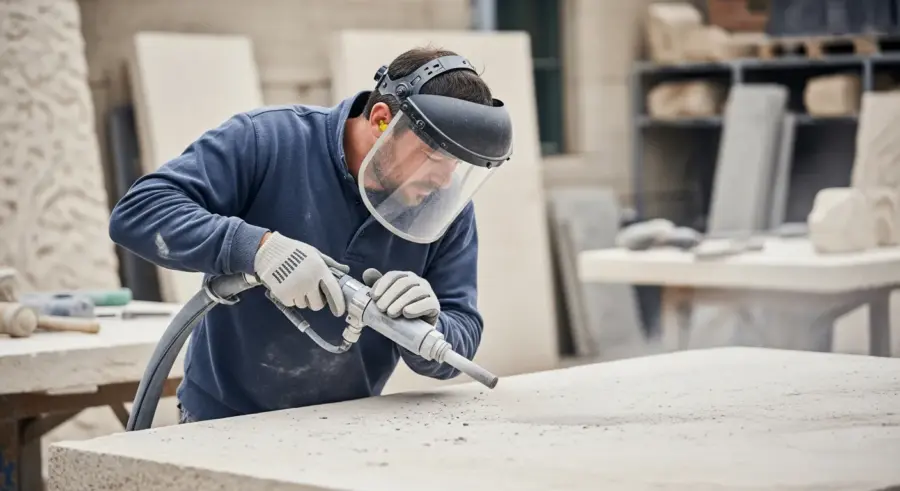
Always wear appropriate personal protective equipment (PPE), including a NIOSH-approved respirator, safety goggles, hearing protection, and protective clothing. Proper ventilation is crucial to minimize exposure to dust and debris.
| Safety Precaution | Description | Importance |
|---|---|---|
| Respirator | NIOSH-approved, filters fine particles | Prevents inhalation of harmful dust |
| Safety Goggles | Protects eyes from flying debris | Avoids eye injuries |
| Hearing Protection | Earplugs or earmuffs | Reduces noise-induced hearing damage |
| Protective Clothing | Coveralls, gloves, boots | Shields skin from abrasion and debris |
| Ventilation | Adequate airflow in work area | Minimizes dust concentration |
Ensure that the blasting area is properly contained to prevent dust and debris from affecting surrounding areas. Follow all local and federal regulations regarding abrasive blasting operations.
A properly fitted respirator is crucial for protecting your lungs from harmful dust particles. Ensure that the respirator is NIOSH-approved and that you are properly trained in its use and maintenance.
Safety goggles should be impact-resistant and provide a tight seal around your eyes. Consider using a full-face shield for added protection.
Hearing protection is essential, as stone blasting can generate high levels of noise. Earplugs or earmuffs should be rated to reduce noise levels to a safe range.
Protective clothing, such as coveralls, gloves, and boots, should be made of durable material to protect your skin from abrasion and debris. Consider using leather gloves for added protection.
Adequate ventilation is crucial for minimizing dust concentration in the work area. Use exhaust fans or other ventilation systems to remove dust and debris from the air.
Regularly inspect your PPE for wear and tear, and replace it as needed. Proper maintenance of your safety equipment is essential for ensuring its effectiveness.
Be aware of the potential hazards associated with the abrasive media being used. Some abrasives may contain hazardous materials that require special handling and disposal procedures.
Blasting Techniques for Cleaning Stone
Stone blasting is an effective method for removing dirt, grime, paint, and other unwanted coatings from stone surfaces. The key to successful cleaning lies in selecting the right abrasive and pressure for the specific stone type and contaminant.
For general cleaning, begin with a gentle abrasive like glass beads or crushed walnut shells and low pressure. Work in a systematic manner, overlapping each pass to ensure even cleaning.
For tougher stains or coatings, a more aggressive abrasive like garnet may be necessary. Increase the pressure gradually, monitoring the stone surface closely for any signs of damage.
Maintain a consistent distance and angle between the blasting nozzle and the stone surface for uniform cleaning. Rinse the cleaned area thoroughly with water to remove any residual abrasive material.
When removing paint, consider using a paint stripper before blasting. This can help to soften the paint and make it easier to remove with less aggressive blasting.
For removing biological growth, such as algae or moss, consider using a biocide before blasting. This will help to kill the growth and prevent it from returning.
If the stone surface is particularly dirty or stained, consider pre-cleaning it with a mild detergent and water. This can help to remove loose dirt and debris and improve the effectiveness of the blasting process.
When blasting delicate stone, consider using a wet blasting technique. This involves mixing water with the abrasive media to reduce dust and minimize the risk of damage to the stone.
Always test a small, inconspicuous area of the stone before blasting the entire surface. This will allow you to determine the most effective abrasive and pressure settings without risking damage to the entire project.
After blasting, thoroughly inspect the stone surface for any remaining dirt, stains, or coatings. Repeat the blasting process as needed, using a gentler abrasive or lower pressure if necessary.
Blasting Techniques for Texturing Stone
Stone blasting can also be used to create a variety of textures on stone surfaces. This technique is often employed to restore the original appearance of weathered stone or to add visual interest to new construction.
To achieve a uniform texture, use a consistent abrasive, pressure, and nozzle distance. Experiment with different nozzle angles and patterns to create various effects.
- Lightly etch the surface for a matte finish
- Create a more pronounced texture for a rustic look
- Focus on specific areas to highlight details
- Use stencils for intricate designs
- Combine blasting with hand tooling for unique effects
For a more aggressive texture, consider using a coarser abrasive and higher pressure. Be cautious when texturing softer stones, as they are more susceptible to damage.
Using stencils allows for the creation of intricate patterns and designs on the stone surface. Secure the stencil firmly to the stone and carefully blast the exposed areas.
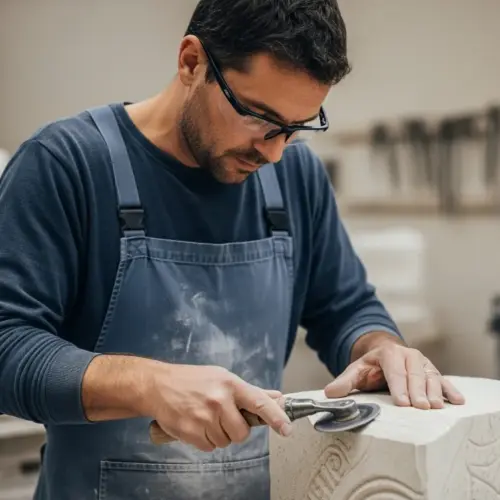
Combining stone blasting with hand tooling techniques can create unique and visually appealing effects. Use hand tools to refine the texture created by blasting or to add additional details.
Experiment with different nozzle angles and patterns to achieve a variety of textures. A perpendicular angle will create a more aggressive texture, while an oblique angle will create a softer texture.
Consider using a variable pressure blasting system to create subtle variations in texture. This allows you to adjust the pressure on the fly, providing greater control over the process.
When texturing stone, it’s important to maintain a consistent distance between the nozzle and the stone surface. This will help to ensure a uniform texture across the entire surface.
After texturing, thoroughly clean the stone surface to remove any remaining abrasive material. This will help to prevent staining and ensure the longevity of the texture.
Consider applying a sealant to protect the textured stone surface from weathering and staining. Select a sealant specifically designed for the type of stone you’re working with.
Post-Blasting Cleaning and Sealing
After stone blasting, thorough cleaning is essential to remove any remaining abrasive residue. This step ensures the longevity and aesthetic appeal of the treated stone.
Use a soft brush and clean water to gently scrub the surface, paying close attention to crevices and textured areas. A pressure washer can be used, but exercise caution to avoid damaging the stone.
Once the stone is clean and dry, consider applying a sealant to protect it from future staining and weathering. Select a sealant specifically designed for the type of stone you’re working with.
Follow the manufacturer’s instructions carefully when applying the sealant, ensuring even coverage and proper drying time. Regular maintenance and reapplication of the sealant may be necessary to maintain long-term protection.
Before applying a sealant, ensure the stone is completely dry. Trapped moisture can interfere with the sealant’s adhesion and effectiveness.
Consider using a breathable sealant that allows moisture to escape from the stone. This can help to prevent damage caused by trapped moisture, such as spalling or cracking.
Apply the sealant in thin, even coats, following the manufacturer’s recommendations. Multiple thin coats are generally more effective than a single thick coat.
Allow the sealant to dry completely before exposing the stone to water or other elements. The drying time will vary depending on the type of sealant and the environmental conditions.
Regularly inspect the sealed stone surface for any signs of damage or deterioration. Reapply the sealant as needed to maintain long-term protection.
Document the type of sealant used and the date of application. This information can be helpful for future maintenance and reapplication.
Alternative Stone Blasting Techniques
While traditional sandblasting is effective, alternative methods like bead blasting and water blasting offer unique benefits. Bead blasting uses small glass beads to clean surfaces without aggressive abrasion.
This method is ideal for delicate stones or surfaces that require a smooth, polished finish. Water blasting, on the other hand, uses high-pressure water to remove dirt and grime.
Water blasting is a less abrasive option that is particularly effective for removing biological growth and loose debris. Some water blasting systems incorporate abrasive media for enhanced cleaning power, offering a versatile solution for various stone types.
The choice between these stone blasting techniques depends on the specific requirements of the project and the condition of the stone. Consider the environmental impact and regulatory requirements associated with each method.
Cryogenic blasting, which uses dry ice particles, is another alternative. This method is particularly effective for removing coatings and contaminants without damaging the underlying stone.
Laser cleaning is a non-abrasive technique that uses focused laser beams to remove dirt and grime. This method is ideal for delicate or historic stone surfaces.
Chemical cleaning involves the use of specialized chemicals to dissolve or loosen dirt and grime. This method can be effective for removing stubborn stains or coatings, but it’s important to select the right chemicals for the specific stone type.
Consider the cost and availability of each stone blasting technique when making your decision. Some methods may require specialized equipment or training.
Evaluate the environmental impact of each technique. Some methods may generate more dust or waste than others.
Always consult with a qualified stone restoration professional to determine the best stone blasting technique for your specific project.
Troubleshooting Common Stone Blasting Issues
Even with careful planning, issues can arise during stone blasting. Understanding common problems and their solutions can save time and prevent damage to the stone.
Uneven cleaning can occur if the blasting nozzle is held at an inconsistent distance or angle. Adjust your technique to maintain a uniform approach, overlapping each pass slightly.
If the abrasive media is not flowing properly, check for clogs in the blasting equipment or moisture in the air supply. Ensure that the abrasive is dry and free of debris.
Dust clouds can obscure the work area, making it difficult to see the results. Improve ventilation and consider using a dust suppression system to minimize airborne particles.
If the stone surface is becoming pitted or damaged, reduce the blasting pressure or switch to a less aggressive abrasive. Monitor the stone surface closely for any signs of damage.
If the abrasive media is becoming embedded in the stone surface, reduce the blasting pressure or switch to a finer abrasive. Thoroughly clean the stone surface after blasting to remove any remaining abrasive material.
If the blasting equipment is malfunctioning, consult the manufacturer’s instructions or contact a qualified technician for assistance. Do not attempt to repair the equipment yourself unless you are properly trained.
If you are unsure about any aspect of the stone blasting process, consult with a qualified stone restoration professional. They can provide guidance and assistance to ensure a successful outcome.
Always document any issues that arise during stone blasting and the steps taken to resolve them. This information can be helpful for future reference and troubleshooting.
Regularly inspect your blasting equipment for wear and tear, and replace any worn or damaged parts. Proper maintenance of your equipment is essential for ensuring its safe and efficient operation.
Conclusion
Mastering stone blasting techniques is a valuable skill for anyone involved in lithic conservation or stone masonry. By understanding the different abrasive media, pressure settings, and safety precautions, you can effectively clean, texture, and restore stone surfaces.
Whether you choose sandblasting, bead blasting, or water blasting, careful planning and execution are essential for achieving the desired results. Always prioritize safety and follow best practices to protect yourself and the stone.
The knowledge and skills gained through understanding stone blasting techniques will allow you to approach stone restoration projects with confidence. You will also be able to make informed decisions about the best methods and materials to use.
Remember to continuously learn and adapt as new technologies and techniques emerge in the field of stone conservation. Staying up-to-date with the latest advancements will ensure that you are providing the best possible care for stone structures and artifacts.