
Stone finishing is the art and science of enhancing the natural beauty of stone surfaces. It involves a variety of techniques to achieve different textures, sheens, and protective qualities. Understanding these methods is key for both preserving historical stonework and creating stunning new installations.
Whether you’re a seasoned stone mason or a homeowner looking to improve your understanding, this guide will provide valuable insights. We will cover honing, polishing, texturing, sealing, maintenance, and troubleshooting, providing a comprehensive overview of the world of stone finishing.
Mastering these techniques allows you to bring out the best in any stone, ensuring its longevity and visual appeal. Let’s begin our exploration of stone finishing techniques, unlocking the potential hidden within every slab.
Honing Stone for a Smooth, Matte Finish
Honing is a stone finishing technique that creates a smooth, matte surface. This process is ideal for surfaces where a non-reflective, natural look is desired.
Honed finishes are commonly used for flooring, countertops, and wall cladding. The resulting surface is less slippery than polished stone, making it a practical choice for high-traffic areas.
The honing process involves using abrasive pads or stones with progressively finer grits. This gradually removes imperfections and creates a uniform, smooth surface without a high level of shine.
Unlike polishing, honing does not close the pores of the stone completely, which can make it slightly more susceptible to staining. However, this also means that honed surfaces often retain more of the stone’s natural texture and character.
Achieving a consistent honed finish requires patience and attention to detail. It’s important to work methodically, ensuring that each area receives the same amount of abrasion.
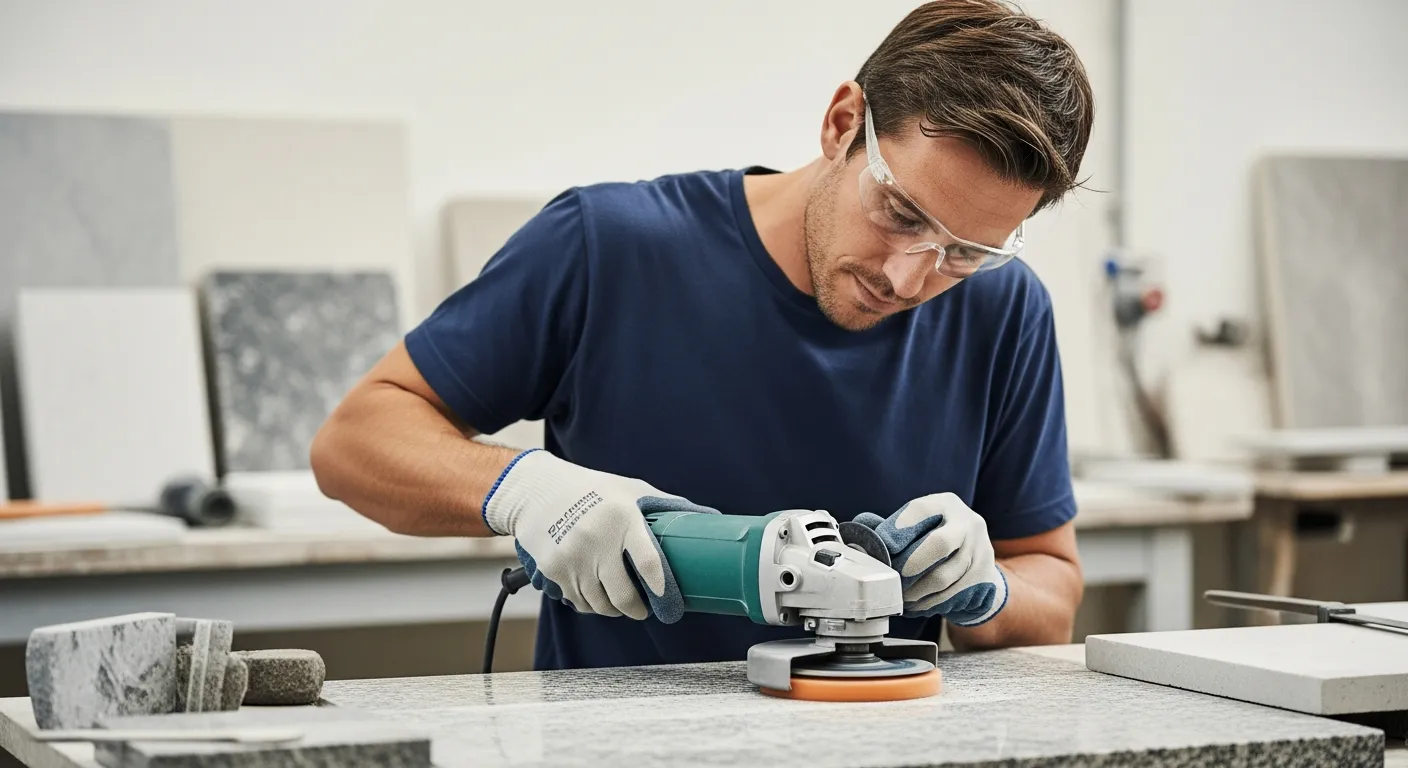
Proper honing enhances the stone’s color and pattern without adding an artificial gloss. This makes it a popular choice for those seeking a more understated, natural aesthetic in their stone installations.
When honing stone, it is crucial to select the appropriate abrasive for the specific type of stone. Softer stones require finer grits to prevent excessive material removal and potential damage.
Harder stones can withstand coarser grits, allowing for faster material removal and a more aggressive honing process. Always test the honing process on a small, inconspicuous area before applying it to the entire surface.
Water is often used as a lubricant during the honing process to help carry away debris and keep the abrasive pads clean. This also helps to prevent the stone from overheating, which can cause damage or discoloration.
The number of passes required to achieve the desired honed finish will depend on the initial condition of the stone and the grit of the abrasive being used. It’s essential to inspect the surface regularly to ensure that the honing is progressing evenly.
Honing can also be used to remove minor scratches and imperfections from existing stone surfaces. This can restore the stone’s original appearance and extend its lifespan.
After honing, it is important to thoroughly clean the stone surface to remove any residual abrasive or debris. This will ensure that the honed finish is clean and uniform.
A honed finish offers a timeless appeal that complements a variety of architectural styles. Its understated elegance makes it a versatile choice for both residential and commercial applications.
Furthermore, the matte surface of honed stone provides excellent slip resistance. This is especially important in areas prone to moisture, such as bathrooms and kitchens.
The lack of reflectivity in a honed finish also minimizes glare. This creates a more comfortable and visually appealing environment.
In addition to its aesthetic and practical benefits, honing is also a relatively low-maintenance finish. Regular cleaning with a pH-neutral cleaner is typically all that is required to keep a honed surface looking its best.
Honing is a versatile and practical choice for those seeking a natural, understated look for their stone surfaces. Its smooth, matte finish offers a timeless appeal that complements a variety of architectural styles.
Polishing Stone to Achieve a High-Gloss Shine
Polishing is the process of creating a highly reflective, glossy surface on stone. This finish is often associated with luxury and elegance, making it a popular choice for countertops, floors, and decorative elements.
Polished stone surfaces are achieved through a multi-step process. This involves using progressively finer abrasive compounds to smooth the stone and then burnishing it to a high shine.
The polishing process closes the pores of the stone, making it more resistant to staining and water damage. This also enhances the stone’s color and brings out its natural patterns.
However, polished surfaces can be more slippery than honed or textured finishes. This is especially true when wet, making it important to consider safety when choosing a polished finish for flooring.
Maintaining a polished finish requires regular cleaning and occasional re-polishing to maintain its shine. Avoid using abrasive cleaners, which can scratch the surface and dull the finish.
When done correctly, polishing can transform ordinary stone into a stunning focal point. The resulting high-gloss surface reflects light beautifully, adding depth and dimension to any space.
The specific abrasives used in the polishing process vary depending on the type of stone being polished. Diamond abrasives are commonly used for harder stones, such as granite and marble.
Softer stones, such as limestone and travertine, require gentler abrasives to prevent scratching. The polishing process typically involves several stages, starting with coarse abrasives to remove imperfections and gradually progressing to finer abrasives to achieve a high shine.
Burnishing is the final step in the polishing process. This involves using a soft pad or brush to further smooth the surface and enhance its reflectivity.
The amount of pressure applied during polishing is crucial to achieving a consistent finish. Too much pressure can cause the stone to overheat or scratch, while too little pressure may not be effective in removing imperfections.
Water is typically used as a lubricant during the polishing process to help carry away debris and keep the abrasives cool. This also helps to prevent the stone from overheating and cracking.
Polished stone surfaces require regular cleaning to maintain their shine. Use a pH-neutral cleaner specifically designed for stone to avoid damaging the finish.
Avoid using abrasive cleaners, which can scratch the surface and dull the shine. It is also important to wipe up spills immediately to prevent staining.
In high-traffic areas, it may be necessary to re-polish the stone periodically to restore its shine. This can be done by a professional stone restoration company.
Polished stone surfaces offer a luxurious and elegant look that can enhance the value of any home. Their high reflectivity can brighten up a room and create a sense of spaciousness.
However, it is important to consider the potential drawbacks of polished stone, such as its slipperiness and susceptibility to scratching. With proper care and maintenance, a polished stone finish can last for many years.
Choosing the right type of stone for polishing is also important. Some stones, such as granite and marble, are naturally more suited to polishing than others.
Texturing Stone to Create Visual Interest
Texturing stone involves creating a non-smooth surface to add visual interest and tactile appeal. There are many Stone Finishing Techniques to achieve different textures, each offering a unique aesthetic.
Textured finishes can range from subtle to dramatic, depending on the technique used. This allows for a high degree of customization to suit different design styles.
| Texturing Technique | Description | Typical Applications |
|---|---|---|
| Bush Hammering | Creates a rough, heavily textured surface using a specialized hammer. | Exterior paving, wall cladding |
| Sandblasting | Uses abrasive particles propelled by compressed air to etch the surface. | Signage, decorative panels |
| Flaming | Applies intense heat to the stone, causing the surface to exfoliate and become rough. | Exterior paving, countertops |
| Chiseling | Involves manually removing small pieces of stone with a chisel to create a textured surface. | Sculptures, decorative details |
| Leather Finish | A textured finish that feels like leather, achieved by using diamond brushes. | Countertops, wall cladding |
Bush hammering involves using a specialized hammer with a textured head to create a rough, pitted surface. The intensity of the texture can be controlled by varying the force and angle of the hammer blows.
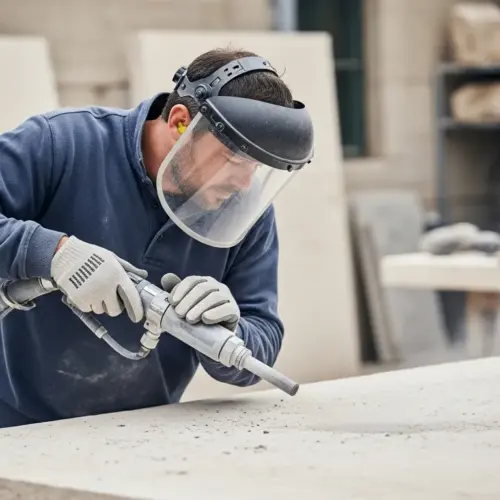
Sandblasting uses compressed air to propel abrasive particles against the stone surface, etching away the material and creating a textured finish. The type of abrasive used and the pressure of the air can be adjusted to achieve different levels of texture.
Flaming involves applying intense heat to the stone surface, causing the outer layer to exfoliate and become rough. This technique is commonly used on granite to create a non-slip surface for exterior paving.
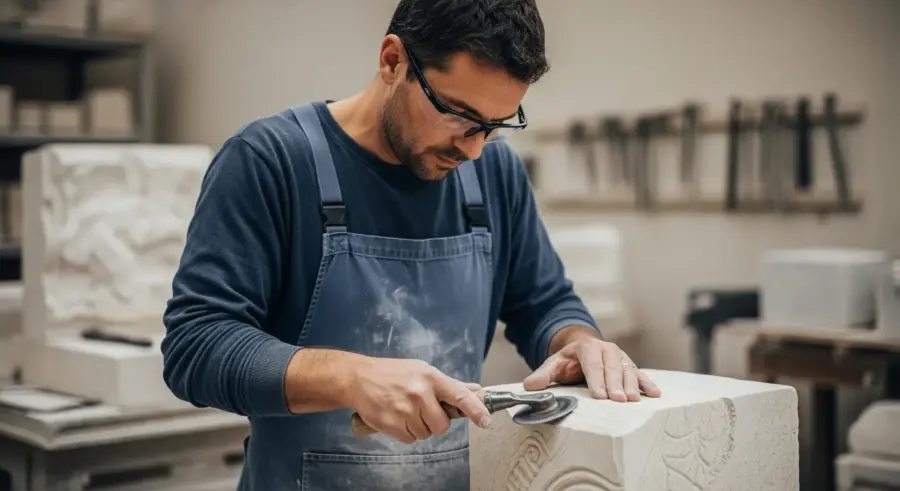
Chiseling is a manual technique that involves using a chisel and hammer to remove small pieces of stone, creating a textured surface. This technique is often used to create decorative details and sculptures.
A leather finish is achieved by using diamond brushes to create a soft, textured surface that feels like leather. This finish is becoming increasingly popular for countertops and wall cladding.
The choice of texturing technique will depend on the type of stone, the desired aesthetic, and the intended use of the surface. Some texturing techniques are better suited for exterior applications, while others are more appropriate for interior use.
Texturing can also be used to hide imperfections in the stone surface. A textured finish can help to mask minor scratches, chips, and other blemishes.
Textured stone surfaces can add a unique and distinctive touch to any project. They can create a sense of depth, dimension, and visual interest.
In addition to their aesthetic benefits, textured stone surfaces can also provide practical advantages. For example, a textured finish can improve slip resistance, making it a safer choice for flooring in wet areas.
Texturing can also enhance the durability of stone surfaces. A textured finish can make the stone more resistant to scratching, chipping, and other types of damage.
When choosing a texturing technique, it is important to consider the maintenance requirements. Some textured finishes are more difficult to clean than others.
It is also important to seal textured stone surfaces to protect them from staining and water damage. A good sealer will help to maintain the beauty and integrity of the textured finish.
Texturing stone is a versatile and creative way to add visual interest and tactile appeal to any project. With a wide range of techniques available, there is a textured finish to suit every taste and application.
Applying Sealers to Protect Stone Finishes
Sealing is a critical step in protecting stone finishes from stains, water damage, and other environmental factors. A good sealer penetrates the stone and creates a barrier against liquids and contaminants.
There are two main types of sealers: penetrating sealers and surface sealers. Penetrating sealers soak into the stone and protect from within, while surface sealers form a protective layer on top of the stone.
Penetrating sealers are generally preferred for natural stone because they don’t alter the appearance of the stone. They also allow the stone to breathe, preventing moisture buildup.
Surface sealers can provide a higher level of protection, but they can also change the look and feel of the stone. They are also more prone to scratching and wear.
The type of sealer you choose will depend on the type of stone, the finish, and the intended use of the surface. Always follow the manufacturer’s instructions when applying a sealer.
Regularly resealing your stone surfaces will help to maintain their beauty and extend their lifespan. This is especially important in high-traffic areas and areas exposed to moisture or spills.
Before applying a sealer, it is important to thoroughly clean the stone surface. This will remove any dirt, dust, or debris that could interfere with the sealer’s penetration.
Allow the stone to dry completely before applying the sealer. Moisture trapped beneath the sealer can lead to problems such as efflorescence and staining.
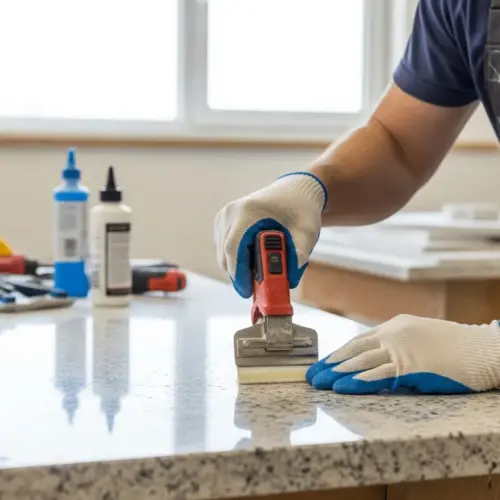
Apply the sealer evenly, using a brush, roller, or sprayer. Avoid applying too much sealer, as this can leave a sticky residue on the surface.
Allow the sealer to penetrate the stone for the recommended amount of time. This will vary depending on the type of sealer and the porosity of the stone.
Wipe off any excess sealer with a clean cloth. This will prevent the formation of a film on the surface.
Allow the sealer to cure completely before using the surface. This can take anywhere from 24 to 72 hours, depending on the type of sealer.
Test the sealer’s effectiveness by applying a few drops of water to the surface. If the water beads up, the sealer is working properly. If the water soaks into the stone, the sealer needs to be reapplied.
The frequency of resealing will depend on the type of stone, the finish, and the amount of traffic the surface receives. High-traffic areas may need to be resealed more frequently than low-traffic areas.
Choosing the right sealer for your stone finish is essential for protecting its beauty and longevity. Consider the type of stone, the finish, and the intended use of the surface when selecting a sealer.
Always read and follow the manufacturer’s instructions when applying a sealer. This will ensure that you get the best possible results.
Sealing is an investment in the long-term beauty and durability of your stone surfaces. By taking the time to seal your stone, you can protect it from stains, water damage, and other environmental factors.
Maintaining Stone Finishes for Long-Lasting Beauty
Proper maintenance is essential for preserving the beauty and integrity of stone finishes. Regular cleaning and preventative measures can help to avoid damage and keep your stone looking its best.
The specific maintenance requirements will vary depending on the type of stone and the finish. However, some general guidelines apply to all stone surfaces.
- Clean regularly with a pH-neutral cleaner
- Avoid abrasive cleaners and scrubbing pads
- Wipe up spills immediately
- Use mats and rugs in high-traffic areas
- Re-seal periodically as needed
Regular cleaning is essential for removing dirt, dust, and debris that can dull the finish of stone surfaces. Use a pH-neutral cleaner specifically designed for stone to avoid damaging the finish.
Avoid using abrasive cleaners, which can scratch the surface and dull the shine. Also, avoid using scrubbing pads, which can also scratch the surface.
Wipe up spills immediately to prevent staining. Some substances, such as coffee, wine, and juice, can stain stone surfaces if left to sit for too long.
Use mats and rugs in high-traffic areas to protect the stone from scratches and wear. This is especially important in areas where people are likely to be wearing shoes.
Re-seal periodically as needed to maintain the protection of the stone. The frequency of resealing will depend on the type of stone, the finish, and the amount of traffic the surface receives.
For polished stone surfaces, use a soft cloth or mop to clean the surface. Avoid using stiff brushes or abrasive cleaners, as these can scratch the finish.
For honed stone surfaces, use a slightly damp cloth or mop to clean the surface. Avoid using excessive amounts of water, as this can damage the stone.
For textured stone surfaces, use a soft brush or vacuum cleaner to remove dirt and debris from the crevices. Avoid using abrasive cleaners, as these can damage the texture.
To remove stubborn stains, use a poultice specifically designed for stone. A poultice is a paste that is applied to the stain and allowed to dry. As the poultice dries, it draws the stain out of the stone.
Protect stone surfaces from heat by using trivets and coasters. Hot pots and pans can damage the finish of stone surfaces.
Avoid placing heavy objects on stone surfaces, as this can cause them to crack or chip. If you must place a heavy object on a stone surface, use a protective pad to distribute the weight.
By following these simple maintenance tips, you can keep your stone finishes looking beautiful for years to come. Proper maintenance is an investment in the long-term value of your home.
Consider professional cleaning services for deep cleaning and restoration. These services can help to remove stubborn stains and restore the shine of stone surfaces.
Always test any cleaning product or technique on a small, inconspicuous area before applying it to the entire surface. This will help to ensure that the product or technique does not damage the stone.
Troubleshooting Common Stone Finishing Problems
Even with proper care, stone finishes can sometimes develop problems. Understanding common issues and how to address them can save you time and money.
One common problem is staining, which can occur when liquids penetrate the stone. Act quickly to absorb any spills, then clean the area with a stone cleaner.
Etching, which is caused by acidic substances, can also damage stone finishes. This appears as dull spots or rings on the surface.
Scratches are another common issue, particularly on polished surfaces. Minor scratches can often be buffed out, while deeper scratches may require professional repair.
Efflorescence, a white powdery substance that appears on the surface of stone, is caused by mineral salts. This can usually be removed with a stiff brush and water.
If you encounter problems that you can’t resolve yourself, it’s best to consult with a professional stone restoration specialist. They can assess the damage and recommend the appropriate course of action.
For stain removal, identify the source of the stain before attempting to clean it. Different types of stains require different cleaning methods.
For etching, consider using a polishing compound specifically designed for stone. This can help to restore the shine to the etched area.
For scratches, start by cleaning the area with a stone cleaner. Then, use a polishing compound and a soft cloth to buff out the scratches.
For efflorescence, make sure the area is well-ventilated to prevent future occurrences. Consider addressing the source of the moisture that is causing the efflorescence.
When dealing with any stone finishing problem, always test your cleaning or repair method on a small, inconspicuous area first. This will help to ensure that you don’t damage the stone.
Avoid using harsh chemicals or abrasive cleaners on stone surfaces. These can damage the finish and cause further problems.
If you are unsure about how to address a particular stone finishing problem, it is always best to consult with a professional. They have the knowledge and experience to properly diagnose and repair the damage.
Prevention is always the best approach to stone finishing problems. By taking proper care of your stone surfaces, you can minimize the risk of damage and keep them looking their best for years to come.
Regular cleaning, sealing, and preventative measures can help to avoid many common stone finishing problems. Invest in quality stone care products and follow the manufacturer’s instructions carefully.
Remember that different types of stone require different care. Research the specific needs of your stone and adjust your maintenance routine accordingly.
Conclusion
Stone finishing techniques offer a wide range of options for enhancing the beauty and durability of stone surfaces. From honing to polishing to texturing, each method creates a unique aesthetic and serves a specific purpose.
By understanding these techniques, you can make informed decisions about how to finish and maintain your stone surfaces. Proper care and maintenance will ensure that your stone installations remain beautiful for years to come.
The world of stone finishing is vast and varied, offering endless possibilities for creating stunning and durable surfaces. From the subtle elegance of a honed finish to the high-gloss shine of polished stone, there is a technique to suit every taste and application.
By understanding the different stone finishing techniques and their associated benefits and drawbacks, you can make informed decisions about how to enhance the beauty and longevity of your stone surfaces.
Remember that proper care and maintenance are essential for preserving the beauty and integrity of stone finishes. Regular cleaning, sealing, and preventative measures can help to avoid damage and keep your stone looking its best for years to come.
Whether you are a seasoned stone mason or a homeowner looking to improve your understanding, we hope this guide has provided you with valuable insights into the world of stone finishing techniques.
With the knowledge and skills you have gained, you can now confidently select the appropriate finishing techniques for your stone surfaces and ensure their long-lasting beauty and durability.
Embrace the artistry and science of stone finishing, and unlock the potential hidden within every slab. Transform ordinary stone into stunning focal points that will enhance the beauty and value of your home or project.
Continue to explore the world of stone finishing and discover new techniques and materials that can help you achieve your design goals. The possibilities are endless!
And remember, when in doubt, consult with a professional stone restoration specialist. They can provide expert advice and assistance with any stone finishing project.
Thank you for joining us on this journey through the world of stone finishing. We hope you have found it informative and inspiring.
Now, go forth and create beautiful and durable stone surfaces that will stand the test of time!