
Moving heavy stones is a task that requires careful planning, the right equipment, and a strong understanding of safety protocols. Whether you’re a professional stone mason, a landscaper, or a DIY enthusiast, knowing how to safely lift and move these materials is essential for preventing injuries and ensuring the success of your project.
This article will guide you through the various techniques and equipment available for lifting heavy stones, with a focus on safety and efficiency. Mastering these skills will not only protect you and your team, but also allow you to tackle ambitious stone projects with confidence.
From assessing the weight of the stone to employing manual lifting techniques and utilizing mechanical equipment, we’ll cover everything you need to know about lifting heavy stones. Let’s get started with a fundamental aspect: assessing the stone.
Assessing the Weight and Size of the Stone
Before attempting to lift any stone, it’s crucial to accurately estimate its weight. This assessment determines the appropriate lifting method, the necessary equipment, and the number of people required for the task.
A misjudgment can lead to accidents, injuries, or damage to the stone itself. Start by measuring the stone’s length, width, and height in feet.
Multiply these dimensions to calculate the volume in cubic feet. Next, determine the type of stone you’re dealing with, as different types have varying densities.
For example, granite is denser than limestone, meaning a granite stone of the same size will weigh more. You can find the average density of different stone types online or in reference books; multiply the volume by the density (in pounds per cubic foot) to estimate the stone’s weight.
It’s also wise to add a safety margin to your weight estimate. This helps account for any irregularities in the stone’s shape or density. Overestimating is always better than underestimating when it comes to safety.
Consider using online weight calculators specifically designed for stone. These tools often provide more accurate estimates by accounting for various stone types and their specific densities.
Remember to factor in any attached materials, such as mortar or other debris, which can add to the overall weight. Visual inspection can sometimes be misleading, so always rely on accurate measurements and calculations.
If the stone is irregularly shaped, break it down into simpler geometric forms for easier volume calculation. You can then sum the volumes of these individual shapes to get the total volume of the stone.
Using Mechanical Lifting Equipment: Cranes and Forklifts
When dealing with extremely heavy stones, mechanical lifting equipment like cranes and forklifts becomes indispensable. Cranes are ideal for lifting large stones vertically and placing them precisely, while forklifts are better suited for moving stones horizontally across a site.
Before using any mechanical equipment, ensure you’re properly trained and certified to operate it. Inspect the equipment thoroughly before each use, checking for any signs of damage or wear.
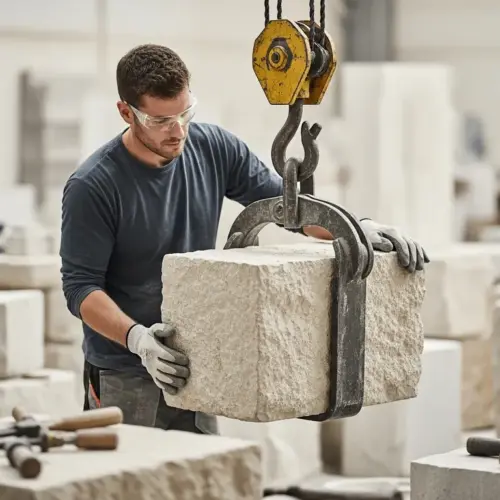
Pay close attention to the lifting capacity of the equipment and never exceed it. When using a crane, use appropriate rigging, such as slings or chains, that are rated for the weight of the stone.
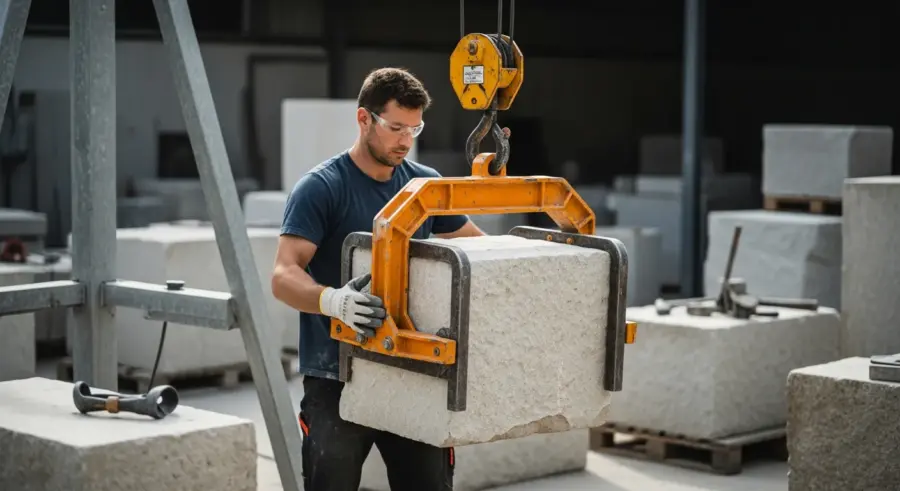
Ensure the rigging is properly attached to the stone and that the load is balanced before lifting. For forklifts, use pallet forks or specialized stone handling attachments to securely grip and lift the stone.
Always consult the manufacturer’s guidelines for the specific crane or forklift model you are using. These guidelines will provide critical information on safe operating procedures and maintenance requirements.
Consider the ground conditions when using heavy equipment. Soft or uneven ground can compromise the stability of the crane or forklift, leading to accidents.
Use outriggers or ground mats to distribute the weight and improve stability on unstable surfaces. Regularly inspect the rigging for signs of wear and tear, such as frayed cables or bent hooks.
Never attempt to repair damaged rigging yourself; replace it with a new, certified component. Ensure that the lifting area is clear of personnel and obstructions before commencing the lift.
Employing Manual Lifting Techniques: Levers and Rollers
For stones that are too heavy to lift directly but don’t require heavy machinery, manual lifting techniques can be effective. Levers and rollers are simple tools that can significantly reduce the force needed to move heavy objects.
A lever is a rigid bar that pivots on a fulcrum to multiply force. To use a lever, position the fulcrum close to the stone and apply force to the other end of the bar.
| Technique | Description | Advantages |
|---|---|---|
| Leverage | Using a rigid bar and fulcrum to multiply force. | Reduces lifting effort, simple to use. |
| Rolling | Placing stones on cylindrical rollers to reduce friction. | Allows for horizontal movement, requires less force than dragging. |
| Sledding | Pulling stones on a flat platform or sled. | Suitable for uneven terrain, distributes weight. |
| Tilting | Using controlled tilting to shift the stone’s center of gravity. | Helpful for maneuvering stones into position. |
Rollers, such as pipes or logs, can be placed under the stone to reduce friction and allow it to be rolled along the ground. Ensure the rollers are evenly spaced and that the surface is relatively smooth.
When using a lever, choose a sturdy and stable fulcrum that won’t slip or break under pressure. Gradually apply force to the lever, avoiding sudden jerks or movements.
Ensure that the lever is long enough to provide adequate leverage without requiring excessive force. When using rollers, select rollers that are strong enough to support the weight of the stone without deforming or breaking.
Maintain a consistent rolling direction and avoid sudden stops or changes in direction. Use chocks or wedges to secure the stone when it is not being actively moved to prevent it from rolling away.
Consider using a combination of levers and rollers to move particularly heavy stones. The lever can be used to lift the stone slightly, allowing rollers to be placed underneath.
Team Lifting Strategies and Communication
When lifting heavy stones with a team, coordination and communication are paramount. Before lifting, designate a team leader who will direct the operation and ensure everyone is aware of their roles.
The team leader should clearly communicate the lifting plan, including the lifting points, the direction of movement, and any potential hazards. Use clear and concise commands, such as “lift,” “lower,” and “stop,” to synchronize the team’s movements.
Ensure everyone understands the commands and responds accordingly. Maintain eye contact and be attentive to each other’s movements; lift with your legs, keeping your back straight, and avoid twisting.
If anyone feels uncomfortable or unable to safely lift the stone, they should immediately communicate this to the team leader. Regular breaks are essential to prevent fatigue and maintain focus.
Before starting the lift, conduct a brief “toolbox talk” to review the lifting plan and address any concerns. Assign specific roles to each team member, such as spotter, lifter, or guide.
Ensure that everyone is physically capable of performing their assigned role. Use hand signals in addition to verbal commands to communicate in noisy environments. Rotate team members periodically to prevent fatigue and maintain freshness.
Practice the lifting plan beforehand to identify any potential problems or areas for improvement. Encourage team members to speak up if they notice any safety hazards or feel uncomfortable with the lifting process.
Debrief after the lift to discuss what went well and what could be improved for future lifts. Proper communication ensures everyone is on the same page.
Safety Precautions for Lifting Heavy Stones
Safety should always be the top priority when lifting heavy stones. Before starting any lifting operation, conduct a thorough risk assessment to identify potential hazards and implement control measures.
Wear appropriate personal protective equipment (PPE), including safety glasses, gloves, and steel-toed boots. Ensure the work area is clear of obstructions and that there is adequate lighting.
- Wear appropriate PPE (safety glasses, gloves, steel-toed boots)
- Clear the work area of obstructions
- Use proper lifting techniques (lift with legs, keep back straight)
- Communicate clearly with your team
- Take regular breaks to prevent fatigue
Use proper lifting techniques, such as keeping your back straight, bending your knees, and keeping the stone close to your body. Avoid sudden movements or jerking motions.
Ensure that the work area is well-ventilated to prevent the build-up of dust or fumes. Use barriers or warning signs to cordon off the lifting area and prevent unauthorized access.
Regularly inspect lifting equipment for signs of wear and tear, and replace any damaged equipment immediately. Provide adequate training to all personnel involved in the lifting operation to ensure they are competent and aware of the risks.
Develop and implement a written safety plan that outlines the procedures for lifting heavy stones and addresses potential hazards. Review the safety plan regularly and update it as needed to reflect changes in the work environment or lifting procedures.
Encourage a culture of safety where employees feel comfortable reporting hazards and suggesting improvements to the lifting process. Always prioritize safety over speed or efficiency.
Stone Moving Equipment and Techniques
Selecting the right stone moving equipment is paramount for ensuring the safe and efficient relocation of heavy stones. The choice of equipment often depends on the size, weight, and shape of the stone, as well as the terrain and distance it needs to be moved.
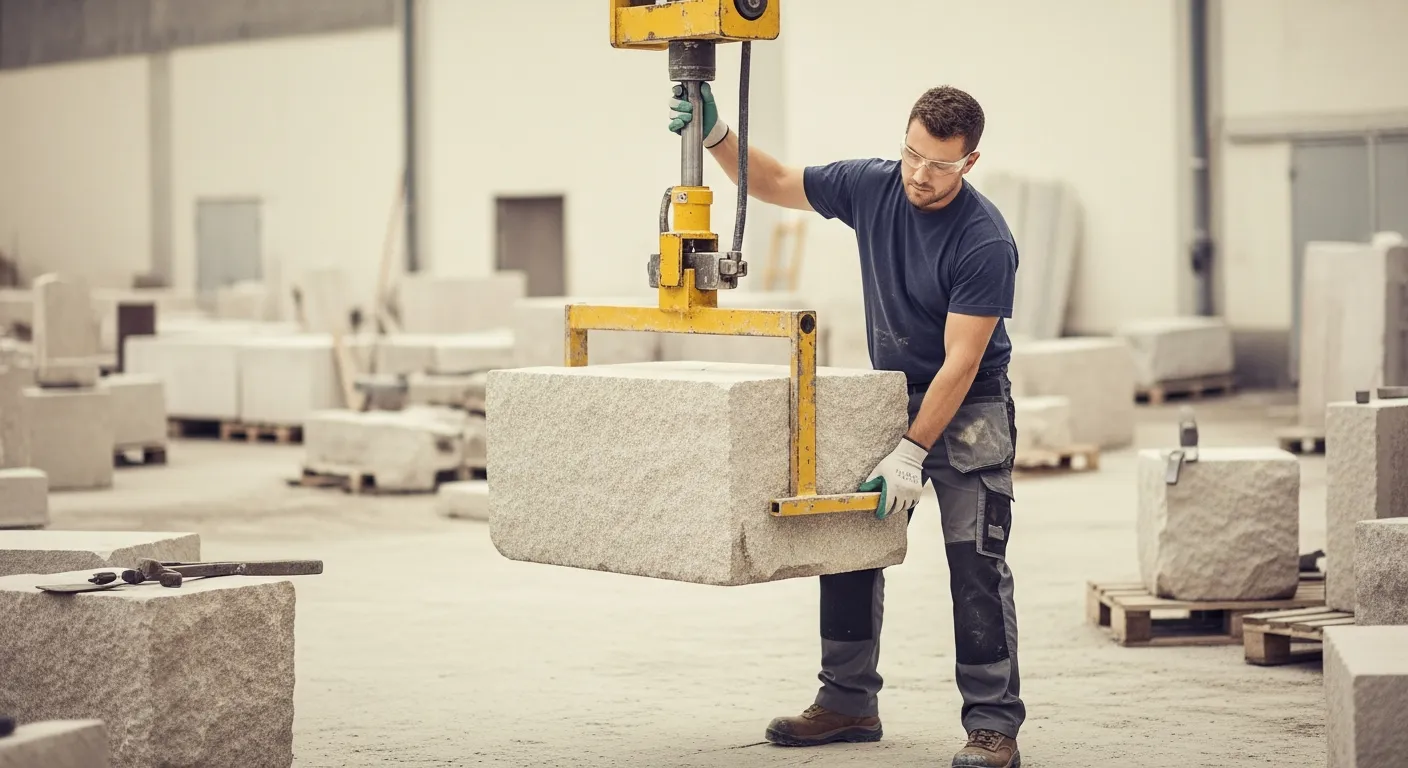
For smaller stones, dollies or hand trucks equipped with pneumatic tires can be used to navigate uneven surfaces. For larger stones, forklifts with specialized stone clamps provide a secure grip and allow for precise placement.
Cranes, whether mobile or stationary, are ideal for lifting stones vertically and positioning them in hard-to-reach areas. Skidding, which involves dragging stones along the ground using ropes or chains, can be a viable option for short distances on relatively smooth surfaces.
However, skidding requires careful planning and execution to prevent damage to the stone or the surrounding area. Regardless of the equipment used, always prioritize safety and follow manufacturer’s instructions.
Consider using a stone cart with a tilting mechanism for easier loading and unloading. For uneven terrain, a tracked vehicle or skid steer loader may be necessary to provide adequate traction and stability.
When using a crane, ensure that the lifting area is clear of overhead obstructions and that the ground is stable enough to support the weight of the crane and the stone. Use a spreader bar to distribute the load evenly and prevent damage to the stone when lifting with slings.
When skidding stones, use a protective layer of material, such as plywood or rubber, to prevent scratching or chipping the stone’s surface. Regularly inspect the ropes or chains used for skidding to ensure they are in good condition and free from damage.
Always use a spotter to guide the equipment operator and ensure that the stone is being moved safely. Choose equipment appropriate for the specific task.
Lifting Large Stones: Specific Considerations
Lifting large stones presents unique challenges that demand meticulous planning and execution. The sheer weight and size of these stones require specialized equipment and techniques to ensure safety and prevent damage.
Before attempting to lift a large stone, conduct a thorough site assessment to identify potential hazards and obstacles. Ensure the lifting equipment is properly rated for the weight of the stone and that the rigging is in good condition.
Use multiple lifting points to distribute the load evenly and prevent stress fractures. Employ tag lines to control the movement of the stone and prevent it from swinging or rotating.
Communicate clearly with the lifting team and maintain constant vigilance throughout the operation. Slowly lift the stone, checking for any signs of instability or stress before proceeding.
Consider using vacuum lifting equipment for smooth, non-porous stones. This method provides a secure grip without damaging the stone’s surface.
When using slings, protect the edges of the stone with padding to prevent the slings from cutting into the stone. Use a load cell to accurately monitor the weight of the stone during the lift and ensure that it does not exceed the capacity of the lifting equipment.
Develop a detailed lift plan that outlines the sequence of operations, the responsibilities of each team member, and the emergency procedures to be followed in case of an accident. Practice the lift plan beforehand to identify any potential problems and ensure that everyone is familiar with their roles.
Ensure that the lifting equipment is regularly inspected and maintained by qualified personnel. Only lift stones in appropriate weather conditions.
Stone Handling Safety: Best Practices
Implementing best practices for stone handling safety is essential for preventing accidents and injuries. These practices encompass a range of measures, from proper training and equipment maintenance to safe lifting techniques and hazard awareness.
All personnel involved in stone handling should receive comprehensive training on safe lifting procedures, equipment operation, and hazard identification. Regularly inspect lifting equipment, such as slings, chains, and clamps, for signs of wear or damage.
Replace any damaged equipment immediately. Always wear appropriate personal protective equipment (PPE), including safety glasses, gloves, and steel-toed boots. Use proper lifting techniques, such as keeping your back straight, bending your knees, and keeping the stone close to your body.
Avoid sudden movements or twisting motions. Maintain a clear and organized work area to prevent trips and falls; communicate clearly with your team to coordinate lifting efforts and avoid misunderstandings.
Implement a lockout/tagout procedure to prevent accidental start-up of equipment during maintenance or repairs. Provide adequate lighting in the work area to improve visibility and reduce the risk of accidents.
Use ergonomic tools and equipment to reduce the strain on workers’ bodies and prevent musculoskeletal injuries. Encourage workers to take regular breaks to rest and stretch their muscles.
Investigate all accidents and near misses to identify the root causes and implement corrective actions to prevent recurrence. Regularly review and update safety procedures to reflect changes in the work environment or lifting techniques.
Promote a culture of safety where workers are empowered to identify and report hazards without fear of reprisal. Make safety a core value in your organization.
Transporting Stones Safely
Once a stone has been lifted, transporting it safely to its final destination is equally important. Secure the stone properly to prevent it from shifting or falling during transport.
Use appropriate tie-down straps or chains that are rated for the weight of the stone. Distribute the weight evenly across the transport vehicle to maintain stability.
When transporting stones on a truck or trailer, ensure the load is properly secured and that the vehicle is equipped with appropriate safety features, such as mud flaps and warning lights. Drive slowly and cautiously, especially on uneven terrain or in congested areas.
Be aware of overhead obstructions, such as power lines or tree branches, and maintain a safe distance. If transporting stones over long distances, conduct regular inspections of the load to ensure it remains secure.
Use a flatbed trailer with a low deck height for easier loading and unloading. Secure the stones with a combination of tie-down straps and wooden blocks to prevent them from shifting during transport.
Cover the stones with a tarp to protect them from the elements and prevent debris from falling off the load. Comply with all applicable transportation regulations, including weight limits and load securement requirements.
Train drivers on safe loading and unloading procedures, as well as proper load securement techniques. Plan the transportation route carefully to avoid steep inclines, sharp turns, and other hazards.
Regularly inspect the transport vehicle for mechanical defects and ensure that it is properly maintained. Make sure the driver is well rested.
Conclusion
Lifting heavy stones safely and efficiently requires a combination of knowledge, skill, and the right equipment. By following the techniques and safety precautions outlined in this article, you can minimize the risk of injury and ensure the success of your stone projects.
Remember to always assess the weight of the stone, use appropriate lifting methods, and prioritize safety above all else. With careful planning and execution, you can confidently tackle even the most challenging stone lifting tasks.
Continual learning and adaptation are key to improving your stone lifting techniques. Stay updated on the latest safety guidelines and equipment innovations to enhance your skills and knowledge.
By fostering a culture of safety and continuous improvement, you can create a work environment where stone lifting is performed safely and efficiently. This will lead to successful projects and a healthier, more productive team.