

Achieving precision in stone work demands knowledge and skill. The ability to accurately cut stone is essential for any project, from intricate sculptures to robust structural elements. This article will explore various stone cutting techniques, offering guidance for both beginners and experienced craftspeople.
Mastering these methods will allow you to create accurate and aesthetically pleasing stone features. Let’s examine the world of stone cutting, focusing on the tools and methods used to achieve accurate results.
From selecting the appropriate tools to understanding the nuances of different stone types, precision stone cutting is a craft that combines technical skill with an artistic eye. This guide will cover everything from hand tools to power saws, providing a comprehensive overview of stone cutting techniques.
Choosing the Right Stone Cutting Tool for the Job
Selecting the correct tool is the first step in achieving accurate stone cuts. Different tools are designed for specific purposes, and using the wrong one can lead to inaccurate cuts and damaged materials.
Consider the type of stone you’re working with, the complexity of the cut, and the desired finish when making your selection. For instance, softer stones like soapstone can be cut with simpler tools, while harder stones like granite require specialized equipment.
Hand tools like chisels and hammers are suitable for smaller projects and detailed work. Power saws, on the other hand, are ideal for larger projects and straight cuts.
Diamond blade saws are particularly effective for cutting hard stones, providing clean and precise results. Investing in quality tools is essential for any serious stone worker.
The size of the stone also influences the tool selection. A small tile saw won’t be adequate for cutting large slabs of granite.

Consider the power source as well; some tools are electric, while others are pneumatic or hydraulic. Choose the power source that is most convenient and efficient for your work environment.
Don’t forget about safety features. Features like blade guards and dust collection systems are crucial for protecting yourself from injury and minimizing exposure to harmful dust.
Read reviews and compare different brands before making a purchase. This will help you find tools that are reliable, durable, and well-suited for your specific needs.
Hand Cutting Techniques: Chisels and Hammers
Hand cutting techniques, utilizing chisels and hammers, offer a traditional approach to stone work. These methods are especially useful for shaping and detailing stone, allowing for a high degree of control.
Choose the right chisel for the task; point chisels are used for rough shaping, while flat chisels are used for smoothing surfaces. Proper hammer control is crucial for accurate cuts.
Hold the chisel firmly at the desired angle and strike it with a controlled blow. Avoid swinging the hammer too hard, as this can lead to inaccurate cuts or damage the stone.
Practice makes perfect when it comes to hand cutting. Start with softer stones to develop your technique before moving on to harder materials.
Before you begin, ensure the stone is properly supported and stable. This will prevent it from shifting or moving during the cutting process.
When using a point chisel, start with light taps to establish the initial cut. Gradually increase the force as you become more confident and the cut deepens.
For flat chisels, use a sweeping motion to remove thin layers of stone. This will create a smooth and even surface.
Sharpen your chisels regularly to maintain their cutting edge. A dull chisel will require more force and is more likely to slip, leading to inaccurate cuts or injuries.
Using Power Saws for Stone Cutting
Power saws are indispensable for efficient and precise stone cutting, especially when dealing with large pieces or hard materials. These saws come in various types, each suited for different cutting tasks.
Diamond blade saws are the most common choice for stone cutting, offering clean and accurate cuts through granite, marble, and other hard stones. The type of blade you choose will depend on the specific stone you are cutting.
| Saw Type | Blade Type | Ideal Use |
|---|---|---|
| Angle Grinder | Diamond Blade | Small cuts, shaping |
| Circular Saw | Diamond Blade | Straight cuts, medium projects |
| Wet Saw | Continuous Rim Diamond Blade | Clean cuts, prevents dust |
| Tile Saw | Segmented Diamond Blade | Cutting tiles, small stones |
| Masonry Saw | Abrasive Blade | Cutting bricks, concrete blocks |
Always use appropriate safety equipment when operating power saws, including eye protection, ear protection, and a dust mask. Regular maintenance of your power saw is essential for optimal performance and safety.
When using a wet saw, ensure that the water reservoir is filled and the water pump is functioning correctly. This will help to cool the blade and reduce dust.
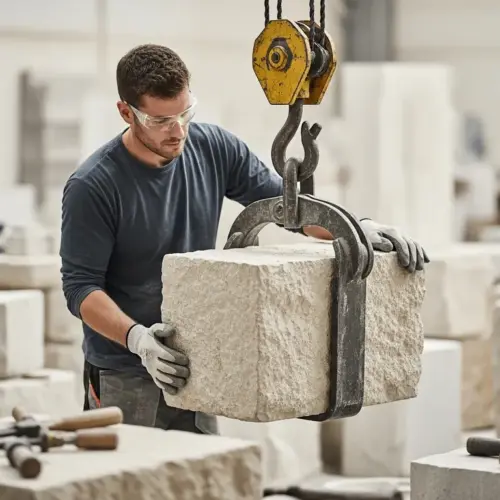
Make sure the stone is securely clamped or supported before starting the cut. This will prevent it from moving or vibrating during the cutting process.
Use a slow, steady feed rate to avoid overheating the blade or chipping the stone. Let the saw do the work, and avoid forcing it through the material.
Clean the saw and blade regularly to remove any buildup of stone dust or debris. This will help to maintain optimal performance and extend the life of the blade.
Cutting Different Types of Stone: Granite, Marble, and Limestone
Different types of stone require different cutting approaches due to their varying hardness and composition. Understanding the properties of each stone is crucial for achieving accurate cuts and preventing damage.
Granite, one of the hardest natural stones, requires diamond blade saws and a slow, steady cutting speed. Marble, being softer than granite, can be cut with finer diamond blades and a slightly faster speed.
Limestone, a sedimentary rock, is relatively soft and can be cut with a variety of tools, including hand saws and power saws with appropriate blades. Always use water when cutting stone to reduce dust and prevent overheating.
Testing a small, inconspicuous area of the stone before cutting the entire piece is a good practice. This allows you to adjust your technique and ensure the best possible results.
When cutting granite, use a diamond blade specifically designed for granite. These blades are typically made with a harder bond to withstand the abrasive nature of the stone.
For marble, use a blade with a softer bond to prevent chipping and scratching. Marble is more prone to damage than granite, so a gentler approach is needed.
Limestone can be cut with a variety of blades, but a diamond blade will provide the cleanest and most accurate cuts. Abrasive blades can also be used, but they will wear down more quickly.
Always use water when cutting any type of stone to cool the blade and reduce dust. This is especially important when cutting hard stones like granite.
Splitting Stone: Techniques and Tools
Splitting stone is a fundamental technique in stone masonry, allowing for the creation of natural-looking stone elements. This method involves using wedges and shims to create controlled fractures in the stone.
Start by drilling a series of holes along the desired split line. Insert the wedges and shims into the holes, and then tap each wedge in sequence, gradually increasing the pressure.
The key is to apply even pressure along the entire line to ensure a clean split. Splitting stone requires patience and a good understanding of the stone’s natural grain.
Different types of stone will split differently, so it’s important to adjust your technique accordingly. Softer stones may split more easily, while harder stones may require more force and precision.
The spacing between the holes will depend on the type of stone and the desired split. Closer spacing will result in a cleaner split, but it will also require more time and effort.
Use a hammer that is appropriate for the size of the wedges and shims. A heavy hammer may be needed for larger stones, while a lighter hammer is sufficient for smaller stones.
Be careful not to over-tighten the wedges, as this can cause the stone to crack in an uncontrolled manner. Apply even pressure and gradually increase the force until the stone splits.
If the stone is particularly hard or resistant to splitting, you may need to use a hydraulic splitter. These tools provide a more powerful and controlled splitting force.
Safety Precautions When Cutting Stone
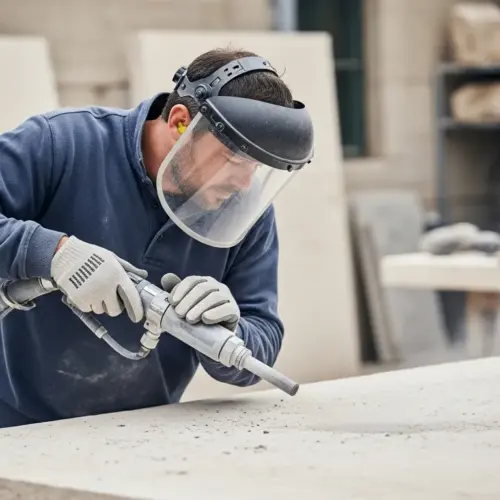
Safety should always be a top priority when working with stone cutting tools. Stone cutting can produce dust and debris that can be harmful to your health, so taking proper precautions is essential.
Always wear safety glasses to protect your eyes from flying particles. Use a dust mask or respirator to avoid inhaling stone dust, which can cause respiratory problems.
- Wear safety glasses
- Use a dust mask or respirator
- Wear ear protection
- Wear gloves
- Ensure adequate ventilation
Ensure adequate ventilation in your work area to minimize dust exposure. When using power tools, always follow the manufacturer’s instructions and use appropriate safety guards.
Wear appropriate clothing, including long sleeves and pants, to protect your skin from cuts and abrasions. Avoid wearing loose clothing that could get caught in the machinery.
Use hearing protection to prevent hearing loss from the noise of power tools. Earplugs or earmuffs are both effective options.
Wear gloves to protect your hands from cuts and abrasions. Leather gloves are a good choice for most stone cutting tasks.
Keep your work area clean and free of clutter to prevent accidents. Store tools and materials in a safe and organized manner.
Achieving Clean and Precise Cuts
Clean and precise cuts are the hallmark of quality stone work. Achieving these results requires attention to detail and a combination of skill and technique.
Start by accurately marking your cut line with a pencil or marker. Use a straightedge or template to ensure your lines are straight and accurate.
When using a power saw, guide the blade slowly and steadily along the cut line. Avoid forcing the blade, as this can lead to chipping or inaccurate cuts.
For hand cutting, use light, controlled blows to gradually shape the stone. Regularly check your progress to ensure you are staying on track.
Use a sharp blade or chisel to ensure a clean cut. A dull blade will require more force and is more likely to chip or tear the stone.
Apply even pressure to the blade or chisel to avoid uneven cuts. Uneven pressure can cause the stone to crack or break.
Use a coolant, such as water, to keep the blade or chisel cool and prevent overheating. Overheating can damage the blade or chisel and cause the stone to crack.
Take your time and be patient. Rushing the cut can lead to mistakes and inaccurate results.
Stone Saw Blades: Choosing the Right One
The selection of stone saw blades is critical for efficient and accurate cutting. Different blades are designed for specific materials and cutting tasks, so choosing the right one is essential.
Diamond blades are the most versatile option for stone cutting, offering clean cuts through a variety of materials. Continuous rim diamond blades are ideal for cutting tiles and other delicate materials, while segmented diamond blades are better suited for harder stones like granite.
Abrasive blades are a more economical option for cutting softer stones and concrete, but they wear down quickly and produce more dust. Proper maintenance and care of your stone saw blades will extend their lifespan and ensure optimal performance.
Always inspect your blades for damage before each use, and replace them when they become worn or damaged. Using the correct blade for the job will not only improve the quality of your cuts but also enhance safety.
Consider the diameter of the blade. The blade diameter should be appropriate for the size of the saw and the thickness of the stone you are cutting.
Think about the arbor size. The arbor size of the blade must match the arbor size of the saw.
Consider the bond type. The bond type of the blade should be appropriate for the hardness of the stone you are cutting. Softer bonds are better for harder stones, while harder bonds are better for softer stones.
Read the manufacturer’s recommendations. Always follow the manufacturer’s recommendations for blade speed and feed rate.
The Importance of Proper Stone Preparation
Proper stone preparation is essential for achieving the best possible results in any stone cutting project. This includes cleaning the stone, assessing its condition, and marking the cut lines accurately.
Start by removing any dirt, debris, or loose particles from the stone’s surface. Use a wire brush or a mild detergent to clean the stone thoroughly.
Inspect the stone for any cracks, chips, or other imperfections that may affect the cutting process. Mark the cut lines clearly with a pencil or marker, using a straightedge or template for accuracy.
Taking the time to prepare your stone properly will help ensure a clean, accurate cut and minimize the risk of damage. This step is often overlooked, but it is crucial for achieving professional-quality results.
Allow the stone to dry completely before cutting. This will prevent the stone from slipping or moving during the cutting process.
Secure the stone to a stable surface. This will prevent the stone from vibrating or shifting during the cutting process.
Double-check your measurements and cut lines before starting to cut. This will help to ensure that you get the desired results.
Consider the grain of the stone. Cutting with the grain will be easier than cutting against the grain.
Conclusion
Mastering stone cutting techniques requires a combination of knowledge, skill, and patience. By understanding the properties of different stones, selecting the right tools, and following safety precautions, you can achieve accurate and aesthetically pleasing results.
Whether you’re a professional stone mason or a hobbyist, the principles outlined in this article will help you enhance your stone cutting skills. With practice and dedication, you can create beautiful and durable stone features that will last for generations.