
Dry stone walling is an ancient craft that has stood the test of time. It’s a method of building walls using stones without any mortar to bind them together. This technique relies on the precise interlocking of stones to create a stable and durable structure.
The beauty of dry stone wall construction lies in its simplicity and sustainability. With careful planning and execution, these walls can last for generations, blending seamlessly into the natural environment.
In this article, we’ll explore the fundamental principles, techniques, and tools involved in dry stone wall construction. We will also discuss how to maintain these structures, ensuring their longevity and continued functionality.
Understanding the Principles of Dry Stone Walling
The foundation of dry stone walling rests on a few core principles. These principles, when properly applied, ensure the wall’s stability and longevity.
One of the most important concepts is the ‘batter,’ or the slight inward slope of the wall as it rises. This slope helps to distribute the weight of the wall evenly, preventing it from toppling outward.
Another key principle is the use of ‘through stones,’ which span the entire width of the wall. These stones tie the two faces of the wall together, preventing them from separating over time.
Proper drainage is also essential to prevent water buildup within the wall, which can lead to instability. This can be achieved by incorporating drainage channels or using permeable backfill materials.
Weight distribution is paramount in dry stone walling. The wall should be constructed so that the weight is evenly distributed throughout the structure.
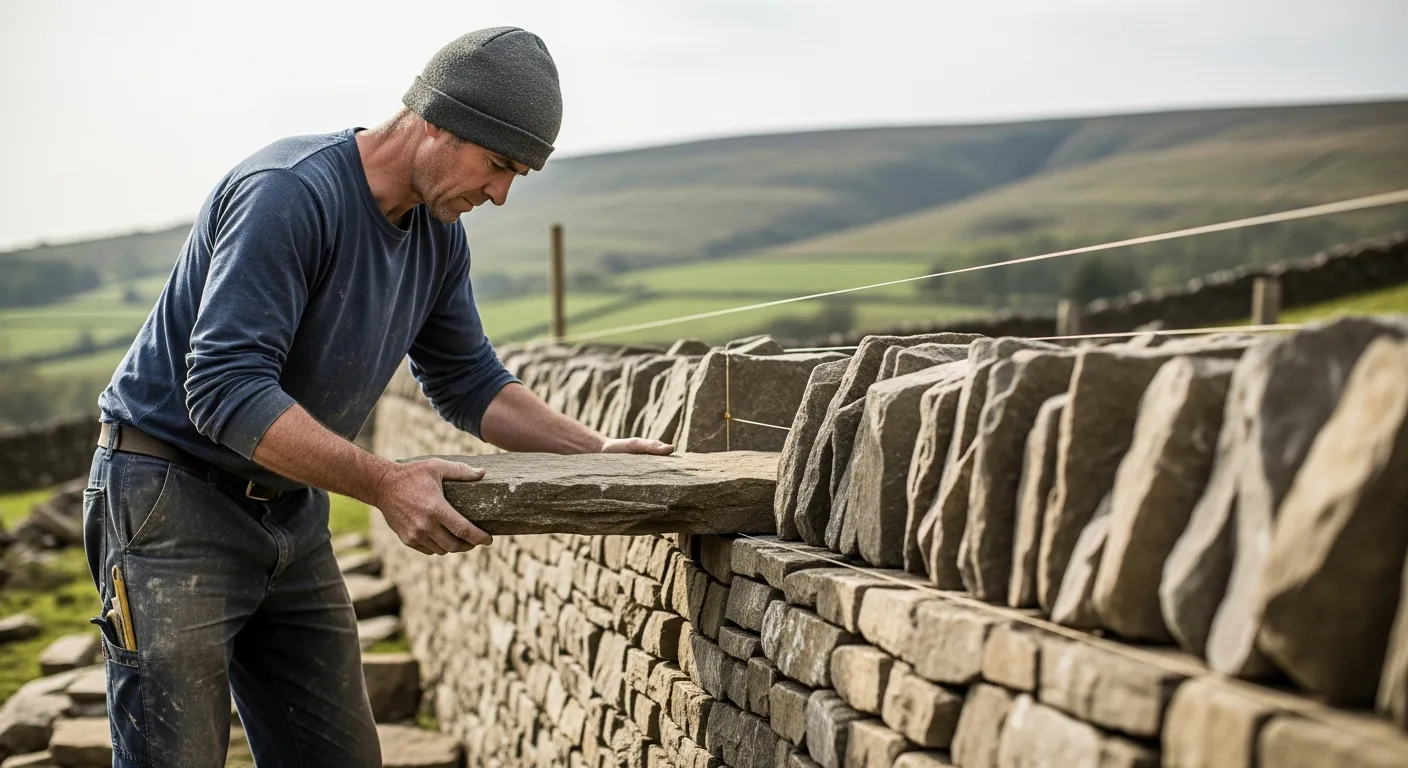
This prevents stress points and ensures that no single area of the wall is bearing too much load. It’s like a carefully balanced puzzle where each piece contributes to the overall strength.
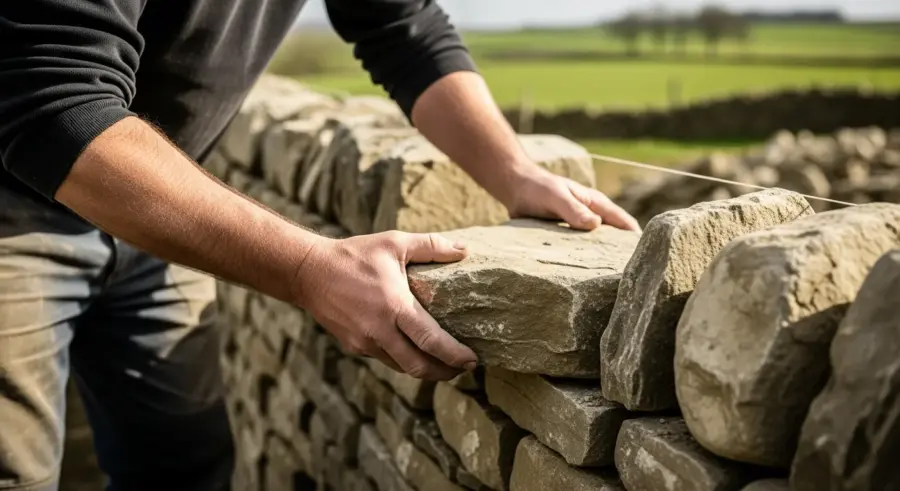
Interlocking stones are not just about aesthetics; they are crucial for structural integrity. The stones should be carefully placed to create a network of interlocking connections.
This interlocking prevents individual stones from shifting or moving, which could compromise the wall’s stability. Think of it as a three-dimensional jigsaw puzzle where each piece locks into place.
Friction plays a vital role in holding the wall together. The rough surfaces of the stones create friction, which helps to resist movement.
This friction is enhanced by the weight of the stones pressing against each other. The greater the weight, the greater the friction, and the more stable the wall becomes.
The ‘rule of thirds’ is a useful guideline for stone placement. Aim to place each stone so that it rests on at least two stones below it.
This helps to distribute the weight and prevent any single stone from bearing too much load. It’s a simple but effective way to ensure the wall’s stability.
Understanding the local climate is crucial for designing a durable wall. Consider factors such as rainfall, temperature fluctuations, and frost heave.
These factors can all impact the wall’s stability and longevity. Proper drainage and the use of frost-resistant stones can help to mitigate these risks.
Selecting and Preparing Stones for Walling
The selection of stones is a critical step in dry stone wall construction. The type of stone available will influence the wall’s appearance and structural integrity.
Ideally, you should use stones that are naturally angular and have flat faces. This shape allows for better interlocking and a more stable wall.
Before building, sort the stones into different sizes and shapes. This will make the building process more efficient, as you’ll be able to quickly find the right stone for each position.
Cleaning the stones is also important, removing any dirt or loose material that could compromise the wall’s stability. A stiff brush and water are usually sufficient for this task.
Consider the stone’s durability when making your selection. Some stones are more resistant to weathering and erosion than others.
Choose stones that are known for their strength and longevity in your local climate. This will help to ensure that your wall lasts for generations.
The size and shape of the stones will influence the wall’s appearance. Larger stones create a more rugged and imposing look, while smaller stones can create a more refined and delicate appearance.
Consider the overall aesthetic you are trying to achieve when selecting your stones. The stones should complement the surrounding landscape and architecture.
Source your stones responsibly, minimizing environmental impact. If possible, use stones that are already present on the site or that have been salvaged from other projects.
Avoid quarrying new stones unless absolutely necessary. Sustainable sourcing practices help to preserve natural resources and protect the environment.
Dressing the stones can improve their fit and stability. Use a stone hammer to remove any sharp edges or protrusions that could prevent the stones from interlocking properly.
However, be careful not to over-dress the stones, as this can weaken them. The goal is to create a smooth and stable surface without compromising the stone’s integrity.
Laying the Foundation and Building the Walls
The foundation, or ‘footings,’ of a dry stone wall is crucial for its overall stability. It should be wider than the wall itself, providing a solid base to build upon.
Start by excavating the area where the wall will be built, ensuring that the ground is level and firm. Then, lay the largest stones you have available as the first course of the foundation.
| Wall Component | Stone Characteristics | Purpose |
|---|---|---|
| Foundation Stones | Large, flat, stable | Provides a solid base for the wall |
| Hearting Stones | Smaller, irregular shapes | Fills the core of the wall, adding mass and stability |
| Through Stones | Long, spanning the wall’s width | Ties the two faces of the wall together |
| Coping Stones | Large, flat, weather-resistant | Protects the top of the wall from the elements |
As you build the wall, ensure that each stone is securely interlocked with the stones around it. Fill any gaps with smaller stones, known as ‘hearting,’ to create a dense and stable structure.
Remember to maintain the batter, or inward slope, of the wall as you build. This helps to distribute the weight evenly and prevent the wall from leaning outward.
The foundation should be below the frost line to prevent frost heave. Frost heave can destabilize the wall over time, causing it to lean or even collapse.
The depth of the frost line varies depending on your location. Consult local building codes or experienced wallers to determine the appropriate depth for your foundation.
Use a spirit level to ensure that each course of stones is level. A level wall is more stable and aesthetically pleasing.
Adjust the stones as needed to achieve a level surface. Shims or small stones can be used to fill any gaps or irregularities.
Stagger the joints between the stones in each course. This prevents continuous vertical joints, which can weaken the wall.
Staggering the joints creates a stronger and more stable structure. It’s similar to how bricks are laid in a brick wall.
Use through stones regularly to tie the two faces of the wall together. Through stones should extend at least halfway through the wall’s width.
These stones are essential for preventing the wall from separating over time. They act as anchors, holding the two faces together.
Pay attention to the placement of hearting stones. Hearting stones fill the gaps between the larger stones, adding mass and stability to the wall.
Use a variety of sizes and shapes of hearting stones to create a dense and interlocking structure. The hearting should be tightly packed to prevent movement.
Coping and Finishing the Dry Stone Wall
The coping stones are the final layer of stones on top of the wall. These stones serve to protect the wall from the elements and add to its overall aesthetic appeal.
Select coping stones that are large, flat, and weather-resistant. They should overhang the wall slightly, directing rainwater away from the structure.
Secure the coping stones in place, ensuring that they are stable and won’t be easily dislodged. You can use smaller stones to wedge them in place if necessary.
Once the coping is complete, inspect the entire wall for any loose stones or gaps. Fill these in with smaller stones to ensure the wall is as stable and secure as possible.
The coping stones should be carefully chosen to complement the wall’s overall design. Consider the color, texture, and shape of the stones.
The coping stones can be laid in a variety of patterns, depending on the desired aesthetic. A simple, linear pattern is a classic choice, while more complex patterns can add visual interest.
Ensure that the coping stones are securely bedded on the underlying stones. Use smaller stones to fill any gaps and create a stable base.
The coping stones should overhang the wall by at least a few inches. This helps to protect the wall from rainwater and prevents erosion.
The overhang should be consistent along the entire length of the wall. This creates a clean and professional look.
Consider adding a slight slope to the coping stones to further improve drainage. This will help to prevent water from pooling on top of the wall.
The slope should be subtle and barely noticeable. The goal is to encourage water to run off the wall without detracting from its appearance.
Clean the wall after the coping is complete. Remove any dirt, debris, or loose stones.
A clean wall looks more attractive and is easier to maintain. It also allows you to better inspect the wall for any potential problems.
Maintaining and Repairing Dry Stone Walls
Even the best-built dry stone walls require occasional maintenance and repair. Over time, weathering, animal activity, and other factors can cause stones to shift or become dislodged.
Regularly inspect your walls for any signs of damage, such as leaning sections, loose stones, or gaps. Addressing these issues promptly can prevent more significant problems from developing.
- Remove vegetation growing on the wall
- Replace any displaced stones
- Ensure proper drainage
- Check for animal burrows
- Address structural issues immediately
When repairing a wall, carefully remove any loose stones and rebuild the affected section. Ensure that the new stones are properly interlocked and that the wall maintains its batter.
Vegetation can damage dry stone walls by trapping moisture and expanding roots. Remove any plants growing on the wall regularly.
Use a brush or trowel to carefully remove the plants without damaging the stones. Be sure to remove the roots as well to prevent regrowth.
Animal burrows can undermine the foundation of the wall. Check for signs of animal activity, such as holes or droppings.
If you find any burrows, fill them with stones and soil to prevent further damage. Consider using wire mesh to deter animals from digging new burrows.
Poor drainage can lead to water buildup within the wall, which can cause stones to shift or crack. Ensure that the wall has adequate drainage.
Clear any drainage channels or culverts that may be blocked. Consider adding additional drainage features if necessary.
When replacing displaced stones, try to match the original stones as closely as possible. Use stones of similar size, shape, and color.
If you cannot find matching stones, use stones that are aesthetically compatible with the existing wall. The goal is to maintain the wall’s overall appearance.
Monitor the wall regularly for any signs of structural problems. Look for leaning sections, bulging areas, or cracks in the stones.
Address any structural problems immediately to prevent further damage. Consult with an experienced waller if you are unsure how to proceed.
Tools and Equipment for Dry Stone Walling
While dry stone walling is a relatively simple technique, certain tools and equipment can make the job easier and more efficient. These tools help with lifting, moving, and shaping stones.
A good set of stone hammers is essential for shaping and dressing stones. These hammers come in various sizes and weights, each designed for different tasks.
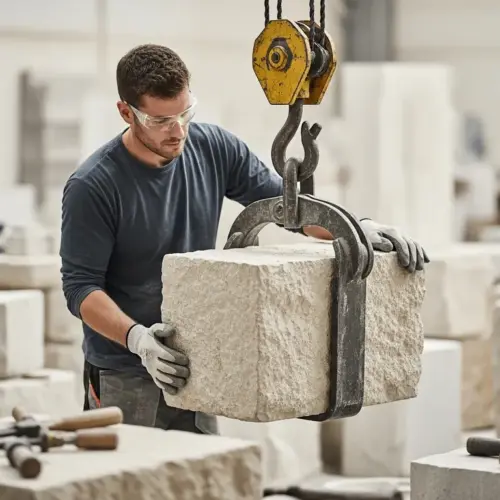
Crowbars and levers are useful for lifting and moving heavy stones. Choose tools that are sturdy and well-balanced for safe and efficient operation.
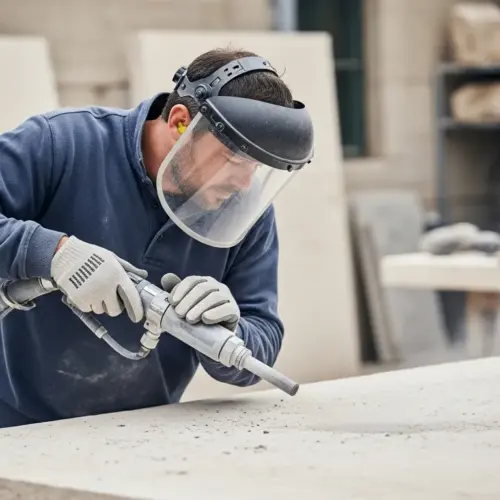
Safety equipment, such as gloves, safety glasses, and sturdy boots, is also crucial. Protecting yourself from injury is paramount when working with heavy stones.
A variety of stone hammers are useful for different tasks. A point hammer is used for breaking stones, while a pitching tool is used for creating flat surfaces.
A club hammer is a heavier hammer used for driving wedges and breaking larger stones. A chisel is used for fine shaping and detail work.
Crowbars and levers come in different lengths and shapes. Choose tools that are appropriate for the size and weight of the stones you will be moving.
A long crowbar provides more leverage for lifting heavy stones. A shorter lever is useful for making small adjustments.
Gloves protect your hands from cuts and abrasions. Choose gloves that are durable and provide a good grip.
Safety glasses protect your eyes from flying debris. Wear safety glasses whenever you are hammering or shaping stones.
Sturdy boots provide ankle support and protect your feet from injury. Choose boots with a steel toe for added protection.
A wheelbarrow is useful for moving stones and other materials around the worksite. Choose a wheelbarrow that is sturdy and easy to maneuver.
A spirit level is essential for ensuring that the wall is level. Use a spirit level to check each course of stones as you build.
Dry Stone Walling and Sustainable Construction
Dry stone walling aligns with the principles of sustainable construction in several ways. It utilizes locally sourced materials, minimizing transportation costs and environmental impact.
The absence of mortar reduces the use of manufactured materials, further decreasing the environmental footprint. Traditional walling techniques also promote biodiversity by providing habitats for various plants and animals.
Dry stone walls are also highly durable, lasting for generations with minimal maintenance. This longevity reduces the need for frequent reconstruction, conserving resources and energy.
These walls can be easily dismantled and rebuilt if necessary, allowing for flexible land use and adaptation to changing needs. This adaptability enhances their sustainability in the long term.
Using locally sourced stones reduces the carbon footprint associated with transportation. Supporting local quarries and suppliers also benefits the local economy.
Consider using reclaimed stones from demolition sites or other projects. Reusing materials reduces waste and conserves natural resources.
Dry stone walls provide habitats for a variety of plants and animals. The crevices between the stones offer shelter and nesting sites.
Consider incorporating native plants into the wall’s design. Native plants are adapted to the local climate and require minimal maintenance.
Dry stone walls can help to prevent soil erosion. The walls act as barriers, slowing down the flow of water and preventing soil from being washed away.
Terracing slopes with dry stone walls can create level planting areas and improve drainage. This is particularly useful in hilly or mountainous areas.
Dry stone walls are permeable, allowing water to drain through them. This prevents water buildup and reduces the risk of flooding.
The permeability of dry stone walls also allows for air circulation, which can help to regulate temperature and humidity.
The Art and Craft of Stone Wall Building
Dry stone wall construction is more than just a building technique; it’s an art form. Skilled wallers take pride in their ability to create beautiful and functional structures using only stone and their own expertise.
The patterns and textures created by the stones can be incredibly varied, reflecting the local geology and the waller’s personal style. Each wall is a unique creation, a testament to the waller’s skill and creativity.
Traditional walling techniques are often passed down through generations, preserving valuable knowledge and skills. These techniques represent a connection to the past and a commitment to sustainable building practices.
Learning dry stone walling can be a rewarding experience, allowing you to connect with nature and create lasting structures. With practice and dedication, anyone can master this ancient craft.
The selection and placement of stones require a keen eye and a sense of balance. A skilled waller can create a wall that is both structurally sound and aesthetically pleasing.
The texture of the stones can add visual interest to the wall. Rough, weathered stones create a rustic look, while smooth, polished stones create a more refined appearance.
The color of the stones can also be used to create patterns and designs. Contrasting colors can add drama and visual impact.
The shape of the stones can influence the overall design of the wall. Angular stones create a more formal look, while rounded stones create a more natural appearance.
Dry stone walls can be incorporated into a variety of landscape designs. They can be used to create retaining walls, garden borders, or decorative features.
Dry stone walls can also be used to create functional structures, such as shelters or livestock enclosures. The versatility of this technique makes it suitable for a wide range of applications.
Learning dry stone walling requires patience and dedication. It takes time to develop the skills and knowledge necessary to build a durable and aesthetically pleasing wall.
However, the rewards of mastering this craft are well worth the effort. You will be able to create lasting structures that will be admired for generations to come.
Dry Stone Wall Construction Around the World
Dry stone wall construction is found in many different parts of the world, each with its own unique style and traditions. The techniques used often reflect the local geology and climate.
In the United Kingdom, dry stone walls are a common sight in rural areas, particularly in the Lake District and the Yorkshire Dales. These walls have been built for centuries, serving as field boundaries and livestock enclosures.
In Peru, the Incas were masters of dry stone construction, creating impressive structures such as Machu Picchu. Their walls are renowned for their precision and stability, even without the use of mortar.
In other parts of the world, dry stone walling is used for retaining walls, terracing, and even building houses. The versatility of this technique makes it suitable for a wide range of applications.
In Ireland, dry stone walls are known as “famine walls,” as they were often built during times of economic hardship. These walls are a testament to the resilience and resourcefulness of the Irish people.
In the Mediterranean region, dry stone walls are used to create terraces for agriculture. These terraces help to prevent soil erosion and conserve water.
In Japan, dry stone walls are often used in gardens and temples. These walls are known for their simplicity and elegance.
The dry stone walls of the Balkans are often built using limestone. The white color of the limestone creates a striking contrast with the surrounding landscape.
In the Andes Mountains, dry stone walls are used to build houses and other structures. The walls are often built using irregular stones, creating a unique and rustic appearance.
The dry stone walls of Scotland are often built using granite. The strength and durability of granite make it an ideal material for building long-lasting walls.
In the Swiss Alps, dry stone walls are used to create avalanche barriers. These walls help to protect villages and infrastructure from the destructive force of avalanches.
The dry stone walls of Australia are often built using sandstone. The warm, earthy tones of sandstone create a welcoming and inviting atmosphere.
Conclusion
Dry stone wall construction is a time-honored technique that offers numerous benefits. It is sustainable, durable, and aesthetically pleasing, blending seamlessly into the natural environment.
By understanding the principles, techniques, and tools involved, you can create your own dry stone walls. These walls will stand as a testament to your skill and a lasting contribution to the built environment.
The knowledge and skills required for dry stone walling are valuable assets. They connect us to the past and empower us to build sustainably for the future.
Whether you are a homeowner, a landscaper, or a conservationist, dry stone walling offers a rewarding and fulfilling experience. It is a craft that can be enjoyed by people of all ages and abilities.