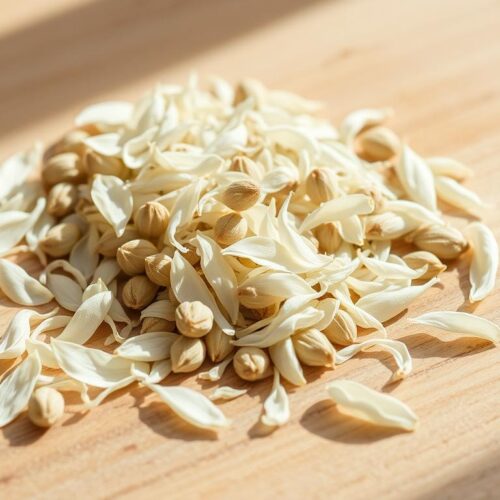

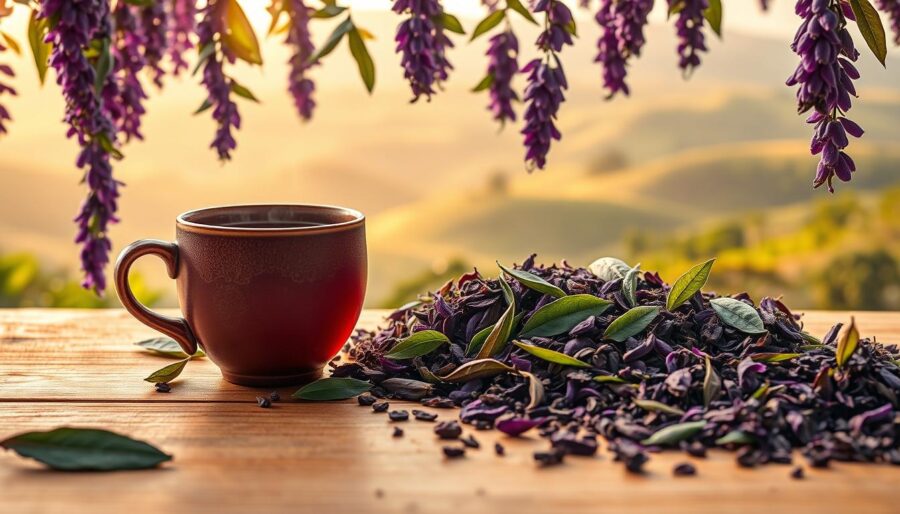
Kenyan Purple Tea is a fascinating find in the world of tea. It grows mainly in the Nandi Hills. This tea variety was developed after over 25 years of research by the Tea Research Foundation of Kenya (TRFK).
It’s one of about 12 purple tea types globally. This makes it a unique choice for those looking for wellness and something different.
Purple Tea offers impressive health benefits. Its leaves are packed with anthocyanins, the same antioxidants found in blueberries and acai. Studies show it has almost twice as many antioxidants as green tea.
It also has about half the caffeine of green tea. This means you get a gentle energy boost without the jitters.
When you pick Purple Tea, you’re choosing a special brew. You’ll find loose leaf tea in 100 g biodegradable Kraft tubes. These tubes offer about 50–60 cups. Brands like HEYRU Kenyan Purple Tea use unoxidized processing to preserve the tea’s delicate flavor and health benefits.
The tea’s appearance is stunning: deep purple leaves that create a light, floral cup. It has subtle berry notes and no grassy bitterness. To brew, use 80°C water, 2 g of tea per cup, and steep for three minutes. You can expect 2–3 steeps. Adding a drop of lemon will enhance the purple color and brighten the taste.
What is Purple Tea?

Ever wondered about Purple Tea and its unique look? It’s a special tea with deep purple leaves. These leaves get their color from anthocyanins, the same pigments found in berries and red cabbage.
The story of Purple Tea begins in Kenya. It took over 25 years of research at the Tea Research Foundation of Kenya (TRFK) to create it. The right climate in places like Nandi Hills helps the plants grow with those purple leaves and unique flavors.
How it’s made is key. Tea makers keep the leaves mostly unoxidized. This way, the anthocyanins stay, making the tea smooth and flavorful, unlike some green teas.
Compared to other teas, Purple Tea stands out. It has more antioxidants and less caffeine than green tea. Unlike black tea, it doesn’t turn dark brown because it’s not oxidized.
- It’s a real tea, not an herbal mix, so it has natural tea compounds like catechins and caffeine.
- Its unique pigment adds to its antioxidant power, making it a big benefit of Purple Tea.
When buying, look for teas labeled as single-origin from Kenya. This ensures you get authentic tea with the right pigment and nutrients.
Health Benefits of Purple Tea
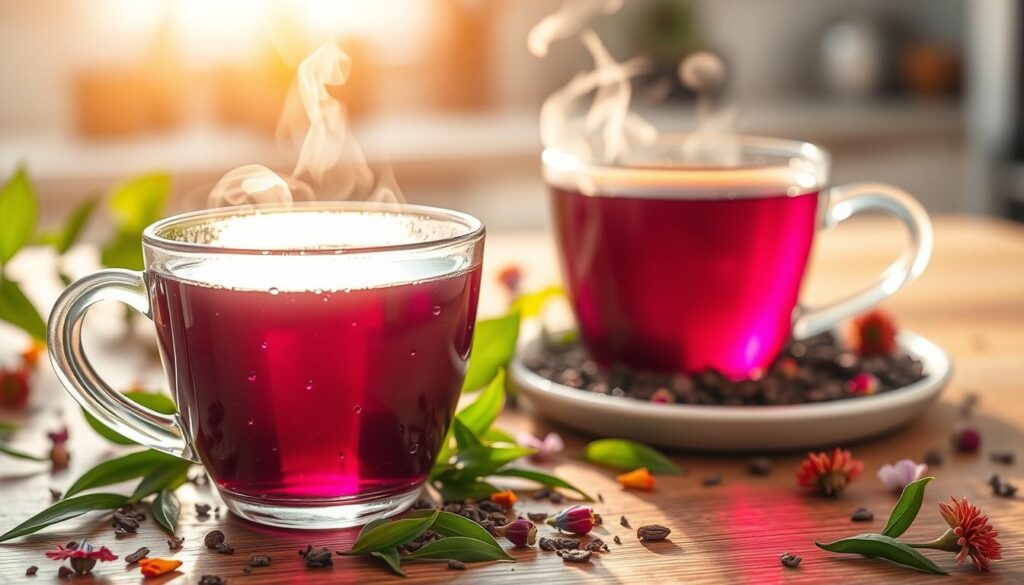
Purple Tea is packed with anthocyanins, the same antioxidants found in blueberries and acai. These antioxidants fight off free radicals, boosting your cells and skin health.
It’s also known for its heart health benefits. The anthocyanins and tea polyphenols in Purple Tea may improve blood flow and protect your brain. This can help keep your heart and blood vessels healthy over time.
Some people drink Purple Tea for its gentle weight loss benefits. It has less caffeine but lots of antioxidants. This combo is said to help boost your metabolism and keep your energy levels steady.
Many believe Purple Tea can help you look younger and have healthier skin. The antioxidants in it can slow down aging. But, it’s important to remember that different studies and products show different results.
- Antioxidant support for cellular and skin health
- Compounds that may promote healthy circulation
- Mild metabolic support linked to weight-management goals
When using Purple Tea for wellness, check the facts. It’s best to use it as part of a balanced diet and lifestyle. Don’t rely on it alone for weight or heart health.
The Antioxidant Profile of Purple Tea
The deep color of purple tea signals a rich mix of antioxidants. This mix is different from black and green teas. The antioxidants, anthocyanins and polyphenols, give the leaves their violet color and power to fight free radicals.
Understanding anthocyanins shows why purple tea is interesting to nutritionists and skincare brands. These pigments are like those in blueberries and acai. They fight oxidative stress at the cellular level and support health.
Producers say that gentle processing keeps these compounds active. This method helps keep antioxidant levels high in the first brew. When brewed right, you get more anthocyanins per cup, showing off Purple Tea’s nutrition facts.
Think about how antioxidants work in your body. Anthocyanins and other polyphenols fight free radicals. This helps protect DNA and cell membranes. Brands like Lipton and Numi talk about similar benefits for the brain and overall wellness.
- Primary actives: anthocyanins and flavonoids.
- Key effects: cellular protection and reduced oxidative stress.
- Processing note: minimal oxidation preserves potency.
Many users wonder about Purple Tea’s benefits for the skin. The antioxidant-rich profile supports skin health. It helps reduce signs of aging and improves skin’s ability to handle environmental stress.
When you look at nutrition facts, Purple Tea stands out. It has low calories, trace minerals, and lots of antioxidants per serving. This info helps you choose a tea that fits your wellness goals.
Nutritional Components of Purple Tea
Purple tea is known for its antioxidants, not a long list of vitamins. It has anthocyanins, polyphenols, and catechins. These nutrients are the main health benefits, as shown in Purple Tea nutrition facts.
Labels don’t list many vitamins and minerals. But, you’ll find small amounts of potassium and manganese. The focus is on antioxidants, which is why people say it boosts metabolism and overall health.
Purple tea has less caffeine than green tea. This makes it a milder choice. It’s marketed as a low caffeine tea, perfect for a calm evening drink.
Here’s a quick summary:
- Antioxidants: Anthocyanins and polyphenols are key for cell protection.
- Catechins: They’re present in good amounts and may help with metabolism.
- Minerals: You’ll find trace amounts of potassium and manganese, but no big vitamin numbers.
- Caffeine: It’s lower, making it good for daily drinking and multiple steeps.
Drinking it regularly might help with metabolism, but it’s not a big change. People say it’s good for metabolism when eaten with a healthy diet and exercise. Some also claim it makes their hair shinier and stronger, thanks to antioxidants and minerals.
When buying, look for clear info on where it’s from and how to steep it. Most producers suggest steeping it 2–3 times. This way, you get the most out of it while enjoying its low caffeine benefits.
How to Brew Purple Tea
Learning to brew Purple Tea is easy. Start with 2 grams of dried leaves for each cup. This amount is common and a good starting point.
Heat the water to about 80°C (176°F). This temperature is key to keep the tea’s delicate flavors. It prevents the tea from becoming bitter.
- Place leaves in an infuser tube or a tea infuser cup for easy cleanup.
- Pour water over the leaves and time the Purple Tea steeping time at roughly 3 minutes for a balanced cup.
- Adjust steeping time up or down to suit your taste; shorter for lighter flavor, longer for stronger body.
Vendors and tea experts suggest 2–3 infusions per measure. For each subsequent brew, reduce the steeping time by about 30–45 seconds. This prevents bitterness. The second steep often reveals subtler notes.
Optional: a single drop of lemon brightens the cup and can intensify the purple hue by shifting anthocyanin color. Use this tip sparingly so it complements the tea instead of overwhelming it.
Follow these practical steps and you’ll master Purple Tea preparation quickly. Small changes in brewing temperature and steeping time let you tailor each cup to your preference.
Taste Profile and Culinary Uses
Purple Tea has a smooth, mellow flavor with a hint of sweetness. It avoids the grassy taste of many green teas. You’ll find floral, earthy, and light berry notes for a refreshing finish, perfect for both hot and iced drinks.
The unoxidized process keeps the delicate Purple Tea flavor intact. This makes it great for simple cups, iced pitchers, or fancy tea service. Adding a squeeze of lemon can brighten the taste and deepen the purple color.
Use brewed tea as a base for smoothies and iced drinks. Cold-brewed Purple Tea is milder and brings out more antioxidants over time. It’s perfect for summer drinks and longer use in cooking.
- Hot or iced: drink straight, lightly sweetened, or with citrus to enhance the Purple Tea flavor.
- Smoothies and mocktails: substitute brewed tea for water or milk to add color and a subtle berry note.
- Cocktails: mix with gin, vodka, or sparkling wine for a visual and antioxidant boost.
In the kitchen, infuse desserts like panna cotta, custards, syrups, and baked goods with brewed Purple Tea. This adds a gentle floral-berry aroma. Use concentrated tea as a simple syrup for glazing or folding into creams.
Chefs and home cooks love Purple Tea for its antioxidant profile. These antioxidants make it great for dishes that highlight the Purple Tea benefits for skin. They also make it a good choice for diet and topical-infused treats.
Steep strong for ice creams or reduce brewed tea to a glaze for fruit tarts. Cold-brewed tea is perfect for recipes needing a subtle touch. It keeps the Purple Tea benefits for skin and color without overpowering.
Purple Tea and Mental Clarity
Drinking purple tea might make you think more clearly. Scientists and tea makers say anthocyanins and tea polyphenols are good for your brain. These compounds could protect your brain’s pathways over time.
Purple tea gives you a calm boost, unlike strong coffee. It has less caffeine, which means you stay focused without jitters. People often say it helps them stay alert and calm.
Stress relief is another reason to drink purple tea. Its smooth taste and the act of slow sipping can help you relax. These moments can lower stress and help you focus better.
- Anthocyanins and polyphenols may protect neurons and promote resilience.
- Moderate caffeine supports alertness without overstimulation.
- Mindful brewing and sipping add behavioral stress reduction.
Antioxidants in purple tea also help your brain. They protect cells and support brain health. This can help you stay mentally sharp for longer.
Try purple tea in the morning for a clear mind. In the afternoon, it helps you stay calm and focused. Brewing it lightly for multiple times lets you enjoy its flavor and benefits all day.
The Role of Purple Tea in Traditional Medicine
Purple tea is a big part of Kenyan tea traditions. It comes from Nandi Hills and other highland farms. The story of its creation is tied to the Tea Research Foundation of Kenya.
In rural markets and family kitchens, purple tea is used in simple ways. People make a brew to help with circulation and soothe minor issues. Sellers talk about Purple Tea antioxidants and anthocyanins to explain its benefits, like better skin.
Brands often talk about the research and local farmers behind Purple Tea. This shows respect for the smallholder techniques in Kenyan tea traditions.
Here are three quick points about common folk remedies:
- Steeped brew for mild circulation support and gentle refreshment.
- Cold infusions used on skin for a calming rinse tied to beauty rituals.
- Warm cups shared to mark healing and community, reflecting local tea culture.
Scientific interest in Purple Tea antioxidants has led to more research. Traditional practices are seen as part of this research, alongside modern studies.
Environmental Impact and Sustainability
Your choice of Purple Tea can shape farming practices and local livelihoods. Sustainable tea farming in Kenya often uses shade trees, crop rotation, and reduced chemical inputs. This protects soil and water while keeping yields steady.
Smallholder growers in the Nandi Hills work with research from the Tea Research Foundation of Kenya and breeders. They refine TRFK varietals. This focus on single-origin Kenyan sourcing links cultivation methods to traceable provenance. It helps you verify authenticity and boost Purple Tea sustainability.
- Choose brands that document producer relationships and fair-trade practices.
- Look for unoxidized processing notes; less energy-intensive steps can lower the carbon footprint.
- Support direct-trade models that return higher premiums to farmers.
Packaging matters for reducing waste. Many producers now offer biodegradable paper Kraft tubes and refill pack options. These choices cut landfill waste and make eco-friendly tea packaging practical for home use.
When you buy authentic Kenyan Purple Tea, you support Kenyan farmers and the regional economy. Every purchase helps smallholder families in tea-growing regions maintain operations. It also lets them invest in sustainable practices.
To promote long-term gains, favor suppliers who report on soil health, water stewardship, and worker welfare. This way, your tea ritual becomes part of a wider effort. It secures both community resilience and Purple Tea sustainability.
Where to Buy Quality Purple Tea
You can find Kenyan Purple Tea in specialty tea shops and health stores. These places list where the tea comes from and how it’s made. Look for teas from Nandi Hills, Kenya, and mention TRFK varietal development.
Check the weight, like 100 g, and how many cups you get from it. This makes it easy to compare different teas.
When you look for Purple Tea, check out brands like HEYRU Kenyan Purple Tea. Look for teas that are unoxidized and rich in anthocyanins. They should also have less caffeine than green tea.
Good packaging will tell you how to steep the tea. It should say to use 2 g of tea per cup, with water at 80°C, for about 3 minutes.
- Retail types to explore: specialty online tea stores, health-food marketplaces, and boutique sellers with sustainability claims.
- Packaging cues: biodegradable Kraft tubes, refill packs, UPC and batch info for traceability.
- Product details: 100 g dried leaf cuts, expected cup yield, and sensory notes like floral or berry aroma.
If you’re looking for Kenyan Purple Tea, check the label for origin. Look for mentions of the Tea Research Foundation of Kenya or Nandi Hills. Authentic teas will describe the leaf color and how it changes with lemon.
When comparing prices, look at the net weight and how many cups you get. A 100 g tin that makes 50–60 cups is a good value. Also, check the seller’s policies on shipping, storage, and returns.
Read tasting notes and brewing instructions before buying. If a vendor gives clear brewing tips and talks about the tea’s origin, you’re more likely to get real Kenyan purple tea.
Conclusion: Embrace the Power of Purple Tea
Purple tea is a great way to get more antioxidants every day. It has less caffeine than regular tea and more anthocyanins. Drinking it can be as simple as enjoying it hot in the morning or cold in the afternoon.
To get the best taste, use 2 g of tea leaves per cup, heat the water to 80°C, and steep for 3 minutes. You can try different brewing methods, add lemon for color, or use it in smoothies. These steps make it easy to enjoy Purple Tea’s benefits.
When buying Purple Tea, choose Kenyan, unoxidized leaves. Look for clear packaging and origin information. This supports sustainable farming and ensures you get the real flavor and health benefits. Making these choices can improve your diet and health over time.